

Are you feeding your dog a grain-free diet because you think it’s the healthiest choice? You might want to think twice.
While grain-free foods sound like a smart option, they can actually harm your furry friend’s health in ways you didn’t expect. If you care about giving your dog the best nutrition, understanding the risks of grain-free diets is crucial. Keep reading to discover why what seems like a good idea could be bad for your dog’s wellbeing—and what you should do instead.
Grain Free Diets Explained
Grain free diets for dogs avoid grains like wheat, corn, and rice. Many dog owners choose these diets to help with allergies or digestion problems. These diets replace grains with other ingredients to provide energy and nutrients.
Grain free dog foods often use more protein and vegetables instead of grains. Some believe grains cause health issues in dogs, but this is not always true. Understanding what goes into grain free dog food helps explain its effects on dogs.
Common Ingredients In Grain Free Dog Food
Grain free dog foods often use potatoes, peas, and lentils as main ingredients. These ingredients provide carbohydrates and fiber. Meat, fish, or poultry supplies protein. Some brands add fruits and vegetables for extra vitamins.
Legumes like chickpeas and beans are common in grain free recipes. These ingredients replace grains but can cause problems for some dogs. The balance of nutrients is different from regular dog food.
Reasons Behind Grain Free Popularity
Many dog owners believe grain free diets are healthier for their pets. Some think grains cause allergies or weight gain. Popular pet food marketing also promotes grain free as a better choice.
Veterinarians warn that grains are not harmful to most dogs. Grain free diets became a trend without strong scientific proof. Owners want the best for their dogs, making grain free options popular.
Nutritional Imbalances In Grain Free Diets
Grain free diets for dogs may cause nutritional imbalances. These diets often remove grains without proper replacements. This can lead to missing key nutrients dogs need every day. Dogs need a balanced mix of vitamins, minerals, fats, and proteins. Grain free foods sometimes fail to deliver this balance.
Many grain free dog foods focus on high protein or fat levels. This can harm a dog’s health over time. Nutritional imbalances may cause weakness, poor coat, or digestive issues. Understanding these problems helps pet owners make better food choices.
Lack Of Essential Nutrients
Grains provide important nutrients like fiber, B vitamins, and minerals. Removing grains can reduce these vital elements. Grain free diets may lack enough fiber for good digestion. Dogs need B vitamins for energy and healthy skin. Missing these nutrients may cause tiredness and poor health.
Some grain free foods replace grains with fillers that have less nutrition. This lowers the overall quality of the diet. Dogs need a mix of ingredients that supply all essential nutrients. Without this, health problems may develop over time.
Excessive Fats And Proteins
Many grain free diets increase fats and proteins to replace grains. Too much protein strains a dog’s kidneys and liver. High fat levels may cause weight gain or heart issues. Dogs need balanced amounts of fats and proteins. Overfeeding these can lead to serious health problems.
Excess protein also can cause digestive upset and dehydration. Dogs require moderate protein levels to stay healthy. Grain free foods often miss this balance, risking long-term harm. Choosing a diet with proper nutrient levels supports a dog’s well-being.
Heart Health Concerns
Heart health is a serious concern for dogs on grain free diets. Some diets missing grains may affect the heart muscle. This issue has raised alarms among pet owners and vets. Understanding these risks helps keep dogs safe and healthy.
Dilated Cardiomyopathy And Grain Free Foods
Dilated cardiomyopathy (DCM) is a disease that weakens the heart. It causes the heart chambers to enlarge and lose strength. Dogs with DCM may tire quickly or cough often. Some cases link DCM to grain free diets.
Grain free foods often replace grains with peas, lentils, or potatoes. These ingredients might lower important nutrients like taurine. Taurine is vital for heart health in dogs. A lack of taurine can lead to DCM in some dogs.
Fda Investigations And Findings
The FDA started investigating grain free diets in 2018. They looked at reports of dogs developing DCM after eating these foods. The FDA found a possible connection but no direct cause yet.
The agency advises pet owners to watch for symptoms like weakness or fainting. They recommend discussing diet changes with a vet. More research is ongoing to understand the full impact of grain free diets on heart health.
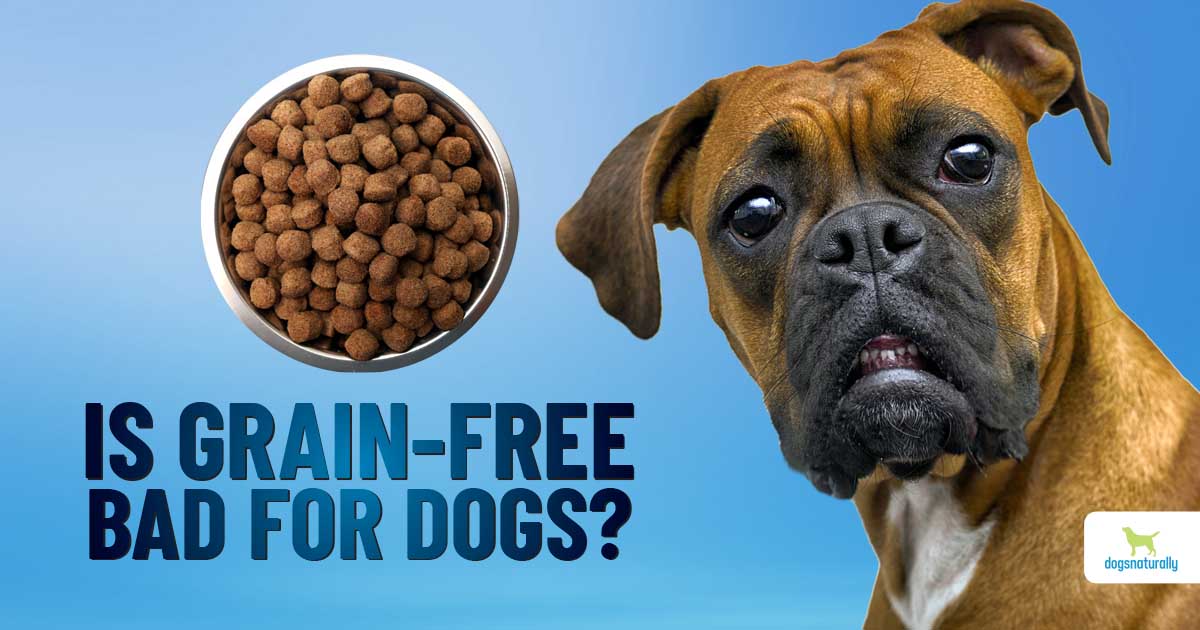
Credit: janyafertilityclinic.com
Digestive Issues Linked To Grain Free Diets
Digestive issues are a common concern with grain free diets for dogs. These diets remove grains, which can affect how dogs digest food. Dogs rely on a balanced diet to keep their digestive system healthy. Without grains, some dogs may face problems that disrupt their digestion and overall health.
Common Gastrointestinal Problems
Dogs on grain free diets often suffer from diarrhea and vomiting. These symptoms occur because their stomachs struggle to process new ingredients. Some dogs develop gas and bloating after eating grain free food. Changes in stool consistency and frequency are also common. These problems can make dogs uncomfortable and affect nutrient absorption.
Impact On Gut Microbiome
The gut microbiome is a group of helpful bacteria in the digestive tract. Grain free diets can reduce the variety of these bacteria. A less diverse microbiome means weaker digestion and a higher chance of illness. Healthy gut bacteria help break down food and support the immune system. When the balance shifts, dogs may have trouble digesting food properly.
Allergies And Sensitivities Misconceptions
Many dog owners believe grain-free diets solve allergy problems. This idea is common but often wrong. Most dogs with allergies do not react to grains. The real causes can be other ingredients in the food. Misunderstanding this can lead to poor diet choices for pets.
Are Grains Really The Culprit?
Grains like rice, oats, and barley rarely cause allergies in dogs. Studies show protein sources such as beef or chicken cause more reactions. Grains provide important nutrients and fiber. Removing grains might reduce diet variety and harm digestion. Grain-free labels can confuse owners about what truly causes allergies.
Better Allergy Management Strategies
Proper allergy testing helps identify true triggers. Limited ingredient diets with novel proteins often work better. Rotating protein sources can reduce sensitivity risks. Consult a vet before changing your dog’s diet. Avoid jumping to grain-free diets without proof of allergy.
Credit: www.aspca.org
Safe Alternatives To Grain Free Diets
Choosing the right diet for your dog is important for their health. Safe alternatives to grain free diets can provide balanced nutrition. These options support your dog’s energy and overall well-being. Healthy diets include a mix of proteins, fats, and carbohydrates. They meet your dog’s needs without unnecessary risks.
Balanced Diet Options
A balanced diet includes protein, carbohydrates, and fats in the right amounts. Grains can be a good source of energy and fiber. Whole grains like brown rice and oats are easy to digest. Many dogs thrive on diets that include grains. They help keep digestion regular and provide essential nutrients.
Commercial dog foods often use grains with high-quality proteins. This mix supports muscle health and strong bones. Balanced diets avoid extreme restrictions that might cause nutrient gaps. Your dog’s diet should support their age, size, and activity level.
Choosing Quality Ingredients
Quality ingredients matter more than grain presence or absence. Look for dog foods with real meat or fish listed first. Fresh vegetables and fruits add vitamins and antioxidants. Avoid foods with artificial fillers or too many additives. Whole grains provide natural fiber and energy for dogs.
Grain quality varies; choose foods with well-processed grains. This helps dogs digest food easier. Always check ingredient lists and nutrition facts. Choose brands that focus on natural, wholesome ingredients. This keeps your dog healthy and happy.
What Pet Owners Should Know
Many pet owners choose grain free diets thinking they are healthier for dogs. This choice can cause problems. Dogs need a balanced diet with all nutrients. Grain free diets may miss important vitamins and fiber. This can harm your dog’s health over time.
Knowing the signs of diet-related health issues helps you protect your pet. Early detection can prevent serious problems. Always watch your dog’s behavior and health closely.
Signs Of Diet-related Health Issues
Look for changes in your dog’s energy or mood. Sudden tiredness or irritability may signal a problem. Check for digestive issues like vomiting or diarrhea. Skin problems such as itching or hair loss can also appear.
Weight loss or poor muscle tone may show nutrient lack. Bad breath or dental problems might link to diet too. These signs suggest your dog’s food may not be right.
Consulting Your Veterinarian
Speak with a vet if you notice any unusual signs. A vet can check your dog’s health and diet. They may recommend tests to find nutrient deficiencies.
Vets can suggest the best diet for your dog’s needs. Follow their advice carefully to keep your pet healthy. Regular check-ups help catch problems early and keep your dog strong.
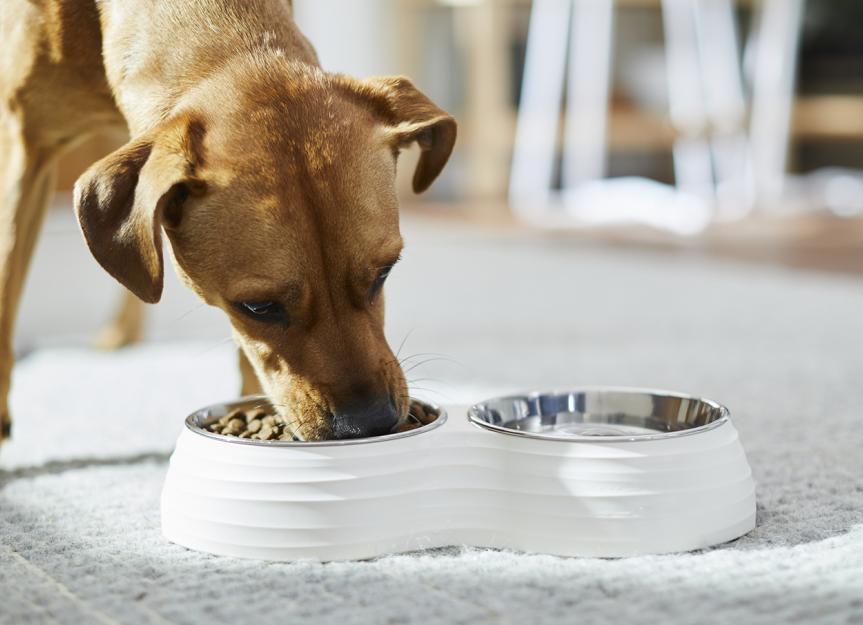
Credit: vermontmarblemuseum.org
Frequently Asked Questions
Why Are Grain Free Diets Harmful To Dogs?
Grain free diets can cause nutrient imbalances in dogs. They may lead to heart issues like dilated cardiomyopathy (DCM). Grains provide essential nutrients and fiber that support digestion and overall health in dogs.
Do Grain Free Diets Cause Heart Problems In Dogs?
Yes, studies link grain free diets to increased risk of dilated cardiomyopathy (DCM). Lack of certain nutrients in grain free food affects heart function. Always consult a vet before switching to grain free dog food.
Are Grains Necessary For A Dog’s Diet?
Grains offer important nutrients like carbohydrates, fiber, and vitamins. They support energy, digestion, and gut health. Dogs can digest grains well, making them a beneficial part of a balanced diet.
Can Dogs Be Healthy Without Grains In Their Food?
Dogs can survive without grains but may miss vital nutrients. Grain free diets must be carefully balanced to avoid deficiencies. Always choose high-quality, vet-approved food to ensure your dog’s health.
Conclusion
Grain free diets for dogs may seem healthy but can cause harm. Dogs need balanced food with grains for energy and nutrients. Skipping grains might lead to heart problems and nutrient gaps. Always choose dog food that supports overall health and growth.
Talk to your vet before changing your dog’s diet. Good nutrition keeps dogs happy and active. Think carefully about what you feed your dog every day.


