

Have you ever stopped to think about what’s really inside the dog food labeled “Adult”? You might believe it’s perfect for your furry friend, but that label can be misleading—and even harmful.
Your dog’s health depends on the right nutrition, and not all adult dog foods meet those needs. Keep reading to discover why choosing the right food matters more than you think, and how what’s in that “adult” bag could be affecting your dog’s well-being every day.
Don’t let a simple label fool you—your dog deserves better.
Credit: www.walmart.com
Misleading Labels On Dog Food
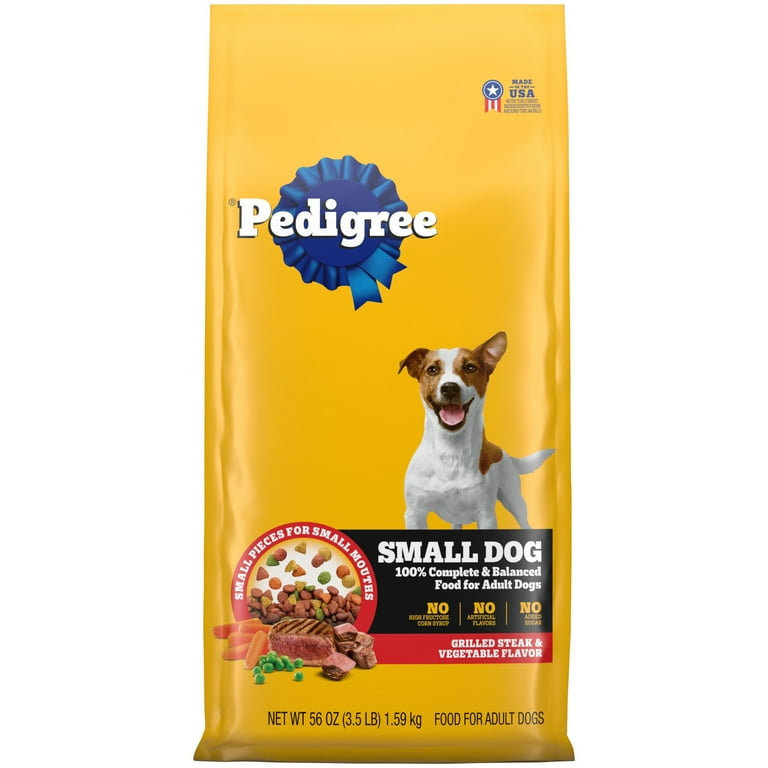
Dog food labels can confuse pet owners. The word “Adult” sounds simple. It suggests the food is good for any grown dog. But the truth behind these labels is not always clear. Many dog foods marked “Adult” do not meet all adult dogs’ needs. These misleading labels can harm your dog’s health over time.
What ‘adult’ Really Means
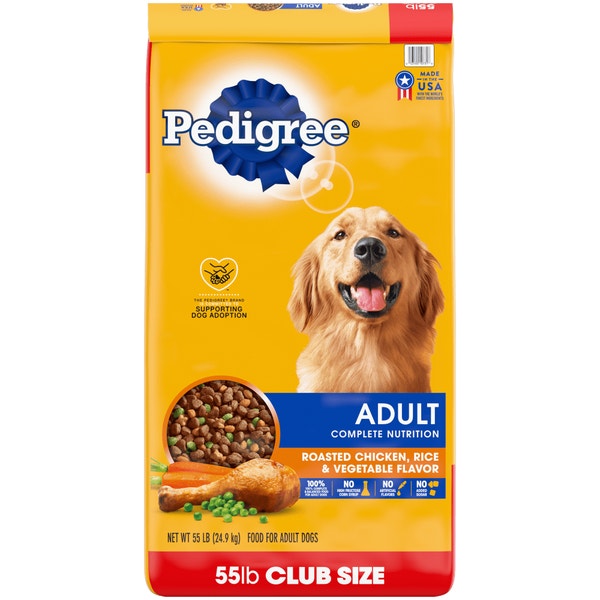
The term “Adult” on dog food means the food is for dogs older than one year. But it does not say anything about the dog’s size, breed, or health needs. Large breed dogs need different nutrients than small breeds. Some adult dogs need special diets for health problems. The label does not explain these differences. It only shows the food is not for puppies or seniors.
Marketing Tricks To Watch Out For
Companies use the word “Adult” to attract buyers fast. It sounds safe and simple. They often hide the real quality of ingredients behind fancy packaging. Some foods use low-quality fillers but still say “Adult.” The labels may not show the actual nutritional value clearly. Watch for vague phrases like “natural” or “premium” that do not have strict rules. Always check the ingredient list and guaranteed analysis to know what your dog really eats.
Nutritional Gaps In Adult Dog Food
Adult dog food often misses key nutrients dogs need daily. This gap can affect your dog’s health over time. Understanding these missing nutrients helps you choose better food.
Lack Of Essential Nutrients
Many adult dog foods lack important vitamins and minerals. Dogs need nutrients like omega-3 fatty acids for a healthy coat. They also require enough protein to build strong muscles. Without these, your dog can develop health problems. Some foods do not meet these basic needs.
Essential amino acids may be too low in adult dog food. These acids support your dog’s immune system. A weak immune system makes dogs more prone to illness. Vitamins like A, D, and E might also be missing in some brands. This lack harms your dog’s bone and skin health.
Imbalanced Ingredients Impact
Imbalanced ingredients in adult dog food cause digestion issues. Too much filler, like corn or wheat, offers little nutrition. These fillers can upset your dog’s stomach and cause allergies. Excess carbohydrates lead to weight gain and low energy. Nutrient imbalance affects your dog’s overall wellbeing.
Incorrect ratios of fats and proteins reduce food quality. Dogs need fats for energy and brain function. Without proper balance, your dog may feel tired or weak. Such imbalances limit your dog’s growth and activity levels. Choosing balanced food supports a happy, healthy dog.
Health Risks From Poor Diet
Poor diet can cause many health problems for dogs. Feeding your dog adult-labeled food without checking its quality may lead to risks. These risks affect your dog’s digestion and organs. Understanding these problems helps you choose better food for your pet.
Digestive Issues
Low-quality adult dog food often lacks proper nutrients. This can upset your dog’s stomach. Dogs may suffer from diarrhea, vomiting, and gas. Poor ingredients also slow digestion. Your dog may feel tired or lose appetite. Over time, bad digestion lowers your dog’s energy and mood.
Long-term Organ Damage
Adult dog food with poor nutrition can harm vital organs. The liver and kidneys work harder to process bad food. This stress may cause organ failure over time. Some foods contain harmful additives that worsen organ health. Long-term damage can shorten your dog’s life. Healthy food supports organs and keeps dogs strong.
Credit: www.naturesrecipe.com
Why Dogs Need Age-specific Nutrition
Dogs need different nutrition at different ages. Their bodies change, and so do their needs. Feeding the right food helps keep dogs healthy and active. Age-specific nutrition supports growth, energy, and overall wellness. Using adult dog food for all stages may cause problems.
Puppies Vs. Adults Vs. Seniors
Puppies need more protein and fat for growth. Their bones and muscles develop fast. Adult dogs need balanced nutrition to maintain weight and energy. Senior dogs need fewer calories but more joint support. Each stage demands unique nutrients for health and comfort.
Tailoring Diet To Life Stage
Choosing food made for your dog’s age is important. It matches their changing metabolism and activity level. Puppies require richer food to fuel development. Adults need food to sustain strength and vitality. Seniors benefit from diets that ease aging effects. Age-specific food improves digestion and immune health.
How To Choose Better Dog Food
Choosing the right dog food is key to your pet’s health. Many labels say “adult,” but that alone does not guarantee good nutrition. You need to dig deeper to find food that truly supports your dog’s needs. Understanding what to look for helps avoid poor-quality products.
Reading Ingredient Lists
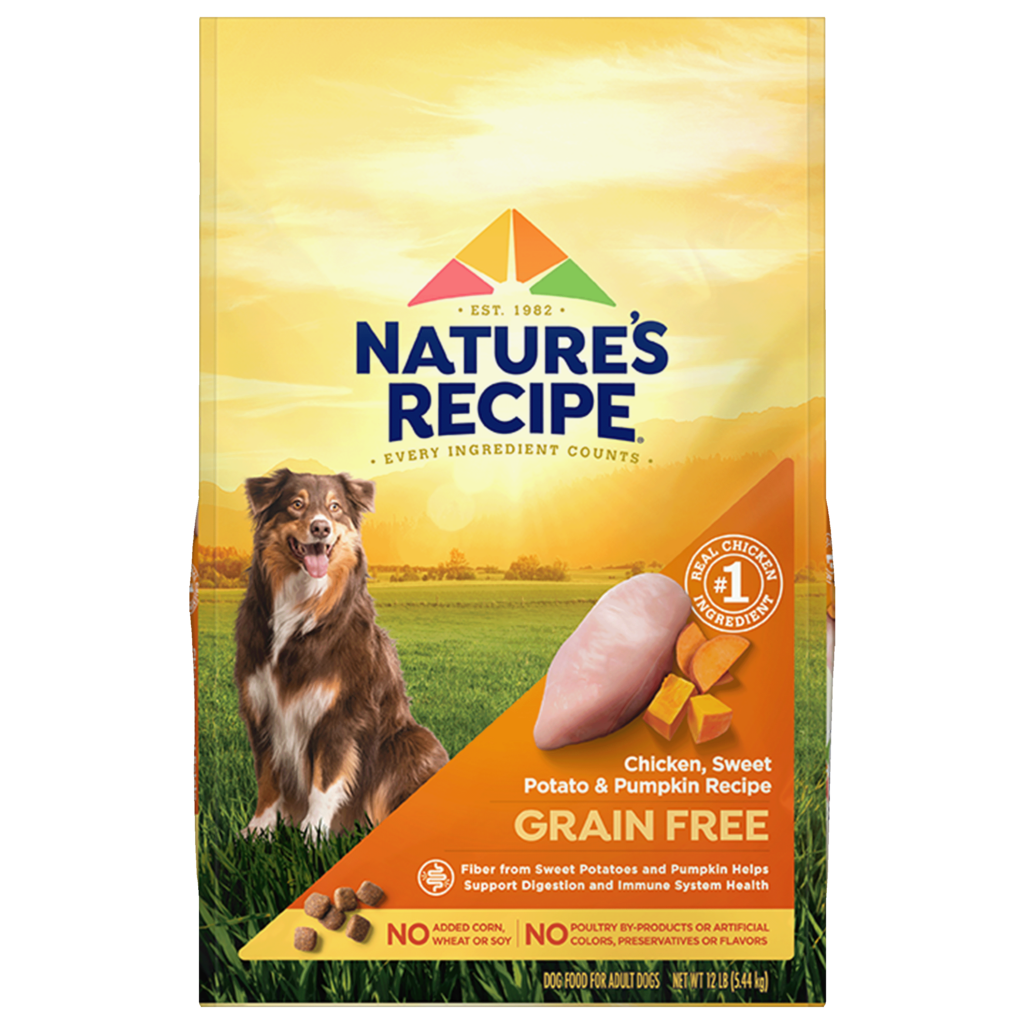
Check the first ingredients on the list. High-quality meat or meat meal should come first. Avoid foods with fillers like corn, wheat, or soy near the top. These add little nutrition and can cause allergies. Watch out for vague terms like “animal by-products.” They hide low-quality parts. Simple, clear ingredients mean better food for your dog.
Recognizing Quality Certifications
Look for certifications from trusted groups. The Association of American Feed Control Officials (AAFCO) sets nutrient standards. Their label means the food meets basic requirements. Some foods have extra certifications for organic or natural ingredients. These often show higher quality. Certified foods usually go through more testing. This helps ensure safety and nutrition for your dog.
Alternatives To Standard Adult Dog Food
Standard adult dog food often does not meet every dog’s unique needs. Some dogs require specific nutrients or have health issues that standard options cannot address. Choosing the right diet can improve your dog’s health and happiness. Exploring alternatives helps you provide better nutrition tailored to your dog’s needs.
Homemade Diet Options
Preparing homemade meals lets you control ingredients. Fresh meats, vegetables, and grains can create balanced meals. You can avoid fillers and preservatives found in many commercial foods. Consult a vet to ensure meals have all essential nutrients. Homemade diets can help dogs with allergies or sensitivities. This approach requires time and knowledge to be safe and effective.
Specialty And Prescription Diets
Specialty diets target specific health problems like kidney issues or allergies. Prescription diets are formulated by veterinary nutritionists. These diets support health conditions and improve well-being. They often contain precise nutrients and limited ingredients. Your vet can recommend the best option for your dog’s condition. Using these diets can prevent worsening of health problems.
Credit: www.pedigree.com
Frequently Asked Questions
Why Is Adult Dog Food Bad For Some Dogs?
Adult dog food may lack nutrients for puppies or seniors. It often has less protein and calories. This can cause growth delays or energy issues in dogs with specific needs.
Can Adult Dog Food Cause Health Problems?
Yes, feeding adult dog food to young or senior dogs can cause deficiencies. It may lead to weak bones, poor coat, or weight issues. Proper nutrition depends on life stage and health conditions.
How To Choose The Right Dog Food?
Select food based on your dog’s age, size, and health. Puppies need more protein and calories, seniors need joint support. Consult your vet for personalized recommendations to keep your dog healthy.
Is It Safe To Switch From Puppy To Adult Food?
Switch gradually over 7-10 days to avoid digestive upset. Monitor your dog’s weight and energy during the transition. Ensure adult food meets your dog’s nutritional needs for their life stage.
Conclusion
Choosing the right food keeps your dog healthy and happy. Adult dog food may lack key nutrients for some dogs. Puppies, seniors, and active dogs need special care in their diet. Feeding the wrong food can cause health problems over time.
Always check ingredients and dog’s needs before buying food. Good nutrition supports strong bones, shiny fur, and energy. Your dog deserves the best food for their stage of life. Pay attention to labels and consult your vet often. Healthy choices today mean a happier dog tomorrow.


