If your dog is feeling under the weather, you want to do everything you can to help them get better fast. You might be wondering if giving a liquid nutrition supplement is a safe and effective way to support your sick pup.
After all, when your furry friend isn’t eating well, finding the right nutrition can feel urgent and confusing. You’ll discover what liquid nutrition supplements can do, when they’re helpful, and what you need to watch out for. Keep reading to learn how to make the best choice for your dog’s health and recovery.

Credit: www.chewy.com
Why Liquid Nutrition Matters
Sick dogs often lose their appetite and energy. They need easy-to-digest food that provides important nutrients. Liquid nutrition supplements offer a gentle way to support their health. These supplements help fill gaps in their diet during illness.
Liquid nutrition is easier for dogs to swallow and digest. It helps keep them hydrated and nourished. This can speed up their recovery and improve their well-being. Giving liquid supplements can be a smart choice for a sick dog.
Benefits For Sick Dogs
Liquid supplements provide nutrients in a soft, easy form. Sick dogs often cannot chew solid food well. Liquids deliver calories, vitamins, and minerals quickly. They help maintain energy and support immune function. These supplements also keep dogs hydrated better than dry food. They can soothe upset stomachs and reduce nausea.
When To Consider Liquid Supplements
Use liquid nutrition if your dog refuses to eat. It is helpful during vomiting, diarrhea, or mouth pain. Dogs recovering from surgery may need liquid supplements. Older dogs with dental problems benefit from liquid nutrition too. Always check with a vet before starting any supplement. Proper use ensures your dog gets the right care.
Types Of Liquid Nutrition Supplements
Liquid nutrition supplements help sick dogs get the nutrients they need. These supplements come in different types. Each type has benefits and suits different needs. Knowing the options helps you pick the best for your dog’s health.
Some supplements you can make at home. Others you can buy from stores or vets. Both types offer ways to support a sick dog’s diet.
Homemade Options
Homemade liquid supplements use natural ingredients. Common choices include boiled chicken broth or bone broth. These provide hydration and some nutrients. You can also blend cooked vegetables and rice with water. This makes a gentle, easy-to-digest liquid food.
Homemade options let you control ingredients. They avoid additives and preservatives. Always check with a vet before trying homemade mixes. Some ingredients may not suit your dog’s illness or allergies.
Commercial Products
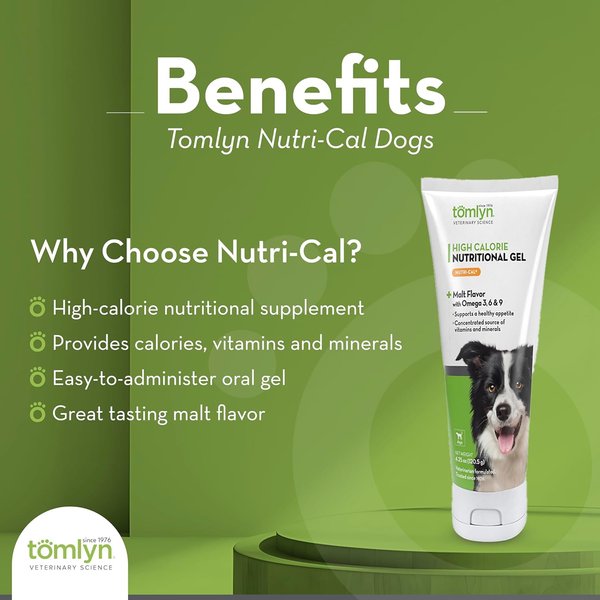
Commercial liquid supplements come ready to use. They have balanced nutrients made for dogs. These products often contain vitamins, minerals, and proteins. Many brands offer formulas for different health needs.
These supplements are easy to store and serve. They provide consistent nutrition and support recovery. Look for vet-recommended products with good reviews. Always follow the feeding instructions on the label.
Choosing The Right Supplement
Choosing the right liquid nutrition supplement for a sick dog is very important. The right supplement helps your dog get the nutrients it needs. It also supports recovery and keeps your dog strong. Not all supplements are the same. Some have better ingredients and fewer harmful substances. Knowing what to pick can make a big difference in your dog’s health.
Key Ingredients To Look For
Choose supplements with high-quality proteins. Proteins help repair tissues and build strength. Look for vitamins like A, C, and E. These boost the immune system and help healing. Minerals such as calcium and phosphorus support bones and teeth. Omega-3 fatty acids reduce inflammation and improve coat health. Digestible carbohydrates provide energy without upsetting the stomach. Natural ingredients are easier for your dog to absorb and use.
Avoiding Harmful Additives
Stay away from supplements with artificial colors or flavors. These can upset your dog’s stomach or cause allergies. Avoid added sugars and preservatives, which may harm your dog’s health. Some supplements contain fillers that add no nutrition. These can make your dog feel full but not nourished. Check labels carefully to avoid harmful chemicals. A clean, simple formula is best for sick dogs.

Credit: smart.dhgate.com
Administering Liquid Supplements
Administering liquid nutrition supplements to a sick dog helps support their health. Sick dogs often lose appetite and energy. Liquid supplements provide essential nutrients in an easy-to-digest form. Proper feeding techniques ensure the dog receives the full benefit. Following dosage guidelines keeps the dog safe and comfortable.
Safe Feeding Techniques
Choose a quiet, calm place to feed your dog. Use a syringe or dropper for better control. Gently hold your dog’s head to avoid choking. Slowly squirt the liquid into the side of their mouth. Allow your dog time to swallow before giving more. Offer small amounts frequently instead of one large dose. Watch for signs of coughing or distress. Stop feeding if your dog shows discomfort. Clean feeding tools after each use to avoid bacteria.
Dosage Guidelines
Follow the instructions on the supplement label. Dosage depends on your dog’s weight and condition. Give only the recommended amount to prevent overdose. Consult a vet for exact dosage if unsure. Split the daily dose into multiple feedings for better absorption. Monitor your dog’s reaction to the supplement. Adjust the dose only with veterinary advice. Keep a record of feeding times and amounts. Never mix supplements without vet approval.
Potential Risks And Precautions
Giving liquid nutrition supplements to a sick dog can help support their health. Still, it carries some risks that pet owners must know. Careful attention is essential to avoid harm and ensure the dog benefits from the supplement. This section covers the key risks and precautions to keep in mind.
Allergic Reactions
Dogs can have allergies to ingredients in liquid supplements. Signs include itching, swelling, or difficulty breathing. Watch your dog closely after the first dose. Stop giving the supplement if you see any unusual symptoms. Consult your vet immediately to prevent serious problems.
Overfeeding Concerns
Too much nutrition can upset a sick dog’s stomach. It can cause diarrhea or vomiting. Overfeeding may also lead to weight gain and other health issues. Follow the recommended dosage on the label or your vet’s advice. Measure the supplement carefully to avoid giving too much.
Monitoring Your Dog’s Response
Giving a liquid nutrition supplement to a sick dog requires careful observation. Monitoring helps ensure the supplement benefits your dog’s health. Watch for changes in behavior, appetite, and energy. Track how your dog responds over time. This helps you decide if the supplement is working or if you need help.
Signs Of Improvement
Look for increased energy and alertness. Notice if your dog eats more or drinks water normally. Better digestion and fewer vomiting episodes are good signs. A healthy stool is another indicator of progress. Your dog may also show more interest in play or walks. These signs show the supplement supports recovery.
When To Consult A Vet
Contact a vet if your dog refuses the supplement. Seek help if vomiting or diarrhea worsens. If your dog seems weak or very tired, get advice fast. Difficulty breathing or swelling needs immediate vet care. No improvement after several days means a vet check is important. Early vet visits prevent serious health problems.
Complementing Liquid Nutrition
Complementing liquid nutrition is important for a sick dog’s recovery. Liquid supplements provide extra nutrients and energy in an easy-to-digest form. They support the dog’s health when eating solid food is difficult. Using these supplements alongside other care methods improves hydration and nutrition.
Hydration Strategies
Keeping a sick dog hydrated is crucial. Liquid nutrition supplements help maintain fluid levels. Plain water is also necessary to prevent dehydration. Sometimes, adding broth can encourage drinking. Monitor your dog’s water intake closely. Small, frequent sips can be easier for a weak dog.
Balanced Diet Integration
Liquid supplements should not replace solid food completely. They work best as part of a balanced diet. Combine them with soft, nutritious meals to meet all dietary needs. Consult your vet to choose the right supplement. Balance helps your dog gain strength and heal faster.
Credit: www.chewy.com
Frequently Asked Questions
Can Liquid Nutrition Supplements Help Sick Dogs Recover?
Yes, liquid nutrition supplements provide essential nutrients. They support energy, hydration, and recovery in sick dogs. Always consult a vet before use.
How To Choose The Right Liquid Supplement For Dogs?
Select supplements with balanced vitamins, minerals, and protein. Check for vet recommendations and avoid harmful additives. Tailor choice to your dog’s health needs.
When Should I Give Liquid Nutrition To My Sick Dog?
Give supplements when your dog has reduced appetite or difficulty eating. They help maintain nutrition during illness or recovery phases. Follow vet guidance on timing.
Are Liquid Nutrition Supplements Safe For All Sick Dogs?
Most are safe if used as directed, but some dogs may have allergies or conditions. Always consult your vet before starting any supplement.
Conclusion
Giving a liquid nutrition supplement to a sick dog can help support recovery. Always check with your vet before starting any new supplement. Choose products made for dogs, with clear ingredients. Watch your dog closely for any changes or reactions.
Proper nutrition boosts energy and helps fight illness. Remember, supplements do not replace veterinary care. Keep your dog comfortable and follow professional advice. Small steps can make a big difference in your dog’s health. Taking care with supplements shows you care deeply.