

You want the best for your dog, and that includes feeding them the right food at the right time. But when exactly should you switch your dog to adult food?
Feeding your pup too early or too late can affect their health, energy, and growth. If you’re unsure when to make this important change, you’re not alone. Keep reading to discover the signs to look for and how to make the switch smoothly, so your dog stays happy and healthy every step of the way.
Puppy Growth Stages
Puppy growth is a fast and exciting journey. Understanding the stages helps you feed your dog properly. Each stage needs different nutrients to support healthy development. Feeding the right food at the right time is key to a strong, happy dog.
From Newborn To Weaning
Newborn puppies depend on their mother’s milk. It gives them all the nutrition they need. At about three to four weeks, puppies start to try solid food. This phase is called weaning. Begin with soft, easy-to-digest puppy food. This helps their tiny stomachs adjust to new tastes.
Rapid Growth Phase
Between two and six months, puppies grow very fast. Their bones, muscles, and organs develop quickly. They need food rich in protein and calories. Puppy food has these nutrients to support their energy and growth. Feeding adult food too soon can slow their development.
Approaching Maturity
After six months, growth slows down. Dogs start to look more like adults. Their energy needs change. Many breeds reach adult size by one year, but some larger breeds take longer. Begin to switch to adult food gradually. This helps maintain their health and weight.
Credit: www.petsmart.com
Signs Your Dog Is Ready
Knowing when to switch your dog to adult food is key for their health. Puppies need special nutrients for growth. Adult dogs require a different diet to stay fit. Watch for clear signs that your dog is ready. These signs help you decide the right time for the change.
Physical Development Markers
Check your dog’s size and weight. Most dogs reach near full size by 12 months. Look at their teeth; adult teeth usually replace puppy teeth by six months. Notice muscle tone—stronger muscles show growth progress. Coat texture also changes; adult fur is thicker and less soft.
Behavioral Changes
Your puppy’s energy may become steadier. They may be less hyperactive than before. Appetite might change, with more regular eating habits. Watch how your dog interacts; maturity shows in calmer behavior. These shifts suggest readiness for adult food.
Breed-specific Timelines
Small breeds mature faster, often by 9 to 12 months. Medium breeds switch around 12 months old. Large and giant breeds need more time, up to 18 or 24 months. Know your dog’s breed to time the food change right. Breed size affects growth and nutrient needs.
Risks Of Early Switching
Switching a puppy to adult dog food too soon can cause health problems. Puppies have special needs for growth that adult food may not meet. Feeding adult food early can lead to serious risks. Understanding these risks helps you protect your dog’s health.
Nutritional Deficiencies
Puppy food contains extra nutrients for strong bones and muscles. Adult food lacks some vitamins and minerals puppies need. Early switching can cause missing key nutrients. This may lead to weak bones and low energy. Nutritional gaps affect your puppy’s development and well-being.
Digestive Issues
Puppies’ stomachs are sensitive and still developing. Adult dog food is harder to digest for young dogs. Switching too early may cause diarrhea or upset stomach. It can also lead to vomiting or loss of appetite. A healthy digestive system is vital for growing puppies.
Growth Problems
Proper growth needs balanced food tailored for puppies. Adult food has fewer calories and proteins for growth needs. Early change can slow down bone and muscle development. It might cause your puppy to grow too slowly or unevenly. Growth problems can affect your dog’s health for life.
Risks Of Late Switching
Switching your dog to adult food too late can cause health problems. Puppies and adult dogs have different nutrition needs. Delaying the switch can affect your dog’s weight, nutrients, and teeth. Understanding these risks helps keep your dog healthy and happy.
Obesity Concerns
Puppy food has more calories for growth. Feeding it too long can lead to weight gain. Extra weight strains joints and organs. Obese dogs often have shorter lifespans. Switching on time helps keep your dog fit.
Nutrient Imbalance
Puppy food has extra protein and fat. Adult dogs need fewer calories but balanced nutrients. Late switching means too much protein and fat. This imbalance can cause digestive issues. Proper nutrition supports your dog’s energy and health.
Dental Health Impact
Puppy food is softer for growing teeth. Adult food helps clean teeth better. Staying on puppy food too long may cause plaque buildup. Poor dental health leads to bad breath and pain. Changing food timely protects your dog’s smile.
Choosing The Right Adult Food
Choosing the right adult dog food is important for your pet’s health. Adult dogs have different needs than puppies. Their food must support steady energy and maintain a healthy weight. Selecting the right food helps your dog stay active and strong.
Nutritional Needs For Adults
Adult dogs need balanced nutrients to stay healthy. Protein helps keep muscles strong. Fat gives energy and supports skin and coat health. Carbohydrates provide fuel but should be limited. Vitamins and minerals help the body work well. Choose food with all these nutrients in the right amounts.
Considering Size And Breed
Size affects what type of food your dog needs. Small breeds burn energy faster and may need more calories. Large breeds require food that supports joint health. Breed can also affect food choice. Some breeds have special needs or sensitivities. Pick food that suits your dog’s size and breed.
Reading Food Labels
Food labels show important information about ingredients. Look for named meat sources like chicken or beef. Avoid foods with too many fillers like corn or wheat. Check for added vitamins and minerals. The label also shows calorie content. This helps control your dog’s weight. Choose food with clear, quality ingredients.
Credit: www.houndsy.com
How To Transition Food Safely
Switching your dog to adult food needs care and patience. A sudden change can upset their stomach. A smooth transition keeps your dog healthy and happy. Follow these steps to change food safely.
Gradual Mixing Method
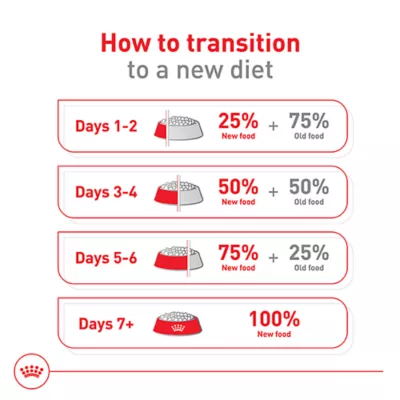
Start by mixing a small amount of adult food with puppy food. Gradually increase the adult food portion over 7 to 10 days. This helps your dog’s digestive system adjust slowly. Avoid switching all at once to prevent stomach problems.
Monitoring Your Dog’s Reaction
Watch your dog closely during the food change. Look for signs like vomiting, diarrhea, or loss of appetite. If any issues appear, slow down the transition. Give your dog time to get used to the new food. Healthy stool and energy show good adjustment.
Adjusting Portion Sizes
Adult food has different calorie levels than puppy food. Adjust your dog’s portion size based on their weight and activity. Follow feeding guidelines on the food package. Too much food causes weight gain. Too little can cause hunger and weakness.
Veterinarian Recommendations
Veterinarians play a key role in deciding when to switch your dog to adult food. They base their advice on your dog’s breed, size, and health status. Following professional guidance helps ensure your dog grows well and stays healthy. Paying attention to these recommendations avoids feeding mistakes that could harm your dog.
When To Consult A Vet
Consult your vet before changing your dog’s diet. Puppies grow at different rates. Some may need adult food earlier, others later. Your vet can check your dog’s weight, teeth, and overall health. These checks help decide the right time for the switch.
Personalized Feeding Plans
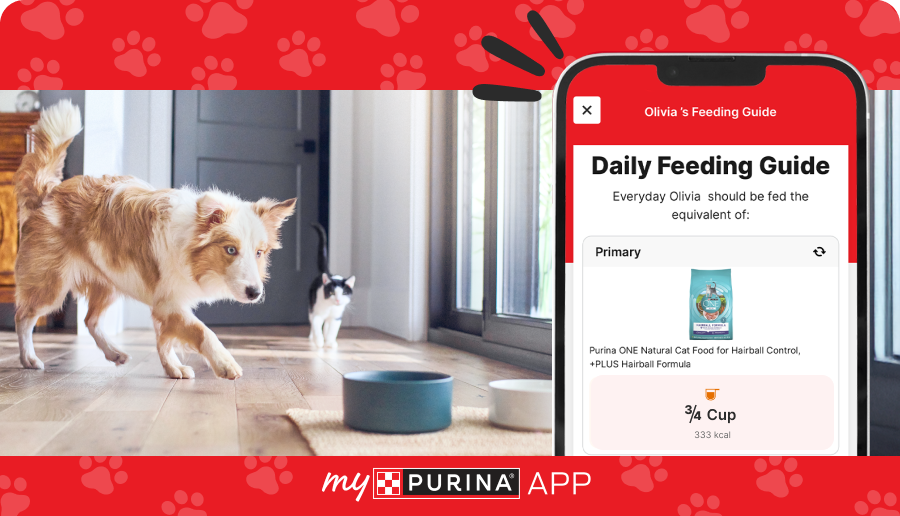
Vets create feeding plans tailored to your dog’s needs. They consider age, activity, and health issues. These plans guide you on the right food type and amount. Personalized feeding keeps your dog strong and energetic.
Regular Health Check-ups
Regular vet visits track your dog’s growth and health. These check-ups reveal if the diet suits your dog. Adjustments to food can be made based on these results. Staying updated helps prevent nutritional problems early on.
Credit: www.purina.com
Frequently Asked Questions
When Is The Right Age To Switch Dog Food?
Most dogs switch to adult food between 12 to 18 months. Larger breeds may need more time, around 18 to 24 months. This ensures proper nutrition matching their growth and energy needs.
How To Know If My Dog Needs Adult Food?
Signs include slower growth, less playfulness, and weight maintenance. Your vet can confirm when your dog’s metabolism shifts to adult stage.
Can Switching Dog Food Too Early Harm My Pet?
Yes, switching too soon can cause nutritional imbalances. Puppies need specific nutrients for growth that adult food lacks. Always consult your vet before changing diets.
Should I Transition Dog Food Gradually?
Yes, gradually mix adult food with puppy food over 7-10 days. This helps avoid digestive upset and allows your dog to adjust comfortably.
Conclusion
Switching your dog to adult food depends on their age and size. Most dogs change around one year old. Large breeds may need more time before switching. Watch your dog’s growth and energy for clues. Always introduce new food slowly to avoid upset stomach.
Consult your vet for the best advice. Healthy food supports your dog’s strong body and bright mind. Careful timing helps your dog stay happy and healthy. Choose the right food to keep them active every day.


