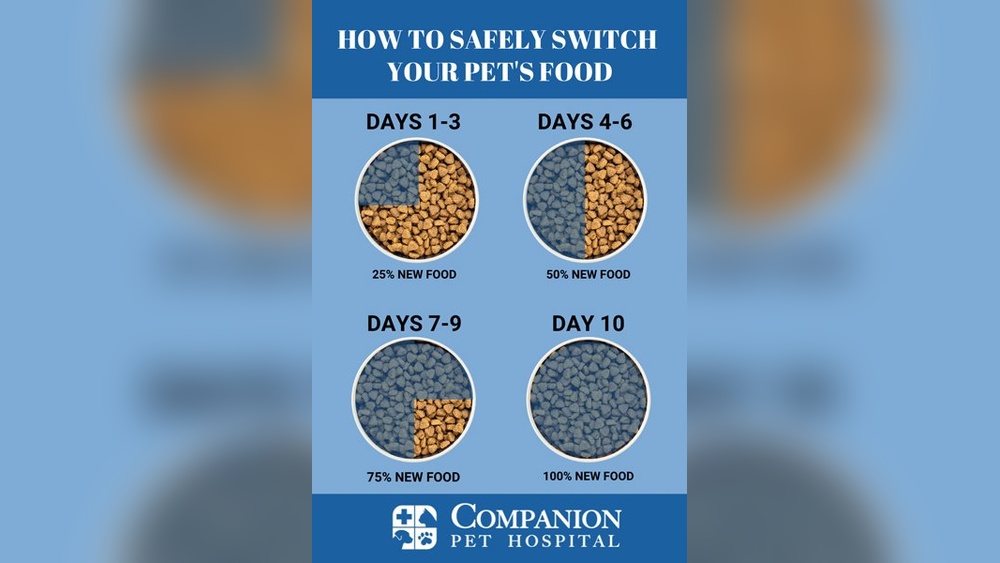
Are you tired of wondering what’s really in your dog’s food? Imagine giving your furry friend meals made with ingredients you trust, tailored just for their taste and health.
Making homemade dog food recipes isn’t as hard as it sounds, and it can transform your pet’s energy, coat, and happiness. You’ll discover simple steps and tasty recipes that will have your dog wagging their tail for every meal. Ready to take control of your dog’s diet and see the difference homemade food can make?
Keep reading—you won’t want to miss these easy, nutritious ideas.
Benefits Of Homemade Dog Food
Making dog food at home has many benefits for both dogs and owners. It gives a chance to feed pets fresh and healthy meals. Owners can feel confident about what their dogs eat. This way, dogs get more energy and better health.
Homemade dog food also helps avoid harmful additives and fillers found in some commercial foods. It lets owners tailor meals to their dog’s needs and preferences. This personal touch can improve digestion and skin health.
Nutritional Advantages
Homemade food offers fresh, natural ingredients full of vitamins and minerals. Dogs get balanced nutrients from real meat, vegetables, and grains. This helps maintain strong bones and a shiny coat. Nutritional balance supports healthy weight and energy levels too.
Control Over Ingredients
Owners decide exactly what goes into each meal. This prevents allergies or reactions to certain foods. It also avoids preservatives, artificial colors, and fillers. Control means feeding only high-quality, safe ingredients. Dogs enjoy tastier meals made just for them.
Cost-effectiveness
Homemade dog food can save money over time. Buying ingredients in bulk often costs less than commercial dog food. It also reduces vet bills by supporting better health. Cooking at home means fewer worries about harmful additives. This makes feeding dogs both healthy and affordable.
Essential Nutrients For Dogs
Dogs need a balanced diet to stay healthy and active. Homemade dog food must include essential nutrients. These nutrients support growth, energy, and overall wellness. Understanding these nutrients helps create safe and tasty meals for your dog.
Proteins And Fats
Proteins build strong muscles and repair body tissues. Good sources include chicken, beef, and fish. Fats provide energy and keep the coat shiny. Healthy fats come from fish oil and flaxseed. Both proteins and fats are vital for your dog’s health.
Carbohydrates And Fiber
Carbohydrates give dogs energy to play and move. Rice, sweet potatoes, and oats are good options. Fiber helps digestion and prevents constipation. Vegetables like carrots and green beans add fiber. Balance carbs and fiber for steady energy and gut health.
Vitamins And Minerals
Vitamins keep the immune system strong and bones healthy. Minerals support nerve function and muscle activity. Fruits and vegetables supply many vitamins and minerals. Supplements may be needed for a complete diet. Proper vitamins and minerals keep dogs feeling their best.
Safe Ingredients To Use
Choosing safe ingredients is key to making healthy homemade dog food. Dogs need balanced meals with nutrients from different food groups. Some human foods can harm dogs. Knowing which ingredients are safe helps keep pets healthy and happy.
Proteins: Meat And Alternatives
Protein builds strong muscles and supports health. Cooked chicken, turkey, and lean beef are good choices. Fish like salmon provides healthy oils. Avoid raw meat to prevent bacteria. Eggs are a great protein alternative. Plain cottage cheese can add protein too.
Vegetables And Fruits
Vegetables give fiber, vitamins, and minerals. Carrots, green beans, and peas are safe options. Sweet potatoes are tasty and easy to digest. Apples add sweetness and fiber. Remove seeds and cores from fruits. Avoid onions, garlic, grapes, and raisins as they are toxic.
Grains And Supplements
Grains add energy and fiber. Brown rice, oats, and quinoa work well. Avoid wheat if your dog has allergies. Supplements like fish oil boost skin and coat health. Calcium from eggshell powder or plain yogurt supports bones. Speak with a vet before adding new supplements.

Credit: cleananddelicious.com
Ingredients To Avoid
Choosing the right ingredients is very important when making homemade dog food. Some foods can harm your dog even in small amounts. Knowing what to avoid helps keep your dog safe and healthy.
Toxic Foods For Dogs
Chocolate is very dangerous for dogs. Grapes and raisins can cause kidney failure. Onions and garlic may lead to anemia. Xylitol, found in sugar-free gum, can cause low blood sugar and liver damage. Avoid these foods completely in homemade meals.
Harmful Additives
Artificial sweeteners and preservatives can upset your dog’s stomach. Some additives cause allergies or long-term health problems. Avoid foods with MSG, artificial colors, and flavors. Use fresh, natural ingredients for better health.
Allergen Considerations
Some dogs react badly to common proteins like beef or chicken. Wheat and corn can cause allergies too. Watch for signs like itching, redness, or stomach upset. Choose ingredients that fit your dog’s needs and avoid allergens.
Simple Homemade Dog Food Recipes
Simple homemade dog food recipes are a great way to feed your pet fresh, healthy meals. These recipes use easy-to-find ingredients and take little time to prepare. Cooking for your dog ensures control over what they eat. It can help avoid fillers and additives found in some commercial foods.
Here are three easy recipes that balance protein, vegetables, and carbohydrates. Each dish provides essential nutrients for your dog’s well-being.
Chicken And Rice Mix
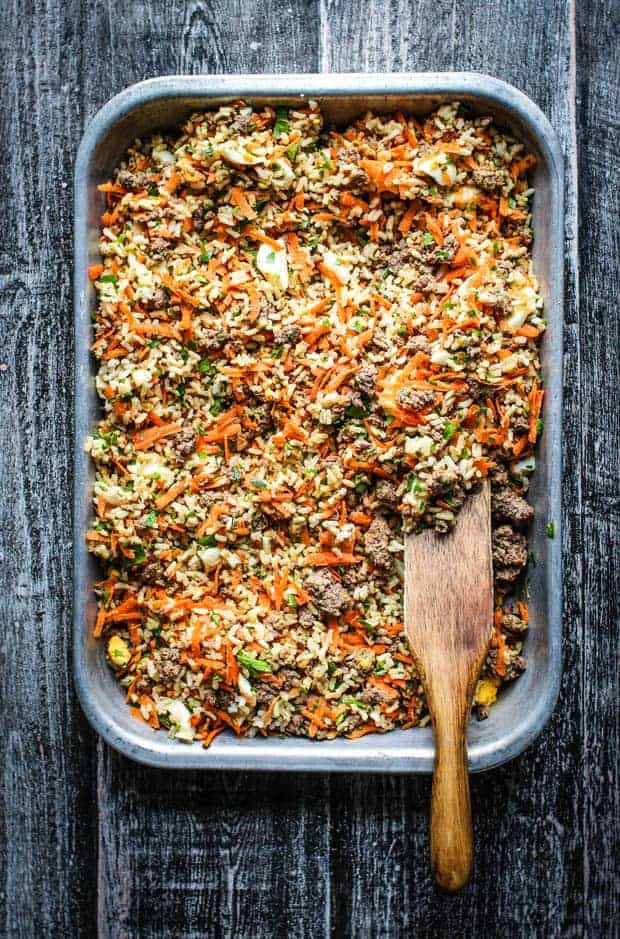
Cook one cup of white rice until soft. Boil two chicken breasts, then shred them. Mix the chicken with rice and add a cup of steamed carrots. Let it cool before serving. This meal is gentle on the stomach and good for dogs with digestion issues.
Beef And Vegetable Stew
Brown half a pound of lean ground beef in a pan. Add chopped green beans, peas, and diced sweet potato. Pour in two cups of water and simmer until vegetables are tender. Cool the stew before serving. This hearty meal offers protein and fiber your dog needs.
Fish And Sweet Potato Bowl
Bake a salmon fillet until fully cooked. Boil one large sweet potato and mash it well. Flake the salmon and mix it with the sweet potato. Add a spoonful of cooked spinach for extra vitamins. Serve at room temperature for a tasty, nutritious meal.
Preparation Tips And Storage
Preparing homemade dog food requires careful planning and proper storage. These steps keep the food safe and nutritious for your pet. Following simple tips helps maintain the quality and flavor of each meal.
Cooking Methods
Choose gentle cooking methods like boiling or steaming. These keep nutrients intact and make food easy to digest. Avoid frying or using too much oil. Cook meat thoroughly to kill harmful bacteria. Cut ingredients into small pieces for even cooking.
Portion Control
Measure each meal according to your dog’s size and activity level. Overfeeding can cause weight gain and health problems. Use a kitchen scale or measuring cup for accuracy. Divide daily portions into two or three meals. This keeps your dog’s energy steady throughout the day.
Storage And Shelf Life
Store homemade dog food in airtight containers. Keep them in the refrigerator for up to three days. For longer storage, freeze portions in safe containers or bags. Label each container with the date to track freshness. Thaw frozen food in the fridge before serving. Never leave homemade food out at room temperature for more than two hours.
Adjusting Recipes For Different Dogs
Adjusting homemade dog food recipes is essential for each dog’s unique needs. Dogs vary by age, size, and health. Their food should reflect these differences. Tailoring recipes ensures your dog stays healthy and happy.
Puppies Vs. Adult Dogs
Puppies need more calories and nutrients for growth. Their food should have higher protein and fat. Include ingredients like chicken, eggs, and rice. Avoid too many vegetables, as puppies digest them slowly. Adult dogs need balanced meals with moderate protein and fat. Use lean meats and whole grains for adults. Adjust portion sizes based on activity level and breed size.
Senior Dog Nutrition
Senior dogs require food that supports joint health and digestion. Add supplements like fish oil or glucosamine if needed. Use easily digestible proteins such as turkey or fish. Lower fat content helps prevent weight gain. Include fiber-rich vegetables to aid digestion. Keep portion sizes smaller to match slower metabolism.
Weight Management Recipes
For overweight dogs, focus on low-calorie but filling foods. Use lean proteins like white fish or chicken breast. Include vegetables like green beans and carrots. Avoid high-fat ingredients and treats. Control portion size strictly. Regular feeding times help regulate metabolism and prevent overeating.

Credit: talosmart.com
Consulting Your Vet
Consulting your vet is a key step before making homemade dog food recipes. Your vet knows your dog’s health history and specific needs. This guidance helps you create meals that support your pet’s wellbeing. Avoid guesswork. Professional advice ensures balanced nutrition and safety.
Nutritional Assessment
Your vet can assess your dog’s nutritional needs. They consider age, weight, breed, and activity level. This helps tailor recipes to provide essential vitamins and minerals. Proper nutrition prevents health issues and supports growth and energy.
Allergy Testing
Allergy testing identifies foods that may harm your dog. Some dogs react to common ingredients like chicken or grains. Tests reveal safe options and foods to avoid. This prevents allergic reactions and keeps your dog comfortable.
Monitoring Health Changes
After starting homemade meals, track your dog’s health closely. Your vet can help monitor weight, coat condition, and energy. Regular check-ups catch problems early. Adjust recipes as needed to maintain good health over time.
Credit: thismessisours.com
Frequently Asked Questions
What Ingredients Are Safe For Homemade Dog Food?
Safe ingredients include lean meats, rice, vegetables like carrots, and pumpkin. Avoid onions, garlic, chocolate, and grapes as they are toxic to dogs. Always consult your vet before changing your dog’s diet.
How Do I Balance Nutrients In Homemade Dog Food?
Include protein, carbohydrates, fats, vitamins, and minerals in every meal. Use varied ingredients like chicken, rice, vegetables, and supplements. Consult a vet or pet nutritionist to ensure the meal meets your dog’s specific needs.
Can Homemade Dog Food Improve My Pet’s Health?
Yes, homemade meals can improve digestion, coat quality, and energy. Fresh ingredients reduce fillers and preservatives found in commercial food. Always ensure balanced nutrition to avoid deficiencies or excesses.
How Often Should I Feed My Dog Homemade Food?
Feed adult dogs twice daily; puppies may need three to four meals. Portion size depends on your dog’s size, age, and activity level. Consult your vet for personalized feeding schedules.
Conclusion
Making homemade dog food can be simple and rewarding. You control what your dog eats every day. Fresh ingredients help keep your dog healthy and happy. Start with easy recipes and learn as you go. Always check with your vet to meet your dog’s needs.
Cooking at home shows love and care in every meal. Try different recipes to find what your dog enjoys most. Homemade food can be a great way to bond with your pet. Give it a try and see the difference in your dog’s life.