

Are you unsure about how much food your adult dog really needs every day? Feeding your dog the right amount is crucial for their health and happiness.
Too much food can lead to weight gain and health problems, while too little can leave them hungry and weak. You’ll discover simple tips to find the perfect feeding balance tailored just for your furry friend. Keep reading to learn how to keep your dog healthy, energetic, and thriving with the right portion size.
Credit: www.bowlerspets.com
Factors Affecting Dog Food Portions
Determining the right amount of food for an adult dog depends on many factors. Each dog is unique. These factors help decide the proper portion size. Feeding the right amount keeps your dog healthy and happy.
Breed And Size
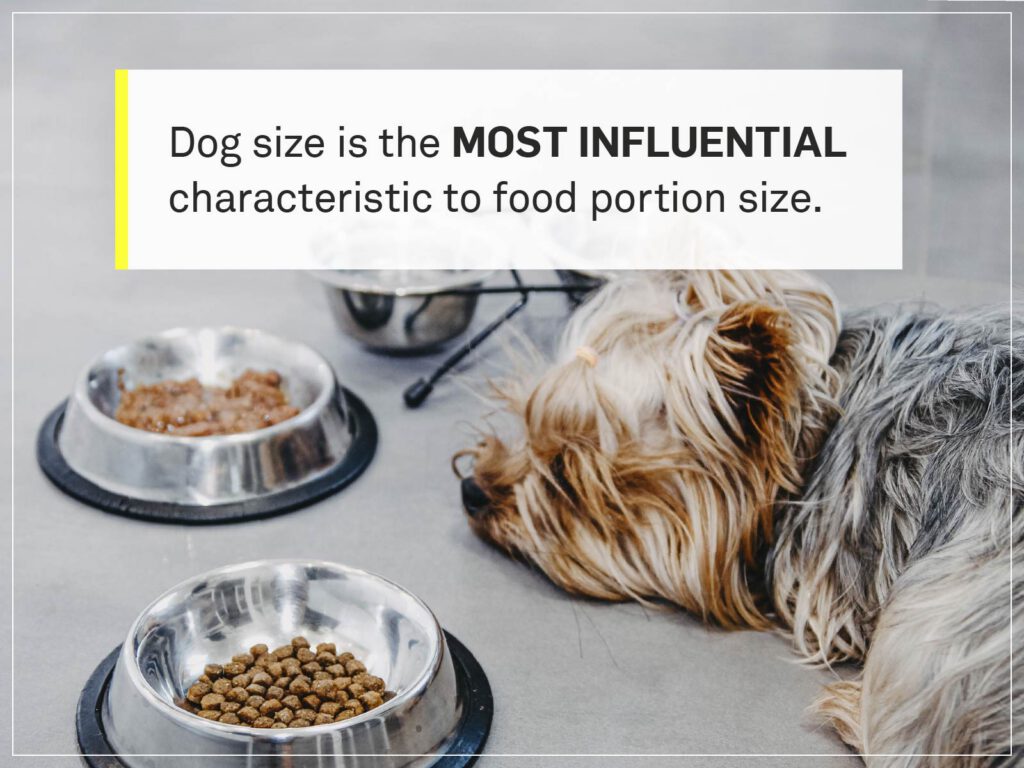
Breed and size play a big role in food portions. Larger dogs need more calories than small dogs. Small breeds eat less but more often. Giant breeds require special diets for their size.
Age And Activity Level
Age affects how much food a dog needs. Older dogs usually need fewer calories. Active dogs burn more energy and need more food. Sedentary dogs need less to avoid weight gain.
Health Conditions
Health problems change a dog’s diet. Dogs with certain conditions need special food amounts. Weight issues require portion control. Some illnesses need more nutrients or fewer calories.
Metabolism Differences
Metabolism varies from dog to dog. Some dogs burn calories faster than others. A fast metabolism means more food is needed. Slow metabolism dogs should have smaller portions.
Credit: www.gallant.com
Calculating Daily Food Amount
Calculating the right daily food amount for your adult dog is important. It helps keep your dog healthy and active. Dogs need the right balance of nutrients and calories. Feeding too much or too little can cause problems. This section shows simple ways to find the right amount of food for your dog every day.
Using Weight-based Guidelines
Start by knowing your dog’s weight. Most dog foods have feeding charts on the package. These charts suggest food amounts based on weight. For example, a 30-pound dog might need 1 to 1.5 cups of food daily. Use these guidelines as a starting point. Remember, every dog is different, so adjust as needed.
Considering Caloric Needs
Calories fuel your dog’s body and activity. Active dogs need more calories than less active ones. Puppies and pregnant dogs need more calories too. Check the calories per cup on your dog food label. Multiply by the suggested amount to find daily calories. Match this to your dog’s energy level for best results.
Adjusting For Treats And Extras
Treats and extras add calories too. Too many treats can cause weight gain. Count treats as part of your dog’s daily food allowance. Reduce meal size if you give many treats. Healthy treats in small amounts work best. Keep treats under 10% of daily calories.
Types Of Dog Food And Serving Sizes
Choosing the right type of food and the correct serving size is key to keeping your adult dog healthy. Different foods have different calorie amounts. Serving sizes depend on the food type and your dog’s weight. Understanding these details helps feed your dog the right amount every day.
Dry Kibble
Dry kibble is the most common dog food. It is easy to store and serve. Kibble has more calories per cup than wet food. Measure kibble with a standard cup for accuracy. Most adult dogs need between one and three cups daily. Check the packaging for specific serving sizes based on weight.
Wet Food
Wet food contains more moisture and fewer calories per serving. Dogs often find it tastier than dry food. Serving sizes are usually given in cans or pouches. A typical adult dog may eat one to two cans per day. Mix wet food with dry kibble to balance texture and nutrition.
Raw And Homemade Diets
Raw and homemade diets offer fresh ingredients. These diets need careful portion control to avoid overfeeding. Consult a vet for exact serving sizes. Portion sizes depend on meat, vegetables, and supplements used. Feeding raw or homemade food requires more preparation but can be healthy.
Signs Of Overfeeding And Underfeeding
Feeding the right amount of food to an adult dog is important for their health. Too much or too little food can cause problems. Dogs show signs when they are overfed or underfed. Recognizing these signs helps keep dogs healthy and happy.
Weight Gain And Obesity Risks
Overfeeding makes dogs gain extra weight quickly. This can lead to obesity, a serious health risk. Obese dogs often have trouble moving and can develop heart disease. Watch for a thick waist and difficulty breathing. Regular weight checks help catch weight gain early.
Weight Loss And Nutrient Deficiency
Underfeeding causes dogs to lose weight and energy. They may appear thin and weak. Lack of important nutrients can harm their bones and muscles. Check for dull fur and slow healing of wounds. Sudden weight loss needs a vet’s attention right away.
Behavioral Indicators
Changes in behavior also show feeding issues. Overfed dogs may become lazy or less active. Underfed dogs often act restless or hungry all the time. Some dogs beg or search for food more than usual. Watch for these signs to adjust their diet quickly.
Tips For Feeding Routine
Establishing a good feeding routine helps your dog stay healthy. It supports digestion and controls weight. A clear routine also reduces begging and anxiety during meal times.
Here are some helpful tips to create a smooth feeding schedule for your adult dog.
Meal Frequency
Feed adult dogs twice a day, once in the morning and once in the evening. This keeps energy steady and prevents overeating. Avoid free feeding to control portions better.
Portion Control Tools
Use measuring cups or a kitchen scale to give the right amount of food. Check the dog food label for portion guidelines. Adjust amounts based on your dog’s activity and weight.
Consistency And Monitoring
Feed your dog at the same times daily. Consistency helps digestion and behavior. Watch your dog’s weight and energy levels. Change food portions if you notice weight gain or loss.
Adjusting Portions Over Time
Adjusting your dog’s food portions over time is important for their health and happiness. Dogs’ needs change with their activity, age, and health. Feeding the right amount helps keep their weight steady and energy up. Watch your dog closely and change portions as needed. Small changes can make a big difference.
Seasonal Activity Changes
Dogs often move more in warmer months. They may run, play, and walk longer. This burns more calories. Increase their food a little during active seasons. In colder months, dogs may rest more. Lower their food to avoid weight gain. Always check your dog’s body condition. Adjust portions based on energy levels and weight.
Aging And Health Updates
Older dogs usually need less food. Their metabolism slows down with age. They may also be less active. Feed smaller portions to prevent extra weight. Some senior dogs need special diets. Talk to your vet about health changes. Monitor weight and adjust food accordingly. Keep your aging dog fit and comfortable.
Post-illness Or Surgery Needs
After sickness or surgery, dogs need care. Their appetite may drop or rise. Follow your vet’s advice for feeding. Sometimes smaller, frequent meals work best. Nutrients help healing and regain strength. Gradually return to normal portions as your dog recovers. Watch for any changes in eating habits. Adjust food to support their health during recovery.
Credit: www.petsmart.com
Frequently Asked Questions
How Much Food Should I Feed My Adult Dog Daily?
Feed your adult dog based on weight, age, and activity level. Typically, 2-3% of their body weight in food per day is ideal. Adjust portions if your dog gains or loses weight to maintain a healthy condition.
What Factors Affect Adult Dog Food Quantity?
Age, weight, breed, activity level, and metabolism affect food needs. Active dogs require more calories, while older or less active dogs need less. Always consider your dog’s health and consult a vet for precise feeding amounts.
Can Feeding Too Much Food Harm My Adult Dog?
Yes, overfeeding can lead to obesity, joint issues, and health problems. Maintaining proper portion control helps keep your dog fit and energetic. Monitor weight regularly and adjust food quantity accordingly.
How Often Should I Feed My Adult Dog?
Feed adult dogs twice daily, morning and evening. This routine helps regulate metabolism and digestion. Avoid free-feeding to prevent overeating and maintain consistent energy levels throughout the day.
Conclusion
Feeding your adult dog the right amount supports their health and happiness. Watch their weight and energy to adjust portions as needed. Quality food and regular meals keep dogs strong and active. Consult a vet for personalized advice. Small changes make a big difference.
Healthy dogs are happy dogs. Keep feeding simple and consistent. Your dog will thank you with love and loyalty.


