

Are you wondering why your puppy’s food looks so different from what you buy for your adult dog? It’s not just about size or taste—your furry friend’s nutritional needs change as they grow.
Feeding your dog the right food at the right stage can affect their health, energy, and happiness. If you want to give your dog the best start in life and keep them healthy as they age, understanding the difference between puppy and adult dog food is key.
Keep reading to discover what sets them apart and how you can make the best choice for your loyal companion.

Credit: blog.thepetstable.com
Nutritional Needs
Puppies and adult dogs have different nutritional needs. Their bodies grow and change at different rates. Feeding the right food helps them stay healthy and strong. Nutrition supports their energy, growth, and overall well-being. Understanding these needs is key to choosing the right diet.
Calorie Requirements
Puppies need more calories than adult dogs. Their bodies burn energy quickly for growth and play. Adult dogs require fewer calories to maintain weight. Feeding too many calories to adults can lead to obesity. Adjusting calorie intake based on age supports a healthy body.
Protein And Fat Content
Puppy food contains higher protein to build muscles and tissues. Fat is also higher to provide energy for growth. Adult dog food has less protein and fat to prevent weight gain. Balanced protein and fat levels keep dogs fit and active.
Vitamins And Minerals
Puppies need more vitamins and minerals for bone growth and brain development. Calcium and phosphorus levels are important for strong bones. Adult dogs need vitamins to support immune health and energy. Proper nutrients help dogs live longer, healthier lives.
Credit: www.acanapetfoods.co.uk
Ingredients In Puppy Food
Puppy food has special ingredients designed for young dogs. These ingredients support fast growth and strong health. Puppies need different nutrition than adult dogs. Their bodies are still growing and changing. The right ingredients help puppies build bones, muscles, and energy stores. Understanding these ingredients helps pet owners choose the best food for their young dogs.
Growth-boosting Nutrients
Puppy food contains extra protein to support muscle growth. It also has more fat for energy and brain development. Calcium and phosphorus are balanced carefully to help bones grow strong. Vitamins like A and D improve vision and immune health. These nutrients work together to help puppies grow healthy and active.
Digestibility Factors
Puppy food is easier to digest than adult dog food. It uses high-quality ingredients that break down quickly. Smaller pieces in the food help puppies chew and swallow better. Digestive enzymes may be added to aid nutrient absorption. This ensures puppies get the most from every meal for healthy growth.
Ingredients In Adult Dog Food
Adult dog food contains ingredients designed to support a dog’s health and energy needs after puppyhood. These ingredients focus on keeping the dog strong and maintaining its overall well-being. The formula balances nutrients to match the activity level of adult dogs. Ingredients also help support healthy skin, a shiny coat, and good digestion.
Maintenance Nutrients
Adult dog food includes proteins to maintain muscle mass and repair tissues. Fats provide energy and help absorb vitamins. Carbohydrates offer a steady energy supply without excess calories. Vitamins and minerals keep bones strong and support the immune system. Fiber aids in digestion and helps keep stools firm. These nutrients work together to keep your dog healthy every day.
Weight Management Components
Many adult dog foods contain ingredients to control weight. Lower fat content prevents unnecessary weight gain. Added fiber helps dogs feel full longer, reducing overeating. Some formulas include special ingredients to boost metabolism. Maintaining a healthy weight reduces risks of joint problems and heart disease. These components help your dog stay fit and active.
Feeding Guidelines
Feeding guidelines are crucial for the healthy growth of puppies and the well-being of adult dogs. Proper feeding supports their energy levels, growth, and overall health. Puppies and adult dogs have different nutritional needs, which affect how much and how often they should eat.
Portion Sizes
Puppies need more calories per pound than adult dogs. Their food portion should be smaller but given more often. Adult dogs require fewer calories to maintain their weight. Overfeeding adult dogs can lead to obesity and health issues. Always follow the recommended portion on the food package. Adjust portions based on your dog’s size, activity, and age.
Feeding Frequency
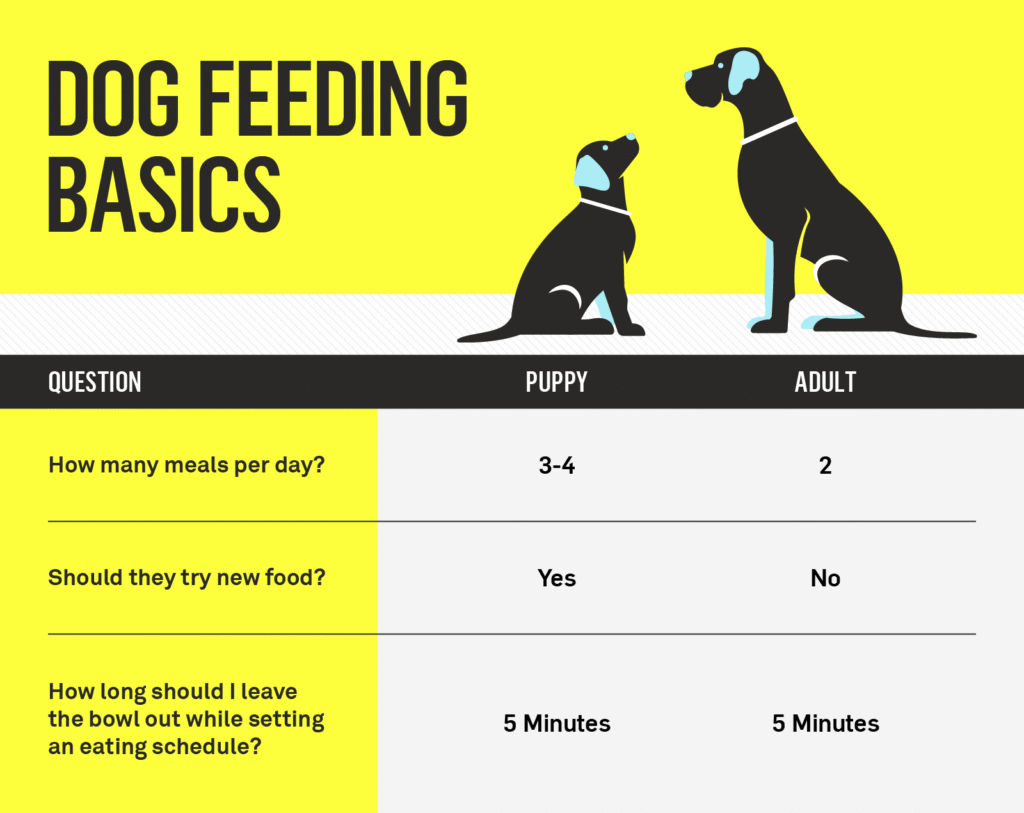
Puppies should eat three to four times a day. This helps them digest food better and keeps energy steady. Adult dogs usually eat once or twice daily. Regular feeding times help keep their metabolism steady. Avoid leaving food out all day to prevent overeating. Consistent feeding schedules support good digestion and behavior.
Health Implications
Choosing the right food for your dog affects their health deeply. Puppy food and adult dog food have different ingredients for a reason. The wrong choice can lead to health issues. Understanding these differences helps you keep your dog strong and happy.
Impact On Growth
Puppies need extra nutrients to build bones and muscles. Puppy food has more protein and calories to support fast growth. Adult dog food lacks these extra nutrients. Feeding adult food to puppies can slow their growth and weaken bones.
Risk Of Obesity
Adult dogs need fewer calories than puppies. Puppy food has more calories to help pups grow. Feeding adult dogs puppy food can cause weight gain. Obesity leads to joint problems and lowers life quality. Adult dog food helps keep your dog at a healthy weight.
Dental Health
Puppies have soft teeth and gums. Their food is softer to protect their mouth. Adult dog food is harder to clean teeth. Hard food helps reduce plaque and tartar. Feeding the wrong type can harm your dog’s dental health.
Transitioning Between Foods
Transitioning between puppy and adult dog food is an important step in your dog’s growth. The change must be smooth to avoid stomach problems. Dogs need time to adapt to new food types and nutrients. A sudden switch can cause upset tummies or refusal to eat.
Planning this transition carefully helps keep your dog healthy and happy. It also supports their digestive system as they grow. Understanding when and how to switch food makes this process easier.
When To Switch
Most puppies switch to adult food between 9 and 12 months old. Large breeds may need to switch later, around 12 to 18 months. This timing depends on your dog’s size and breed. Consult your vet to find the right moment. Signs like slower growth or less play can also guide you.
How To Switch Gradually
Mix small amounts of adult food with puppy food at first. Start with 25% adult food and 75% puppy food. Over 7 to 10 days, increase adult food and decrease puppy food. Watch your dog’s reaction during this time. If there are no issues, keep increasing the adult food portion. This slow change helps avoid digestive upset and picky eating.
Credit: www.gallant.com
Frequently Asked Questions
What Nutrients Differ Between Puppy And Adult Dog Food?
Puppy food contains higher protein, fat, and calories to support growth. Adult dog food has balanced nutrients for maintenance and health. Puppies need more vitamins and minerals for development, while adults require fewer calories to prevent weight gain.
Why Is Puppy Food Higher In Calories Than Adult Dog Food?
Puppies burn more energy growing and exploring, needing extra calories. Adult dogs have slower metabolism and lower energy needs. Feeding adult dog food to puppies can lead to nutrient deficiencies and slow growth.
Can Adult Dog Food Be Given To Puppies?
Adult dog food is not ideal for puppies. It lacks essential nutrients and calories for growth. Feeding adult food to puppies may cause malnutrition and developmental problems. Always choose age-appropriate food for proper health.
When Should I Switch From Puppy To Adult Dog Food?
Switching is recommended around 12 months old or as advised by your vet. Large breeds may need longer on puppy food. Transition gradually to avoid digestive upset and ensure balanced nutrition for maturity.
Conclusion
Puppy food and adult dog food serve different needs. Puppies need extra nutrients to grow strong and healthy. Adult dogs require balanced food to maintain their health. Feeding the right food supports energy and body functions. Choose food based on your dog’s age and size.
This helps avoid health problems later on. Always check ingredients for quality and nutrition. Feeding your dog well shows you care. Healthy dogs live happier, longer lives. Keep learning to give your dog the best care.

