Choosing the right food for your dog is one of the most important decisions you’ll make as a pet owner. You want to ensure your furry friend gets the best nutrition possible to stay healthy, happy, and full of energy.
But with so many options on the market, how do you know which dog food truly offers the highest nutritional quality? This article will help you cut through the noise and find the perfect food that meets your dog’s needs.
Keep reading to discover what makes a dog food stand out and how you can make the best choice for your loyal companion.
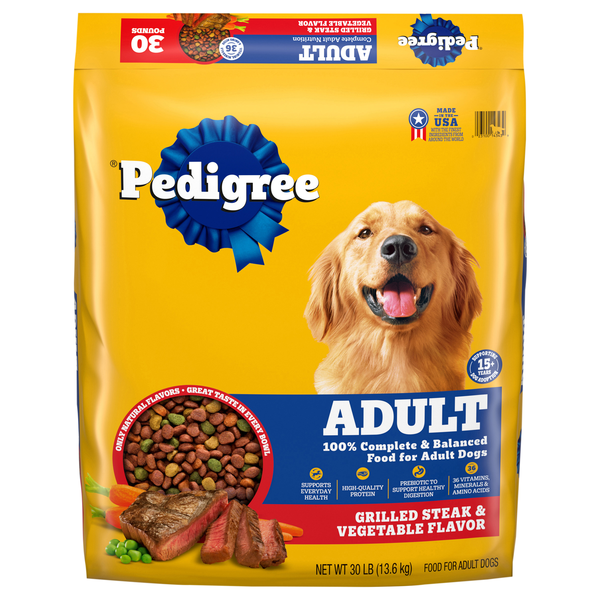
Credit: foodlion.com
Criteria For Nutritional Quality
Choosing dog food with high nutritional quality means checking several key factors. These factors ensure your dog gets the right balance of nutrients. Good nutrition supports your dog’s health, energy, and longevity. Understanding these criteria helps you pick the best food for your pet’s needs.
Essential Nutrients For Dogs
Dogs need a mix of nutrients to stay healthy. Proteins, fats, carbohydrates, vitamins, and minerals all play roles. Each nutrient supports different body functions. Balanced nutrients keep your dog’s immune system strong and organs working well.
Protein Sources And Quality
Proteins build muscles and repair tissues. High-quality protein comes from real meat or fish. Look for named meat sources like chicken or salmon. Avoid vague terms like “meat by-products.” Good protein should be digestible and rich in amino acids.
Fats And Fatty Acids
Fats provide energy and help absorb vitamins. Omega-3 and omega-6 fatty acids support skin and coat health. Healthy fats reduce inflammation and boost brain function. Check for sources like fish oil or flaxseed oil in the ingredients.
Vitamins And Minerals
Vitamins and minerals keep bones strong and blood healthy. Dogs need vitamins A, D, E, and B-complex, plus minerals like calcium and zinc. These nutrients help with growth, nerve function, and metabolism. Proper amounts prevent deficiencies and health problems.
Avoiding Harmful Ingredients
Some ingredients harm your dog’s health over time. Avoid artificial colors, flavors, and preservatives. Fillers like corn, wheat, and soy can cause allergies or digestion issues. Also, steer clear of excessive salt and sugar. Clean, natural ingredients ensure better nutrition.

Credit: www.amazon.com
Types Of Dog Food
Dogs need different types of food to stay healthy and strong. Choosing the right dog food depends on many factors, like age, health, and taste. Each type of dog food offers unique benefits and nutrition. Understanding these options helps pick the best food for your dog’s needs.
Dry Kibble Benefits
Dry kibble is the most common type of dog food. It is easy to store and lasts long without spoiling. Kibble helps keep dogs’ teeth clean by reducing plaque buildup. It is often affordable and comes in many flavors. Many brands add vitamins and minerals to support health.
Wet Food Advantages
Wet dog food has high moisture content, which helps keep dogs hydrated. It is soft and easier to chew, good for older dogs or dogs with dental problems. Wet food often contains more protein and fewer fillers. The strong aroma can attract picky eaters. It usually costs more than dry kibble.
Raw And Homemade Diets
Raw and homemade diets use fresh ingredients like meat, vegetables, and grains. This type of food can be very nutritious and natural. Owners control what goes into the food, avoiding additives and preservatives. Raw diets may improve coat shine and energy levels. Careful preparation is needed to avoid harmful bacteria.
Specialty And Prescription Foods
Specialty foods target specific health issues like allergies or kidney disease. Prescription diets are recommended by veterinarians for medical reasons. These foods contain balanced nutrients tailored to the dog’s condition. They help manage symptoms and improve quality of life. Always follow the vet’s advice when using these foods.
Top Dog Food Brands
Choosing the right dog food matters for your pet’s health and happiness. The best brands offer balanced nutrients and good ingredients. Quality dog food supports energy, growth, and a shiny coat. Many brands focus on different needs like age, breed, or health conditions. Here are top dog food brands that provide high nutritional quality.
Premium Commercial Brands
Premium brands use high-quality meat and fewer fillers. They include essential vitamins and minerals for dogs. These foods often undergo strict safety checks. Brands like Blue Buffalo and Orijen are known for rich protein sources. Their recipes suit active and growing dogs. They also avoid artificial colors and flavors. This category suits owners wanting the best nutrition without homemade cooking.
Organic And Natural Options
Organic dog foods use ingredients free from pesticides and chemicals. Natural options avoid synthetic additives and preservatives. These foods are good for sensitive dogs or those with allergies. Brands such as Castor & Pollux offer USDA-certified organic meals. These choices promote a clean diet with wholesome ingredients. They support dogs needing gentle nutrition and fewer irritants.
Grain-free Choices
Grain-free dog food excludes wheat, corn, and soy. It suits dogs with grain allergies or digestion issues. These foods rely on vegetables, fruits, and alternative carbs like potatoes. Brands like Taste of the Wild provide grain-free recipes. They ensure balanced nutrition without grains. Grain-free options help maintain healthy digestion and skin.
Budget-friendly But Nutritious
Affordable dog foods can still offer good nutrition. Look for brands that use quality proteins and avoid fillers. Nutro and Diamond Naturals provide cost-effective options. These foods meet basic nutritional needs for most dogs. They help owners feed pets well without overspending. Budget-friendly does not mean poor quality here.
Credit: www.bowlerspets.com
Reading Dog Food Labels
Choosing the best dog food means reading labels carefully. Labels tell you what is inside the bag or can. This helps you pick food with high nutritional quality. Understanding labels helps you avoid harmful or low-nutrient ingredients.
Labels have many parts. Each part gives important information. Knowing what each part means makes shopping easier and safer for your dog.
Decoding Ingredient Lists
The ingredient list shows what is in the dog food. Ingredients are listed by weight. The first ingredient is the most in the food. Look for real meat, such as chicken or beef, as the first item.
Avoid foods with many fillers like corn or wheat. These add little nutrition. Ingredients like meat meal or by-products are less clear but can still be useful. Look for named ingredients, like “chicken meal,” instead of vague terms.
Understanding Guaranteed Analysis
This section shows the nutrient levels in the food. It lists protein, fat, fiber, and moisture. Protein and fat give energy and help muscles.
Fiber helps digestion. Moisture shows water content. Compare these numbers to your dog’s needs. Higher protein and fat usually mean better nutrition for active dogs.
Recognizing Marketing Claims
Labels often have claims like “natural” or “premium.” These words can be confusing. “Natural” means no artificial colors or flavors, but not always better nutrition.
“Grain-free” does not always mean healthier. Some dogs need grains for energy. Check the ingredient list to see if claims match the food’s content.
Tailoring Food To Your Dog’s Needs
Choosing the right food for your dog means thinking about their unique needs. Dogs are different by age, breed, and health. Feeding them the right food helps them stay strong and happy. Tailoring food to your dog’s needs gives them the best chance at a long life.
Not all dog foods are made equal. Some meet specific needs better than others. Understanding these needs helps you pick the highest quality nutrition for your dog. This keeps them active and healthy every day.
Age And Life Stage Considerations
Puppies need food rich in protein and fat for growth. Adult dogs require balanced nutrition to maintain weight and energy. Senior dogs benefit from food with fewer calories and more fiber. Life stage affects what nutrients your dog needs most.
Breed-specific Nutrition
Small breeds often need more calories in smaller meals. Large breeds require nutrients that support strong bones and joints. Some breeds have unique needs, like sensitive stomachs or skin issues. Food tailored to breed helps manage these special health needs.
Health Conditions And Dietary Needs
Dogs with allergies need hypoallergenic or limited-ingredient foods. Weight management formulas help dogs prone to obesity stay fit. Dogs with kidney or heart problems require special diets to support organ health. Matching food to health conditions improves your dog’s quality of life.
Expert Recommendations
Expert recommendations help find the dog food with the highest nutritional quality. Professionals share valuable advice based on knowledge and experience. Their insights guide pet owners to make smart food choices.
Experts focus on ingredients, nutrient balance, and food safety. They suggest options that support dog health and energy. Listening to experts helps avoid low-quality products that harm pets.
Veterinarian Insights
Veterinarians stress the importance of balanced nutrition. They recommend foods rich in proteins, healthy fats, and essential vitamins. Avoid fillers like corn and artificial additives. Vets often suggest brands tested for safety and quality.
They also advise checking for AAFCO approval. This ensures the food meets minimum nutritional standards. Some vets recommend specific diets for dogs with allergies or health issues. Regular vet visits help adjust food choices as pets age.
Nutritionist Tips
Pet nutritionists focus on whole ingredients and digestibility. They prefer foods with real meat listed first. Grain-free formulas suit some dogs but not all. Nutritionists emphasize omega fatty acids for skin and coat health.
They warn against excessive fillers and by-products. Balanced vitamins and minerals support strong bones and immunity. Nutritionists suggest rotating proteins to reduce food sensitivities. Fresh, natural ingredients usually offer better nutrition.
Customer Reviews And Experiences
Many pet owners share real results from feeding certain brands. Positive reviews often mention improved energy and shiny coats. Negative feedback highlights poor digestion or allergic reactions. Customer stories reveal how dogs react to different foods.
Reviewers value transparency about ingredients and sourcing. Brands with clear labels build trust with buyers. Online communities help compare notes and find top-rated dog foods. Honest experiences guide others to choose high-quality nutrition.
Frequently Asked Questions
What Defines High Nutritional Quality In Dog Food?
High nutritional quality means balanced proteins, fats, vitamins, and minerals. It supports your dog’s health, energy, and longevity. Ingredients should be natural and minimally processed for better absorption and fewer additives.
Which Ingredients Indicate The Best Dog Food Quality?
Look for named meat sources, whole grains, and vegetables. Avoid fillers like corn and soy. Quality dog food lists real proteins first and includes essential fatty acids for coat and brain health.
How To Choose Dog Food For Specific Health Needs?
Select formulas based on your dog’s age, size, and health issues. Puppies need growth nutrients; seniors require joint support. Consult a vet for tailored recommendations to ensure optimal nutrition.
Are Grain-free Dog Foods Nutritionally Superior?
Not always. Grain-free foods suit dogs with allergies but aren’t inherently better. Balanced nutrition matters more than grain presence. Always check ingredient quality and nutrient completeness.
Conclusion
Choosing dog food with the highest nutritional quality takes careful thought. Focus on ingredients that provide real protein and essential nutrients. Avoid foods with fillers or artificial additives. Each dog has unique needs based on age, size, and health. Quality dog food supports strong bones, shiny fur, and good energy.
Trust brands that list clear, honest ingredient information. Feeding your dog well means a happier, healthier life. Remember, good nutrition is a key to your pet’s long-term wellness. Keep learning and watch your dog thrive every day.