

Are you wondering if it’s okay to feed your puppy adult dog food? You want the best for your furry friend, but sometimes it’s confusing to know what’s right.
Giving your puppy the wrong food could affect their growth and health. Keep reading to discover why what you feed your puppy now matters more than you might think—and how to make sure your pup gets the nutrition they truly need.
Puppy Nutrition Basics
Puppy nutrition is very important for healthy growth. Puppies need special food to support their fast development. Their bodies use nutrients differently than adult dogs. Feeding the right food helps build strong bones and muscles. It also supports brain and immune system growth. Choosing the right diet sets puppies up for a long, healthy life.
Key Nutrients For Growth
Puppies need more protein than adult dogs. Protein helps build muscles and tissues. Fat is also crucial. It provides energy for play and learning. Calcium and phosphorus support bone development. Puppies need vitamins and minerals to stay healthy. DHA, a type of fat, helps brain and eye growth. Balanced nutrients keep puppies active and strong.
Differences Between Puppy And Adult Food
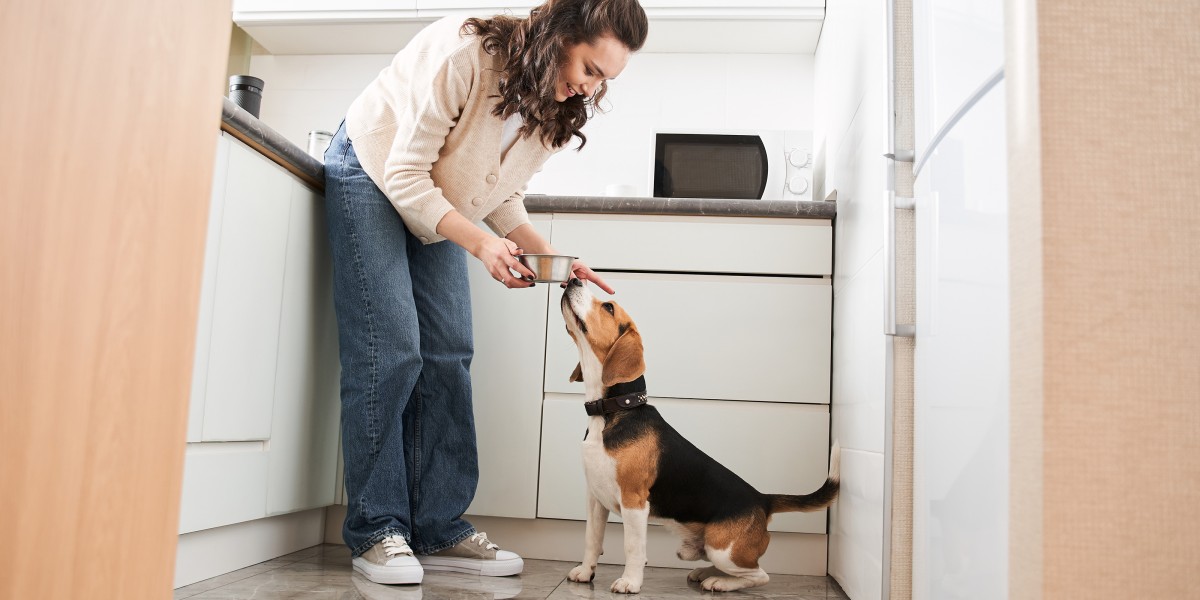
Puppy food has more calories than adult food. It is richer in protein and fat. Adult dog food does not meet puppies’ higher energy needs. Puppy food contains extra vitamins and minerals. These nutrients support growth and development. Adult food may lack important nutrients for puppies. Feeding adult food to puppies can slow growth. Puppy food is softer and easier to chew. It helps puppies transition from mother’s milk.
Credit: www.purina.com
Risks Of Feeding Adult Food To Puppies
Feeding adult dog food to puppies can cause several problems. Puppies have special needs that adult food does not meet. It can affect their growth and health in many ways.
Nutritional Deficiencies
Puppies need extra nutrients to grow strong. Adult dog food lacks enough protein and fat for their development. This shortage can slow down their muscle and brain growth. Important vitamins and minerals may also be missing. Puppies may not get the energy they require every day.
Digestive Issues
Puppy stomachs are sensitive and need gentle food. Adult dog food can be too rich or hard to digest. This can cause upset stomach, diarrhea, or vomiting. Digestive problems make puppies uncomfortable and weak. Feeding the right food helps keep their digestion smooth.
Long-term Health Effects
Improper nutrition affects puppies beyond early life. Poor diet can lead to weak bones and joints. It may cause lasting health issues as the dog grows. Over time, puppies can develop obesity or other illnesses. Proper feeding supports a healthy and active adult dog.
When Adult Dog Food Might Be Okay
Feeding puppies adult dog food is usually not recommended. Puppies need specific nutrients for growth and development. Yet, there are some situations where adult dog food can be a temporary choice. Knowing when it is safe helps protect your puppy’s health.
Adult dog food lacks the extra calories and nutrients puppies require daily. But in short periods, it may not cause harm. Careful observation and proper guidance are key.
Short-term Substitutions
Adult dog food can work for a brief time if puppy food runs out. A day or two of adult food will not hurt most puppies. Watch your puppy’s behavior and energy closely. Ensure fresh water is always available. Avoid making adult food a regular meal for puppies. Switch back to puppy food as soon as possible.
Consulting A Veterinarian
Speak to a veterinarian before changing your puppy’s diet. They can advise if adult dog food is safe temporarily. Vets may suggest supplements to balance nutrition during the switch. They help prevent growth problems caused by improper feeding. Regular check-ups ensure your puppy stays healthy and strong.

Credit: blog.thepetstable.com
Choosing The Right Puppy Food
Puppies grow fast. Their food must support this quick growth. Adult dog food does not have the right nutrients for puppies. It can lead to health problems. Choosing the right puppy food helps your dog stay healthy and strong.
Good puppy food provides energy, vitamins, and minerals. It also supports brain and bone development. Make sure to pick food made just for puppies.
Ingredients To Look For
Protein is very important. It helps build muscles and tissues. Look for real meat like chicken or beef as the first ingredient. Fat gives energy and helps the puppy’s brain grow. Healthy fats come from fish oil or chicken fat.
Calcium and phosphorus support strong bones and teeth. Vitamins like A, D, and E protect your puppy’s health. Avoid foods with too many fillers like corn or wheat. These add little nutrition and can cause allergies.
Reading Dog Food Labels
Check the label carefully. It shows the ingredients and nutrition facts. The label tells you if the food meets the standards for puppies. Look for statements like “complete and balanced for puppies.”
Look at the guaranteed analysis. It shows protein, fat, fiber, and moisture levels. Puppies need higher protein and fat than adult dogs. Avoid foods with too many artificial colors or preservatives.
Tips For Transitioning Puppy Food
Switching your puppy from puppy food to adult dog food needs care and patience. Puppies have special needs that adult food may not fully meet. A smooth change helps avoid stomach problems and keeps your puppy happy and healthy.
Gradual Food Changes
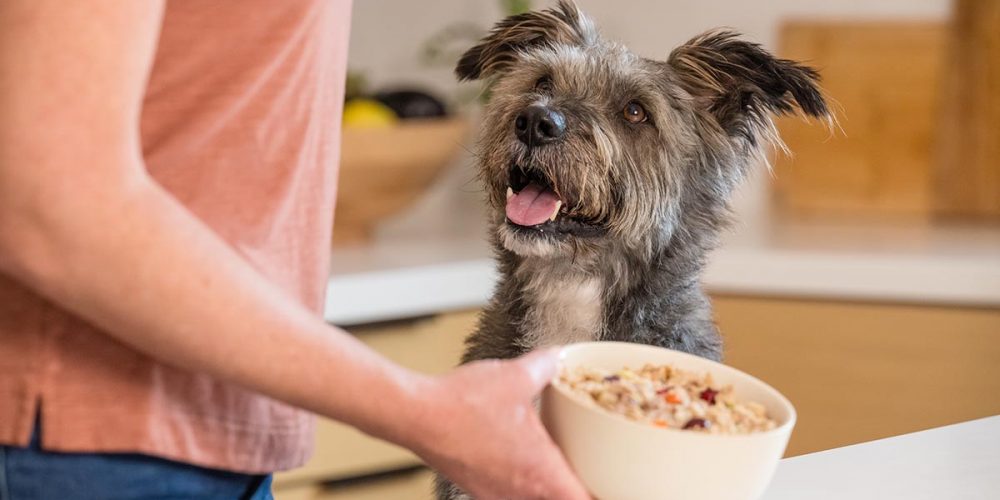
Start by mixing a small amount of adult food with puppy food. Slowly increase the adult food over 7 to 10 days. This slow change helps your puppy’s stomach adjust. Sudden switches can cause upset or diarrhea. Keep the portions balanced to maintain nutrition.
Monitoring Your Puppy’s Reaction
Watch your puppy closely during the change. Look for signs of discomfort or allergies. These may include vomiting, diarrhea, or loss of appetite. If any symptoms appear, slow down the transition. Consult your vet if problems continue. Your puppy’s health is the top priority.
Credit: blog.justfoodfordogs.com
Frequently Asked Questions
Is Adult Dog Food Safe For Puppies?
Adult dog food lacks essential nutrients puppies need for growth. It may cause deficiencies and slow development. Puppies require higher protein, fat, and calorie content than adults. Feeding adult food can lead to health issues, so it’s best to use puppy-specific formulas.
What Are Risks Of Feeding Puppies Adult Food?
Feeding adult dog food to puppies can cause malnutrition. It may lead to poor bone development, weak immunity, and digestive problems. Adult food has lower calories and nutrients, insufficient for puppies’ rapid growth. This can affect their overall health and energy levels.
How Long Should Puppies Eat Puppy Food?
Puppies should eat puppy food until about 12 months old. This varies by breed size; large breeds may need longer. Puppy food supports proper growth and development during this crucial stage. After that, transition gradually to adult dog food to meet changing nutritional needs.
Can Adult Dog Food Cause Digestive Issues In Puppies?
Yes, adult dog food may cause digestive upset in puppies. It lacks the right balance of nutrients and fiber for young dogs. Puppies might experience diarrhea or constipation when fed adult formulas. Puppy-specific food is gentler on their sensitive digestive systems.
Conclusion
Feeding puppies adult dog food can cause health issues. Puppies need more nutrients for growth and energy. Adult food may lack important vitamins and minerals. This can affect their development and immune system. Always choose food made for puppies to keep them strong.
Healthy eating helps puppies grow into happy dogs. Careful feeding supports their long-term health and happiness. Choose wisely for your puppy’s best start in life.


