

Are you wondering when to switch your furry friend from puppy food to adult dog food? Choosing the right time can feel confusing, but it’s one of the most important decisions for your dog’s health and happiness.
Feeding your dog the right food at the right age gives them the energy they need and supports their growth. Keep reading to discover the key signs to look for and expert tips that will help you make the best choice for your loyal companion.
Your dog’s well-being depends on it!
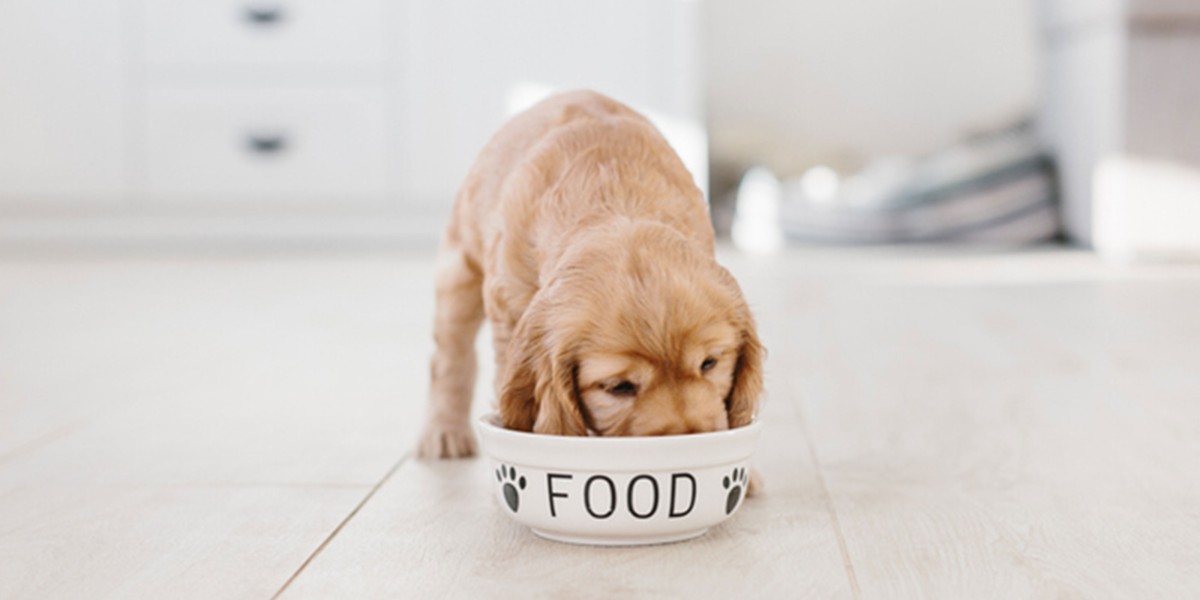
Credit: www.purina.com
Signs To Switch To Adult Food
Knowing when to switch your dog from puppy food to adult food is important. The right time helps keep your dog healthy and strong. Watch for clear signs that your dog is ready for this change. These signs include age, behavior, and breed size.
Age Milestones For Transition
Puppies grow fast. Most dogs start adult food around one year old. Small breeds may switch earlier, near nine months. Large breeds often need puppy food longer, up to 18 months. Check your vet’s advice for your dog’s breed and size.
Behavioral And Physical Changes
Notice changes in your dog’s energy and appetite. Puppies become less hyper and more calm as they grow. Their growth slows down too. Teeth fully come in, and weight gain steadies. These signs show your dog is ready for adult food.
Breed Size Considerations
Small dogs mature faster than big dogs. Tiny breeds may switch foods sooner. Large breeds grow slower and need special nutrition longer. Their bones and joints develop over a longer time. Tailor the food switch to your dog’s breed size for best health.

Credit: blog.thepetstable.com
Choosing The Right Adult Dog Food
Choosing the right adult dog food is key to your dog’s health. Adult dogs have different needs than puppies. Their food should support steady energy, strong muscles, and a healthy coat. The right diet helps maintain a healthy weight and good digestion. This section explains how to pick the best food for your adult dog.
Nutritional Needs For Adults
Adult dogs need balanced nutrients. Protein is important for muscle repair and energy. Healthy fats support skin and coat health. Carbohydrates provide energy but should be moderate. Vitamins and minerals keep bones and immune system strong. Fiber aids digestion and keeps stool regular.
Ingredients To Look For
Choose foods with real meat as the first ingredient. Whole grains like brown rice and oats provide good energy. Vegetables such as carrots and peas add fiber and vitamins. Natural sources of omega-3 and omega-6 fatty acids are essential. These ingredients improve overall health and vitality.
Avoiding Harmful Additives
Stay away from foods with artificial colors and flavors. Avoid preservatives like BHA, BHT, and ethoxyquin. These can cause allergies or other health problems. Limit foods with too much salt or sugar. Choose products with natural preservatives and simple ingredient lists.
Transitioning Your Dog’s Diet
Changing your dog’s food from puppy to adult dog food is an important step. This change should be smooth to keep your dog healthy and happy. Sudden switches can upset their stomach or cause other problems. A careful plan helps your dog adjust easily to the new diet.
Gradual Food Introduction
Start by mixing a small amount of adult food with puppy food. Increase the adult food amount over 7 to 10 days. This slow change helps your dog get used to the new taste and texture. Watch how your dog reacts to the new food every day.
Monitoring Digestive Health
Check your dog’s stool for any changes like softness or diarrhea. These signs show how well your dog’s stomach handles the new food. If problems continue for more than a few days, pause the transition. Consult your vet to avoid any serious issues.
Handling Picky Eaters
Some dogs may refuse new food at first. Offer small, frequent meals to encourage eating. Try warming the food slightly to enhance its smell. Mixing a little wet food can also help make the change easier.
Common Mistakes To Avoid
Feeding your dog the right food at the right time is very important for their health. Many dog owners make mistakes when switching to adult dog food. These errors can cause health problems or slow growth. Knowing what to avoid helps your dog stay healthy and happy.
Switching Too Early Or Late
Changing your dog’s food too soon can upset their stomach. Puppies need special nutrients to grow well. Switching too late may cause weight gain or nutrient gaps. Follow your vet’s advice on the right time to switch. Watch your dog’s size and behavior for signs.
Ignoring Breed-specific Needs
Different dog breeds have different needs. Small breeds may need more calories per pound than large breeds. Large breeds need food that supports joint health. Ignoring these differences can cause problems. Choose food made for your dog’s breed size and age.
Overfeeding And Portion Control
Giving too much food is a common mistake. Overfeeding leads to obesity and health issues. Measure food portions carefully to avoid excess calories. Use feeding guides on the dog food package as a start. Adjust portions based on your dog’s activity and weight.
Consulting Your Veterinarian
Starting your dog on adult food is an important step in their growth. A veterinarian can guide you on the best time to make this change. They know your dog’s breed, size, and health needs. Getting their advice helps avoid feeding mistakes. It keeps your dog healthy and happy.
Personalized Feeding Recommendations
Every dog is different. A vet can suggest the right food type and amount. They consider your dog’s age, weight, and activity level. This advice helps your dog get the right nutrients. It supports steady growth and energy.
Regular Health Checkups
Regular vet visits track your dog’s health over time. These visits help spot any problems early. Your vet can see if the diet is working well. They adjust feeding plans based on health changes. This keeps your dog in good shape.
Adjusting Diet For Health Conditions
Some dogs have special health needs. A vet can recommend diet changes for these conditions. This includes allergies, digestive issues, or weight problems. Proper diet helps manage these conditions. It improves your dog’s quality of life.

Credit: www.amazon.com
Frequently Asked Questions
When Should I Switch My Puppy To Adult Dog Food?
You should start adult dog food when your puppy reaches about one year old. Large breeds may need to wait 12 to 18 months. Consult your vet for breed-specific advice to ensure proper nutrition during growth.
What Are The Signs My Dog Is Ready For Adult Food?
Signs include slowed growth, less energy for rapid development, and adult teeth fully grown. Your vet can help confirm the right time based on your dog’s health and breed.
Can Switching Too Early Harm My Dog’s Health?
Yes, switching too early can cause nutritional imbalances. Puppies need more calories and nutrients for growth. Premature change may lead to digestive issues or stunted development. Always follow vet guidance.
How Do Adult Dog Food Ingredients Differ From Puppy Food?
Adult dog food has fewer calories and less fat than puppy food. It focuses on maintaining weight and overall health rather than growth. Ingredients support adult metabolism and joint health.
Conclusion
Choosing the right time to start adult dog food helps your dog stay healthy. Puppies need special nutrients, but adults need food for maintenance. Watch your dog’s growth and behavior for signs of readiness. Switching too early or late can cause problems.
Always consult your vet for advice. Feeding the right food keeps your dog happy and strong. Healthy meals support energy and good digestion every day. Remember, every dog is different. Careful timing makes a big difference.


