

Grooming your dog at home might seem tricky, but it’s easier than you think. When your furry friend looks and feels great, you both enjoy happier, healthier days.
Imagine saving time and money while strengthening the bond you share with your pet. In this guide, you’ll discover simple, step-by-step tips that make grooming stress-free and even fun. Ready to make your dog shine right from your living room?
Keep reading to unlock the secrets to easy, effective home grooming.
Preparing For Grooming
Preparing your dog for grooming at home makes the process smoother and safer. Taking time to get ready helps your dog feel relaxed. It also helps you work more efficiently. A few simple steps can set the stage for a good grooming session.
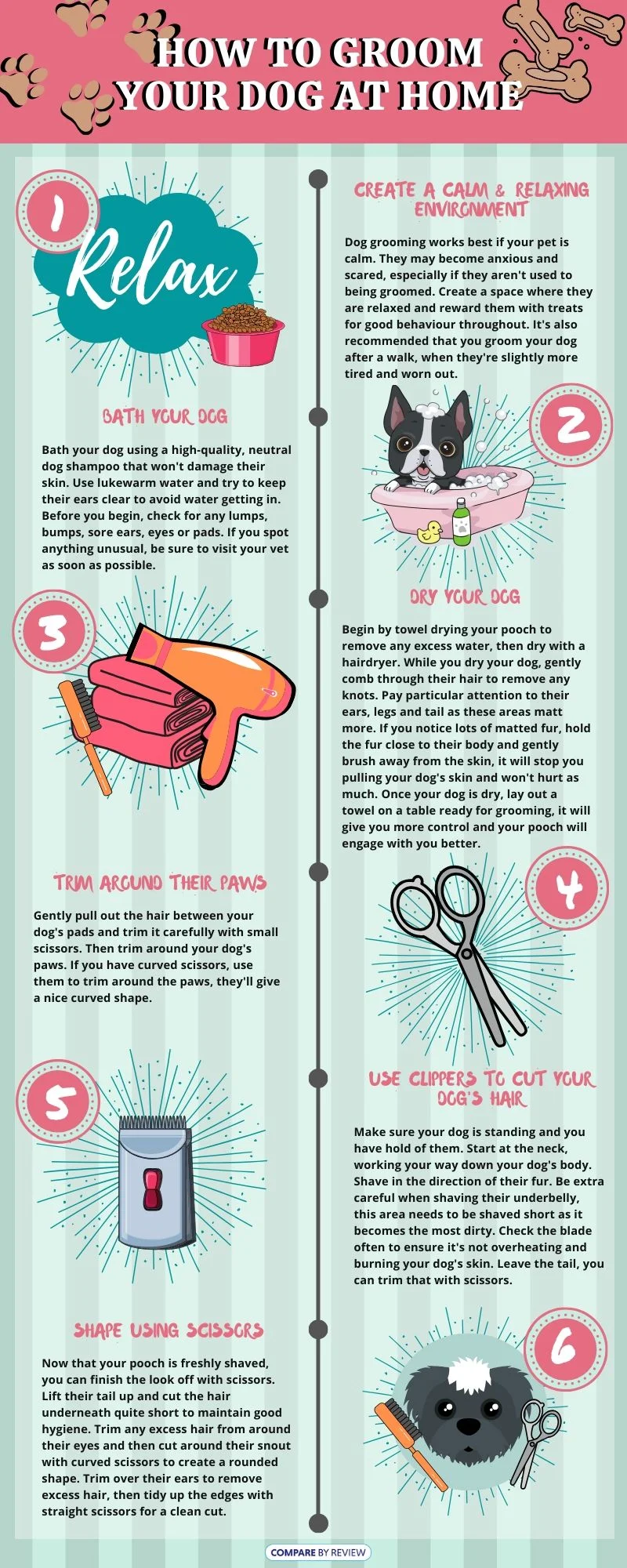
Start by gathering the right tools. Choose a space where your dog feels safe. Create a calm atmosphere to keep stress low. These steps build a positive grooming routine.
Gathering Essential Tools
Collect all grooming supplies before starting. You need brushes, combs, nail clippers, and scissors. A dog shampoo and towels should be handy. Use tools that fit your dog’s size and coat type. Having everything ready avoids interruptions during grooming.
Choosing A Comfortable Space
Pick a quiet area with good light. The floor should be easy to clean. Avoid slippery surfaces to prevent accidents. Your dog should feel safe and relaxed there. A comfortable space helps your dog stay calm.
Setting A Calm Atmosphere
Keep noise and distractions to a minimum. Speak softly to soothe your dog. Play gentle music if it helps. Use treats to reward good behavior. A calm mood reduces anxiety during grooming.
Credit: mypetandi.elanco.com
Bathing Your Dog
Bathing your dog at home keeps them clean and healthy. It also helps reduce shedding and bad odors. Regular baths improve your dog’s skin and coat condition. Making bath time calm and safe builds trust between you and your pet.
Selecting The Right Shampoo
Choose a shampoo made for dogs, not humans. Dog shampoos match their skin’s pH level. Pick one based on your dog’s coat and skin needs. For example, sensitive skin requires gentle, hypoallergenic formulas. Avoid harsh chemicals that cause dryness or irritation.
Water Temperature Tips
Use lukewarm water for the bath. Water that is too hot or cold can stress your dog. Test water temperature on your wrist first. Keep water steady and gentle during rinsing. This helps your dog stay calm and comfortable.
Drying Techniques
Start by towel-drying your dog softly. Pat the coat instead of rubbing to avoid tangles. Use a blow dryer on a low, cool setting if your dog allows it. Keep the dryer moving to prevent hot spots. Make sure your dog is completely dry before going outside.
Brushing And Detangling
Brushing and detangling are vital parts of dog grooming at home. Regular brushing keeps your dog’s coat clean and healthy. It removes loose fur, dirt, and prevents matting. Detangling helps avoid painful knots that can harm your dog’s skin. This section guides you on choosing the right brush, how often to brush, and how to handle mats and tangles gently.
Picking The Best Brush
Choose a brush that fits your dog’s coat type. For short hair, a bristle brush works well. Medium hair needs a slicker brush to remove loose fur. Long hair or thick coats require a pin brush or comb. Avoid using harsh brushes that can hurt your dog’s skin. A soft, comfortable brush makes grooming easier and safer.
Brushing Frequency
Brush your dog regularly to keep the coat smooth. Short-haired dogs need brushing once or twice a week. Long-haired dogs need daily brushing to prevent tangles. Puppies benefit from gentle brushing to get used to the process. Adjust brushing frequency based on your dog’s activity and shedding.
Handling Mats And Tangles
Start by gently separating small tangles with your fingers. Use a detangling spray to make brushing easier. Work slowly, brushing small sections at a time. For stubborn mats, use a mat splitter or special comb. Never pull hard; it can hurt your dog. If mats are severe, visit a professional groomer.
Credit: www.comparebyreview.com
Trimming Nails Safely
Trimming your dog’s nails at home keeps them healthy and comfortable. Long nails can cause pain and walking problems. Safe trimming reduces stress for both you and your dog. Follow simple steps to trim nails without harm.
Choosing Nail Clippers
Select clippers made for dogs, not humans. Use sharp, strong clippers for clean cuts. Avoid dull tools that crush or splinter nails. Scissor-style or guillotine clippers work well. Pick a size that fits your dog’s nail thickness.
Avoiding The Quick
The quick is the pink part inside the nail. It has blood vessels and nerves. Cutting the quick causes pain and bleeding. Trim small amounts of the nail at a time. For dark nails, cut little by little. Stop trimming when you see a darker center.
Smoothing Nail Edges
After clipping, nails may have sharp edges. Use a nail file or emery board to smooth them. This prevents scratching and damage to floors or skin. File gently until nails feel smooth to touch. Regular filing keeps nails neat and safe.
Cleaning Ears And Eyes
Cleaning your dog’s ears and eyes is important for their health. Dirt and wax can build up, causing discomfort or infection. Regular cleaning keeps your dog comfortable and prevents problems. Use gentle methods and safe products designed for pets.
Safe Ear Cleaning Methods
Use a dog ear cleaner from a pet store. Avoid using cotton swabs inside the ear canal. Dampen a soft cloth or cotton ball with the cleaner. Gently wipe the outer ear and folds. Let your dog shake their head to remove excess liquid. Repeat once a week or as needed.
Dealing With Tear Stains
Tear stains appear as reddish-brown marks under the eyes. Use a damp cloth or pet wipe to clean the area daily. Keep hair trimmed around the eyes to prevent irritation. Avoid rubbing too hard to protect the skin. Special tear stain removers are available but check ingredients first.
When To Seek Vet Help
Look for redness, swelling, or bad smell in ears or eyes. Excessive scratching or head shaking needs attention. If your dog shows pain or discharge, visit the vet. Persistent tear stains or eye redness also require professional advice. Early care prevents serious problems later.
Styling And Finishing Touches
Styling and finishing touches are the final steps in grooming your dog at home. These steps help your dog look neat and feel comfortable. They also add a personal touch to your pet’s appearance. Taking time for these small details makes grooming a pleasant experience for both of you.
Basic Hair Trimming Tips
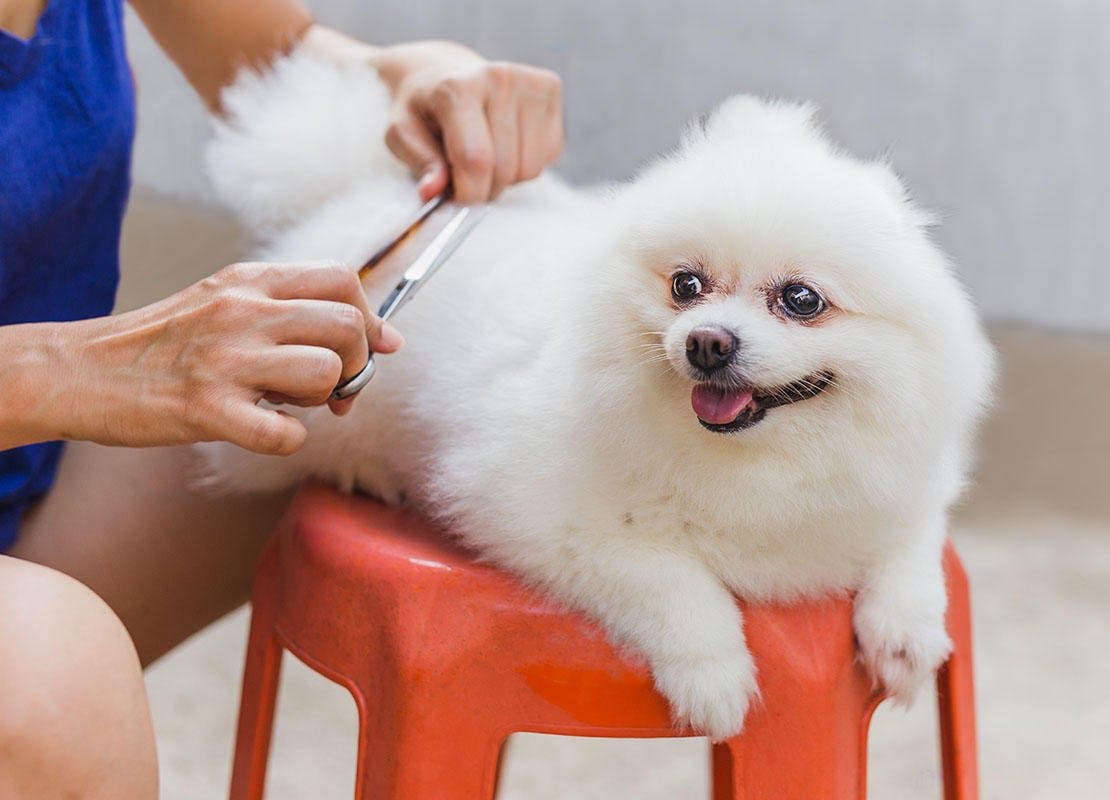
Trim hair carefully around the eyes and paws. Use sharp, clean scissors for safety. Cut small sections at a time to avoid mistakes. Keep the scissors parallel to the skin. Avoid cutting too close to prevent irritation. Take breaks if your dog feels restless. Regular trimming prevents mats and tangles. Always check for uneven spots and fix them gently.
Adding Accessories
Choose simple accessories like collars or bows. Pick soft materials that won’t hurt your dog’s skin. Avoid tight or heavy items that cause discomfort. Add accessories after grooming is complete. Let your dog get used to new items slowly. Accessories give your dog a fresh, stylish look. Keep accessories clean and replace them as needed.
Rewarding Your Dog
Give treats to make grooming a happy time. Use small, tasty snacks your dog loves. Praise your dog with a gentle voice and petting. Rewards build positive feelings about grooming. Reward after each step or at the end. This encourages your dog to stay calm. Patience and kindness create a trusting bond.
Maintaining Grooming Routine
Keeping a regular grooming routine helps your dog stay healthy and happy. It prevents mats, reduces shedding, and keeps the skin clean. A steady schedule also makes grooming easier for both you and your dog. Small, consistent efforts lead to better results over time.
Scheduling Regular Sessions
Set specific days for grooming your dog. This builds habit and trust. Short sessions work best, especially for young or nervous dogs. Weekly brushing and monthly baths suit most dogs well. Adjust frequency based on your dog’s coat type and lifestyle.
Monitoring Skin And Coat Health
Check your dog’s skin during each grooming session. Look for redness, bumps, or dry patches. Healthy skin shines and feels smooth. Notice changes in fur texture or color. Early detection of issues helps prevent serious problems. Use gentle strokes to avoid hurting your dog.
Adjusting Care For Different Breeds
Each breed needs special grooming care. Long-haired dogs need more brushing to avoid tangles. Short-haired dogs may need less frequent baths. Some breeds require trimming or clipping. Learn your dog’s breed-specific needs. Tailor your routine for the best care and comfort.

Credit: www.youtube.com
Frequently Asked Questions
How Often Should I Groom My Dog At Home?
Groom your dog every 4 to 6 weeks to maintain coat health. Regular brushing helps reduce shedding and prevents matting. Bathing frequency depends on breed and activity level. Consistent grooming keeps your dog clean and comfortable.
What Tools Do I Need For Home Dog Grooming?
Essential tools include a slicker brush, comb, nail clippers, and dog shampoo. Clippers and scissors help trim fur safely. Choose tools suitable for your dog’s coat type. Having the right tools makes grooming easier and effective.
How Can I Safely Trim My Dog’s Nails At Home?
Use sharp, dog-specific nail clippers and trim small amounts gradually. Avoid cutting the quick to prevent pain and bleeding. If unsure, seek guidance from a vet or groomer. Regular nail trims improve your dog’s comfort and health.
When Should I Bathe My Dog During Grooming?
Bathe your dog every 4 to 8 weeks or when dirty. Use dog-specific shampoo to protect skin and coat. Avoid over-bathing, which can dry out skin. Proper bathing keeps your dog fresh and reduces odors.
Conclusion
Grooming your dog at home saves time and money. It helps you bond and keeps your pet healthy. Use the right tools and be gentle. Regular brushing and cleaning prevent skin problems. Take breaks if your dog feels stressed. Practice makes the process easier for both.
Enjoy the quiet moments together. Your dog will feel happy and cared for. Start grooming today for a cleaner, healthier pet.

