Are you worried about allergies but still want a furry friend by your side? Finding a dog that won’t trigger your sneezes or itchy eyes can be tough.
But don’t give up just yet! Some dog breeds are known to be hypoallergenic, meaning they’re less likely to cause allergic reactions. You’ll discover which dogs fit this special category and why they might be the perfect match for you.
Keep reading to find out how you can enjoy the love and companionship of a dog without the allergy struggles.
Credit: www.pethonesty.com
Hypoallergenic Dogs Explained
Many people think hypoallergenic dogs do not cause allergies. That is not exactly true. These dogs produce fewer allergens than other breeds. Allergens are tiny proteins found in dog skin flakes, saliva, and urine. Hypoallergenic dogs shed less hair and dander, which lowers allergen spread.
Choosing a hypoallergenic dog can help reduce allergic reactions. It is important to understand how these traits work. This knowledge helps find a dog that fits allergy needs and lifestyle.
How Hypoallergenic Traits Work
Hypoallergenic dogs shed less hair and dander. This means fewer allergens spread in the home. Their hair often grows continuously and does not fall off easily. This hair type traps allergens close to the skin.
Some breeds produce less saliva or have different skin oils. These factors also reduce allergen levels. Regular grooming helps remove allergens from the dog’s coat. Clean homes and air filters further reduce allergy triggers.
Common Misconceptions
No dog is 100% hypoallergenic. Even low-shedding breeds can cause allergies. People react to different dog proteins, not just hair. Some may be allergic to saliva or skin oils.
Allergy severity varies by person. Spending time with a dog before adopting helps test reactions. Good hygiene and cleaning routines reduce allergy risks. Understanding these facts prevents disappointment and helps choose the right dog.
Top Hypoallergenic Breeds
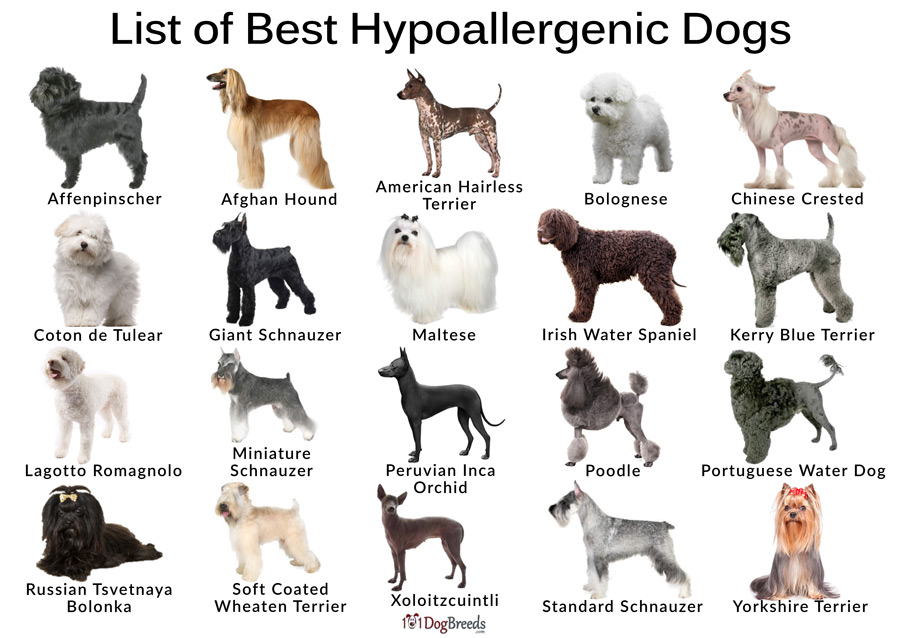
Hypoallergenic dog breeds are popular among people with allergies. These dogs shed less hair and dander. This reduces allergic reactions. Many breeds have unique coats that trap dander. They are easier to live with for sensitive owners. Below are some top hypoallergenic dog breeds to consider.
Poodle Varieties
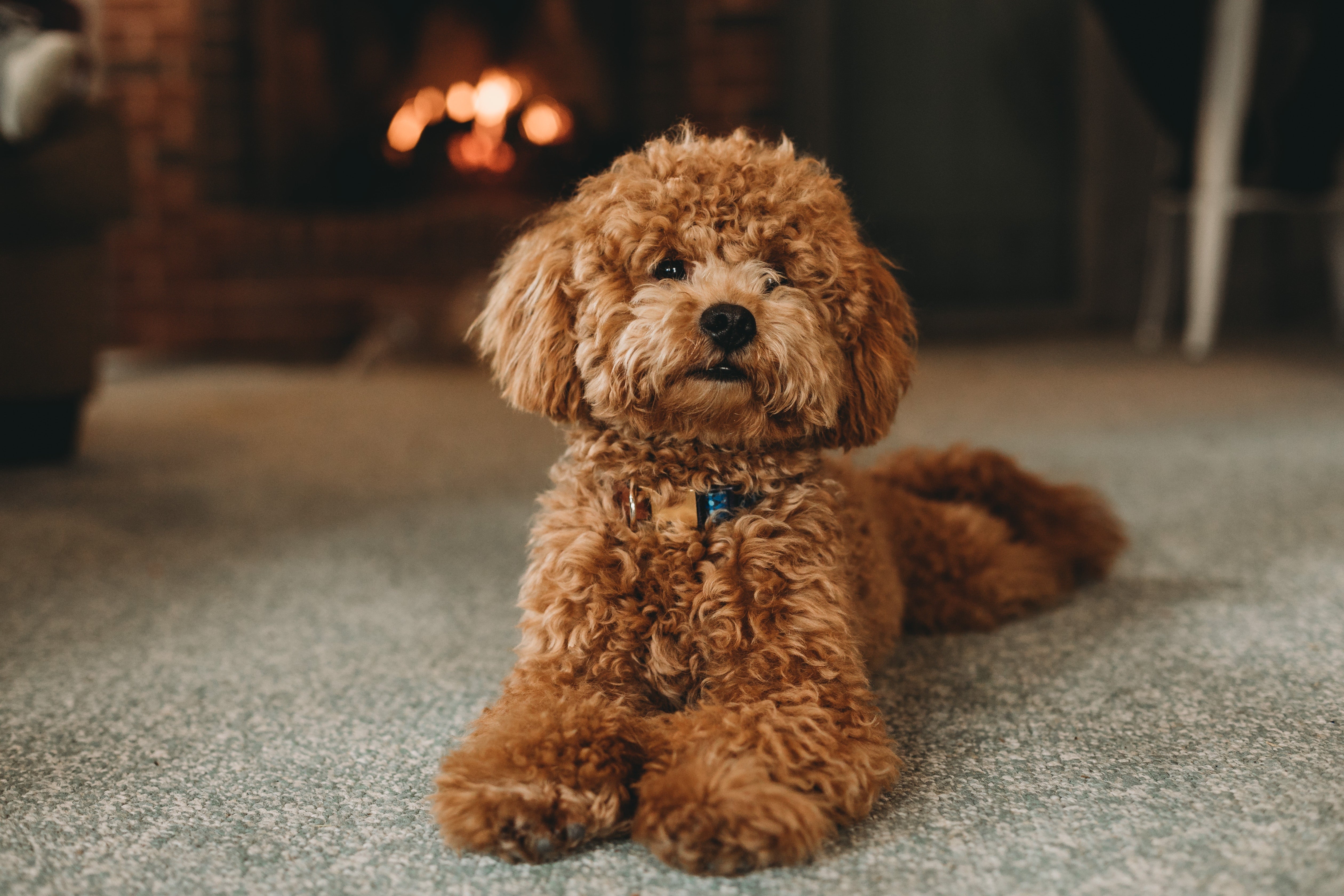
Poodles come in three sizes: standard, miniature, and toy. Their curly coats do not shed much. Poodles need regular grooming to avoid matting. They are smart, friendly, and easy to train. Many allergy sufferers find poodles a good choice.
Bichon Frise
The Bichon Frise has a soft, curly coat. It sheds very little hair. This breed is playful and gentle. They enjoy being around people. Their coat needs regular brushing and trimming. This dog fits well in families with allergies.
Maltese
Maltese dogs have long, silky hair. They do not shed much. Their hair grows continuously and requires care. Maltese are small and friendly companions. They adapt well to apartment living. Allergy sufferers often prefer this breed.
Portuguese Water Dog
This breed has curly or wavy hair. It sheds very little dander. Portuguese Water Dogs are active and smart. They enjoy swimming and outdoor activities. Their coat needs regular grooming. They suit active families with allergy concerns.
Schnauzer
Schnauzers come in three sizes: standard, miniature, and giant. They have wiry coats that shed minimally. Schnauzers are alert and protective pets. Their grooming includes regular trimming. Many allergy patients find them suitable dogs.
Shih Tzu
Shih Tzus have long, flowing coats. They shed less hair than many breeds. These dogs are friendly and loyal. They like spending time with their owners. Shih Tzus require daily grooming. They can live happily in small spaces.
Choosing The Right Breed
Choosing the right hypoallergenic dog breed is important for a happy home. Each breed has unique traits that fit different lifestyles. Think about your daily routine and space at home. This helps find a dog that matches your needs and keeps allergies low.
Lifestyle Considerations
Some breeds need more attention and care than others. Small apartments suit smaller breeds with low energy. Larger homes work better for active breeds. Consider your work hours and family size too. Dogs need time, love, and patience.
Grooming Needs
Hypoallergenic dogs usually shed less but still need grooming. Some breeds require regular brushing and haircuts. Others need baths and ear cleaning often. Know the grooming tasks before choosing a breed. This keeps your dog healthy and your home clean.
Activity Levels
Activity needs vary between breeds. Some dogs want long walks and playtime daily. Others are content with short walks and indoor play. Match a dog’s energy with your activity level. This helps both you and your dog stay happy and healthy.
Credit: www.woofblankets.com
Managing Allergies With Dogs
Managing allergies while having a dog is possible with the right steps. Hypoallergenic dog breeds produce fewer allergens, but some allergy triggers still exist. These allergens can stick to fur and spread around the home. Taking care of your living space and your dog helps reduce allergic reactions. Simple habits can make life easier for allergy sufferers who love dogs.
Home Cleaning Tips
Keep your home clean to lower allergens. Vacuum floors and furniture often using a vacuum with a HEPA filter. Wash dog bedding and blankets weekly in hot water. Use damp cloths to wipe floors and surfaces to catch dust and pet hair. Keep pets out of bedrooms and off soft furniture to reduce allergen build-up. Air out rooms by opening windows regularly.
Allergy Medication Options
Some people need medicine to control allergy symptoms. Over-the-counter antihistamines can reduce sneezing and itching. Nasal sprays help clear blocked noses caused by allergens. Consult a doctor before using allergy medication for the best advice. Allergy shots may help in some cases by building tolerance over time. Keep medication handy during high allergy seasons or after dog playtime.
Training To Reduce Allergens
Training your dog can lower allergens at home. Regularly bathe your dog using pet-friendly shampoo to remove loose fur and dander. Brush your dog outside to stop hair from spreading indoors. Teach your dog to stay off furniture and beds. Create a designated pet area to contain allergens. Proper training helps keep your home cleaner and allergy symptoms milder.
Credit: www.lubafreeport.com
Frequently Asked Questions
What Makes A Dog Breed Hypoallergenic?
Hypoallergenic dogs shed less dander, which triggers fewer allergies. Their hair grows continuously, reducing loose fur and allergens in the environment. These breeds are ideal for allergy sufferers.
Which Dog Breeds Are Considered Hypoallergenic?
Popular hypoallergenic breeds include Poodles, Bichon Frises, Maltese, and Schnauzers. These dogs have low-shedding coats and minimal dander production, making them suitable for sensitive individuals.
Are Hypoallergenic Dogs Completely Allergy-free?
No dog is 100% allergy-free. Hypoallergenic breeds reduce allergens but may still cause mild reactions. Individual sensitivity varies, so spending time with the dog before adoption is advised.
How Do Hypoallergenic Dogs Help Allergy Sufferers?
They release fewer allergens like dander and saliva proteins. This limits allergic reactions such as sneezing, itching, and watery eyes, improving comfort for people with allergies.
Conclusion
Choosing a hypoallergenic dog breed can help reduce allergies. These breeds shed less and produce fewer allergens. They suit people who love dogs but struggle with allergies. Remember, no dog is 100% allergy-free. Spending time with a dog before adopting helps test your reaction.
Caring for these dogs still needs regular grooming and cleaning. Finding the right breed means happier pets and owners. Enjoy the bond without the sneeze. Hypoallergenic dogs bring joy with fewer allergy worries.