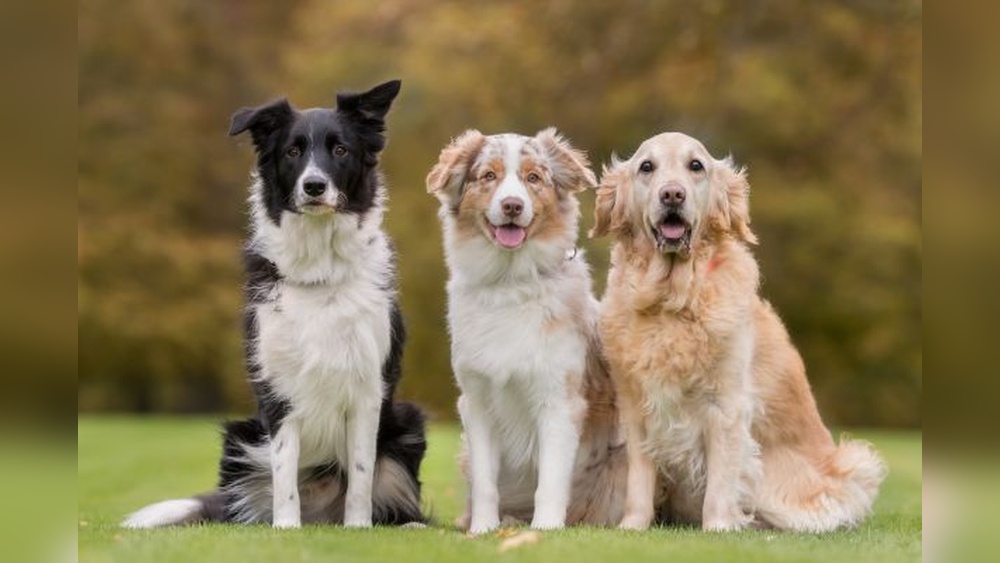
Are you thinking about adding a big furry friend to your family but worried about how long they’ll be by your side? Large dogs are amazing companions, full of love and energy, but they often don’t live as long as smaller breeds.
What if you could choose a large dog breed known for living longer? Imagine having more years to share adventures, cuddles, and memories with your gentle giant. You’ll discover which large dog breeds tend to live the longest and what makes them stand out.
Keep reading to find the perfect big dog that can stay with you for many happy years.

Credit: petmyride.com
Traits Of Long-lived Large Dogs
Large dog breeds that live longer share certain key traits. These traits help improve their lifespan and quality of life. Understanding these traits can guide owners to care better for their big dogs. Healthy habits and good genetics play important roles.
Let’s explore the main traits that contribute to the longevity of large dog breeds.
Genetic Factors
Genetics strongly influence a dog’s lifespan. Some breeds have genes that protect them from common diseases. Breeds with fewer inherited health issues tend to live longer. Responsible breeding practices help reduce genetic problems. Choosing dogs from healthy bloodlines improves life expectancy.
Diet And Nutrition
Proper diet supports a dog’s overall health and longevity. Large dogs need balanced meals with the right nutrients. High-quality protein, healthy fats, and vitamins keep their bodies strong. Avoiding overfeeding prevents obesity, which shortens life. Fresh water and consistent feeding schedules also matter.
Exercise And Activity Levels
Regular exercise keeps large dogs fit and active. Physical activity strengthens their muscles and joints. It helps maintain a healthy weight and reduces stress. Low-impact activities suit older or sensitive dogs better. Consistent playtime and walks improve mental and physical health.
Health Care Practices
Routine vet visits catch health issues early. Vaccinations and parasite control protect dogs from diseases. Dental care prevents infections that affect overall health. Monitoring signs of illness ensures quick treatment. Preventive care extends a dog’s healthy years.
Credit: juvesalonspa.com
Top Large Breeds With Long Lifespans
Large dog breeds often have shorter lifespans than small dogs. Yet, some big breeds live longer than others. These dogs combine size with a surprising amount of years. Knowing these breeds helps owners prepare for a long, loving relationship.
Bernese Mountain Dog
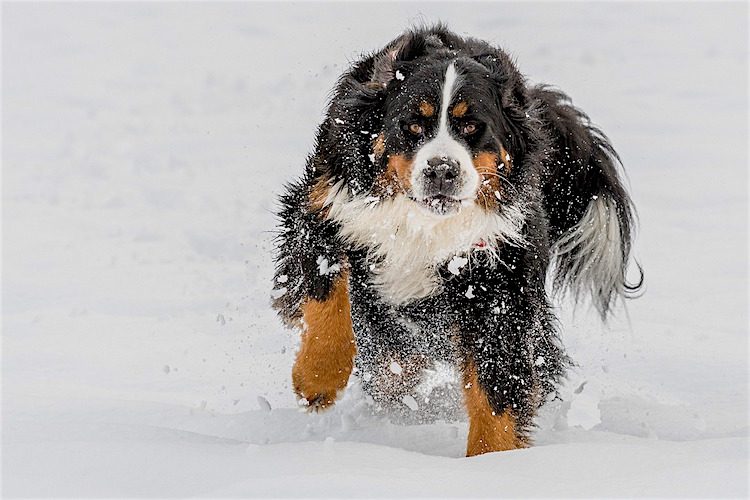
The Bernese Mountain Dog is gentle and strong. This breed usually lives 7 to 10 years. It has a calm nature and loves being part of a family. Regular exercise and good food help keep it healthy.
Great Dane
Great Danes are famous for their giant size. Their lifespan is about 6 to 8 years. They are friendly and loyal companions. Proper care can sometimes extend their life beyond eight years.
Irish Wolfhound
Irish Wolfhounds are tall and graceful dogs. They live around 6 to 8 years. Despite their size, they are gentle and quiet. Healthy living habits can improve their lifespan.
Newfoundland
Newfoundlands are large, strong, and very loving. Their lifespan ranges from 8 to 10 years. These dogs enjoy water and need regular exercise. Good care keeps them active longer.
Mastiff Varieties
Mastiffs include breeds like English and Bullmastiffs. They live about 6 to 10 years. These dogs are protective but calm. Healthy diets and regular vet visits support longer lives.
Health Challenges For Big Dogs
Large dog breeds face unique health challenges that affect their lifespan. Their size puts extra stress on the body. This can lead to various health problems. Understanding these issues helps owners give better care. It also helps dogs live longer, healthier lives.
Common Diseases
Big dogs are prone to specific diseases. Heart problems like dilated cardiomyopathy occur often. Some breeds get bloat, a dangerous stomach condition. Cancer rates also rise in large dogs. Regular check-ups can catch these diseases early.
Joint And Mobility Issues
Joint problems affect many large dogs. Hip dysplasia is common and painful. Arthritis develops as dogs age. These issues limit movement and cause discomfort. Proper care and treatment improve quality of life.
Preventive Measures
Good diet and exercise are key for big dogs. Avoid overfeeding to reduce obesity risk. Regular vet visits help monitor health. Supplements may support joint health. Early action prevents severe health problems.
Tips To Boost Your Large Dog’s Longevity
Helping your large dog live a long, healthy life takes effort and care. Simple steps can improve their quality of life and add years. Focus on diet, exercise, vet visits, and mental health. These areas keep your dog strong and happy.
Balanced Diet Plans
Feed your dog high-quality food made for large breeds. Balanced meals support strong bones and a healthy heart. Avoid overfeeding to prevent obesity, which shortens lifespan. Include proteins, fats, and vitamins essential for growth and energy.
Regular Exercise Routines
Exercise keeps muscles strong and joints flexible. Large dogs need daily walks and playtime to stay fit. Avoid too much strain on young or old dogs. Moderate activity helps prevent health problems and boosts mood.
Routine Vet Checkups
Regular vet visits catch health issues early. Vaccinations and parasite control protect your dog from diseases. Discuss diet and exercise plans with your vet. Early treatment can extend your dog’s life.
Mental Stimulation
Mental exercise keeps your dog alert and happy. Use puzzles, training, and new activities to challenge their mind. Bored dogs can develop behavior problems and stress. Mental health is as important as physical health.
Real-life Stories Of Long-lived Giants
Large dog breeds often have shorter lifespans than small breeds. Yet, some giant dogs live much longer than expected. Their stories inspire pet owners everywhere. These real-life examples show that size is not the only factor in a dog’s lifespan. Care, love, and genetics play big roles too.
Notable Cases
Max, a Great Dane, lived 11 years, beating the breed average. Bella, an Irish Wolfhound, reached 12 years. Both dogs had strong bonds with their families. Their owners shared stories of daily walks and regular vet visits. These giants thrived with proper care and attention.
Another example is Samson, a Saint Bernard, who lived 13 years. His owner focused on a healthy diet and gentle exercise. These cases prove large dogs can live long, healthy lives with the right support.
Lessons From Owners
Owners of long-lived giants emphasize routine health checks. Early detection of health issues helps dogs stay strong. Balanced nutrition and avoiding overfeeding prevent obesity. Gentle exercise keeps joints flexible and muscles strong.
Quality time and mental stimulation are vital too. Dogs living longer often have happy, active lives. These lessons remind us that care matters more than size. Every large dog deserves love and attention to live their best life.
Credit: www.monasdanishbakery.com
Frequently Asked Questions
Which Large Dog Breeds Have The Longest Lifespan?
Great Danes, Mastiffs, and Saint Bernards live shorter lives. However, breeds like the Standard Poodle, Bernese Mountain Dog, and Alaskan Malamute tend to live longer, often reaching 10-14 years with proper care and nutrition.
How Can I Increase My Large Dog’s Lifespan?
Provide balanced nutrition, regular exercise, and routine vet check-ups. Early disease detection and maintaining a healthy weight also extend lifespan. Mental stimulation and a loving environment support overall well-being and longevity in large dog breeds.
Do Large Dogs Live Shorter Than Small Dogs?
Yes, generally large dogs have shorter lifespans than small dogs. Large breeds age faster and are prone to specific health issues, which can reduce lifespan. Proper care can help maximize their years, but size influences longevity significantly.
What Health Issues Affect Large Dog Longevity?
Large dogs often face joint problems, heart disease, and cancer. Hip dysplasia and arthritis are common due to their size. Early diagnosis and treatment of these conditions improve quality of life and can extend lifespan.
Conclusion
Choosing a large dog breed with a longer lifespan brings joy for many years. Healthy habits, good food, and regular vet visits help dogs live longer. Each breed has unique needs and traits to consider. Loving care makes a big difference in their life.
Enjoy every moment with your big furry friend. Remember, a happy dog is a healthy dog. Keep learning and caring to give your dog the best life possible.