Are you thinking about adding a Teddy Bear dog to your family but worried about allergies? You’re not alone.
Many people love the idea of these cuddly, adorable dogs but wonder if they can live comfortably without sneezing or itchy eyes. The good news is, understanding whether Teddy Bear dog breeds are hypoallergenic can help you make the right choice for your home and health.
Keep reading to discover the facts that could change how you see these lovable pups forever.
:max_bytes(150000):strip_icc()/malshi-puppy-on-lap-cropped-2-645851288-2000-31c47ad2c9d44cd3bd88dc7eb8ba9667.jpg)
Credit: www.dailypaws.com
Teddy Bear Dogs At A Glance
Teddy bear dogs are small, fluffy pets loved for their cute looks and gentle nature. They look like soft toys with their round faces and plush coats. These dogs fit well in homes with kids or seniors. Their size and friendly behavior make them great companions.
Many people wonder if these dogs cause allergies. Understanding their origin and common types helps to know more about their hypoallergenic traits.
Origin And Popularity
Teddy bear dogs are mixed breeds created to combine charm and personality. Breeders mix small breeds like Bichon Frise and Shih Tzu to get the teddy bear look. These dogs became popular for their cute appearance and calm temperament. They suit apartment living and family life.
The trend started in the early 2000s. Since then, their popularity has grown worldwide. Their friendly nature appeals to many dog lovers.
Common Teddy Bear Breeds
Several breeds carry the teddy bear nickname due to their soft coat and face. The Shichon is a mix of Shih Tzu and Bichon Frise. It has a fluffy coat and sweet expression.
The Mal-Shi mixes Maltese and Shih Tzu breeds. It is small, playful, and affectionate. Another example is the Peekapoo, a Pekingese and Poodle mix. It has a teddy bear look with a curly or wavy coat.
These breeds often shed less, making them good for allergy-sensitive homes.
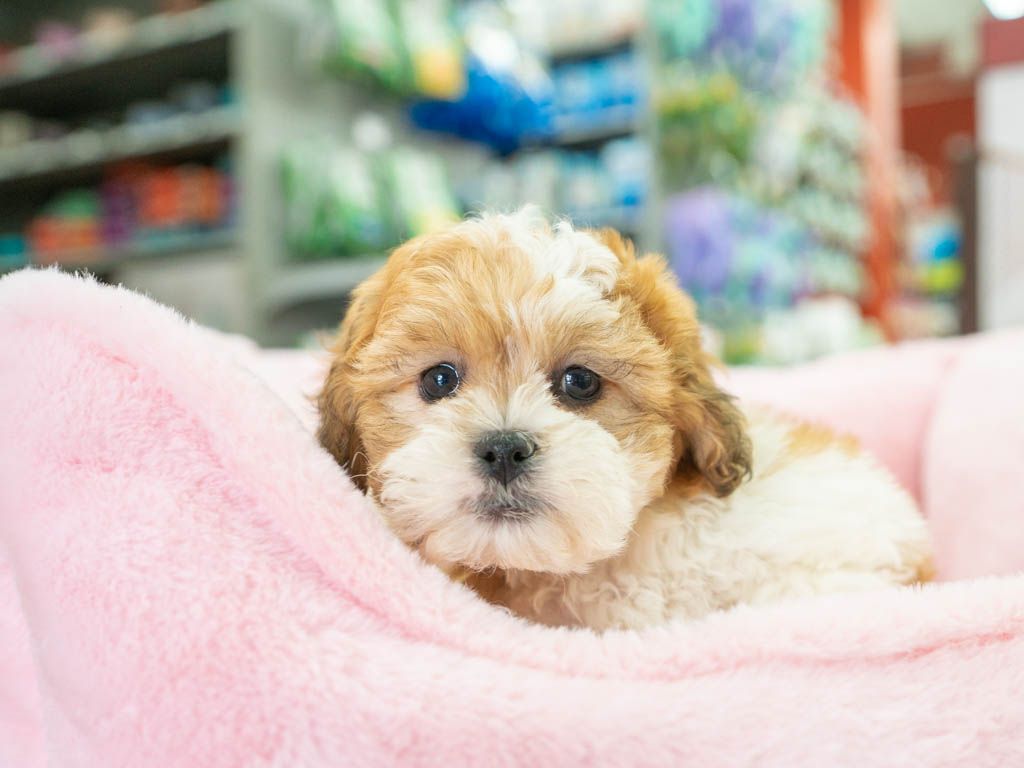
Credit: www.petlandtexas.com
What Makes A Dog Hypoallergenic?
Many people want dogs but worry about allergies. Some dogs are called hypoallergenic. These dogs cause fewer allergy problems. But what does hypoallergenic really mean? It relates to the dog’s fur and skin. Also, how much dander and saliva the dog produces matters. Understanding these factors helps explain why some dogs fit better in allergy-sensitive homes.
Allergens And Their Sources
Dog allergens come from skin flakes, saliva, and urine. Dander is tiny flakes of dead skin. It floats in the air and sticks to surfaces. Saliva also has allergy proteins. When dogs lick their fur, saliva dries and spreads. Some breeds shed less, so they spread fewer allergens. The amount of allergens varies by dog and environment.
Traits Of Hypoallergenic Dogs
Hypoallergenic dogs shed very little or not at all. Their hair grows continuously and traps dander. They need regular grooming to keep allergens low. These dogs often have curly or wavy coats. They produce less saliva or have less oily skin. Such traits reduce allergen spread. This makes them easier for allergy sufferers to live with.
Hypoallergenic Traits In Teddy Bear Breeds
Teddy Bear dog breeds are popular for their cute looks and friendly nature. Many people wonder if these dogs cause allergies. Hypoallergenic dogs produce fewer allergens, making them better for people with allergies.
Not all Teddy Bear breeds are hypoallergenic. Their coat type and shedding affect allergen levels. Understanding these traits helps choose the right breed for allergy sufferers.
Coat Types And Shedding Patterns
Teddy Bear breeds have different coat types. Some have curly hair that traps dander. Others have straight or wavy hair that sheds more. Less shedding means fewer allergens spread in the air.
Breeds with tight, curly coats shed less and keep dander contained. Loose or straight coats shed more, increasing allergens. Regular grooming lowers shedding and allergen spread.
Allergen Levels In Popular Breeds
Popular Teddy Bear breeds include the Shih Tzu mix and Bichon Frise mix. These breeds often have low allergen levels due to their coats. They shed less and release fewer allergens.
Breeds like the Poodle mix also rank low in allergens. Poodles have curly, dense coats that limit dander release. These breeds suit people with mild to moderate allergies.
Some Teddy Bear mixes may shed more and cause more allergies. Knowing the breed’s coat and shedding helps manage allergic reactions.
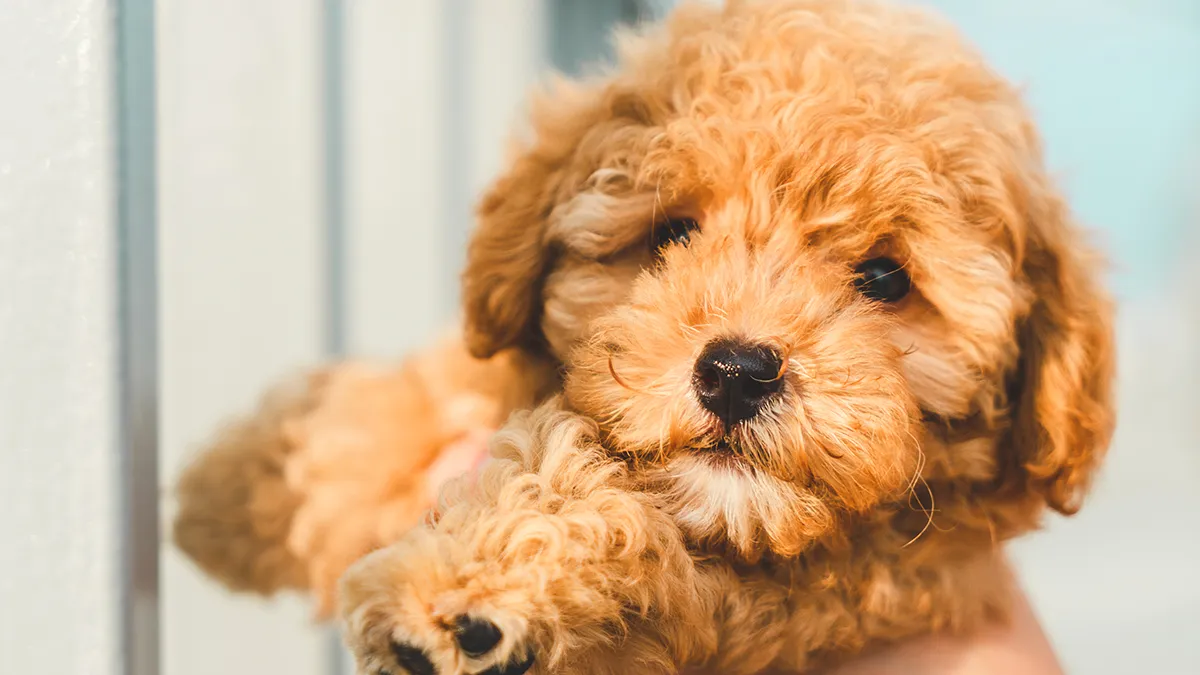
Credit: pettitookc.com
Myths Vs. Facts About Teddy Bear Dogs And Allergies
Teddy Bear dogs often get a reputation for being hypoallergenic. Many people believe these small, fluffy dogs don’t cause allergies. This section clears up myths and shares facts about Teddy Bear dogs and allergies. Understanding the truth helps potential owners make better choices.
Common Misconceptions
Many think Teddy Bear dogs never trigger allergies. The idea comes from their soft, curly hair. People assume less shedding means less allergen spread. Some say Teddy Bears produce no dander. Others believe all small dogs are hypoallergenic. These are common but wrong beliefs.
Allergy triggers come from proteins in dog saliva, skin flakes, and urine. Fur length or curl does not stop allergens. Even dogs with hair that looks like a teddy bear’s can cause reactions. No dog breed is completely allergy-free.
Scientific Findings
Research shows allergens come from skin and saliva, not just fur. Studies find no dog breed is 100% hypoallergenic. Some breeds release fewer allergens but still affect sensitive people. Teddy Bear dogs may produce fewer allergens than some breeds.
Regular grooming reduces dander and saliva on fur. Bathing and brushing help lower allergens in the home. Scientific tests back that cleaning dogs helps allergy sufferers. Allergy response varies by person, not just by dog breed.
Managing Allergies With Teddy Bear Dogs
Managing allergies with Teddy Bear dogs requires careful steps to reduce allergens. These dogs are loved for their friendly nature and cute looks. Still, people with allergies must take precautions. Simple habits can lower allergic reactions and help enjoy time with these pets.
Grooming Tips To Reduce Allergens
Regular grooming helps keep allergens under control. Brush your Teddy Bear dog often to remove loose hair and dander. Use a damp cloth to wipe your pet’s coat. Bathing your dog once every two weeks can reduce allergens on the fur. Clean ears and trim nails to avoid irritation. Grooming outside your home limits allergen spread indoors.
Home Cleaning Strategies
Cleaning your home reduces pet allergens in the air and surfaces. Vacuum carpets and rugs with a HEPA filter vacuum cleaner. Wash pet bedding weekly in hot water. Use air purifiers to trap allergens and freshen air. Keep floors clean, especially in rooms where the dog spends time. Avoid heavy fabrics that hold pet hair and dander.
Choosing The Right Breed For Allergy Sufferers
Not all Teddy Bear dogs cause the same allergy level. Breeds with curly or wavy coats shed less dander. Examples include Poodle mixes or Bichon Frise crosses. These breeds often suit allergy sufferers better. Spend time with the dog before adopting to test your reaction. Select dogs with coats that fit your allergy needs.
Alternatives To Teddy Bear Dogs For Allergy Sufferers
Many people love Teddy Bear dogs for their cute looks and friendly nature. Yet, these dogs may still trigger allergies. Allergy sufferers need pets that cause fewer reactions. Finding alternatives can help people enjoy pets without discomfort.
Truly Hypoallergenic Breeds
Some dog breeds cause fewer allergies than others. These breeds shed less hair and dander. Examples include the Poodle, Bichon Frise, and Maltese. These dogs have hair that grows continuously. This hair traps dander and reduces airborne allergens. People with allergies often tolerate these breeds better.
Other Pet Options
Not all pets cause allergies. Fish, reptiles, and birds can be great companions. They do not produce dander or shed hair. Small mammals like hamsters or guinea pigs may also suit allergy sufferers. Always check if a pet fits your lifestyle and allergy needs before adoption.
Frequently Asked Questions
Are Teddy Bear Dog Breeds Truly Hypoallergenic?
Teddy Bear dog breeds are not completely hypoallergenic. They shed less dander, reducing allergens. However, sensitive individuals may still react to their fur and saliva.
Which Teddy Bear Breeds Cause Fewer Allergies?
Breeds like the Bichon Frise and Shih Tzu, often crossed to create Teddy Bears, shed minimally. These breeds produce fewer allergens, making them better for allergy sufferers.
How Can I Reduce Allergies With Teddy Bear Dogs?
Regular grooming and frequent cleaning reduce dander and allergens. Using air purifiers and washing dog bedding also helps minimize allergic reactions in sensitive homes.
Do Teddy Bear Dogs Require Special Care For Allergies?
Yes, they need regular grooming and baths to control shedding. This care helps manage allergens and keeps the dog comfortable and healthy for allergy-prone owners.
Conclusion
Teddy bear dog breeds may seem perfect for allergy sufferers. They shed less hair, but no dog is fully hypoallergenic. Allergies come from dander, saliva, and urine, not just fur. Some people react differently to various breeds. Spending time with a dog before adopting helps test allergies.
Regular grooming and cleaning reduce allergy symptoms a lot. Choosing the right breed is important for your health. Enjoying a dog is possible with proper care and attention. Teddy bear dogs can be a loving, gentle companion for many.