

Are you tired of dealing with dog hair all over your clothes and furniture? Or maybe you love dogs but worry about allergies flaring up every time you’re around them.
You’re not alone. Finding a dog that doesn’t shed much and is hypoallergenic can feel like searching for a needle in a haystack. But what if you could discover breeds that fit both these needs perfectly? Keep reading, because we’re about to reveal the best dog breeds that won’t leave you sneezing or cleaning up endless fur.
Your perfect furry friend might be closer than you think!
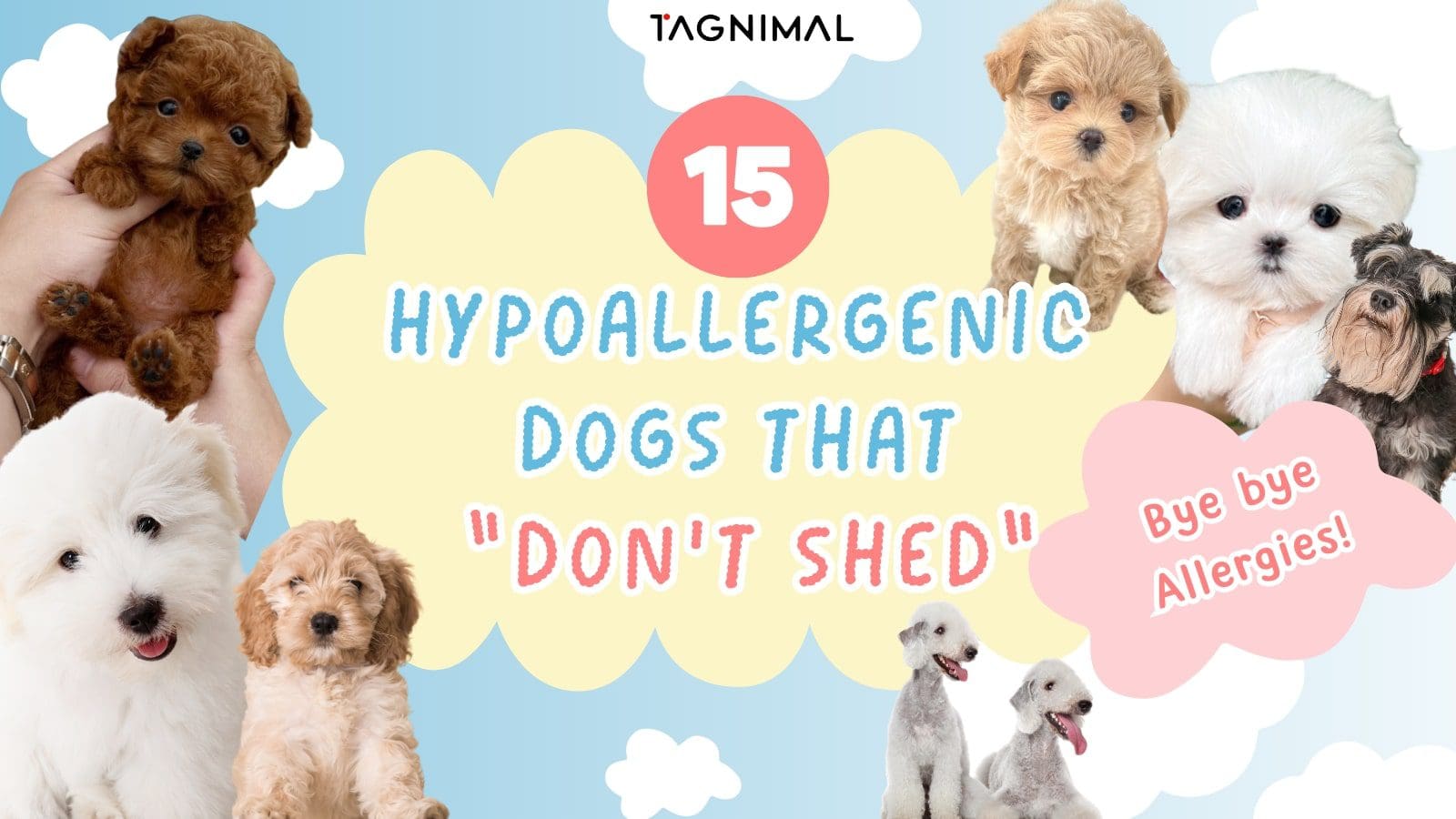
Credit: www.tagnimal.com
Hypoallergenic Dog Traits
Hypoallergenic dogs are popular for people with allergies. They shed less and cause fewer allergic reactions. These dogs have special traits that reduce allergens in the home. Understanding these traits helps you choose the right dog breed.
Not all dogs labeled hypoallergenic are the same. Some shed very little, while others produce less dander. Dander is a common cause of allergies. Dogs with tight, curly coats often trap dander better.
What Makes A Dog Hypoallergenic
A hypoallergenic dog usually sheds less hair and skin flakes. These dogs produce less dander, which carries allergens. Their coat type helps keep dander from spreading. Some breeds have hair that grows continuously and does not fall out easily.
Hypoallergenic dogs often need regular grooming. Grooming removes loose hair and dander. This keeps allergens low in your home. These dogs may also have less saliva or different skin oils that cause fewer allergies.
Common Allergens In Dogs
Dog allergens mainly come from dander, saliva, and urine. Dander consists of tiny skin flakes that stick to hair and surfaces. It can trigger sneezing, itching, and watery eyes.
Saliva contains proteins that also cause allergies. When dogs lick themselves or people, saliva can spread. Urine contains allergens too, especially in male dogs.
Shedding increases allergen spread. Dogs that shed less keep allergens more contained. This lowers allergy risks at home.
Low-shedding Dog Characteristics
Low-shedding dogs have coats that lose very little hair. These dogs are great for people with allergies or those who want less cleaning. Their fur often traps dander, which helps reduce allergic reactions. Many of these breeds also have special coat types that shed less than others.
Understanding these traits helps you choose a dog that fits your lifestyle. It also helps keep your home cleaner and allergy symptoms lower. Let’s explore how shedding affects allergies and what coat types shed less.
How Shedding Affects Allergies
Shedding releases hair and dander into the air. Dander is tiny skin flakes that cause allergies. When dogs shed a lot, dander spreads more easily. This can trigger sneezing, itching, and watery eyes.
Low-shedding dogs release less hair and dander. This means fewer allergy problems for sensitive people. Their coats hold onto dander better, reducing airborne particles.
Coat Types That Shed Less
Curly and wiry coats shed less than straight ones. Dogs with these coats trap loose hair inside their fur. This stops hair from falling all over your home.
Examples include poodles and terriers. Their unique hair grows continuously and does not fall out easily. Regular grooming keeps their coats healthy and clean.
Silky and fine coats may also shed less, but they need more care. Understanding coat types helps pick a dog that fits allergy needs.
Top Hypoallergenic, Low-shedding Breeds
Choosing a dog breed that is hypoallergenic and sheds little is important for many pet lovers. These breeds cause fewer allergy problems and keep homes cleaner. They suit people who want a friendly pet without much fur around.
Below are some top breeds known for low shedding and being hypoallergenic. Each has unique traits and makes a great companion.
Poodle
Poodles come in three sizes: standard, miniature, and toy. Their curly coats trap hair and dander, reducing shedding. They need regular grooming to stay healthy. Poodles are smart and easy to train. They enjoy activities and love spending time with their owners.
Bichon Frise
Bichon Frises have soft, curly fur that sheds very little. Their hair grows continuously, so grooming is important. These dogs are cheerful and playful. They do well in apartments and homes. Bichons form strong bonds with family members.
Maltese
The Maltese has a long, silky coat that sheds minimally. They require daily brushing to prevent tangles. Maltese dogs are gentle and friendly. They enjoy attention and make excellent lap dogs. Their small size fits well in smaller living spaces.
Portuguese Water Dog
Portuguese Water Dogs have curly, water-resistant coats that shed little. They need regular grooming and exercise. These dogs are energetic and love water activities. They are loyal and protective of their families. Portuguese Water Dogs adapt well to active lifestyles.
Shih Tzu
Shih Tzus have dense, flowing coats that shed very little. Their hair grows long and requires frequent grooming. They are calm, loving, and good with children. Shih Tzus enjoy indoor life and short walks. These dogs thrive on companionship and care.
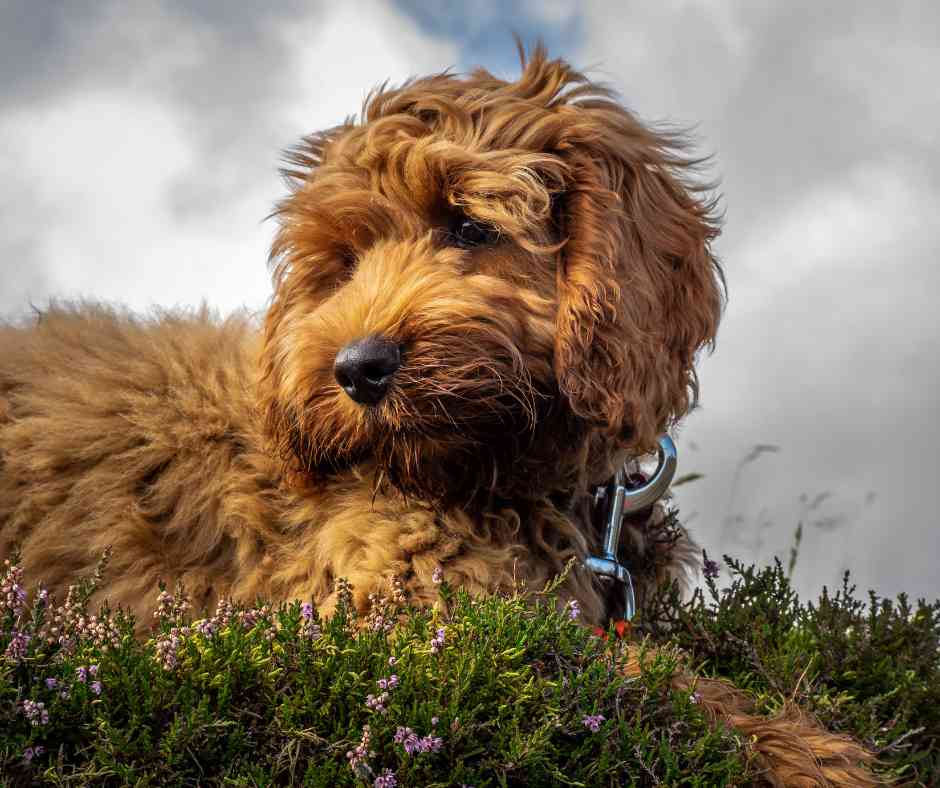
Credit: animology.co.uk
Care Tips For Hypoallergenic Dogs
Caring for hypoallergenic dogs takes some special steps. These breeds shed less and cause fewer allergies. Still, they need regular care to stay healthy and happy. Good habits help keep their coat clean and reduce dander.
Proper care supports your dog’s well-being. It also helps keep your home fresh and allergy-friendly. Here are two key areas to focus on for hypoallergenic dogs.
Grooming Practices
Brush your dog’s coat often to remove loose hair. Use a comb made for their hair type. Bathing every 4 to 6 weeks keeps skin clean and reduces allergens. Use a mild shampoo made for dogs. Trim their nails regularly to avoid discomfort. Check ears for dirt or signs of infection. Clean ears gently with a vet-approved solution. Grooming helps control shedding and keeps your dog comfortable.
Maintaining A Clean Home
Vacuum floors and furniture frequently to catch pet hair and dander. Use a vacuum with a HEPA filter for best results. Wash your dog’s bedding weekly in hot water. Clean hard floors with a damp mop to remove dust and allergens. Keep your dog’s toys and blankets clean too. Avoid carpets if possible, as they trap allergens. A clean home means fewer allergy triggers and a healthier space for everyone.
Choosing The Right Breed For You
Choosing the right hypoallergenic and low-shedding dog breed takes thought. Each breed has unique needs and traits. Consider your daily life and how a dog fits into it. This helps make a happy home for you and your pet. Health is also key. Some breeds face common health issues. Knowing this helps avoid future problems. Think about these points before deciding on a breed.
Lifestyle Compatibility
Think about your daily routine. Active people may want energetic breeds like the Poodle. Quiet homes might suit calm dogs like the Bichon Frise. Space matters too. Larger breeds need more room to move. Smaller dogs can live in apartments. Also, consider grooming needs. Some hypoallergenic dogs require regular grooming. Time for walks and play matters. Choose a breed that matches your lifestyle well.
Health Considerations
Each breed has health traits to watch. Some may have allergies or joint issues. Research common problems in the breed you like. Regular vet visits help catch problems early. Diet and exercise keep dogs healthy. Knowing health needs prepares you for care. A healthy dog lives longer and happier. Choose a breed with health traits you can manage.
:strip_icc()/GettyImages-166719138-7affca77fc9346ca9e406d8ea3ed2495.jpg)
Credit: www.thesprucepets.com
Frequently Asked Questions
What Are Hypoallergenic Dog Breeds?
Hypoallergenic dog breeds produce fewer allergens, reducing allergy symptoms. They usually have hair instead of fur, which sheds less. Examples include Poodles, Bichon Frises, and Portuguese Water Dogs, ideal for allergy sufferers.
Which Dog Breeds Don’t Shed Much?
Breeds like the Maltese, Shih Tzu, and Basenji shed very little. These dogs require regular grooming to keep their coats healthy and minimize shedding further.
Are Hypoallergenic Dogs Completely Non-shedding?
No, hypoallergenic dogs still shed minimally. They shed less dander and hair, which reduces allergic reactions but doesn’t eliminate shedding entirely.
How To Care For Hypoallergenic, Low-shedding Dogs?
Regular grooming and bathing help control shedding and allergens. Use a vacuum with a HEPA filter to clean your home and reduce allergens effectively.
Conclusion
Choosing a dog that does not shed and is hypoallergenic helps many families. These breeds suit people with allergies and keep homes cleaner. Small or large, there are many options to fit your lifestyle. Remember, every dog needs love and care, no matter the breed.
Finding the right pet brings joy and comfort to your home. Enjoy the company of a furry friend without worry.


