
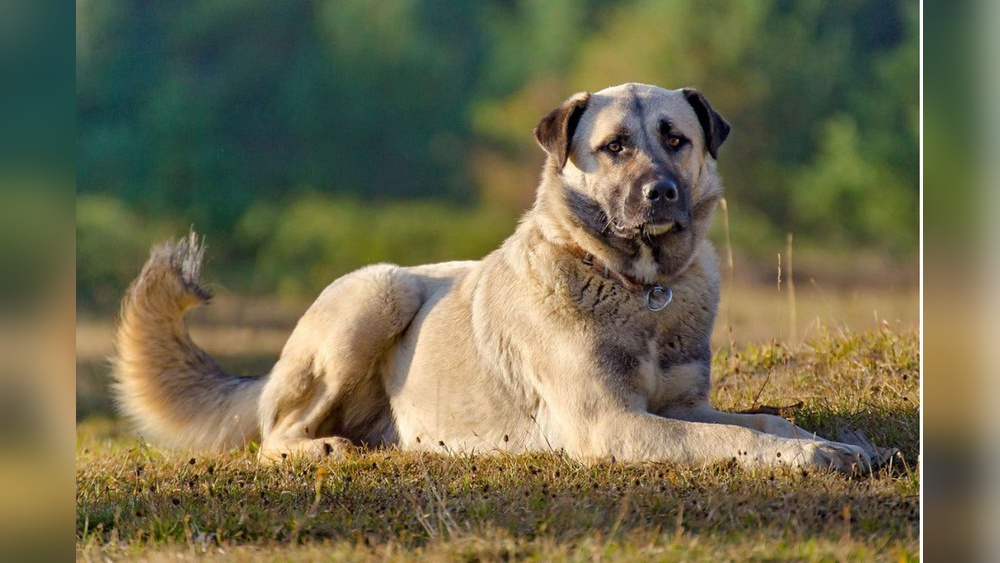
Have you ever noticed extra toes on a dog’s paws and wondered what they are? Those little extras are called double dewclaws, and they’re more common in some dog breeds than you might think.
If you’re curious about which dogs have these unique features and why they matter, you’re in the right place. Understanding double dewclaws can help you learn more about your dog’s anatomy, health, and even their history. Keep reading to discover the dog breeds with double dewclaws and why these small toes might make a big difference for your furry friend.
Double Dewclaws Explained
Some dog breeds have a rare feature called double dewclaws. These are extra toes found on the inside of the back legs. Unlike regular dewclaws, which are common in many dogs, double dewclaws are unique and serve special purposes. Understanding these claws helps us appreciate the breed’s history and function better.
Double dewclaws are not just extra nails. They have bones and joints, making them more like true toes. This feature is most common in certain working and hunting breeds. It shows how dogs evolved to have better grip and control on rough terrain.
Anatomy Of Dewclaws
Dewclaws are small toes located higher up on the leg. Most dogs have one dewclaw on each front leg. Double dewclaws mean two toes on one leg. These toes have bones, muscles, and ligaments. They can move slightly and help dogs hold things or climb.
Double dewclaws usually appear on the back legs. Not all dogs have them. They are part of the dog’s paw structure but do not touch the ground when walking. The extra toes look like small thumbs or extra fingers.
Function Of Double Dewclaws
Double dewclaws help dogs with balance and traction. Dogs that run fast or climb rocky hills benefit from extra grip. These toes provide better control when turning or stopping quickly.
Hunting breeds use double dewclaws to hold prey. They act like extra nails for gripping. This feature makes them more efficient hunters and workers in rough environments. It also prevents slipping on uneven surfaces.

Credit: www.reddit.com
Common Breeds With Double Dewclaws
Some dog breeds naturally have double dewclaws on their hind legs. These extra claws help dogs with traction and stability. Double dewclaws are more common in certain working and herding breeds. They serve a practical purpose in rough terrain or when dogs make sharp turns.
These breeds often keep their double dewclaws intact. Removing them can affect their movement and balance. Understanding which breeds have double dewclaws helps owners provide better care.
Great Pyrenees
The Great Pyrenees is a large mountain dog. It has double dewclaws on its back legs. These claws help it grip rocky surfaces. The breed uses them while guarding livestock in the mountains. Owners should check these claws regularly for injuries.
Briard
Briards are French herding dogs with double dewclaws. These extra claws add stability during fast turns. Briards work on farms and need strong footing. Their dewclaws help prevent slips on wet grass or mud. Proper trimming keeps them healthy and clean.
Beauceron
The Beauceron is another French breed with double dewclaws. This dog is agile and strong. Double dewclaws improve its balance and speed. Beaucerons use these claws for better grip on uneven ground. Regular care of dewclaws is important for comfort.
Rare Breeds And Variations
Double dewclaws are rare in dogs. Most dogs have a single dewclaw or none at all. Some unusual breeds carry this unique trait. These rare breeds show interesting paw structures. They often have double dewclaws on their hind legs. This feature helps with balance and climbing. Let’s explore some of these uncommon breeds.
Norwegian Lundehund
The Norwegian Lundehund is famous for its six toes. This breed has double dewclaws on all four feet. These extra toes help it climb steep cliffs. The Lundehund was bred to hunt puffins on rocky coasts. Its unique paws give it better grip and agility. This breed is one of the few with this special trait.
Other Uncommon Breeds
Besides the Lundehund, some other rare breeds have double dewclaws. The Great Pyrenees sometimes shows this feature on its hind legs. The Beauceron is another breed with double dewclaws. These dewclaws are strong and functional, not just decorative. They help these dogs with stability during movement. Such traits are often linked to their working roles.

Credit: www.woofblankets.com
Genetics Behind Double Dewclaws
Double dewclaws are unique features found on some dog breeds. These extra claws appear on the inside of a dog’s legs, above the regular paws. The presence of double dewclaws is influenced by genetics. Understanding the genetic background helps explain why some breeds have them and others do not.
Genes control the development of dewclaws during a puppy’s growth. These genes pass from parents to puppies, affecting their traits. Studying these hereditary patterns reveals how double dewclaws are inherited in certain breeds.
Hereditary Patterns
Double dewclaws follow specific hereditary patterns. They often appear in breeds with strong working or hunting backgrounds. The trait tends to be dominant, meaning one parent with double dewclaws can pass it on easily. Breeders observe these patterns to maintain or reduce double dewclaws in litters. Genetic variation explains why some puppies have them and others do not, even in the same litter.
Evolutionary Benefits
Double dewclaws may offer evolutionary benefits to dogs. They provide extra grip and stability on rough terrains. This helps dogs run faster and climb better. Working dogs, like some herding breeds, gain an advantage from these claws. Over time, natural selection favored dogs with double dewclaws in certain environments. This explains why these claws remain present in specific breeds today.
Care And Health Considerations
Double dewclaws need special attention to stay healthy. Owners must understand their care needs. These extra claws can cause problems if ignored. Regular checks and grooming keep dogs comfortable. Knowing what to watch for helps avoid issues.
Grooming Double Dewclaws
Double dewclaws require careful grooming. They grow faster than normal nails. Trim them often to prevent catching or splitting. Use sharp nail clippers made for dogs. Avoid cutting too close to the skin. Clean around the dewclaws to stop dirt buildup. Check for redness or swelling during grooming. Healthy dewclaws feel firm and look clean.
Potential Medical Issues
Double dewclaws can cause health problems. They may get injured easily during play. Torn or broken dewclaws can hurt a lot. Infections can develop if wounds are untreated. Arthritis can affect dewclaw joints in older dogs. Watch for limping or licking the area often. Visit a vet if you notice pain or swelling. Early treatment prevents serious complications.
Double Dewclaws In Working Dogs
Double dewclaws are extra toes found on the inside of a dog’s front legs. Some working dog breeds naturally have these double dewclaws. These extra toes can help dogs with balance and grip. They are especially useful for dogs that work in tough environments or perform demanding tasks.
Impact On Mobility
Double dewclaws provide extra support to working dogs. They help dogs hold onto rough or slippery surfaces. This makes running and turning easier. Dogs with double dewclaws can move more steadily. These toes act like extra anchors when dogs climb or jump.
Role In Performance
Working dogs rely on strength and agility. Double dewclaws improve their ability to grip and dig. This helps in herding, hunting, and rescue work. The extra toes also reduce the risk of injury. They give dogs better control and power during tasks. Many working dog breeds have kept these claws for their benefits.
Credit: www.reddit.com
Frequently Asked Questions
What Are Double Dewclaws In Dogs?
Double dewclaws are extra toes found on a dog’s front legs. They usually appear as two small claws above the paw. This trait is genetic and common in certain dog breeds, providing extra grip and stability.
Which Dog Breeds Commonly Have Double Dewclaws?
Breeds like the Great Pyrenees, Beauceron, and Briard often have double dewclaws. These breeds naturally grow two claws on their hind legs, which helps with climbing and balance in rough terrain.
Do Double Dewclaws Affect A Dog’s Health?
Double dewclaws generally do not harm dogs. However, they require regular trimming to avoid overgrowth or injury. Proper care ensures these extra claws do not cause pain or mobility issues.
Why Do Some Dogs Have Double Dewclaws Genetically?
Double dewclaws are a hereditary trait passed through generations. They evolved to assist dogs in gripping surfaces and improving stability, especially in working and herding breeds.
Conclusion
Double dewclaws appear in several dog breeds, each with unique traits. These extra toes can help with balance and movement. Breeds like the Great Pyrenees and Beauceron often have them. Knowing about double dewclaws helps you understand your dog better.
They are part of your dog’s natural design. Watch how your dog moves and plays. This knowledge adds to your care and appreciation. Every dog is special, with features that tell their story. Keep learning about your furry friend’s unique traits.
It makes your bond stronger and your care smarter.


