

Are you wondering when your furry friend will finally stop having accidents inside the house? Knowing what age dogs are potty trained can save you a lot of frustration and help you plan your training better.
Whether you have a playful puppy or are thinking about bringing one home, understanding the potty training timeline is key to success. Keep reading to discover the ages when most dogs learn this important skill—and how you can make the process smoother for both you and your pet.

Credit: vermontmarblemuseum.org
Typical Potty Training Ages
Potty training is an important step for every dog owner. Most dogs learn to go outside between two and six months old. Patience and consistency help speed up this process. Understanding typical potty training ages makes the experience easier for you and your dog.
Puppy Development Stages
Puppies start to control their bladder around eight weeks old. At this age, they need frequent bathroom breaks. By four months, many puppies hold it longer and learn where to go. Around six months, most dogs can wait several hours. Training during these stages helps puppies build good habits.
Breed And Size Impact
Small breeds often take longer to potty train. Their tiny bladders fill quickly and need more breaks. Larger dogs usually learn faster because they hold more urine. Some breeds may be stubborn or sensitive. Knowing your dog’s breed helps set realistic potty training goals.
Credit: www.akc.org
Signs Of Readiness
Knowing when a dog is ready for potty training helps make the process smooth. Dogs show clear signs before they can learn where to go. Watching these signs can save time and frustration.
Signs of readiness include changes in behavior and physical growth. Recognizing these clues helps start training at the right moment.
Physical And Behavioral Cues
Puppies need control over their bladder and bowels to begin potty training. This control usually comes around 12 to 16 weeks old. Watch for fewer accidents and longer times between bathroom needs.
Behavior changes also signal readiness. Puppies may sniff the floor or circle before going. Some dogs go to the door or whine when they need to go out. These actions show they understand the need to eliminate.
Timing And Consistency
Starting training too early can cause confusion and accidents. Begin when the dog shows physical control and behaviors. Consistent bathroom times help puppies learn faster.
Take puppies out often, especially after eating, drinking, or playing. Use the same spot outside. Praise and reward help dogs remember the right place. This routine builds good habits quickly.
Effective Training Methods
Potty training a dog takes patience and the right methods. Using effective training methods helps your dog learn faster. It also makes the process smoother and less stressful for both of you.
Dogs respond best to clear signals and consistent care. Training methods that suit your dog’s nature bring better results. Here are some proven ways to potty train your dog efficiently.
Crate Training Basics
Crate training uses a small, enclosed space for your dog. Dogs naturally avoid soiling their sleeping area. This helps teach them to hold their bladder. Make the crate comfortable with bedding and toys. Never use the crate as punishment. Start with short crate times and increase gradually.
Positive Reinforcement
Praise and treats encourage your dog to repeat good behavior. Reward your dog immediately after they go potty outside. This helps them connect the action with the reward. Use kind words and petting along with treats. Avoid punishment, as it can cause fear and confusion.
Establishing A Routine
Dogs thrive on routine and predictability. Take your dog outside at the same times each day. Common times include after waking, eating, and playing. Consistent timing helps them learn when to expect potty breaks. This reduces accidents and builds good habits quickly.
Common Challenges
Potty training dogs can be tricky. Many owners face common challenges during this process. Understanding these challenges helps keep patience and progress steady.
Accidents And Setbacks
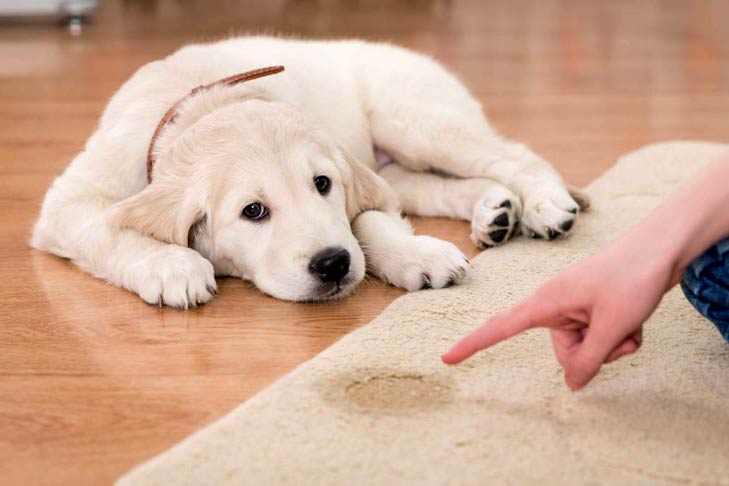
Accidents happen even with well-trained dogs. Puppies need time to learn control. Some days are better than others. Clean accidents quickly to avoid repeat problems. Use positive words to encourage your dog. Never punish for accidents; it confuses them. Setbacks are part of learning. Stay calm and consistent with training.
Dealing With Regression
Regression means your dog forgets potty rules. Stress or changes in routine can cause this. New environments make dogs unsure. Keep routines steady during changes. Return to basics if accidents increase. Patience helps dogs regain good habits. Praise small successes to build confidence.
Health-related Issues
Sometimes accidents signal health problems. Urinary infections or stomach issues affect control. Watch for frequent accidents or changes in behavior. Visit a vet if problems persist. Treating health issues helps training progress. Always check health before blaming behavior. Good health supports faster potty training.
Tips For Long-term Success
Potty training a dog is a process that takes time and care. Success depends on consistent effort and adapting to your dog’s needs. Follow these tips to help your dog learn good habits for life. These steps also reduce accidents and stress for both of you.
Patience And Persistence
Dogs learn at different speeds. Some catch on quickly, others need more time. Stay calm and keep trying even if mistakes happen. Praise your dog when they do well. Use gentle corrections when they mess up. Avoid punishment. Keep routines steady. This helps your dog understand what you want.
Adjusting Techniques As Dogs Grow
Puppies need more frequent bathroom breaks than older dogs. As they grow, you can space out these breaks. Watch your dog’s signals and adjust your training plan. Some dogs respond better to crate training, others to outdoor routines. Change your approach if needed. Stay flexible and patient.
When To Seek Professional Help
Sometimes potty training stalls. Your dog may have health problems or anxiety. If accidents continue, talk to your vet. A trainer or behaviorist can help with tough cases. Early help can prevent bad habits. Don’t wait too long to get advice.

Credit: www.amazon.com
Frequently Asked Questions
At What Age Are Puppies Usually Potty Trained?
Puppies are typically potty trained between 4 to 6 months old. Consistent training and patience are essential during this period. Early socialization and routine help speed up the process.
How Long Does Potty Training A Dog Usually Take?
Potty training can take anywhere from a few weeks to several months. The timeline depends on the dog’s age, breed, and training consistency. Patience and positive reinforcement improve success.
What Are The Signs A Dog Is Ready For Potty Training?
Signs include staying dry for longer periods and showing interest in going outside. Puppies also start recognizing bathroom spots and responding to commands. These cues indicate readiness for training.
Can Older Dogs Be Potty Trained Successfully?
Yes, older dogs can learn potty training with patience and consistent routines. It may take longer than with puppies, but success is achievable with positive reinforcement.
Conclusion
Dogs usually learn potty training between 4 to 6 months old. Every dog is different, so patience is key. Consistent routines help dogs understand where to go. Rewarding good behavior encourages quick learning. Remember, accidents will happen during training. Stay calm and keep trying.
With time and care, your dog will become potty trained. Enjoy the process and bond with your pet. Potty training builds trust and good habits. Your dog will thank you with a happy, clean home.


