

If you’ve recently neutered your dog, you’re probably wondering how this change will affect their behavior. You might notice some new habits or wonder if your furry friend will act differently.
Understanding what to expect can help you feel more confident and prepared. You’ll discover the common changes in post neuter dog behavior and learn how to support your pet through this transition. Keep reading to find out what’s normal and how to keep your dog happy and healthy after neutering.
Behavioral Changes After Neutering
Neutering a dog leads to several behavioral changes. These changes happen because of shifts in hormones. Understanding these changes helps owners care better for their pets. Some behaviors decrease, while others may shift in intensity. Observing your dog closely after surgery is important. It helps you support their adjustment period.
Reduction In Aggression
Neutering often lowers aggressive behavior in male dogs. Testosterone drives many aggressive acts. Lower hormone levels mean fewer fights and less dominance display. This change makes dogs calmer around other animals and people. Aggression linked to mating and territory tends to fade.
Decrease In Roaming Tendencies
Intact male dogs may roam to find mates. Neutering reduces this urge significantly. Dogs stay closer to home after surgery. This behavior lowers the risk of accidents and getting lost. Roaming decrease improves safety and peace of mind for owners.
Changes In Marking Behavior
Urine marking is common in intact males. Neutering cuts down the need to mark territory. Many dogs mark less inside and outside the house. This reduces unwanted smells and cleaning needs. Marking changes make home life more pleasant.
Impact On Playfulness And Energy Levels
Energy levels often drop after neutering. Dogs may become less hyperactive and restless. Playfulness may soften but does not disappear. Exercise needs might decrease slightly. Balanced activity helps keep dogs healthy and happy.

Credit: www.reddit.com
Health Benefits Linked To Behavior
Neutering a dog affects more than just physical health. It also changes behavior in ways that benefit overall well-being. Understanding these health benefits helps pet owners make informed choices.
Lower Risk Of Certain Diseases
Neutered dogs have a smaller chance of getting some diseases. For males, the risk of testicular cancer disappears. The chance of prostate problems also goes down. Female dogs have less chance of uterine infections and breast tumors. These health improvements reduce pain and discomfort.
Improved Longevity And Well-being
Neutered dogs often live longer than unneutered ones. They tend to have fewer health problems. This means more happy years with your pet. Behavior changes like less aggression and roaming lower accident risks. Calm dogs enjoy a safer, more relaxed life.
Managing Post-neuter Behavior
Managing your dog’s behavior after neutering is important for their health and happiness. Changes in hormones can affect their energy and mood. Careful attention helps your dog adjust smoothly to these changes.
Adjusting Exercise Routines
Neutered dogs often have less energy than before. Shorter, gentler walks help avoid stress or injury. Avoid high-impact activities for a few weeks. Gradually increase exercise as your dog recovers. This helps maintain muscle tone and prevents weight gain.
Monitoring Weight And Diet
Neutering can slow your dog’s metabolism. Feeding the same amount may cause weight gain. Measure food portions carefully to keep your dog fit. Choose high-quality, balanced dog food. Healthy weight supports overall well-being and behavior.
Providing Mental Stimulation
Neutered dogs may feel bored or restless. Offer puzzle toys or training sessions to keep their mind active. Mental exercise reduces anxiety and unwanted behaviors. Regular playtime strengthens your bond with your dog.
Credit: www.brekkevet.com
Common Myths About Neutered Dogs
Many people have strong ideas about what happens to dogs after neutering. These beliefs often come from myths. These myths can cause confusion and worry for dog owners. Understanding the truth helps owners care better for their pets.
Myth Of Complete Calmness
Some think neutered dogs become very calm and lazy. This is not true for every dog. Neutering can lower some aggressive or dominant behaviors. Dogs still have energy and need play and exercise. Their personality does not disappear. Each dog acts differently after neutering.
Misconceptions About Personality Changes
People often believe neutering changes a dog’s personality completely. Neutering does not erase a dog’s character. It can reduce unwanted behaviors like marking or roaming. Dogs keep their unique traits, such as friendliness or shyness. The core personality stays the same after surgery.
Tips For A Smooth Transition
Helping your dog adjust after neutering is important for their health and happiness. A smooth transition can reduce stress and speed up recovery. Simple steps make a big difference during this time.
Focus on comfort, patience, and knowing when to ask for help. These tips create a safe space for your dog to heal and feel secure.
Creating A Comfortable Recovery Space
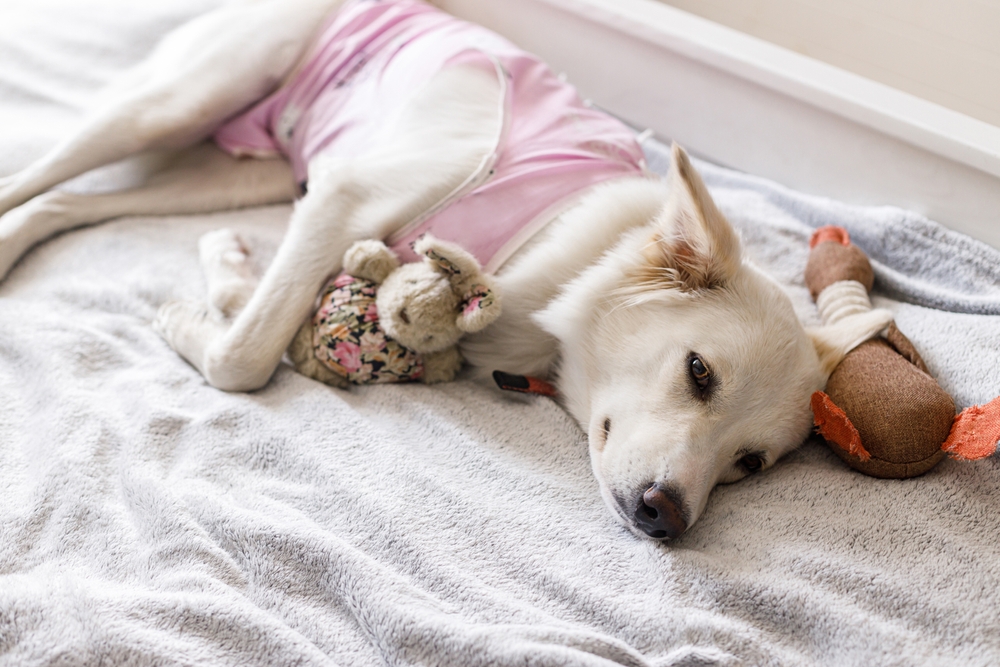
Choose a quiet and warm area for your dog to rest. Use soft bedding to cushion their body. Keep the space clean and free from drafts or loud noises. Limit their movement to prevent injury. Provide fresh water nearby. This helps your dog stay calm and comfortable.
Patience And Positive Reinforcement
Your dog may act different after surgery. Stay calm and gentle with them. Use kind words and offer treats for good behavior. Avoid rough play or long walks. Give them time to heal and regain energy. Patience helps your dog feel safe and loved.
When To Consult A Veterinarian
Watch for signs of pain or infection, like swelling or redness. Notice if your dog stops eating or seems very tired. Check for unusual discharge or bad smell at the surgery site. Contact your vet if you see these signs. Early help prevents serious problems.

Credit: www.reddit.com
Frequently Asked Questions
How Does Neutering Affect My Dog’s Behavior?
Neutering often reduces aggression and territorial marking. It can calm hyperactive dogs and decrease roaming tendencies. However, behavior changes vary by individual dog and environment.
Will Neutering Change My Dog’s Energy Levels?
Many dogs experience a slight drop in energy after neutering. They may become calmer and less excitable. Proper exercise and mental stimulation remain essential for their health.
Can Neutering Stop My Dog From Mounting Behavior?
Neutering usually reduces mounting caused by hormonal drives. However, some dogs may mount due to habit or dominance. Training and behavior management help alongside neutering.
Does Neutering Impact My Dog’s Social Interactions?
Neutered dogs often show improved social behavior. They tend to be less aggressive and more tolerant with other dogs. Early socialization enhances positive interactions.
Conclusion
Neutering can change a dog’s behavior in many ways. Dogs often become calmer and less aggressive. They may show less marking and roaming. Some dogs might gain weight, so watch their diet. Every dog reacts differently to neutering. Patience helps as your dog adjusts to changes.
Understanding these behaviors makes care easier. Keep loving and training your dog well. A happy dog makes a happy home.


