

Getting your dog to sleep comfortably in a kennel can make life easier for both of you. Whether it’s for safety, travel, or creating a cozy space for your pet, training your dog to love their kennel is key.
You might worry about your dog feeling anxious or resisting at first. But with the right approach, you can turn the kennel into your dog’s favorite spot. Keep reading, and you’ll discover simple, effective steps to help your dog settle in quickly and happily.
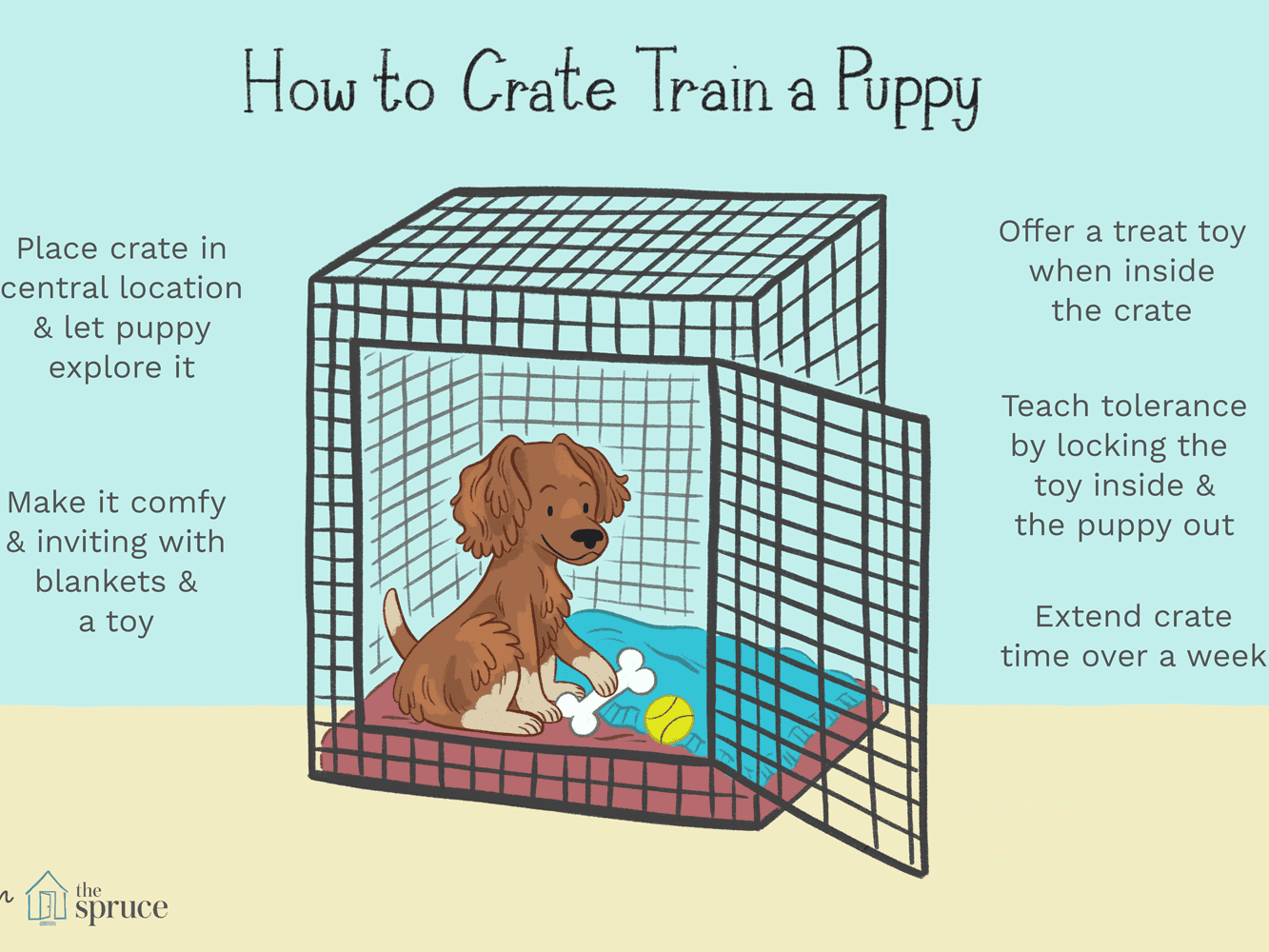
Credit: www.oaklandanimalservices.org
Choose The Right Kennel
Choosing the right kennel is key to helping your dog sleep well inside it. A good kennel feels safe and cozy. It should fit your dog’s size and needs. Picking the right one makes the training easier and more effective.
Size And Comfort
The kennel must be big enough for your dog to stand, turn, and lie down comfortably. Too small feels cramped and can cause stress. Too large might make your dog see it as a play area. Soft bedding inside adds comfort and warmth. It helps your dog relax and enjoy the space.
Material And Durability
Choose a kennel made from strong, safe materials. Plastic kennels are easy to clean and lightweight. Metal ones provide good ventilation and last longer. Check for smooth edges and secure locks to keep your dog safe. A sturdy kennel withstands chewing and scratching during training.
Create A Positive Space
Creating a positive space is key to helping your dog feel safe in the kennel. This space should invite comfort and calm. Your dog will learn to see the kennel as a happy place, not a punishment. Setting up this area carefully makes training easier and faster.
Add Familiar Items
Place your dog’s favorite toys inside the kennel. Use a blanket or bed that smells like home. Familiar smells bring comfort and reduce stress. These items make the kennel feel less strange and more inviting. Your dog will want to go inside and stay there.
Make It Cozy
Soft bedding helps your dog relax and sleep well. Choose materials that are warm and gentle on the skin. Avoid hard or noisy surfaces that may scare your dog. Keep the kennel in a quiet, calm spot in your house. A cozy kennel feels like a safe retreat for your dog.
Introduce The Kennel Gradually
Introducing your dog to the kennel takes time and patience. Start slowly so your dog feels safe and comfortable. A sudden introduction can cause fear or anxiety. Gradual steps help your dog accept the kennel as a positive space.
Short Visits First
Begin with very short visits to the kennel. Let your dog enter and leave freely. Keep the kennel door open at first. These brief visits build trust without pressure. Gradually increase the time your dog spends inside. This helps your dog get used to the new environment step by step.
Use Treats And Praise
Use treats to make the kennel inviting. Give a treat every time your dog goes in calmly. Praise your dog with a happy voice and gentle petting. This creates a positive link to the kennel. Your dog learns to enjoy being inside. Treats and praise motivate your dog to return willingly.
Credit: hakoya.co.jp
Establish A Routine
Creating a routine helps your dog feel safe and comfortable in the kennel. Dogs thrive on predictability. A steady routine reduces anxiety and builds trust. It also helps your dog understand when it’s time to rest.
Consistent Bedtime
Set the same bedtime every night. Dogs learn best with regular schedules. Pick a quiet time when your dog feels tired. This helps your dog relax and settle into the kennel. Avoid sudden changes in bedtime. Consistency makes the kennel a calm place.
Pre-kennel Activities
Give your dog time to wind down before kennel time. Gentle play or a short walk works well. Avoid exciting or rough games right before bed. A calm activity lowers energy levels. This prepares your dog to enter the kennel calmly. A quiet moment before sleep builds good habits.
Encourage Independence
Encouraging independence is key to helping your dog feel comfortable in their kennel. Dogs need space to relax alone without feeling anxious. Teaching your dog to enjoy their kennel builds confidence and reduces stress. This process takes patience and gentle guidance. The goal is for your dog to see the kennel as a safe, calm place.
Avoid Over-attention
Giving too much attention can make your dog depend on you. Dogs may cry or bark to get your focus. Avoid rushing to comfort every sound. Let your dog settle on their own. This teaches them to be calm without constant help. Over-attention can slow down kennel training. Stay calm and quiet to encourage self-soothing.
Reward Calm Behavior
Notice when your dog is calm in the kennel. Give treats or soft praise quietly. This links calmness with positive feelings. Reward only when your dog is quiet and relaxed. Avoid rewarding whining or barking. Use a gentle voice to reinforce calmness. This helps your dog learn that being calm brings good things.
Manage Nighttime Challenges
Training your dog to sleep in a kennel can bring peace to your nights. Nighttime can be tough for dogs new to kennels. They may feel lonely or scared. Managing these challenges helps both you and your pet rest better. Let’s explore ways to handle common nighttime issues.
Handling Whining
Whining is a common sign your dog feels uneasy. First, avoid giving attention every time your dog whines. This can teach them to whine more. Instead, wait for quiet moments to give praise or treats. Create a calm space with a soft blanket or toy inside the kennel. This makes the kennel feel safe and cozy. Establish a bedtime routine to help your dog relax. Over time, whining will reduce.
Dealing With Anxiety
Some dogs feel anxious in kennels at night. To ease anxiety, try placing the kennel near your bedroom. Your dog hears and smells you, which brings comfort. Use calming aids like a gentle voice or soothing music. Avoid sudden noises or bright lights that may scare your dog. Exercise your dog during the day to tire them out. A tired dog sleeps more soundly. Patience and consistency help your dog adjust and feel secure.
Maintain Kennel Hygiene
Maintaining kennel hygiene is essential for training your dog to sleep comfortably in its kennel. A clean and fresh kennel makes the space inviting. It helps your dog feel safe and relaxed. Dogs are sensitive to smells and dirt. A clean kennel prevents bad odors and germs. It also reduces stress and anxiety for your pet. Keeping the kennel clean supports your dog’s health and good habits.
Regular Cleaning
Clean the kennel at least once a week. Remove all toys, bedding, and food bowls. Use warm water and mild soap to wash the kennel walls and floor. Rinse well to remove soap residue. Dry the kennel completely before adding bedding. Spot clean any messes daily to keep the area fresh. A clean kennel encourages your dog to enjoy their sleeping space.
Fresh Bedding
Replace bedding regularly to keep it fresh and soft. Wash blankets and cushions often using pet-safe detergent. Avoid strong-smelling cleaners that can scare your dog. Use bedding that fits well inside the kennel. Soft, clean bedding makes the kennel cozy and inviting. Your dog will want to rest there more easily.
Adjust Training For Puppies Vs Adults
Training a dog to sleep in a kennel requires different approaches for puppies and adult dogs. Puppies are new to the world and need extra patience. Adults may have habits that need changing. Adjusting your training style helps your dog feel safe and comfortable.
Puppy-specific Tips
Puppies need shorter training sessions. Their attention span is small. Use gentle encouragement and praise. Place soft bedding in the kennel for comfort. Let them explore the kennel during the day. Avoid closing the door at first. Gradually increase the time they spend inside. Use treats to create positive feelings. Be patient with accidents. Puppies learn at their own pace.
Adult Dog Considerations
Adult dogs may resist change. They might have bad memories of kennels. Start by making the kennel inviting. Use familiar blankets or toys inside. Keep sessions calm and quiet. Do not force the dog inside. Use a calm voice and treats. Let them enter the kennel freely. Increase the time slowly. Consistency is key for adult dogs. Reward calm behavior to build trust.
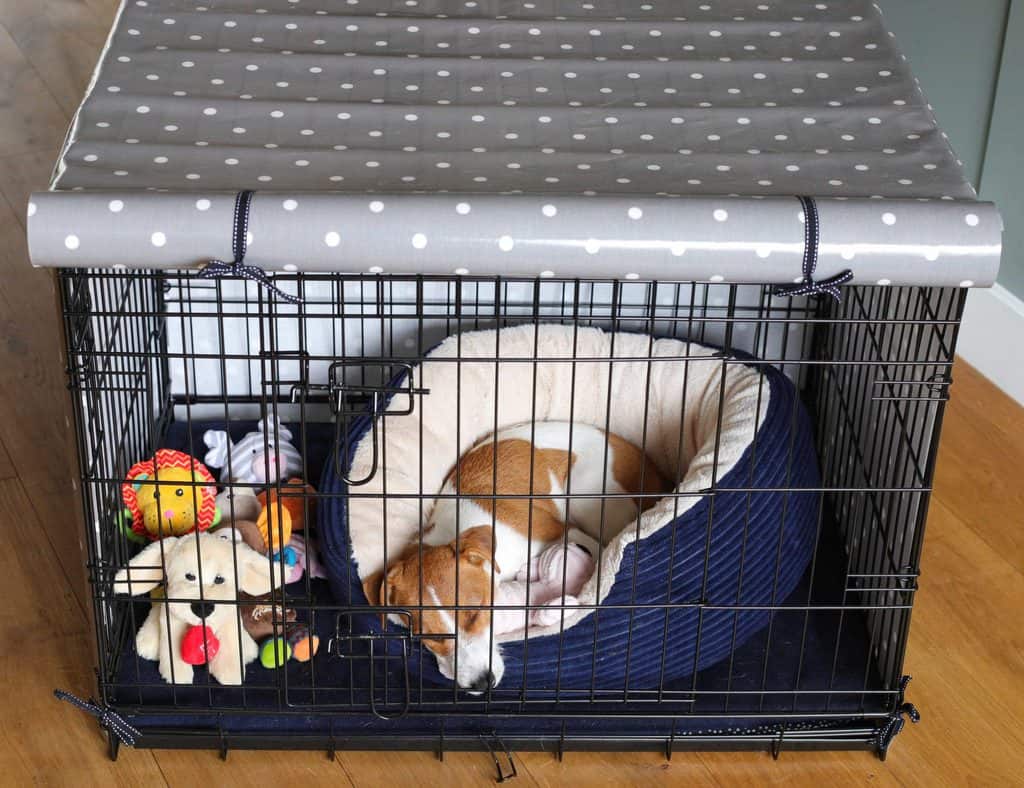
Credit: hakoya.co.jp
Frequently Asked Questions
How Do I Start Crate Training My Dog?
Begin by introducing the kennel as a safe space. Use treats and toys to encourage entry. Gradually increase the time your dog spends inside to build comfort.
What Is The Best Time To Kennel Train A Dog?
The best time is during puppyhood, between 8 to 16 weeks. Early training helps dogs adapt quickly and reduces anxiety associated with kenneling.
How Can I Make The Kennel Comfortable For My Dog?
Add soft bedding and familiar toys inside the kennel. Keep it clean and place it in a quiet, cozy area to help your dog feel secure.
How Long Should A Dog Stay In The Kennel?
Limit kennel time to 2-4 hours for puppies and up to 6-8 hours for adult dogs. Avoid prolonged confinement to ensure health and happiness.
Conclusion
Training your dog to sleep in a kennel takes time and patience. Start slow and stay consistent every day. Make the kennel a safe, cozy space your dog likes. Use treats and praise to encourage good behavior. Avoid forcing your dog inside.
Soon, your dog will see the kennel as a comfortable place to rest. Keep calm and positive throughout the process. A well-trained dog in a kennel feels secure and happy. This simple habit helps with your dog’s routine and safety.
Keep practicing, and results will follow.


