
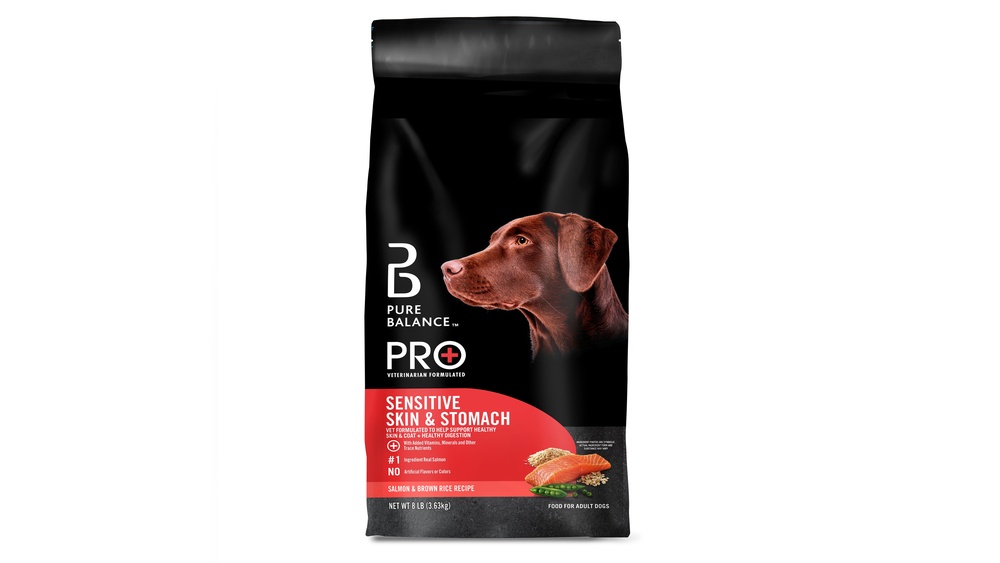
If your small dog struggles with a sensitive stomach, you know how tough it can be to find the right food. You want to keep your furry friend happy and healthy, but one wrong meal can lead to discomfort and upset.
Choosing the best dog food for small dogs with sensitive stomachs isn’t just about nutrition—it’s about giving your pet the comfort they deserve every day. You’ll discover simple, effective options that can help soothe your dog’s tummy and keep their tail wagging.
Keep reading to find the perfect match for your little companion.
Why Small Dogs Need Special Diets
Small dogs have different needs than larger dogs, especially with their food. Their tiny bodies process food in unique ways. Sensitive stomachs are common in many small breeds. Choosing the right diet helps keep them healthy and happy. Special diets provide the right nutrients without causing stomach problems.
Unique Digestive Traits
Small dogs have faster metabolisms than bigger dogs. Their digestive systems work quickly but can be sensitive. They need food that is easy to digest and gentle on the stomach. Large pieces of food can be hard for them to chew and digest. Small, nutrient-rich kibble suits their size and digestion better.
Common Sensitivities In Small Breeds
Many small breeds suffer from food allergies or intolerances. Common triggers include grains, dairy, and certain proteins. Sensitive stomachs can cause vomiting, diarrhea, or gas. Some small dogs have trouble absorbing nutrients properly. Special diets avoid common irritants and support better digestion.
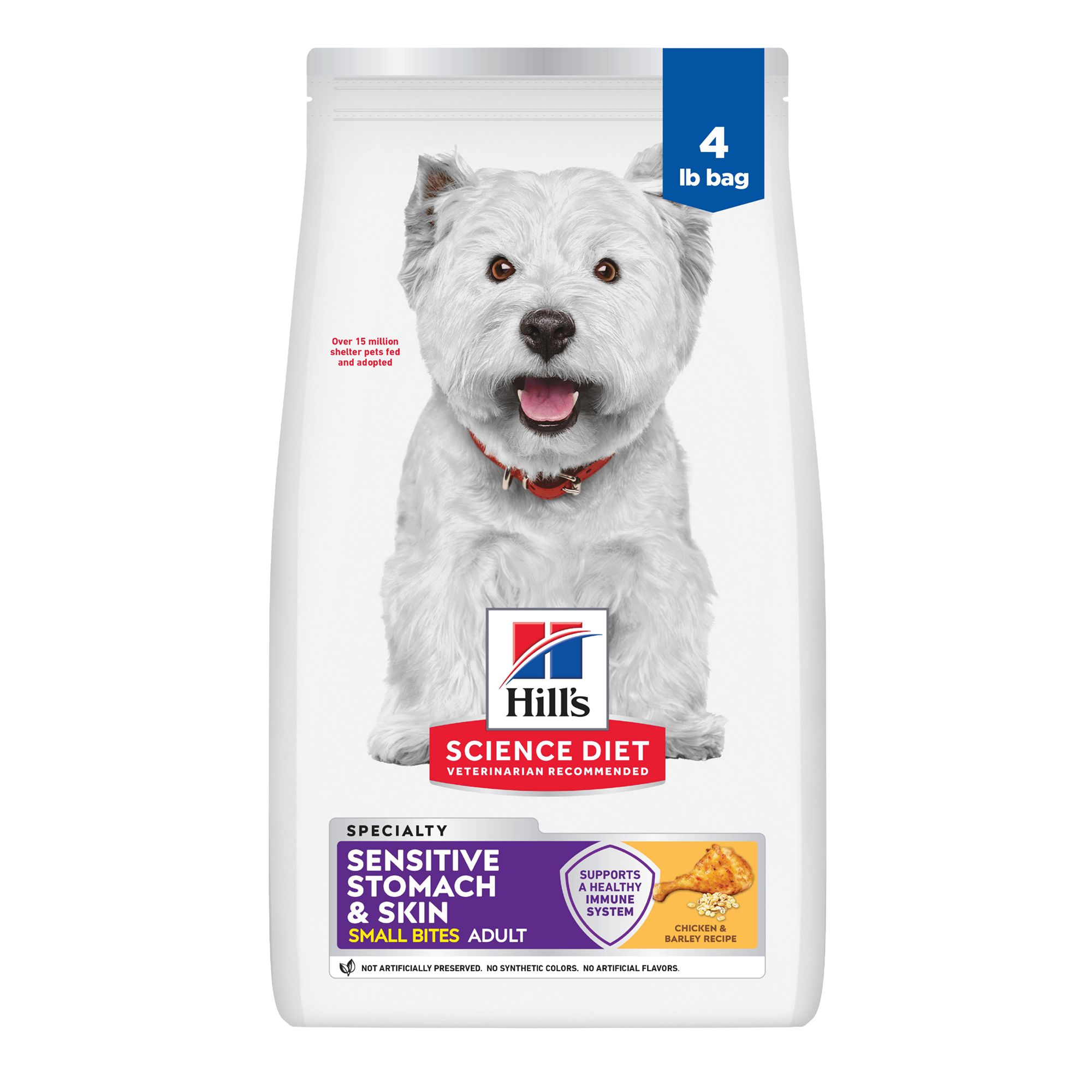
Credit: medsourcellc.com
Signs Of A Sensitive Stomach In Small Dogs
Small dogs with sensitive stomachs often show clear signs. These signs help pet owners notice problems early. Knowing these signs can guide you to choose the best dog food. Pay close attention to your dog’s health and behavior.
Frequent Digestive Issues
Digestive problems appear often in small dogs with sensitive stomachs. Vomiting and diarrhea happen more than usual. Gas and bloating may also occur after meals. Your dog might have stomach pain or discomfort. These issues suggest the dog’s tummy is not handling food well.
Behavioral Changes Related To Diet
Changes in behavior can signal stomach sensitivity. Your dog may eat less or refuse food. They might seem tired or less active than normal. Whining or scratching near the stomach area shows discomfort. Watch for any sudden mood shifts after feeding time.
Key Ingredients For Gentle Dog Food
Choosing the right ingredients is important for small dogs with sensitive stomachs. Gentle dog food supports digestion and helps avoid upset tummies. The key ingredients focus on easy digestion, fewer allergens, and gut health. These help small dogs feel better and stay healthy.
Easily Digestible Proteins
Proteins that are easy to digest reduce stomach stress. Chicken, turkey, and fish are common gentle proteins. These proteins break down quickly and absorb well. Avoid complex meats that may cause allergies or digestion problems. Simple proteins keep small dogs comfortable and nourished.
Limited Ingredient Formulas
Limited ingredient diets contain fewer components. This lowers the chance of food reactions. They often use one protein and one carbohydrate source. Fewer ingredients mean less chance of upset stomach. These formulas help identify and avoid food sensitivities.
Inclusion Of Probiotics And Fiber
Probiotics support healthy gut bacteria. They improve digestion and reduce stomach discomfort. Fiber helps move food through the digestive system. Ingredients like pumpkin and sweet potato add fiber gently. Together, probiotics and fiber keep the digestive tract balanced.
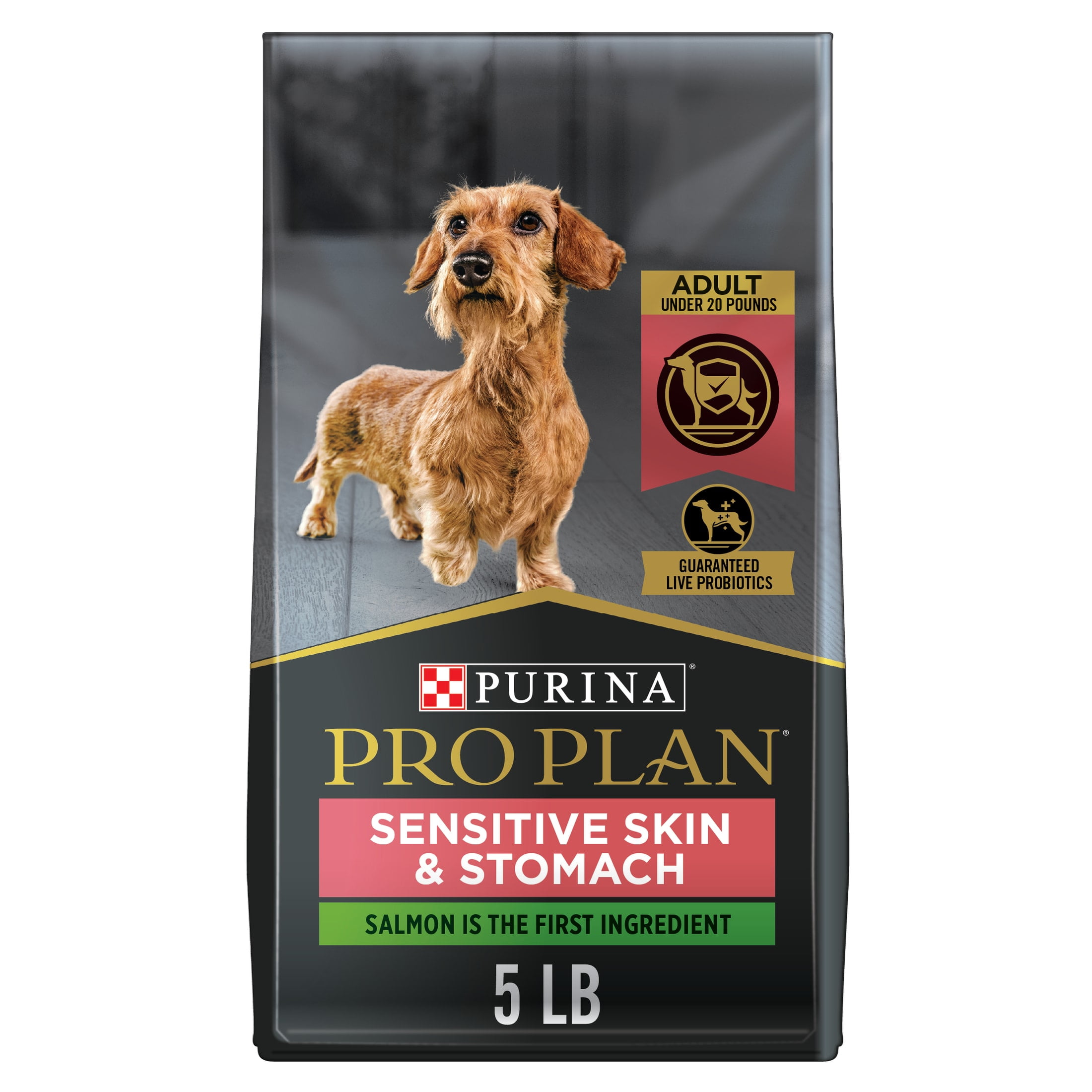
Credit: www.co2ex.com.au
Top Dog Food Picks For Sensitive Small Dogs
Choosing the right food for small dogs with sensitive stomachs is very important. These dogs need gentle ingredients that do not cause upset or discomfort. The best options help with digestion and keep your pet healthy and happy. This section shares top dog food picks that suit sensitive small dogs well. Each choice supports their unique needs and promotes good gut health.
Grain-free Options
Grain-free dog foods remove common triggers like wheat and corn. These ingredients can cause stomach problems in some small dogs. Grain-free formulas often use potatoes or peas as energy sources. This helps reduce gas, bloating, and diarrhea. Many small dogs feel better with grain-free diets. Always check labels for quality protein and digestible carbs.
Hypoallergenic Formulas
Hypoallergenic dog foods use limited ingredients to avoid allergies. They often include novel proteins like duck or rabbit. These proteins are less likely to cause reactions. Hypoallergenic diets also avoid artificial flavors and preservatives. These foods support sensitive immune systems and ease stomach discomfort. Small dogs with food allergies often thrive on these formulas.
Organic And Natural Choices
Organic dog foods use ingredients grown without pesticides or chemicals. Natural choices avoid artificial additives and fillers. These foods provide clean nutrition for sensitive dogs. Organic and natural diets help maintain a balanced gut environment. They often contain antioxidants and vitamins for overall health. Feeding organic or natural dog food can improve digestion and energy.
Homemade Diets For Sensitive Stomachs
Homemade diets offer a gentle option for small dogs with sensitive stomachs. Preparing food at home lets you control every ingredient. This reduces the chance of upsetting your dog’s digestion. It also ensures the meal is fresh and healthy.
Creating a homemade diet takes care and knowledge. The right foods nourish your dog without causing stomach problems. Simple recipes can be both tasty and safe for your pet.
Safe Ingredients To Use
Choose ingredients that are easy to digest and low in allergens. Lean proteins like chicken, turkey, or fish work well. Cooked vegetables such as carrots, pumpkin, and green beans help digestion. Avoid onions, garlic, and spicy foods as they can harm dogs. Rice and sweet potatoes provide gentle carbohydrates. Use plain, unsweetened yogurt for probiotics if your dog tolerates dairy.
Balancing Nutrients Properly
Balanced meals include protein, carbohydrates, fats, vitamins, and minerals. Protein supports muscle health and energy. Carbohydrates offer easy-to-digest fuel. Healthy fats promote shiny coats and brain function. Vitamins and minerals keep the immune system strong. Consult a vet or pet nutritionist to ensure the diet meets all needs. Supplements might be necessary for complete nutrition. Measure portions carefully to avoid overfeeding small dogs.
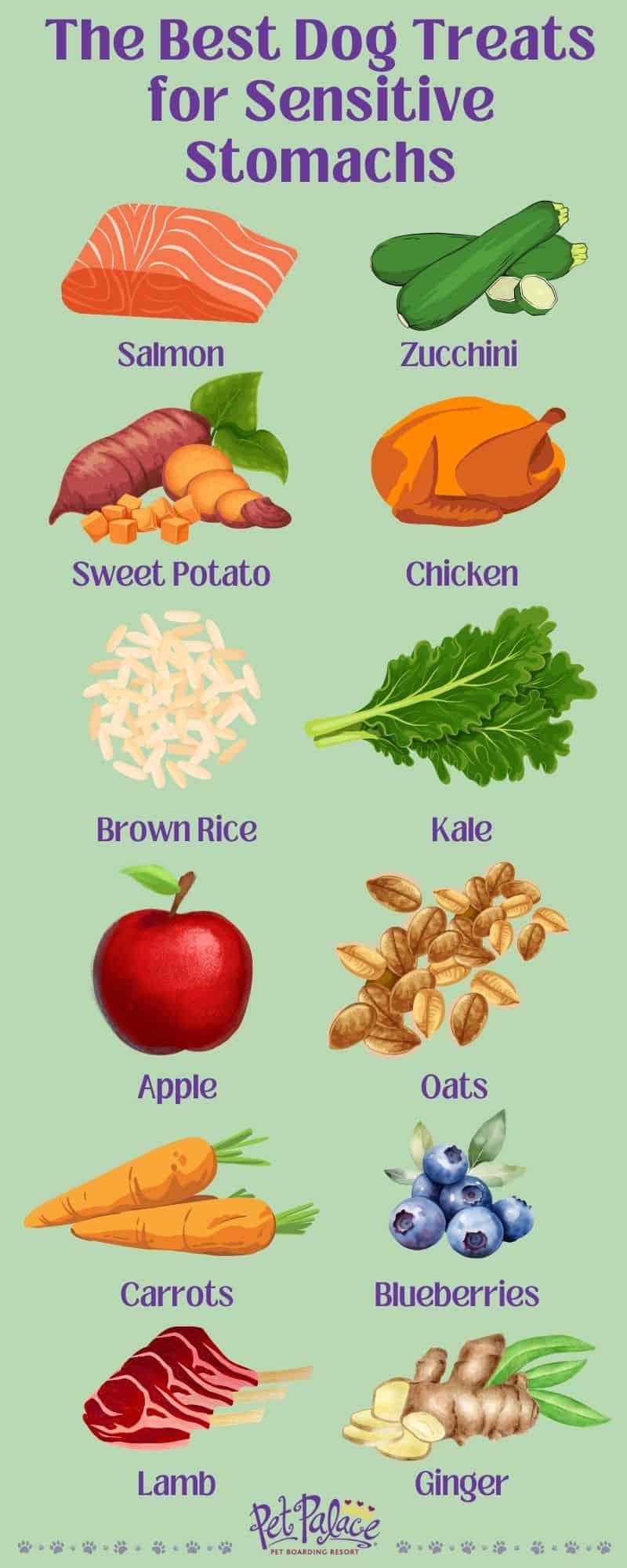
Credit: www.petpalaceresort.com
Tips For Transitioning To New Dog Food
Changing your small dog’s food needs care, especially with a sensitive stomach. Sudden switches can cause upset tummies or refusal to eat. Taking time helps your dog adjust comfortably. This section shares tips to make the switch smooth and safe.
Gradual Introduction Techniques
Start by mixing a small amount of new food with the old. Use about 25% new food and 75% old food for the first few days. Gradually increase the new food portion over 7 to 10 days. Watch your dog’s eating habits and appetite closely. Slow changes help prevent stomach problems.
Monitoring Digestive Responses
Check your dog’s stool for any changes in color, texture, or frequency. Look for signs of gas, vomiting, or diarrhea. Keep a daily journal to track any digestive issues. If problems appear, slow down the food transition process. Consult your vet if symptoms last more than a few days.
When To Consult A Veterinarian
Knowing when to consult a veterinarian is very important for small dogs with sensitive stomachs. Some stomach issues need expert help to avoid serious problems. Early advice can keep your dog healthy and comfortable.
Persistent Digestive Problems
Watch for signs like vomiting, diarrhea, or poor appetite lasting more than a few days. These symptoms show your dog may have a deeper health issue. A vet can find the cause and suggest the right treatment. Do not wait too long, as some problems can get worse quickly.
Allergy Testing And Management
Dogs with sensitive stomachs often have food allergies or intolerances. A vet can run tests to identify these allergies. Knowing the exact cause helps choose the best diet and avoid harmful ingredients. Proper allergy management improves your dog’s digestion and overall well-being.
Frequently Asked Questions
What Ingredients Are Best For Sensitive Small Dog Stomachs?
Limited, natural ingredients like rice, chicken, and pumpkin soothe sensitive stomachs. Avoid fillers, artificial additives, and common allergens for better digestion.
How Do I Choose The Best Food For Small Dogs?
Select dog food with high-quality protein, easy-to-digest carbs, and probiotics. Check labels for no artificial preservatives and specific formulas for sensitive digestion.
Can Grain-free Dog Food Help Sensitive Stomachs?
Grain-free dog foods may reduce allergies but are not always better. Consult your vet to determine if a grain-free diet suits your dog’s needs.
How Often Should I Feed My Small Dog With A Sensitive Stomach?
Feed small dogs with sensitive stomachs two to three small meals daily. This helps prevent overeating and eases digestion, reducing stomach upset.
Conclusion
Choosing the right food helps small dogs with sensitive stomachs feel better. Gentle ingredients support their digestion and keep them healthy. Pay attention to your dog’s reactions after meals. Always pick foods made for small breeds with care. A happy, healthy dog means a happy owner.
Keep your dog’s comfort in mind every day. Good food makes a big difference in their life. Trust your instincts and watch your dog thrive.


