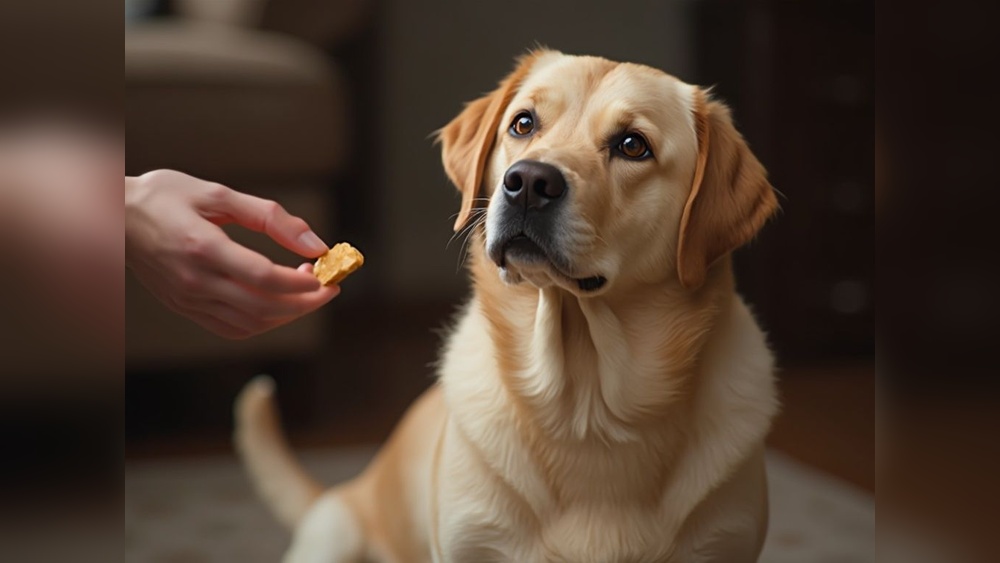
Is your dog always slipping out the door or darting off when you’re not looking? It’s frustrating, scary, and can put your furry friend in real danger.
You want your dog to stay close, listen to you, and be safe. But how do you teach them not to run away? You’ll discover simple, effective steps to train your dog to stay by your side. Keep reading, because a few easy changes can make a huge difference in keeping your dog safe and giving you peace of mind.
Reasons Dogs Run Away
Dogs run away for many reasons. Understanding why they escape helps stop the behavior. Some reasons come from inside the dog. Others come from their world outside.
Common Triggers
Dogs often run after loud noises. Fireworks and thunder can scare them. They also run toward exciting smells or sights. A squirrel or a new dog may tempt them. Boredom makes some dogs seek adventure. They want to explore and play.
Breed Tendencies
Some breeds have a strong urge to roam. Hounds and herding dogs chase moving things. These breeds need lots of exercise and tasks. Without these, they try to find fun alone. Understanding your dog’s breed helps manage their needs.
Environmental Factors
Dogs react to their surroundings. A fence that is low or loose invites escape. A lonely dog may run to find company. Changes like moving house or new pets stress dogs. Stress can make them try to run away.
Preventive Measures At Home
Preventive measures at home help keep your dog safe and close. They lower the risk of your dog running away. These simple steps create a secure space for your pet. They also give you peace of mind.
Secure Fencing
Good fencing stops your dog from escaping your yard. Check for holes or weak spots often. Make the fence tall enough to block jumping or climbing. Use materials that your dog cannot chew through. A strong fence keeps your dog inside and safe.
Proper Identification
Tags and microchips help find your dog if it runs away. Attach an ID tag with your phone number to the collar. Microchips give a permanent way to identify your dog. Update your contact information regularly. This increases the chance of a quick return.
Safe Outdoor Spaces
Create areas where your dog can play without risk. Use gates to section off parts of the yard. Remove anything your dog could use to escape. Supervise your dog during outdoor playtime. Safe spaces reduce the urge to run away.
Training Commands To Recall
Training your dog to come back when called is key to stop them from running away. Teaching recall commands helps your dog listen and return quickly. It builds trust and keeps your dog safe.
Teaching Come
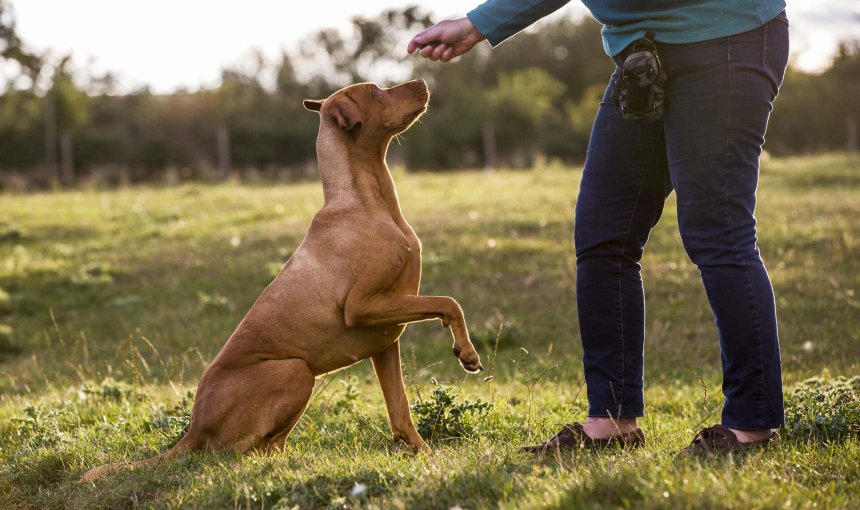
Start in a quiet place with no distractions. Say your dog’s name, then say “come” in a happy voice. When your dog comes to you, give a treat or praise. Repeat this often. Keep sessions short and fun. Never call your dog to punish them.
Using Positive Reinforcement
Reward good behavior right away. Use treats, petting, or a favorite toy. Positive reinforcement makes your dog want to come back. Avoid yelling or punishment. This can make your dog scared and not want to come.
Practice With Distractions
Slowly add distractions like other people or pets. Practice recall in different places like parks or yards. Keep your dog on a leash or long line at first. Reward your dog each time they come to you. This helps your dog focus even with distractions.
Credit: tractive.com
Building A Strong Bond
Building a strong bond with your dog is key to preventing them from running away. Dogs that trust and feel close to their owners are less likely to escape. This bond makes your dog want to stay near you and listen when you call. It takes time and effort but is worth every moment.
Regular Exercise
Exercise helps your dog use up extra energy. A tired dog is less likely to run off. Daily walks, playtime, and running in the yard keep your dog happy. Exercise also strengthens your connection as you spend quality time together.
Mental Stimulation
Dogs need their minds to work too. Puzzle toys, training games, and new commands challenge your dog’s brain. Mental tasks reduce boredom and stop your dog from seeking fun outside. Engaging your dog’s mind deepens your bond and makes them feel secure.
Consistent Routine
Dogs thrive on routine and clear rules. Feeding, walking, and playing at the same times build trust. A steady routine helps your dog feel safe and less anxious. This calmness lowers the chance your dog will try to run away.
Tools And Aids For Control
Training a dog not to run away needs the right tools. These tools help keep control and improve safety. Using aids can make training easier and more effective. They also help build trust between you and your dog.
Leashes And Harnesses
Leashes and harnesses are basic but essential tools. A leash keeps your dog close during walks or training. Harnesses spread pressure across the body. This makes them safer and more comfortable than collars. Choose a harness that fits well and feels secure. Leashes come in many lengths for different training needs. Short leashes keep dogs close, while long ones allow some freedom but still control.
Electronic Collars
Electronic collars send gentle signals to your dog. These signals remind your dog to stay near. Use them carefully and with positive training. Avoid harsh settings that cause fear or pain. Electronic collars can help stop running away if used right. Always follow instructions and start with the lowest setting. Pair the collar with rewards for good behavior. This keeps training positive and effective.
Gps Trackers
GPS trackers help find your dog if it runs away. They attach to your dog’s collar and send location data. You can check the tracker from your phone or computer. Trackers give peace of mind for dogs that like to roam. Choose one with good battery life and reliable signals. Some models offer live tracking and safe zone alerts. This lets you act fast if your dog leaves the area.

Credit: www.youtube.com
Handling Escape Attempts
Handling your dog’s escape attempts requires patience and care. Dogs run away for many reasons. Fear, excitement, or chasing something can trigger them. Stopping this behavior starts with safe and calm actions. Avoid chasing your dog. This can make them run faster. Instead, try gentle and smart methods to bring them back.
Safe Capture Techniques
Approach your dog slowly and quietly. Sudden moves can scare them more. Use a leash or a long line if you have one. Let your dog see the leash before trying to catch them. Offer treats or a favorite toy to lure your dog. Avoid grabbing quickly. It may cause your dog to run further.
Calming Your Dog
Once you catch your dog, stay calm and gentle. Speak softly to soothe them. Avoid yelling or harsh words. Let your dog relax and feel safe. Pet your dog slowly and offer treats. This builds trust and reduces fear. Calm dogs are less likely to run away again.
Seeking Professional Help
Persistent escape problems may need expert advice. Trainers and behaviorists can find the cause. They teach you ways to keep your dog safe. Professionals offer safe training methods that work. Don’t wait too long to get help. Early support can stop escape habits fast.

Credit: www.youtube.com
Frequently Asked Questions
How Can I Stop My Dog From Running Away?
Create a secure environment and use consistent training. Teach recall commands and reward your dog for staying close. Provide plenty of exercise and mental stimulation to reduce escape urges.
Why Does My Dog Keep Running Away?
Dogs may run away due to boredom, fear, or seeking mates. Lack of training or secure fencing can also cause escapes. Identifying the reason helps tailor effective training methods.
What Is The Best Recall Training For Dogs?
Use positive reinforcement techniques like treats and praise. Start training in low-distraction areas and gradually increase difficulty. Consistency and patience are key to reliable recall.
How Long Does It Take To Train A Dog Not To Run?
Training duration varies by dog and consistency. Most dogs show improvement within weeks with daily practice. Ongoing reinforcement is essential to maintain good behavior.
Conclusion
Training your dog not to run away takes time and patience. Start with small steps and stay consistent. Use rewards to encourage good behavior every day. Always keep your dog safe with a leash or fenced area. Building trust helps your dog feel secure and less likely to roam.
Remember, gentle guidance works better than punishment. Keep practicing, and your dog will learn to stay close. A happy dog means a happy owner. Keep training simple and enjoy the process together.