

Training a hunting dog can feel overwhelming at first. You want your dog to be focused, obedient, and ready to work alongside you in the field.
But where do you start? How do you turn a lively pup into a skilled hunting partner? You’ll discover simple, step-by-step techniques that anyone can use to train their hunting dog effectively. Whether you’re a beginner or looking to improve your dog’s skills, these tips will help you build a strong bond and achieve results faster than you might expect.
Keep reading to unlock the secrets to training a hunting dog that listens, learns, and loves the hunt as much as you do.

Credit: www.pheasantsforever.org
Choosing The Right Breed
Choosing the right breed is the first step in training a hunting dog. Each breed has unique skills and traits. These affect how well the dog performs in the field. Picking a dog that fits your needs helps training go smoother.
Some dogs are better for tracking, while others excel at retrieving. Understanding these differences saves time and effort. It also ensures a better bond between you and your dog.
Traits Of Top Hunting Dogs
Top hunting dogs have strong instincts for tracking and retrieving. They show high energy and good endurance. A strong sense of smell is common in these breeds. They often have a calm and obedient nature. Quick learning ability helps with training. Focus and patience are important traits too. These dogs love working closely with their owner.
Matching Dog To Hunting Style
Different hunting styles need different dog skills. For upland game, dogs that point and flush work best. Waterfowl hunting needs dogs that swim and retrieve well. Tracking wounded game requires dogs with a sharp nose. Choose a breed that naturally fits your hunting type. This match makes training easier and more effective.
Basic Obedience Training
Basic obedience training is the first step in raising a skilled hunting dog. It teaches your dog to listen and follow commands. This training builds trust and makes hunting safer and more effective.
Start early and be consistent. Use clear commands and reward good behavior. Keep training sessions short to hold your dog’s attention.
Essential Commands
Teach simple commands like sit, stay, come, and heel. These commands control your dog’s actions during a hunt. Use a calm, firm voice for each command. Reward your dog with treats or praise to encourage learning. Repeat commands often to build habit and response speed.
Focus on commands that help with direction and recall. For example, “fetch” and “leave it” are important during hunting. Practice these commands in different places to prepare your dog for distractions.
Building A Strong Bond
A strong bond improves obedience and teamwork. Spend time playing, walking, and training your dog. Show patience and understanding during training challenges.
Use positive reinforcement like treats and affection to build trust. A happy dog learns better and enjoys hunting more. Regular, gentle training sessions create a close connection between you and your dog.
Introducing Hunting Skills
Introducing hunting skills to your dog is a key step in training. It builds a strong foundation for success in the field. Start by focusing on basic tasks and slowly add complexity. Patience and consistency help your dog learn better. Each skill teaches your dog how to work alongside you during hunts.
Tracking And Scent Work
Tracking is one of the most important hunting skills for dogs. It teaches them to follow a scent trail left by animals. Begin with simple scent trails using familiar objects. Use treats or toys to reward your dog when they follow the scent correctly. Practice in different environments to improve their skill. Scent work helps your dog focus and sharpen their natural ability. This skill builds confidence and encourages independence during hunts.
Retrieving Techniques
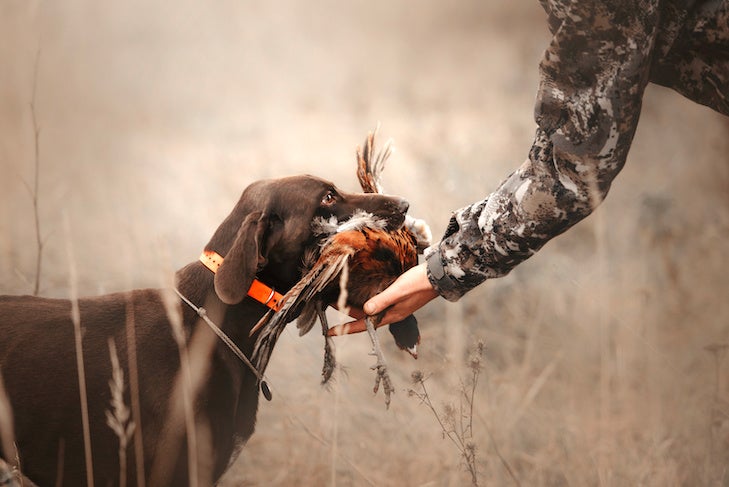
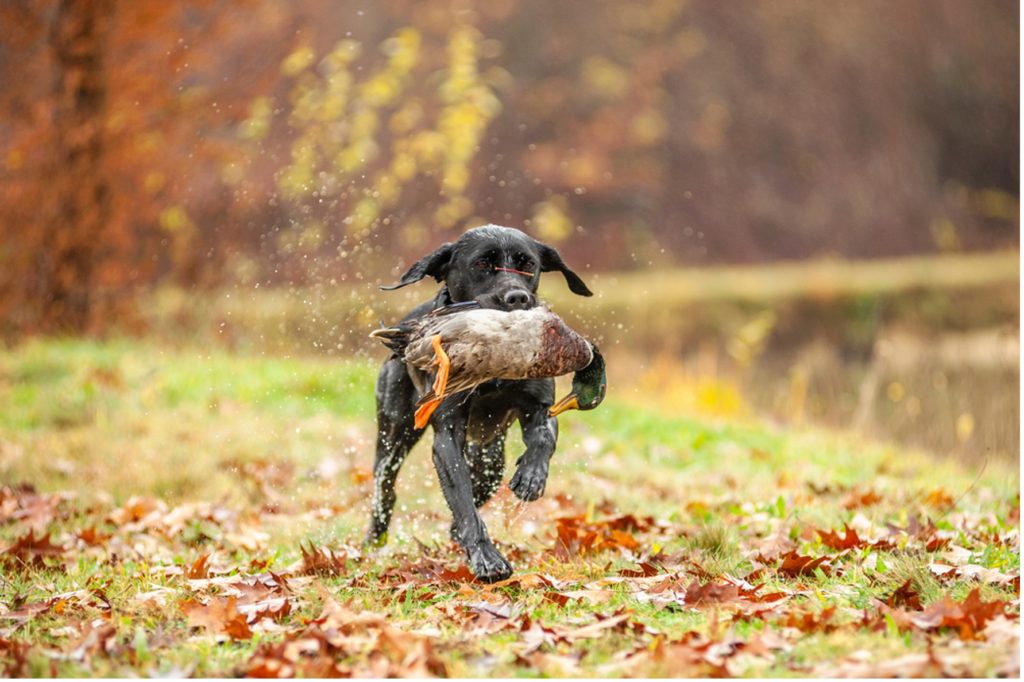
Retrieving is essential for many types of hunting dogs. It trains the dog to bring back game without damage. Start with teaching your dog to fetch toys or balls. Use clear commands and praise to guide their actions. Gradually introduce retrieving dummies that mimic real game. Teach your dog to hold items gently and return them to you. This skill strengthens your teamwork and ensures a smooth hunting experience.
Credit: www.akc.org
Using Training Tools
Training a hunting dog requires the right tools to guide and support your dog. Tools help communicate clearly. They make learning easier and faster. Using proper tools builds good habits and trust between you and your dog.
Leashes And Collars
Leashes and collars keep control during training. Use a sturdy leash to prevent your dog from running off. A collar fits comfortably around the neck. It should not be too tight or loose. A slip collar or a martingale collar works well. They help correct the dog gently without hurting it. Always check the fit before training sessions. These tools help teach commands like “come” and “heel.”
Clickers And Whistles
Clickers create a clear, consistent sound to mark good behavior. The dog learns to associate the click with rewards. This method is quick and effective. Whistles give commands over long distances. Hunting dogs respond well to whistle signals. Use different whistle patterns for different commands. Practice regularly so your dog understands each sound. Both clickers and whistles improve communication during hunting training.
Creating Realistic Hunting Scenarios
Training a hunting dog needs more than basic commands. Real-life practice is key to success. Dogs learn best in settings that mimic actual hunts. This helps them understand what to do during a real hunt.
Creating realistic scenarios builds your dog’s confidence and skill. It also improves their focus and reaction time. This method makes training more effective and fun for your dog.
Simulated Field Exercises
Simulated field exercises recreate the hunting environment. Use open fields, woods, or parks to practice. Hide targets or dummies that look like animals. This teaches the dog to track and point.
Move targets slowly to simulate animal movement. Use different scents to train the dog’s nose. Practice commands like “sit,” “stay,” and “fetch” in these settings. Repeating exercises helps the dog understand their role.
Controlled Exposure To Game
Expose your dog to real game animals carefully. Start with calm and controlled situations. Let the dog see and smell the animals from a distance. This reduces fear and builds curiosity.
Gradually decrease the distance as the dog becomes comfortable. Use leashes to keep control during initial encounters. This exposure helps dogs learn to stay calm and focused. It prepares them for real hunting conditions.
Positive Reinforcement Methods
Training a hunting dog with positive reinforcement builds trust and good habits. It focuses on rewarding good behavior instead of punishing mistakes. This method helps dogs learn faster and enjoy the training process. Consistent rewards make your dog eager to please you.
Reward Systems
Rewards motivate dogs to repeat desired actions. Use treats, praise, or play as incentives. Treats should be small and tasty to keep the dog interested. Praise with a happy voice or petting boosts their confidence. Toys can also act as rewards during training sessions. Timing is key—give rewards immediately after the good behavior. This helps your dog link the action with the reward.
Avoiding Negative Training
Negative training uses fear or punishment to stop bad behavior. This can make dogs scared or confused. Avoid yelling, hitting, or harsh corrections. These methods harm your bond and slow learning. Instead, ignore unwanted behavior and redirect your dog to a better action. Be patient and calm to keep training positive. A happy dog learns better and performs well in the field.
Maintaining Consistency
Maintaining consistency is key to training a hunting dog successfully. Dogs learn best when training happens often and in small steps. Consistent routines help your dog understand what you expect. It builds trust and helps avoid confusion during training. Keep sessions regular and focused to get the best results.
Regular Practice Sessions
Set a training schedule and stick to it. Short sessions every day work better than long, rare ones. Practice the same commands and skills often. This repetition helps your dog remember and respond quickly. Use clear signals and praise to encourage good behavior. Consistent practice builds strong habits in your dog.
Tracking Progress
Keep notes on your dog’s training progress. Write down what skills improve and what needs work. Tracking helps you see small wins and adjust your approach. It shows which methods help your dog learn fastest. Celebrate progress with your dog to keep motivation high. Tracking progress keeps training focused and effective.
Addressing Common Challenges
Training a hunting dog can bring many challenges. These challenges can slow progress and cause frustration. Addressing common problems early helps keep training on track. It also builds a strong bond between you and your dog.
Managing Distractions
Distractions can stop your dog from focusing during training. Hunting dogs have strong instincts that pull their attention away. Start training in quiet places to limit distractions. Use treats and praise to keep your dog’s focus. Gradually add distractions once your dog listens well. This helps your dog learn to work even in busy areas.
Correcting Behavioral Issues
Some dogs show unwanted behaviors like barking or jumping. These behaviors can hurt hunting skills. Watch for these signs early during training. Use calm and firm commands to correct bad behavior. Reward good behavior immediately to encourage it. Consistency is key. Repeat training steps often to help your dog improve.
Advanced Training Techniques
Advanced training techniques help hunting dogs perform better in the field. These methods focus on refining skills and building strength. Training becomes more specialized as the dog learns new tasks. The goal is to prepare the dog for real hunting situations.
Training For Specific Game
Teaching a dog to hunt specific animals requires focused training. Different game needs different skills and behaviors. For example, training a dog for birds involves teaching it to flush and retrieve. For larger animals, tracking and scenting skills are important. Trainers use scent trails and simulated hunts to practice. Repetition helps the dog remember and improve. The dog learns to stay calm and work quietly during the hunt.
Enhancing Endurance And Stamina
Hunting can be physically demanding for dogs. Building endurance helps them keep going longer without fatigue. Regular exercise is key. Running, swimming, and hiking improve stamina. Trainers gradually increase the intensity and duration of workouts. Balanced nutrition supports energy and recovery. Rest days prevent injury and keep the dog healthy. Strong dogs perform better and enjoy the hunt more.
Health And Safety Tips
Training a hunting dog takes more than teaching commands. Keeping your dog healthy and safe is very important. A strong, fit dog performs better during hunts. It also enjoys training more. Here are key health and safety tips to follow.
Proper Nutrition
Good food fuels your hunting dog’s body and mind. Choose high-quality dog food with balanced nutrients. Protein helps build strong muscles. Healthy fats provide energy for long hunts. Fresh water must be available at all times. Avoid giving your dog human snacks or harmful foods. Proper nutrition supports endurance and quick recovery.
Injury Prevention
Hunting dogs face rough terrain and fast movement. Protect their paws with booties if needed. Check for cuts, thorns, or insect bites after each outing. Warm up your dog with light exercise before training. Avoid overworking your dog, especially in hot weather. Use a well-fitting harness or collar to prevent strain. Regular vet check-ups catch injuries early. Safe training keeps your dog strong and ready.
Credit: misspursuit.com
Frequently Asked Questions
How Long Does It Take To Train A Hunting Dog?
Training a hunting dog typically takes 3 to 6 months. Consistency and patience are key. Early socialization and basic obedience speed up progress.
What Is The Best Age To Start Training?
Start training your hunting dog between 8 to 12 weeks old. Early training helps build good habits and social skills.
Which Commands Are Essential For Hunting Dogs?
Essential commands include “sit,” “stay,” “come,” “heel,” and “fetch. ” Clear commands improve control and safety in the field.
How Do You Introduce A Dog To Hunting Scents?
Use scent trails and bird wings to familiarize your dog. Reward your dog for showing interest and following scents.
Conclusion
Training a hunting dog takes time, patience, and love. Start with basic commands and build trust daily. Practice in different places to keep your dog focused. Use rewards to encourage good behavior and learning. Remember, every dog learns at its own pace.
Keep training sessions short and fun to hold interest. A well-trained hunting dog becomes a loyal, helpful partner. Stay consistent, and enjoy the journey together. Training is not just about skills, but bonding too. Your effort will pay off in better teamwork during hunts.


