

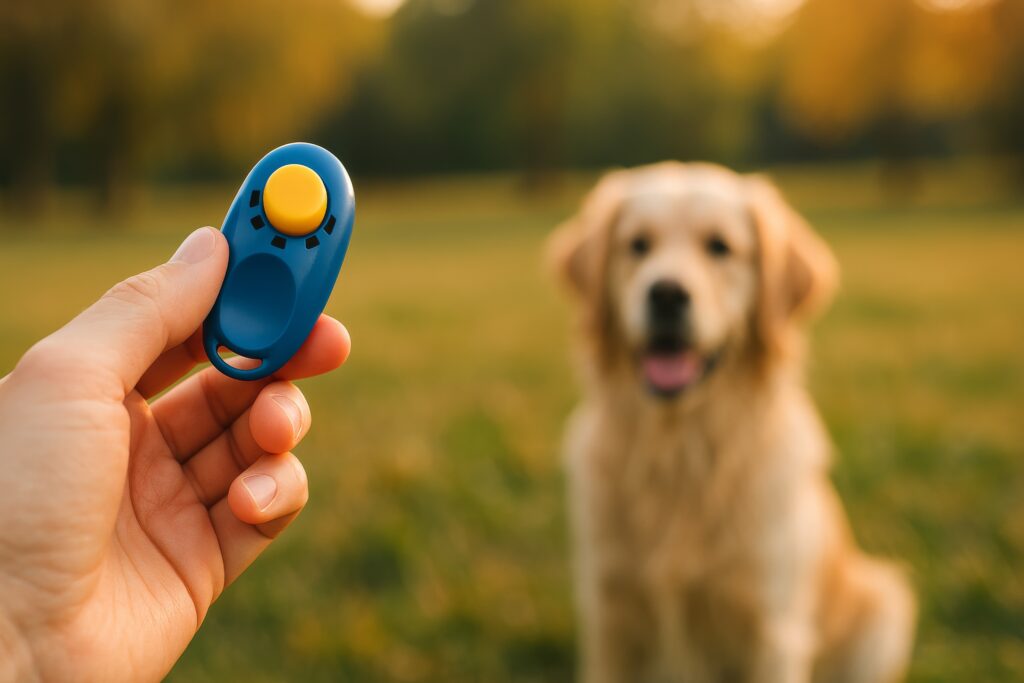
If you want to train your dog faster and with less frustration, a clicker might be your best friend. Using a clicker for dog training is simple, effective, and can turn confusing commands into clear signals your dog understands.
Imagine your dog quickly learning new tricks, responding happily, and building a stronger bond with you—all thanks to a small device that makes communication crystal clear. Keep reading, and you’ll discover step-by-step how to use a clicker to transform your training sessions into fun and rewarding experiences for both you and your furry friend.
Credit: www.allbreeds.au
Why Choose Clicker Training
Clicker training is a popular method for teaching dogs new behaviors. It uses a small device that makes a distinct sound to mark good behavior. This helps dogs learn faster and with less confusion. Many dog owners find clicker training effective and enjoyable.
Benefits For Dogs And Owners
Dogs understand the click sound as a clear signal. It tells them they did something right. This helps reduce stress and frustration during training. Dogs become more confident and willing to learn. Owners get quick feedback on what works. It makes training sessions shorter and more fun. The clicker builds a positive bond between dogs and owners.
Comparison With Other Training Methods
Traditional training often uses verbal commands and treats alone. This can confuse dogs if timing is off. Clicker training gives precise timing with a clear marker. It avoids mixed signals and reduces mistakes. Some methods rely on punishment, which can scare dogs. Clicker training rewards good behavior without fear. It creates a happy learning environment for dogs and owners alike.
Selecting The Right Clicker
Choosing the right clicker is key to effective dog training. The right clicker helps you communicate clearly with your dog. It signals good behavior quickly and consistently. Not all clickers are the same. Some suits certain training styles better than others. Knowing what type and features to look for saves time and frustration.
Types Of Clickers Available
There are several types of clickers for dog training. The classic plastic clicker is small and easy to hold. It makes a sharp, clear sound that dogs recognize fast. Some trainers prefer metal clickers. These offer a crisper click and last longer. Wristband clickers wrap around your hand. They keep the clicker handy and prevent loss. Silent clickers use vibration instead of sound. They work well for noise-sensitive dogs.
Features To Consider
Sound quality matters most. Choose a clicker with a clear, consistent sound. Comfort is important too. Pick a clicker that fits your hand well. Durability is key for long training sessions. A sturdy clicker lasts through many uses. Size also plays a role. Smaller clickers are easy to carry everywhere. Some clickers come with a wrist strap. This feature keeps the clicker close during training. Easy to press buttons reduce finger fatigue. Simple design helps avoid accidental clicks.
Getting Started With Clicker Training
Starting clicker training is simple and fun. It helps your dog learn new behaviors quickly. The clicker makes a clear sound your dog can understand. This sound marks the exact moment your dog does something right. Let’s see how to begin.
Introducing The Clicker To Your Dog
First, let your dog hear the clicker sound. Click once and watch your dog’s reaction. Your dog might be curious or unsure. Repeat the click a few times to get your dog used to the sound. Keep the environment calm and quiet. Avoid clicking too fast. Give your dog space to focus on the sound.
Establishing The Clicker-reward Connection
Next, link the clicker sound to a treat. Click once, then immediately give a small treat. Repeat this several times. Your dog will start to connect the click with a reward. This connection helps your dog understand what behavior to repeat. Practice this step until your dog reacts eagerly to the click. This step is key for successful training.

Credit: njdog.com
Basic Clicker Training Techniques
Basic clicker training techniques help dogs learn clearly and quickly. The clicker makes a sharp sound that marks good behavior. This sound tells your dog exactly when they did something right. Consistency is key to success with clicker training. It builds trust and helps dogs understand what you want.
Start with simple steps. Reward your dog immediately after the click. This method helps your dog connect the click sound with a treat. Practicing often and keeping sessions short keeps your dog interested.
Teaching Simple Commands
Pick one command to start, like “sit” or “stay.” Wait for your dog to do the action naturally. Click the moment they do it correctly. Give a treat right after the click. Repeat this several times in a row. Your dog will start to link the command with the action. Practice daily for the best results.
Timing The Click Correctly
Click at the exact moment your dog does the right thing. Too early or too late confuses your dog. The click marks the correct behavior. Follow the click immediately with a treat. This helps your dog learn which action earned the reward. Good timing makes training faster and clearer.
Advanced Training With A Clicker
Advanced training with a clicker helps you teach your dog more than basic commands. It breaks down big tasks into small steps. This method keeps your dog interested and eager to learn. The clicker marks exact moments your dog does the right thing. This clear feedback speeds up learning. Advanced clicker training builds strong communication between you and your dog.
Shaping Complex Behaviors
Shaping means rewarding small steps toward a big goal. Start with any small action your dog can do. Click and treat that action. Wait for your dog to do something closer to the final behavior. Click and treat again. Repeat this step by step. The dog learns to connect each action to the reward. This method helps teach tricks like rolling over or fetching specific items.
Using Clicker For Problem Solving
Clicker training also helps fix unwanted behaviors. Notice when your dog behaves well during a tough moment. Click and reward that behavior. This teaches your dog the right way to act. Use the clicker to guide your dog through new or confusing situations. It makes problem solving clear and positive. Your dog learns what you want without fear or stress.
Common Challenges And Fixes
Using a clicker for dog training can bring some challenges. These challenges can slow progress or confuse your dog. Knowing common problems and how to fix them helps keep training smooth and fun.
Patience and consistency are key. Small changes in your approach can make a big difference. Focus on clear signals and steady rewards to guide your dog well.
Dealing With Distractions
Distractions can make dogs lose focus during training. Start training in quiet places without many distractions. Gradually add more distractions once your dog learns the basics.
Use the clicker only when your dog pays attention. If your dog looks away, pause and wait for focus again. Reward immediately when your dog listens despite distractions.
Preventing Over-reliance On Clicker
Dogs might expect the clicker all the time. This can slow learning without it. Use the clicker less often as your dog improves.
Replace some clicks with verbal praise or treats. This teaches your dog to listen without the clicker. Slowly fade out the clicker to build good habits.
Maintaining Training Progress
Keeping your dog’s training progress steady is important for good behavior. Consistent practice helps your dog remember commands and skills. Using a clicker correctly keeps the training clear and fun.
Training is not a one-time event. It needs daily attention. This section explains how to keep training strong and natural over time.
Fading The Clicker
At first, the clicker is your dog’s main signal for good behavior. Over time, your dog learns to respond to commands without the click. Start by clicking less often but still rewarding your dog.
Gradually use the clicker only for new or hard commands. This helps your dog trust your words and gestures more. The clicker becomes less needed but remains a helpful tool.
Incorporating Clicker Into Daily Routine
Use the clicker during everyday moments. Click and reward your dog for small good acts. Sitting politely before meals or coming when called are great chances.
Short, frequent sessions work best. A quick click and treat during walks or play keeps learning fresh. This makes training part of your daily life.

Credit: adltexas.org
Tips For Successful Clicker Training
Clicker training works best with clear steps and good habits. Following simple tips helps your dog learn faster. Training stays fun and easy for both of you. These tips focus on two key points: consistency and patience, plus choosing the right rewards.
Consistency And Patience
Always use the clicker the same way. Click the moment your dog does the right thing. This helps your dog understand what you want. Practice short sessions often instead of long sessions sometimes. Dogs learn better with regular practice. Be patient. Some dogs take time to get it. Stay calm and keep trying. Your dog will respond well with steady effort.
Reward Selection
Choose rewards your dog loves. Small treats work best during training. Use soft treats that are easy to eat quickly. Mix treats with praise or petting for variety. Change rewards sometimes to keep your dog interested. Avoid big meals before training so your dog stays motivated. Rewards show your dog the click means something good is coming.
Frequently Asked Questions
What Is The Purpose Of A Clicker In Dog Training?
A clicker marks the exact moment a dog performs a desired behavior. It helps dogs understand which actions earn rewards. This tool speeds up learning by providing clear communication between trainer and dog.
How Do You Start Training With A Clicker?
Begin by clicking and immediately giving your dog a treat. Repeat this several times to create a positive association. Once your dog connects the click with a reward, start using it to mark specific behaviors.
Can Clicker Training Improve Dog Behavior Quickly?
Yes, clicker training offers precise feedback, which accelerates learning. Dogs learn commands faster because the click signals exactly what action is rewarded. Consistency and timing are key to achieving quick results.
Is Clicker Training Suitable For All Dog Breeds?
Clicker training works well for all breeds and ages. It is a gentle, positive reinforcement method that adapts to any dog’s learning style. This makes it ideal for puppies and adult dogs alike.
Conclusion
Using a clicker helps your dog learn faster and clearer. It marks good behavior right when it happens. Practice often with patience and kindness. Keep training sessions short and fun. Your dog will enjoy learning new tricks this way. Stay consistent and reward your dog well.
Soon, you will see positive changes. Training with a clicker builds trust and communication. Try it today and watch your dog grow. Simple tools, great results.


