

Have you ever felt worried or unsure when your dog acts aggressively toward other dogs? You’re not alone.
Aggressive behavior can be scary, confusing, and even dangerous for both you and your furry friend. But understanding why this happens and what you can do about it is key to keeping your dog happy and safe. You’ll discover the simple signs to watch for, the common causes behind this behavior, and effective steps you can take right now to help your dog stay calm and friendly.
Keep reading—your dog’s well-being depends on it.

Credit: forevervets.com
Common Causes Of Dog Aggression
Understanding why dogs show aggression helps manage their behavior better. Aggression often has clear causes. Knowing these can guide owners to act wisely. Each dog is different, but some reasons are common among many dogs.
Genetic And Breed Factors
Some dogs inherit aggressive traits from their parents. Certain breeds are more prone to aggression. These traits come from their genetics and history. Breeds bred for guarding or protection may show more aggression. This does not mean all dogs of these breeds are aggressive.
Fear And Anxiety
Fear is a strong cause of aggression in dogs. Dogs bite or growl when scared. Anxiety can make dogs unpredictable and defensive. Unknown people or other dogs can trigger fear. Safe, calm spaces help reduce this aggression.
Territorial Instincts
Dogs protect their space naturally. They may act aggressive near their home or yard. This behavior is to keep strangers away. Some dogs guard their food or toys too. Understanding this helps owners manage and train better.
Lack Of Socialization
Dogs not used to other dogs may act aggressive. Puppies need to meet many dogs early. Socialization teaches them to play and share. Without it, dogs may feel threatened by others. Training and exposure reduce this problem.
Pain And Medical Issues
Sick or hurt dogs often show aggression. Pain makes dogs irritable and defensive. Health problems can change behavior fast. Regular vet visits keep dogs healthy and calm. Treating pain can stop unwanted aggression.
Identifying Aggressive Behavior
Aggressive behavior between dogs can cause stress and danger. Recognizing signs early helps prevent fights and keeps dogs safe. Understanding what aggression looks like allows owners to act quickly and calmly.
Dogs show aggression in many ways. Some signs are clear, while others are subtle. Knowing these signs helps you spot problems before they get worse.
Body Language Signals
Dogs use their bodies to communicate feelings. Raised hackles, stiff posture, and direct staring often signal aggression. Growling or showing teeth is a warning. Ears pinned back and a low growl may mean fear-based aggression. Tail position also matters. A rigid, raised tail can mean alertness or threat. Watch for these signals to understand your dog’s mood.
Types Of Aggression
Aggression can come from different causes. Territorial aggression happens when a dog protects its space. Fear aggression occurs when a dog feels threatened and tries to scare away danger. Possessive aggression happens over food, toys, or other resources. Sometimes dogs show redirected aggression, lashing out at others due to frustration. Each type needs a different approach to manage.
Situational Triggers
Certain situations make dogs more aggressive. Meeting new dogs can cause stress. Crowded places or loud noises may trigger aggression. Pain or illness also increases aggressive behavior. Owners must watch for these triggers and help dogs stay calm. Avoiding known triggers reduces fights and keeps dogs happy.
Preventing Aggression
Preventing aggression in dogs helps keep them safe and happy. It also protects other dogs and people around them. Early steps can stop aggressive behavior before it starts. Training and social experiences play a big role in this.
Early Socialization Techniques
Expose puppies to many people and dogs early. This helps them learn how to behave around others. Let them meet dogs of all sizes and temperaments. Keep experiences positive and calm. Avoid scary or overwhelming situations. Early socialization builds confidence and reduces fear.
Positive Reinforcement Training
Reward good behavior with treats, praise, or play. This encourages dogs to repeat calm and friendly actions. Avoid punishment, which can increase fear and aggression. Use clear commands and consistent rewards. Training sessions should be short and fun. Positive reinforcement strengthens the bond between you and your dog.
Controlled Exposure To Other Dogs
Introduce your dog to other dogs in a safe setting. Start with calm and well-behaved dogs. Keep the first meetings short and positive. Watch your dog’s body language closely. Increase time together slowly as your dog feels comfortable. Controlled exposure helps your dog learn social skills without stress.

Credit: stacythetrainer.blogspot.com
Managing Aggressive Dogs
Managing aggressive dogs requires patience and clear steps. Aggression towards other dogs can cause stress for owners and pets alike. Understanding how to handle this behavior helps keep everyone safe. Focus on calm, consistent actions that reduce tension and build trust.
Behavior Modification Strategies
Behavior modification changes how a dog reacts to triggers. Start by identifying what makes your dog aggressive. Use positive reinforcement to reward calm behavior. Avoid punishment, as it can increase fear or anger. Gradually expose your dog to other dogs at a distance. Reduce the distance slowly as your dog stays calm. Training sessions should be short and regular. Consistency helps dogs learn better and faster.
Using Professional Help
Professional trainers and behaviorists have experience with aggressive dogs. They create safe, effective plans for managing aggression. A professional can observe your dog’s behavior closely. They offer advice tailored to your dog’s needs. Sometimes, aggression is linked to health problems. A vet check-up is important before starting training. Experts teach owners how to handle difficult situations safely. Their guidance increases the chance of success.
Safety Measures For Owners
Safety is the top priority for owners and others. Use a strong leash and a secure collar or harness. Muzzles can prevent bites during walks or training. Avoid crowded or high-stress places. Keep distance from unknown dogs until your dog improves. Teach children how to behave around aggressive dogs. Always watch your dog closely. Stay calm and confident; dogs often sense your emotions.
Tools And Aids To Control Aggression
Controlling aggressive behavior in dogs requires the right tools and aids. These help keep your dog and others safe. They also support training and behavior change. Using these tools correctly can reduce stress and improve control.
Leashes And Muzzles
Strong, durable leashes keep your dog close during walks. A shorter leash gives you better control. Muzzles prevent biting and protect other dogs and people. Choose a comfortable muzzle that fits well. Never use a muzzle as punishment. Use it only for safety during training or walks.
Calming Products
Calming products help reduce anxiety and tension in dogs. These include sprays, collars, and treats with natural ingredients. They work by soothing the nervous system. Calming music and pheromone diffusers can also help. These aids support behavior training by easing stress.
Environmental Adjustments
Changing the environment can reduce triggers for aggression. Avoid crowded dog parks or busy streets. Create safe spaces at home where your dog can relax. Use barriers to separate your dog from others if needed. Adjusting surroundings helps your dog feel secure and calm.
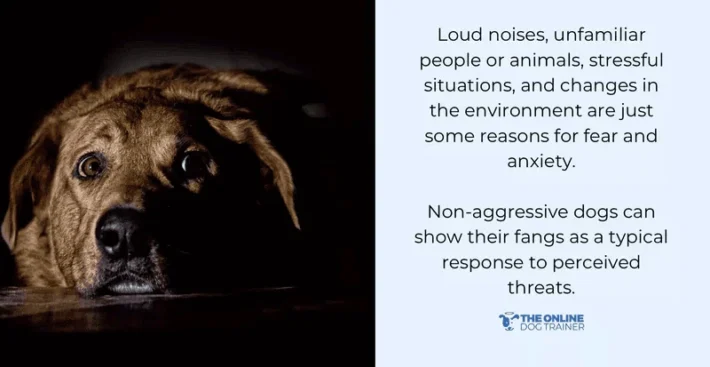
Credit: theonlinedogtrainer.com
Frequently Asked Questions
What Causes Aggressive Behavior Towards Other Dogs?
Aggression can stem from fear, territorial instincts, poor socialization, or past trauma. Identifying triggers helps manage behavior effectively.
How Can I Stop My Dog’s Aggression Towards Others?
Consistent training, socialization, and positive reinforcement reduce aggression. Consult a professional trainer or behaviorist if needed.
Is Aggressive Behavior Towards Dogs Normal In Certain Breeds?
Some breeds have higher guarding instincts but aggression isn’t breed-dependent. Proper training and socialization are key for all dogs.
When Should I Seek Professional Help For Dog Aggression?
If aggression causes harm or worsens, consult a vet or behaviorist promptly. Early intervention improves outcomes significantly.
Conclusion
Aggressive behavior in dogs can cause stress and danger. Understanding why dogs act this way helps owners keep peace. Training and patience often reduce aggressive actions. Early action can prevent serious problems later. Always watch your dog’s body language closely.
Safe socialization with other dogs builds good habits. Calm and consistent care creates a happy dog. Remember, your dog depends on you for guidance. Helping your dog stay calm benefits everyone around. Keep learning and stay patient for best results.


