
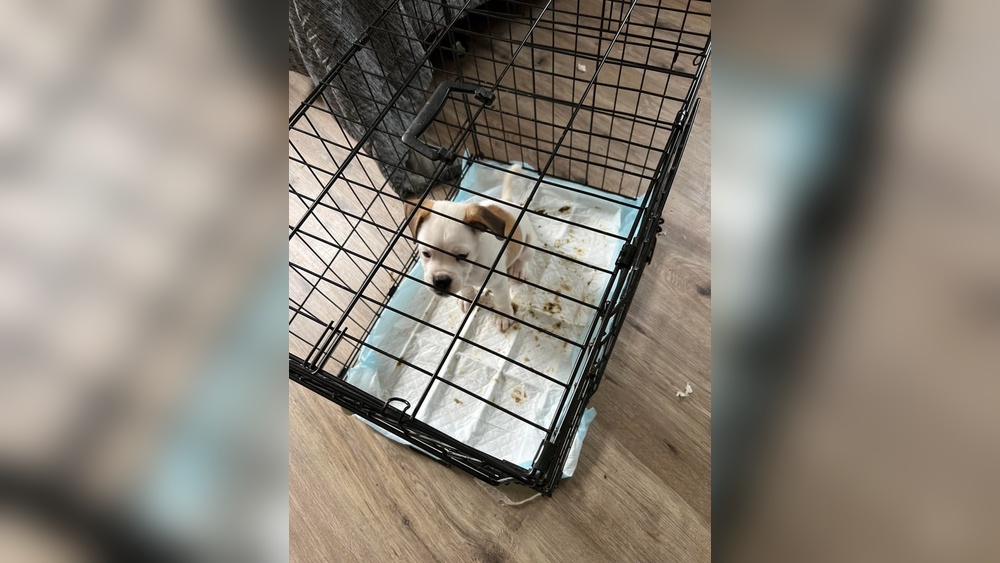
Potty training your dog can feel overwhelming, but using a crate makes the process much easier for both you and your pet. If you want a clean home and a happy dog, learning how to potty train with a crate is the key.
In this guide, you’ll discover simple steps to teach your dog where and when to go, avoiding accidents and frustration. Keep reading, and you’ll gain the confidence to turn potty training into a smooth, stress-free experience for you and your furry friend.
Credit: www.purina.com
Benefits Of Crate Training
Crate training offers many benefits for both dogs and owners. It helps dogs learn good habits quickly. The crate becomes a safe space for dogs. It also supports housebreaking and lowers bad behaviors. Using a crate makes training easier and less stressful.
Safety And Comfort
A crate gives dogs a cozy, quiet place to rest. It keeps them safe from dangers at home. Dogs feel calm inside their crate. It can reduce anxiety and stress. The crate acts like a den, which dogs naturally like.
Housebreaking Advantages
Crate training helps dogs learn to hold their bladder. Dogs avoid soiling their sleeping area. This teaches them to wait for bathroom breaks. It speeds up the potty training process. Owners can set clear routines for bathroom times.
Reducing Destructive Behavior
Keeping dogs in a crate stops chewing and scratching. It protects furniture and belongings. The crate limits access to unsafe items. Dogs learn to stay calm and relaxed. This reduces accidents and damage at home.

Credit: www.reddit.com
Choosing The Right Crate
Choosing the right crate is key to successful potty training. A good crate feels safe and comfortable for your dog. It should match your dog’s size and personality. The right crate helps your dog learn faster and stay calm.
Size And Material
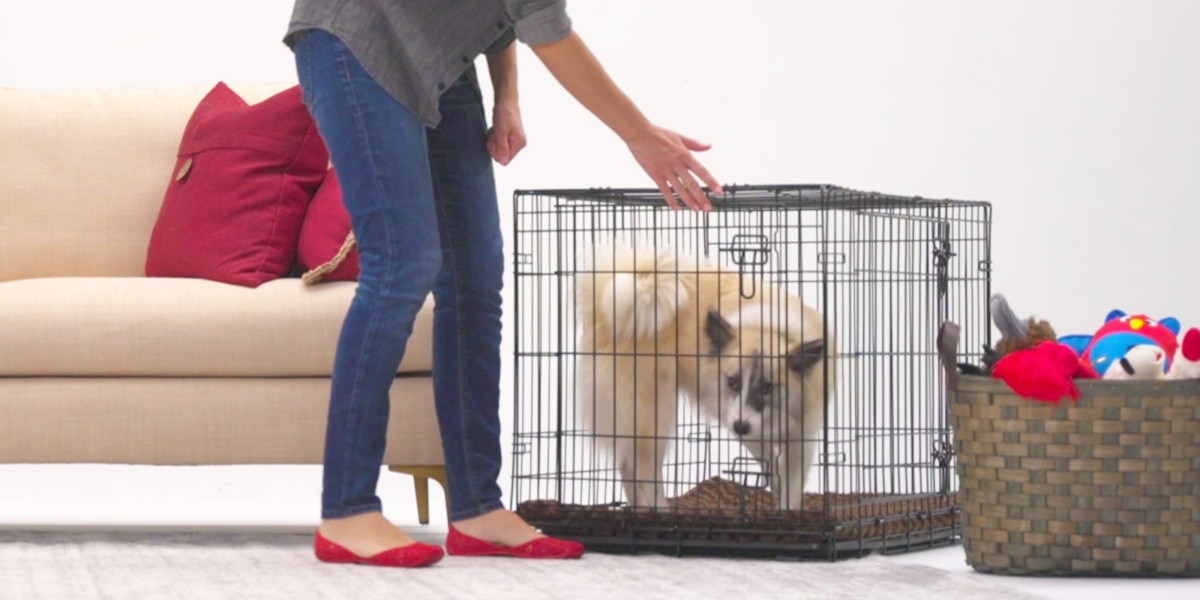
Pick a crate just big enough for your dog to stand, turn, and lie down. Too large can lead to accidents inside the crate. Materials matter too. Plastic crates offer privacy and warmth. Wire crates provide good airflow and visibility. Choose what fits your dog’s comfort and your home’s needs.
Types Of Crates
Plastic crates are sturdy and cozy, ideal for small to medium dogs. Wire crates are lightweight and foldable, good for training and travel. Soft-sided crates are portable but not for chewers. Consider your dog’s behavior and your lifestyle when selecting the type.
Placement In Your Home
Put the crate in a quiet, low-traffic area. Avoid noisy or busy places that may stress your dog. The crate should be near family spaces to keep your dog connected. Good placement encourages your dog to feel secure and comfortable inside.
Preparing Your Dog For The Crate
Preparing your dog for the crate is an important first step in potty training. It helps your dog feel safe and calm in the crate. This stage builds trust and makes the crate a happy place. Your dog learns to enjoy spending time inside. Start slowly and be patient. The goal is to create positive feelings about the crate.
Introducing The Crate Positively
Let your dog explore the crate on its own. Keep the door open at first. Do not force your dog inside. Use a calm voice to encourage your dog. Praise your dog for any interest shown. This makes the crate less scary. Spend short times near the crate together. The crate becomes part of your dog’s space.
Using Treats And Toys
Place treats inside the crate to attract your dog. Use favorite toys to make the crate fun. Give treats only when your dog enters the crate. This links the crate with rewards. Toss a toy inside to spark curiosity. Reward calm behavior inside the crate. Avoid using the crate as punishment. Keep the experience joyful and stress-free.
Creating A Comfortable Space
Add soft bedding to the crate for comfort. Make sure the crate size fits your dog well. It should be big enough to stand and turn. Keep the crate in a quiet, cozy area. Avoid noisy or busy spots in your home. Let your dog rest and relax inside. A comfy crate encourages your dog to stay inside happily.

Credit: www.pumpkin.care
Establishing A Potty Schedule
Creating a potty schedule is key to successful crate training. Dogs thrive on routine. A set schedule helps them learn when and where to go. It also reduces accidents inside the house. Consistency makes the training process smoother and faster.
Regular Feeding Times
Feed your dog at the same times daily. This controls their digestion and bathroom needs. Regular meals lead to predictable potty times. Avoid free-feeding or random meal times. Stick to two or three meals per day. This helps set a clear potty schedule.
Frequent Bathroom Breaks
Take your dog outside often, especially after meals. Puppies usually need a break every one to two hours. Adult dogs can hold it longer but still need regular breaks. Make bathroom trips short and consistent. Praise your dog immediately after they go outside. This builds positive habits.
Recognizing Signs Of Need
Learn to spot when your dog needs to go. They may sniff around or circle. Whining or pacing can also be signs. Watch for sudden restlessness in the crate. Act quickly and take them outside. Prompt action prevents accidents and strengthens training.
Crate Training Steps
Crate training is a key step in potty training your dog. It helps your dog learn where to go and when to wait. The crate becomes a safe space, not a punishment. Follow clear steps to make the process smooth and effective.
Short Crate Sessions
Start with short times inside the crate. Keep sessions just a few minutes at first. Let your dog explore and get used to the space. Use treats and toys to make it inviting. This builds positive feelings about the crate.
Gradual Increase In Duration
Slowly make the crate time longer each day. Watch your dog’s comfort and behavior closely. Never force the dog to stay too long. Increase crate time by a few minutes every session. This helps your dog adjust without stress.
Supervising And Praise
Always watch your dog closely outside the crate. Take your dog to potty spots often. Praise and reward your dog after going outside. This teaches your dog what you want clearly. Positive feedback builds good habits fast.
Handling Accidents
Accidents are a normal part of potty training a dog with a crate. They happen as your pet learns the right place to go. Handling these accidents calmly helps your dog learn faster. How you respond can either encourage good habits or cause confusion.
Cleaning Techniques
Clean accidents quickly to remove all smells. Use a cleaner made for pet messes. Avoid ammonia-based products because they smell like urine. Dogs might return to the same spot if it still smells. Wash bedding and crate padding if they get dirty. Keeping the crate clean helps your dog want to use it properly.
Avoiding Punishment
Never punish your dog for accidents. Punishment can make your dog scared or anxious. It can slow down the training process. Stay calm and patient. Gently guide your dog to the right spot next time. Use positive words and actions to build trust. Your dog needs your support, not fear.
Reinforcing Good Behavior
Praise your dog immediately after they go in the right place. Use treats, pets, or happy voices. This helps your dog connect the good behavior with a reward. Be consistent with praise to build strong habits. Rewarding success encourages your dog to keep trying. Celebrate small wins to boost confidence.
Common Challenges And Solutions
Potty training a dog with a crate can be very effective. Yet, it often comes with challenges. Understanding common problems helps you stay calm and patient. It also makes training smoother for you and your dog.
Many dogs face issues like anxiety, refusal to enter the crate, or irregular potty habits. Each problem needs a simple, clear solution. This section covers these common challenges and easy ways to fix them.
Separation Anxiety
Some dogs feel scared when left alone in the crate. They may bark, whine, or try to escape. This shows separation anxiety. Start by leaving your dog in the crate for short times only.
Give treats and toys to keep your dog calm. Speak softly and stay nearby at first. Slowly increase crate time as your dog feels safe. Avoid punishment; it can make anxiety worse.
Refusal To Enter The Crate
Dogs may avoid the crate because it feels like a trap. Make the crate a happy place. Put soft bedding and favorite toys inside. Feed your dog meals near or inside the crate.
Use treats to lure your dog inside. Praise and reward every small step toward entering. Never force your dog. Patience helps your dog accept the crate as a safe space.
Inconsistent Potty Habits
Potty accidents happen when routines are unclear. Keep a strict schedule for bathroom breaks. Take your dog out right after waking, eating, and playing. Watch for signs your dog needs to go.
Clean accidents with enzyme cleaners to remove smells. This stops repeat accidents in the same spot. Praise and reward your dog immediately after they go outside. Consistency builds good potty habits fast.
Transitioning Out Of The Crate
Transitioning out of the crate is an important step in potty training your dog. The crate helps your dog learn control and good habits. But your dog should not stay in the crate all the time. It is time to give more freedom while keeping good potty habits. This part of training needs patience and care. You want your dog to feel safe and confident outside the crate.
Increasing Freedom Gradually
Start by letting your dog out of the crate for short times. Watch your dog closely during these breaks. Take your dog to the potty spot often. Slowly increase the time your dog spends outside. Do not leave your dog alone for long at first. Let your dog get used to more space step by step. This helps avoid accidents and confusion.
Maintaining Potty Training
Keep taking your dog to the potty spot regularly. Praise your dog when it goes outside. Do not punish accidents inside. Clean accidents well to remove smells. Stick to a feeding and potty schedule. Watch for signs your dog needs to go. Staying consistent helps your dog remember good habits.
When To Stop Using The Crate
Stop using the crate when your dog can hold its bladder well. Your dog should go potty outside most of the time. It should stay calm and safe without the crate. This can take weeks or months. Every dog is different. Trust your dog’s progress and keep watching closely.
Frequently Asked Questions
How Long Does Crate Potty Training Take?
Crate potty training typically takes 4 to 6 weeks. Consistency and patience speed up the process. Each dog learns at its own pace. Regular breaks and positive reinforcement help your dog understand where to eliminate. Avoid rushing to prevent accidents and confusion.
What Size Crate Is Best For Potty Training?
Choose a crate just large enough for your dog to stand, turn, and lie down comfortably. Too large a crate may encourage accidents. Proper size helps dogs hold their bladder longer. Adjust crate size as your puppy grows to maintain effectiveness.
How Often Should I Take My Dog Out During Crate Training?
Take your dog outside every 2 to 3 hours during the day. Puppies may need more frequent breaks. Always go out after meals, naps, and playtime. Consistent outdoor trips teach your dog where to eliminate. This reduces accidents inside the crate.
Can Crate Training Prevent Accidents Indoors?
Yes, crate training helps prevent indoor accidents by teaching bladder control. Dogs naturally avoid soiling their sleeping area. A properly used crate encourages holding until outdoor potty breaks. It also establishes a routine, reducing stress and confusion for your dog.
Conclusion
Potty training a dog with a crate takes time and patience. Stay consistent with the routine every day. Praise your dog for good behavior often. Watch for signs your dog needs to go out. Keep the crate comfortable and safe for your pet.
Remember, accidents may happen, so stay calm. This method helps your dog learn where to go. Soon, your dog will understand and follow the rules. Enjoy the process and build a strong bond with your dog. Patience and love make training successful and easy.


