

Is your dog showing signs of aggression? It can be scary and frustrating to deal with.
You want your furry friend to be calm and friendly, but aggressive behavior gets in the way. The good news is, you can take steps to fix this. Understanding why your dog acts this way and learning simple techniques can make a big difference.
Keep reading, and you’ll discover practical tips that will help you regain control and build a stronger, happier bond with your dog.
Credit: www.aspca.org
Causes Of Dog Aggression
Understanding the causes of dog aggression is the first step in fixing this behavior. Dogs act aggressively for many reasons. Identifying these reasons helps owners manage and reduce aggression safely. Each dog is unique, so causes vary widely.
Genetic Factors
Some dogs inherit traits that make them more prone to aggression. These traits come from their parents and breed history. Certain breeds have stronger guarding or protective instincts. Genetics alone do not cause aggression but can increase risk.
Environmental Triggers
Dogs react to their surroundings. Loud noises, strangers, or other animals can trigger aggression. Poor socialization early in life often leads to fear-based aggression. Stressful environments make dogs feel unsafe and defensive.
Health Issues
Pain or illness can cause sudden aggression in dogs. Problems like arthritis or dental pain make dogs irritable. Neurological issues also affect behavior. Always check health before blaming the dog’s temperament.
Fear And Anxiety
Fear is a common cause of aggression. Dogs bite to protect themselves when scared. Anxiety can come from past trauma or neglect. Calm training and patience help dogs feel secure and less aggressive.
Credit: theonlinedogtrainer.com
Recognizing Aggressive Behavior
Recognizing aggressive behavior in dogs is key to managing and reducing it. Early signs often appear before serious problems arise. Understanding these signals helps keep both your dog and others safe. Pay close attention to how your dog acts in different settings.
Common Signs
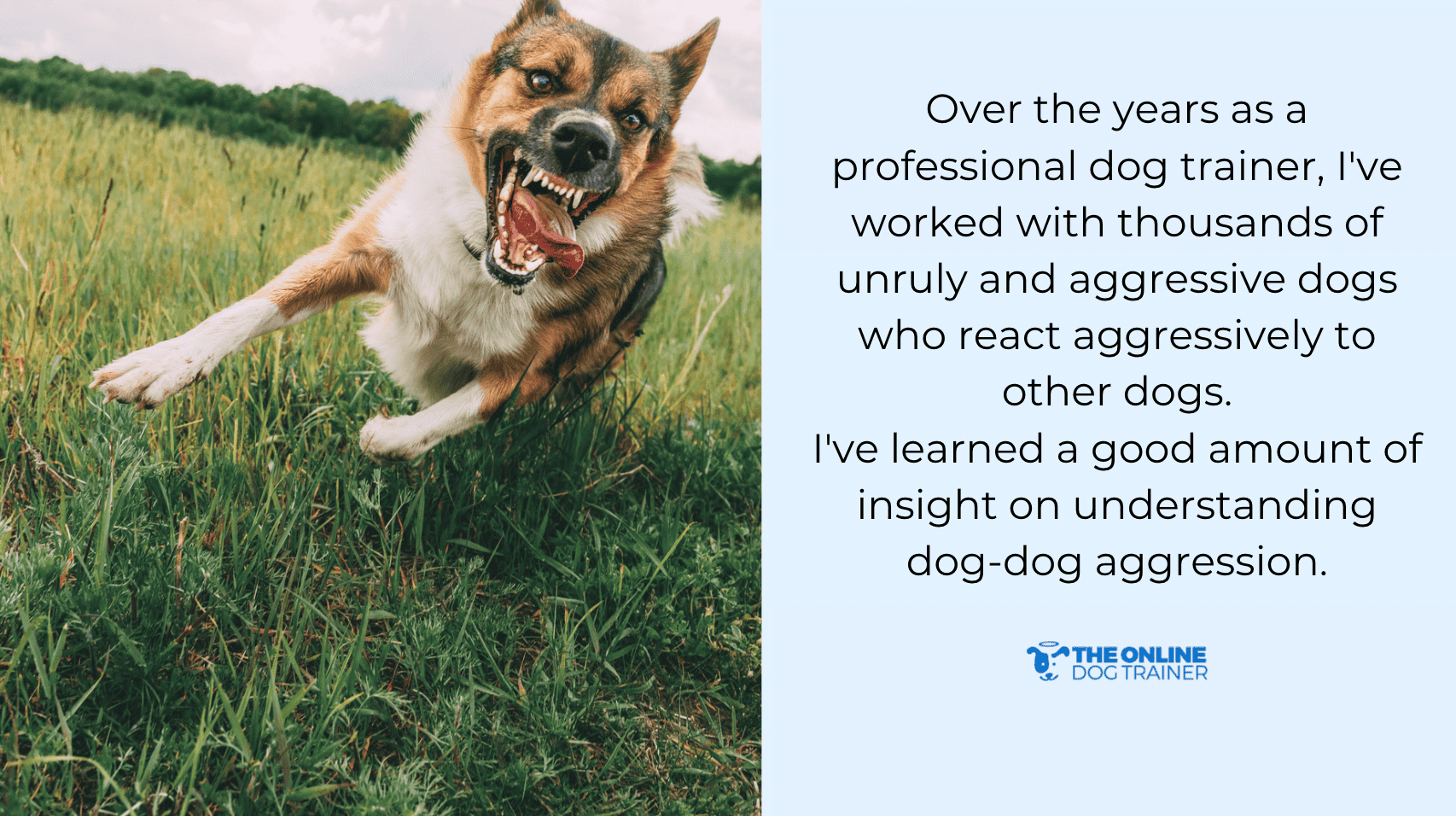
Growling is one of the clearest signs of aggression. Barking loudly or snapping also shows anger or fear. Lunging toward people or other animals signals a problem. Stiff body posture and raised fur often mean your dog feels threatened. Watch for biting, even if it’s gentle at first.
Body Language Cues
Dogs communicate through body language. A tense body with a fixed stare means your dog is alert or upset. Ears pinned back or forward show discomfort or warning. Tail position is important: a high, stiff tail can indicate aggression. Showing teeth or lip curling is a clear threat. Pacing or sudden stillness also warns of aggression.
Situations That Trigger Aggression
Dogs may growl or snap when protecting food or toys. Fear of strangers or loud noises can cause aggressive reactions. Pain or illness may make your dog more defensive. Changes in the environment, like new pets or people, can trigger aggression. Crowded places or stressful events might increase aggressive behavior.
Immediate Steps To Take
Dealing with aggressive behavior in dogs needs quick and careful action. Immediate steps can help prevent harm and calm your dog. These actions create a safer space for everyone.
Ensuring Safety
Keep yourself and others safe first. Use a leash or muzzle if needed. Separate your dog from people or other pets. Avoid sudden movements or loud noises. Stay calm and steady to avoid increasing aggression.
Avoiding Triggers
Identify what causes your dog’s aggression. Common triggers include strangers, loud sounds, or certain animals. Remove or reduce these triggers right away. Watch your dog’s body language to spot early signs. This helps stop aggressive acts before they start.
Managing The Environment
Create a calm and controlled space for your dog. Limit access to areas where aggressive reactions happen. Provide a quiet place where your dog can relax. Use barriers or gates to control movement. A peaceful environment lowers stress and aggression.
:strip_icc()/dominance-aggression-conflict-aggression-2804567-FINAL-5ba2897ac9e77c005094b3ae.png)
Credit: www.thesprucepets.com
Training Techniques To Reduce Aggression
Training techniques play a key role in reducing aggressive behavior in dogs. These methods help change your dog’s reactions and teach calm responses. Training builds trust and improves your bond. Regular practice leads to lasting change.
Positive Reinforcement
Positive reinforcement rewards good behavior. Give treats, praise, or playtime when your dog acts calmly. This encourages your dog to repeat nice behavior. Avoid punishment, as it can increase fear and aggression. Reward small steps to build confidence slowly.
Desensitization And Counter-conditioning
Desensitization means exposing your dog to triggers in small amounts. Start far away from the trigger to avoid stress. Slowly bring your dog closer over time. Counter-conditioning changes your dog’s feelings toward triggers. Pair the trigger with something positive like treats. This helps your dog feel less threatened.
Obedience Training
Obedience training teaches your dog basic commands like sit, stay, and come. These commands help you control your dog in tense situations. Training improves focus and reduces impulsive reactions. Practice daily to strengthen your dog’s self-control. Clear rules make your dog feel safe and secure.
Behavioral Tools And Aids
Behavioral tools and aids play a key role in managing dog aggression. They support safe training and help calm your dog. Using the right tools can prevent harm to others and ease your dog’s stress during training sessions.
Muzzles And Harnesses
Muzzles keep your dog from biting during tough situations. They come in many styles and fit different dog sizes. Choose a muzzle that is comfortable and allows your dog to breathe easily.
Harnesses give more control than collars. They reduce pulling and help guide your dog gently. A front-clip harness is best for managing aggressive dogs safely.
Calming Products
Calming products reduce anxiety and stress in dogs. Options include calming sprays, diffusers, and collars with pheromones. These products create a relaxed environment for your dog.
Natural supplements with ingredients like chamomile or valerian root may help calm your dog. Always check with a vet before using any supplements.
Professional Help Options
Experts like dog trainers and behaviorists provide tailored support. They assess your dog’s aggression and create a training plan. Professionals teach you safe handling and training techniques.
Veterinarians can check for medical causes of aggression. They might recommend medication to support behavior therapy. Working with professionals ensures safe and effective progress.
Preventing Future Aggression
Preventing future aggression in dogs takes effort and attention. Understanding why aggression happens helps stop it before it starts. Building good habits early can keep your dog calm and friendly. The key is patience and consistent care every day.
Socialization Strategies
Expose your dog to different people and animals often. Start with calm, friendly dogs and gentle people. Let your dog see new places and sounds in small steps. Praise your dog for calm behavior around others. This helps your dog feel safe and less scared.
Consistent Routine
Dogs feel better with a steady daily schedule. Feed, walk, and play with your dog at the same times. A clear routine reduces stress and confusion. Less stress means less chance for aggressive behavior. Your dog learns what to expect and feels more relaxed.
Ongoing Training
Keep training your dog even after basic commands are learned. Teach calm responses to triggers that once caused aggression. Use rewards like treats and praise to encourage good behavior. Practice short training sessions daily to build good habits. Regular training strengthens your bond and trust.
When To Consult A Veterinarian Or Trainer
Dog aggression can be scary for both owners and pets. Sometimes, simple training is not enough. Knowing when to seek expert help is important. Veterinarians and trainers have skills to address aggressive behavior safely. They can find causes and guide proper treatment. This section explains when to consult a professional and how to choose the right one.
Signs Aggression Needs Expert Help
Aggression that causes harm or fear needs expert attention. If your dog bites or snaps often, do not wait. Growling or lunging at people or other dogs is serious. Sudden changes in behavior can signal pain or illness. If your dog’s aggression worsens or spreads to new situations, get help fast. Experts can assess if medical issues or fear drive aggression.
Choosing The Right Professional
Select a professional with experience in dog aggression cases. Veterinarians can check for health problems causing behavior changes. Trainers specialize in behavior modification techniques. Look for certified trainers or veterinary behaviorists. Ask about their methods and success with aggressive dogs. Choose someone who uses kind, science-based approaches. The right expert makes a big difference in your dog’s progress.
Frequently Asked Questions
What Causes Aggressive Behavior In Dogs?
Aggressive behavior in dogs can stem from fear, pain, territorial instincts, or poor socialization. Genetics and past trauma also play roles. Understanding the root cause helps tailor effective training and treatment plans for safer interactions.
How Can I Safely Manage My Aggressive Dog?
Manage aggressive dogs by avoiding triggers and using a leash or muzzle when outside. Create a calm environment and seek professional training to reduce risks and improve behavior safely.
Can Training Eliminate Dog Aggression Completely?
Training can significantly reduce dog aggression but may not eliminate it entirely. Consistent positive reinforcement and behavior modification help manage aggression effectively over time.
When Should I Consult A Professional For Dog Aggression?
Consult a professional if your dog’s aggression causes harm or worsens despite training. Early intervention ensures safety and provides expert guidance tailored to your dog’s needs.
Conclusion
Fixing dog aggressive behavior takes time and patience. Stay calm and consistent with training. Reward good behavior to encourage positive changes. Avoid harsh punishments that may increase aggression. Seek help from a professional trainer if needed. Understand your dog’s triggers to prevent problems.
A loving and safe environment helps dogs feel secure. Small steps each day lead to big improvements. Your effort can build trust and peace with your dog. Keep trying; progress is possible with care and focus.


