Have you ever wished your dog could play fetch like a pro? Teaching your dog this fun game isn’t just about play—it’s a great way to build a stronger bond and keep your furry friend active.
Imagine the joy of watching your dog eagerly chase after a ball and bring it back to you every time. In this guide, you’ll discover simple, step-by-step tips to train your dog to play fetch quickly and easily. Ready to turn playtime into your dog’s favorite part of the day?
Let’s get started!
Choosing The Right Toy
Choosing the right toy is key to teaching your dog to play fetch well. The toy must catch your dog’s interest and be easy to carry. A good toy makes the game fun and keeps your dog excited to play. It should also be strong and safe for your dog to chew and carry in its mouth.
Best Toys For Fetch
Balls are a classic choice. They come in many sizes and materials. Rubber balls are durable and bounce well. Tennis balls are popular but can wear down your dog’s teeth. Soft plush toys are gentle but not great for heavy chewers. Frisbees made of soft plastic are easy to catch and carry. Some dogs prefer toys that make noise, like squeaky toys. Test different toys to see what your dog likes most.
Safety Considerations
Choose toys that fit your dog’s mouth size to avoid choking. Avoid small parts that can break off and be swallowed. Check toys regularly for damage and replace if needed. Use non-toxic materials to protect your dog’s health. Avoid toys that are too hard, as they may hurt teeth. Always supervise your dog during play to keep it safe. Clean toys often to stop bacteria build-up.
Setting Up The Training Area
Setting up the right area helps your dog learn fetch faster. A good space makes training clear and fun. Prepare a safe, open spot where your dog can run and focus. This section covers how to pick and arrange the training area for best results.
Finding A Suitable Space
Choose a flat, open area for training. A backyard or quiet park works well. Avoid spaces with many obstacles like furniture or bushes. The space should be big enough for your dog to run freely. Make sure it is safe and free from hazards.
Minimizing Distractions
Pick a quiet time to train your dog. Turn off loud noises like TVs or radios. Keep other pets and people away during training. Use a calm, familiar spot to keep your dog focused. Less distraction means faster learning and better attention.
Introducing The Fetch Command
Introducing the fetch command is the first step in teaching your dog to play fetch. It sets the foundation for clear communication between you and your dog. Your dog learns what you want by associating the command with the action. Consistency and patience help your dog understand the game quickly.
Start by choosing a simple word or phrase. Use the same command every time you play fetch. This helps your dog connect the word with the activity.
Using Clear Verbal Cues
Choose a short and easy command like “fetch” or “get it.” Speak in a calm and friendly voice. Repeat the command every time you throw the ball or toy. Use the same tone to avoid confusing your dog. Clear verbal cues help your dog focus on the task. Avoid changing or mixing commands during training. Consistent commands speed up learning and improve response.
Demonstrating The Action
Show your dog what you want by using your hands and body. Throw the ball a short distance first. Use your hand to point at the ball. Encourage your dog to go after it by moving excitedly. Praise your dog when it picks up the ball. Bring the ball back to your dog to guide the next step. Demonstrations make the command easier to understand. Dogs learn faster by watching and copying your actions.

Credit: allaboutpet.online
Encouraging Retrieval
Encouraging your dog to retrieve the ball or toy is key to playing fetch. This step builds your dog’s interest and helps them understand the goal. It takes patience and clear signals from you. Dogs enjoy chasing, but bringing the item back needs gentle teaching.
Start by making retrieval fun and rewarding. Show excitement when your dog picks up the toy. Use simple commands like “bring it here” or “fetch.” Consistency helps your dog connect the action with praise and rewards.
Motivating Your Dog
Keep your dog interested with energetic play. Use a favorite toy to catch their attention. Throw it a short distance at first. Encourage your dog to chase and pick it up. Show joy when they do. This positive energy invites your dog to repeat the action.
Make the game fast and lively. Avoid long waits or dull moments. Your dog learns best when the play is quick and fun. Use a happy voice and quick movements. This helps your dog stay focused and excited.
Using Treats And Praise
Treats are powerful tools to teach retrieval. Give a small treat when your dog brings the toy back. Combine treats with verbal praise like “good job” or “well done.” This helps your dog link the return with positive results.
Use treats sparingly to keep your dog eager. Praise alone can become enough reward over time. Always praise warmly to encourage your dog. This builds trust and eagerness to play fetch again.
Teaching The Release
Teaching your dog to release the toy is a key part of playing fetch. Without this skill, the game can quickly stop. Your dog must learn to give the toy back in a calm way. This helps keep the fun going for longer. It also makes the game safer for both of you.
Patience is important here. Your dog may hold the toy tightly at first. This is normal. Use clear signals and rewards to guide your dog to drop the toy. Consistent practice will bring success.
How To Get Your Dog To Drop The Toy
Start by offering a treat or a second toy. Hold it close to your dog’s nose. This usually makes the dog open its mouth. As soon as the dog drops the first toy, say “drop” or “release.” Take the dropped toy gently. Praise your dog warmly.
If your dog does not drop the toy, do not pull it. Pulling can cause tug-of-war. Instead, move away a little. Use a calm voice to ask for the toy. Show the treat again. Repeat until your dog lets go.
Rewarding The Release
Rewards are the best way to teach your dog. Give a treat right after the dog drops the toy. Use a happy tone to say “good job” or “yes.” This helps the dog understand what you want.
Play with your dog after the release. Throw the toy again quickly. This keeps the dog interested in the game. Over time, your dog will drop the toy faster. The game of fetch will flow smoothly.
Increasing Distance Gradually
Increasing the distance your dog fetches takes time and patience. Dogs need to build confidence and understand the task. Start small and grow the distance step by step. This helps your dog stay excited and ready to play.
Starting With Short Throws
Begin by throwing the ball just a few feet away. Keep the throws easy and fun. Praise your dog when they bring the ball back. Use a clear command like “fetch” to help them learn. Short throws help your dog focus and learn the game.
Extending The Range Safely
Slowly increase the distance by a few feet each time. Watch your dog’s energy and interest. Stop if they seem tired or confused. Make sure the area is safe and free of distractions. Gradual increases build stamina and keep your dog eager to play fetch.
Practicing Consistency
Consistency is key when training your dog to play fetch. Dogs learn best through regular practice. Small, steady steps help build good habits. Sticking to a routine makes training easier. Your dog will understand what to expect. This reduces confusion and keeps training fun.
Setting Regular Training Sessions
Plan training sessions at the same time each day. This helps your dog get used to the routine. Consistent timing sets clear expectations. Choose quiet places free from distractions. This keeps your dog focused on learning. Regular sessions create steady progress over time.
Keeping Sessions Short And Fun
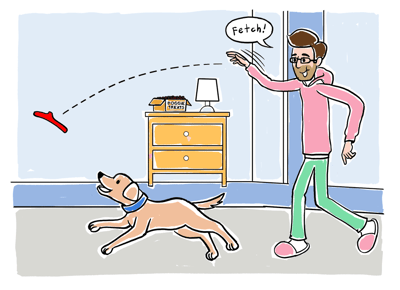
Keep training sessions short, around 5 to 10 minutes. Dogs have short attention spans. Long sessions can cause boredom or frustration. End each session with praise or a treat. Fun sessions encourage your dog to want more. Short, enjoyable practice helps your dog learn faster.
Credit: www.preventivevet.com
Troubleshooting Common Issues
Training your dog to play fetch can face some bumps along the way. These issues can slow progress and cause frustration. Knowing how to handle common problems helps keep training fun and effective.
This section covers two frequent challenges: lack of interest and overexcitement. Each needs a different approach to improve your dog’s fetch skills.
Dealing With Lack Of Interest
Some dogs do not show much interest in fetch at first. Try using a toy your dog already likes. Throw it a short distance to start. Praise your dog every time it picks up the toy.
Keep sessions short and fun. End on a positive note. Use treats to encourage your dog to bring the toy back. Repeat often. Patience is key.
Managing Overexcitement
Excited dogs may jump or bark too much during fetch. Stay calm and use a soft voice. Teach your dog to sit before throwing the toy. This helps control energy.
Take breaks if your dog gets too wild. Reward calm behavior with treats. Gradually increase playtime as your dog learns control. Consistency helps manage excitement.
Adding Variations To Fetch
Adding variations to fetch keeps your dog interested and excited. It stops the game from becoming boring. Changing where and how you play fetch helps your dog learn new skills. It also strengthens your bond and makes playtime fun for both of you.
Playing Indoors
Playing fetch indoors is perfect for bad weather days. Use a soft ball or plush toy to avoid damage. Choose a safe space with enough room for your dog to run. Short throws help your dog stay active without too much effort. This way, your dog gets exercise and stays entertained inside.
Introducing New Toys
New toys bring fresh excitement to fetch. Try different shapes, sizes, and textures. Some dogs love squeaky toys, while others prefer balls or frisbees. Watch how your dog reacts to each toy. Using new toys can boost your dog’s interest and keep fetch exciting every time.

Credit: www.wagstowiskers.com
Frequently Asked Questions
How Long Does It Take To Train A Dog To Fetch?
Training a dog to fetch typically takes one to two weeks with daily practice. Consistency and positive reinforcement speed up learning. Short sessions of 10-15 minutes work best to keep your dog engaged and motivated.
What Is The Best Age To Start Fetch Training?
You can start fetch training when your dog is around 8 weeks old. Puppies learn quickly and enjoy playtime. Early training helps build good habits and strengthens your bond with your dog.
Which Toys Are Ideal For Fetch Training?
Choose lightweight, durable toys like rubber balls or soft frisbees for fetch training. Avoid small toys that can be swallowed. Pick toys your dog shows interest in to keep them motivated during training.
How Do I Encourage My Dog To Return The Ball?
Use treats and praise to encourage your dog to return the ball. Call your dog excitedly and reward them immediately when they bring it back. Make returning fun to build a reliable fetch routine.
Conclusion
Training your dog to play fetch builds trust and fun. Keep sessions short and positive to hold their interest. Use treats and praise to encourage good behavior. Practice often, but stay patient and calm. Play fetch in safe, open spaces for best results.
Your dog will enjoy exercise and bonding time. Remember, every dog learns at its own pace. Enjoy the process and celebrate small wins together. Fetch becomes a joyful activity for both you and your dog.