

Training an older dog might seem challenging, but it’s totally possible—and rewarding. You might think your dog is too set in their ways to learn new tricks, but with the right approach, your furry friend can master basic commands at any age.
Imagine the joy of seeing your dog respond to you confidently, making your bond stronger every day. If you want simple, practical tips that actually work, keep reading. Your dog—and your peace of mind—will thank you.
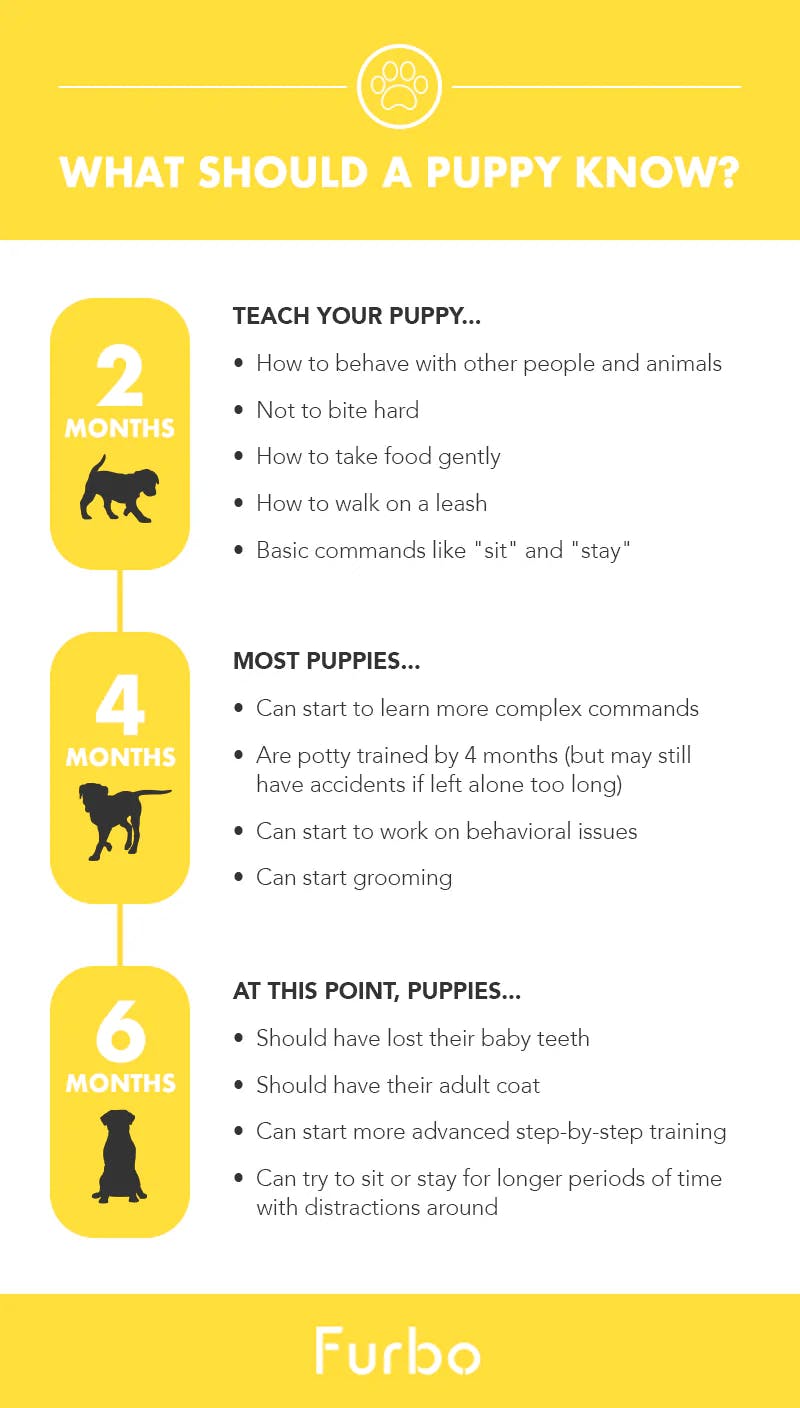
Credit: abconsulting.hu
Benefits Of Training Older Dogs
Training an older dog has many good effects. It helps make life easier for both the dog and owner. Older dogs can learn new things. They enjoy the time spent with their owner. Training brings many benefits that improve the dog’s life and behavior.
Older dogs often feel more relaxed and happy after training. It also helps keep their minds sharp. Training builds trust and makes communication clearer between dog and owner.
Improved Behavior And Discipline
Training teaches older dogs how to behave well. It reduces unwanted actions like barking or jumping. Dogs learn simple commands that make daily life smooth. Good behavior helps the dog stay safe and calm. Older dogs feel more secure with clear rules.
Enhanced Bond And Communication
Training time strengthens the bond with your dog. You learn to understand each other better. Dogs feel loved and cared for during training. This builds trust and respect over time. Clear communication makes the dog more confident and happy.
Mental Stimulation And Health
Training keeps an older dog’s mind active. It prevents boredom and frustration. Learning new commands challenges the dog’s brain. Mental exercise can slow down signs of aging. Healthy minds lead to healthier, happier dogs.
Choosing The Right Commands
Choosing the right commands for training an older dog is very important. Older dogs learn differently than puppies. They may need commands that fit their age and abilities. Picking commands that are clear and useful helps the dog learn faster. It also makes training a positive experience for both of you.
Essential Basic Commands
Start with simple commands that every dog should know. Commands like “sit,” “stay,” and “come” are important. These commands keep your dog safe and calm in different situations. They also build a strong foundation for more training. Use short words and clear tones. Repeat often and reward your dog for following commands.
Commands Suitable For Older Dogs
Older dogs may need commands that suit their physical limits. Commands like “gentle” or “easy” help older dogs move carefully. You can teach “off” to stop jumping, which protects their joints. Avoid commands that need too much jumping or running. Choose commands that keep your dog comfortable and confident.
Prioritizing Commands Based On Needs
Focus on commands that fit your dog’s lifestyle. If your dog is calm, “stay” and “wait” are very useful. For dogs that like to wander, “come” and “heel” are key commands. Think about safety and daily life when choosing commands. Prioritize what helps your dog most in everyday situations.
Preparing For Training Sessions
Training an older dog requires patience and clear preparation. Setting up the right conditions helps your dog learn better. This section covers how to prepare for training sessions effectively. Each step supports your dog’s comfort and focus during learning.
Setting A Comfortable Environment
Choose a quiet spot with few distractions. A calm area helps your dog pay attention. Soft lighting and a familiar space reduce stress. Avoid noisy places or crowded rooms. Make sure your dog feels safe and relaxed.
Gathering Training Tools And Treats
Collect all items before starting the session. Use treats your dog loves for motivation. Keep a clicker or favorite toy handy. Training tools should be within easy reach. This keeps sessions smooth and focused.
Establishing A Consistent Schedule
Train at the same time each day. Consistency helps your dog expect and prepare. Short, frequent sessions work best for older dogs. Avoid long sessions that may tire your dog. Regular training builds strong habits over time.
Step-by-step Training Techniques
Training an older dog requires a clear plan and gentle approach. Step-by-step techniques help make learning easier for your dog. Each step builds confidence and understanding. Consistency is key for success.
Using Positive Reinforcement
Reward good behavior immediately. Use treats, praise, or petting. Positive reinforcement encourages your dog to repeat actions. Avoid punishment, as it can cause fear. Keep training sessions fun and short. This helps maintain your dog’s interest.
Breaking Commands Into Small Steps
Divide each command into simple parts. Teach one part at a time. For example, teach “sit” by first getting your dog to stop moving. Then, reward when the dog lowers its bottom. Slowly add the verbal command. Small steps reduce confusion and build success.
Patience And Repetition Strategies
Be patient throughout the process. Older dogs may take longer to learn. Repeat commands often but keep calm. Short, frequent sessions work best. Avoid rushing or forcing your dog. Celebrate small wins to keep motivation high.
Dealing With Common Challenges
Training an older dog can bring some unique challenges. These dogs may have habits set in for years. Patience and gentle methods work best. Understanding common issues helps make training smoother and more effective.
Handling Stubbornness And Resistance
Older dogs often show stubbornness during training. They may resist new commands or refuse to follow. Stay calm and consistent with your approach. Use short training sessions to keep their focus. Reward small successes with treats or praise. Avoid punishment as it can cause fear. Gentle encouragement builds trust and cooperation.
Adapting To Physical Limitations
Older dogs might have joint pain or limited mobility. Adjust training exercises to avoid strain or discomfort. Use low-impact commands like “sit” or “stay.” Avoid commands that require jumping or quick moves. Always watch for signs of pain or tiredness. Provide soft bedding and warm places for rest. Training should feel safe and comfortable for your dog.
Managing Distractions During Training
Distractions can make training harder for older dogs. Noisy environments or other animals may catch their attention. Start training in a quiet, familiar place. Keep sessions short to maintain focus. Gradually add distractions once your dog learns commands. Use clear, simple commands and rewards. Consistency helps your dog stay engaged and learn better.
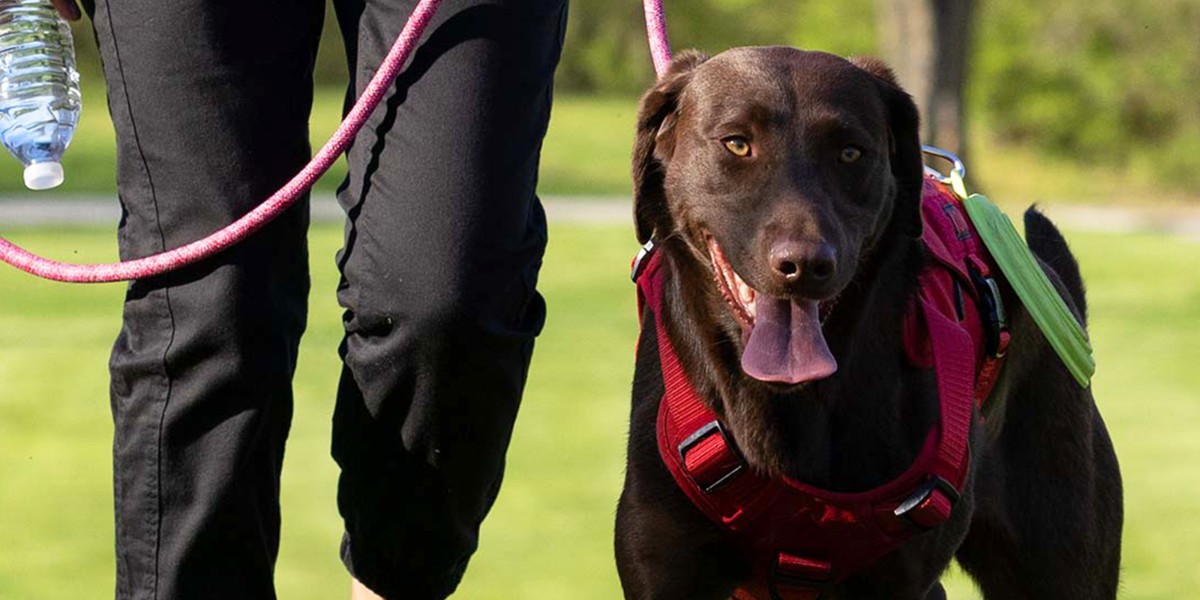
Credit: www.purina.com
Maintaining Training Progress
Maintaining training progress with an older dog needs patience and consistency. Training does not end after teaching commands. Regular attention helps your dog remember and obey commands. It also builds trust and strengthens your bond. Keep training positive and fun to encourage your dog.
Regular Practice And Reinforcement
Practice commands daily, even if just for a few minutes. Short, frequent sessions work best for older dogs. Praise and treats reinforce good behavior. Avoid punishment to keep your dog motivated. Repetition helps your dog remember commands clearly.
Incorporating Commands Into Daily Routine
Use commands during everyday activities like feeding or walking. Ask for a sit before giving food or going outside. This links commands to real-life moments. It makes learning natural and easier for your dog. Consistency in daily use helps commands stick.
Monitoring And Adjusting Techniques
Watch your dog’s responses closely. Adjust training speed and methods to suit your dog’s needs. Older dogs may need more breaks or simpler commands. Change rewards if your dog loses interest. Stay patient and flexible to keep progress steady.

Credit: www.etsy.com
Frequently Asked Questions
How Long Does Training An Older Dog Take?
Training duration varies by dog personality and consistency. Older dogs may take longer but respond well with patience. Daily short sessions improve learning and retention. Regular practice and positive reinforcement speed up progress.
What Basic Commands Should I Teach My Older Dog?
Start with sit, stay, come, and heel commands. These improve control and safety during walks and interactions. Focus on clear cues and rewards. Consistency helps older dogs adapt and learn effectively.
Can Older Dogs Learn New Commands Effectively?
Yes, older dogs can learn new commands with patience. Positive reinforcement and repetition enhance their learning ability. Mental stimulation through training also boosts their confidence and behavior.
What Training Methods Work Best For Older Dogs?
Use gentle, reward-based training methods for older dogs. Avoid harsh corrections to maintain trust. Use treats, praise, and affection to motivate and reinforce good behavior. Keep sessions short and positive.
Conclusion
Training an older dog takes patience and kindness. Small steps work best for learning. Keep training sessions short and fun. Praise your dog often for good behavior. Consistency helps dogs remember commands clearly. Older dogs can learn new skills too.
Enjoy the time spent together daily. Training builds trust and deepens your bond. Stay calm and positive throughout the process. Success comes with practice and love.


