

Have you ever noticed your dog acting aggressive out of nowhere? One moment, your furry friend is calm and loving, and the next, they snap or growl unexpectedly.
This sudden aggressive behavior can be confusing and even frightening for you. But understanding why it happens and what you can do about it is key to keeping your dog happy and your home safe. Keep reading to discover the surprising reasons behind this change and how you can help your dog feel calm and secure again.
Signs Of Sudden Aggression
Sudden aggression in dogs can be alarming for owners and others around. Recognizing early signs helps prevent harm and manage the behavior. Signs show in both actions and body language.
Paying close attention to these signs can keep everyone safe. Learn to spot changes fast and respond calmly.
Behavioral Changes To Watch
Dogs may act more restless or nervous than usual. They might growl or snap without clear reason. Avoiding touch or hiding suddenly can signal trouble. Watch for sudden irritability or snapping at family members. Changes in eating or sleeping habits also matter. Sudden aggression often follows these subtle shifts.
Physical Indicators Of Aggression
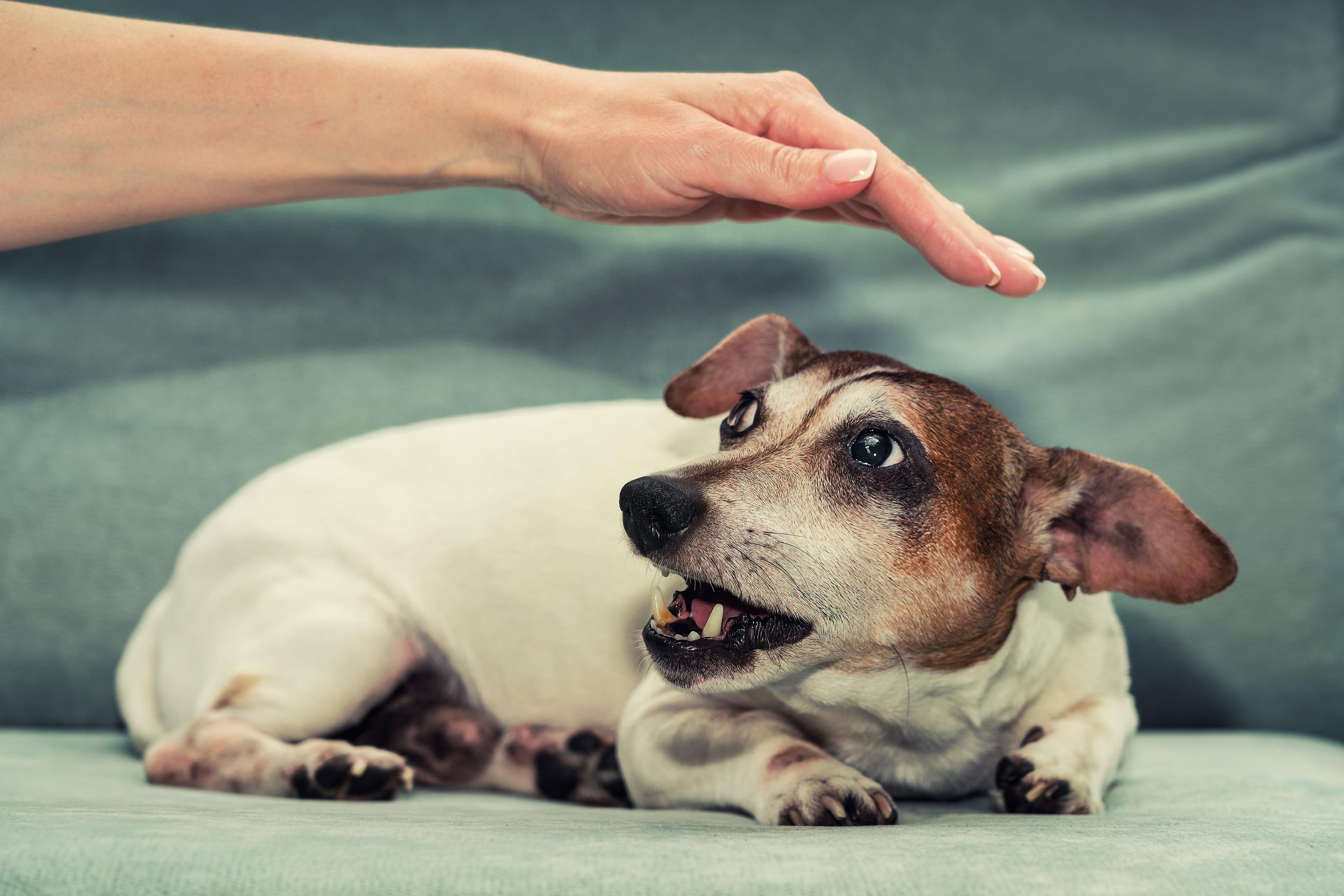
Look for stiff body posture and raised hackles. Baring teeth and intense staring show anger. Ears pinned back and lips curled are strong signs. Tail may be held high and stiff or tucked low. Snarling or deep growling sounds warn of aggression. These physical signals often appear before an attack.
:strip_icc()/top-causes-of-aggression-in-dogs-1117877_final-01-b96150820d0644d4ba7f82621dce43d5.png)
Credit: www.thesprucepets.com
Common Triggers
Sudden aggressive behavior in dogs can confuse and worry many pet owners. Understanding what triggers these outbursts helps manage and reduce them. Several common factors can cause dogs to act aggressively without warning.
Health Issues
Illness or pain often cause sudden aggression in dogs. A dog may bite or growl if it feels hurt. Problems like arthritis, dental pain, or infections can make dogs irritable. Regular vet visits help catch these issues early. Treating health problems often calms aggressive behavior.
Environmental Factors
Changes in a dog’s surroundings can trigger aggression. Loud noises, new people, or strange animals can stress dogs. Crowded places or chaotic homes may overwhelm them. Dogs need calm, stable environments to feel safe. Reducing sudden changes can lower aggressive reactions.
Fear And Anxiety
Fear is a strong trigger for dog aggression. Dogs often lash out when scared or anxious. Strange places, loud sounds, or unfamiliar people can cause fear. An anxious dog may bite to protect itself. Helping dogs feel secure lowers fear-based aggression.
Territorial Instincts
Dogs guard their space by showing aggression. They protect their home, yard, or family members. Visitors or other animals near these areas may spark aggression. This instinct is natural but can be controlled. Training and socializing help reduce territorial attacks.
Medical Causes
Sudden aggressive behavior in dogs often has medical roots. Many health issues can cause changes in a dog’s mood and actions. Recognizing these medical causes helps owners seek proper care for their pets.
Ignoring medical problems can make aggression worse. Treating underlying health issues can calm your dog and improve its quality of life.
Pain And Injury
Pain is a common trigger for aggression in dogs. A dog in pain may snap or bite to protect itself. Injuries, such as cuts, bruises, or broken bones, often cause discomfort. Even hidden pain from arthritis or dental problems can lead to sudden aggression.
Watch for signs like limping, whining, or reluctance to move. A vet check can find pain sources and help reduce aggressive behavior.
Neurological Problems
Neurological issues affect a dog’s brain and nerves. Conditions like epilepsy, brain tumors, or infections can change behavior quickly. These problems may cause confusion, fear, or aggression.
Seizures or strange movements might appear before aggression. Early diagnosis and treatment by a vet are crucial to manage symptoms and protect your dog.
Hormonal Imbalances
Hormones control many body functions, including mood. Imbalances in hormones can make dogs irritable or aggressive. Common issues include thyroid problems and adrenal gland disorders.
Dogs with hormonal imbalances might show sudden changes in behavior. Blood tests can identify these problems. Treating hormone issues often helps reduce aggression and restore calmness.

Credit: www.akademiabaru.com
Behavioral Causes
Sudden aggressive behavior in dogs often has roots in their past experiences and environment. Understanding the behavioral causes helps owners address and manage this issue effectively. These causes include socialization problems, trauma, and emotional stress.
Each factor plays a key role in shaping a dog’s reactions and feelings. Recognizing these signs early can prevent further aggressive incidents.
Lack Of Socialization
Dogs need proper socialization from a young age. Without it, they may feel scared or threatened by people and other animals. This fear can turn into aggression as a defense.
Socialization teaches dogs to trust and behave calmly. Missing this crucial phase can cause sudden aggressive outbursts in new situations.
Past Trauma
Trauma from abuse or neglect can deeply affect a dog’s behavior. These dogs may react aggressively to protect themselves. Triggers might include loud noises, quick movements, or specific people.
Trauma can make dogs unpredictable. Patience and gentle care are essential to help them heal and feel safe.
Frustration And Stress
Frustration builds when dogs cannot express their needs or desires. Stress from changes in routine or environment can also cause aggressive acts.
Signs include barking, growling, or snapping. Managing stress with exercise and calm surroundings reduces aggressive behavior.
Immediate Safety Measures
Sudden aggressive behavior in dogs can create a dangerous situation fast. Taking quick safety steps helps stop harm. Acting calmly protects you and others nearby.
Understanding how to stay safe and calm keeps control. These immediate safety measures can reduce risks and ease tension.
Keeping Yourself Safe
Stay calm and avoid sudden moves. Do not stare at the dog or make direct eye contact. Keep your body sideways to seem less threatening. Slowly back away without turning your back. Use a firm voice to give simple commands like “No” or “Stop.” Avoid reaching toward the dog or raising your hands. Carry a barrier like a jacket or bag for protection if needed.
Protecting Others
Warn others quietly to stay away. Move children and pets to a safe place quickly. Do not shout or panic. Ask bystanders to remain calm and avoid sudden moves. Create space between the dog and people. If possible, guide others behind a barrier or inside a building. Keep everyone low and quiet to avoid provoking the dog.
Calming Techniques
Speak softly to the dog using a gentle tone. Avoid loud noises or fast gestures. Give the dog space to cool down on its own. Offer a distraction like a toy or treat from a safe distance. Use slow, smooth movements to show you mean no harm. Stay patient and wait for the dog to relax before approaching again.
Credit: thepetlabco.com
Quick Solutions At Home
Sudden aggressive behavior in dogs can be alarming. Quick action at home can help calm your pet and prevent harm. Simple steps can redirect your dog’s focus and reduce stress. These solutions create a safer environment for both of you.
Redirecting Attention
Shift your dog’s focus from the trigger to a new activity. Use toys or games to capture their interest. This helps break the aggressive thought pattern quickly. Moving your dog to a different room can also help.
Using Positive Reinforcement
Reward calm and good behavior with treats or praise. This encourages your dog to repeat peaceful actions. Avoid yelling or punishment, as it may increase aggression. Consistent rewards teach your dog what behavior you want.
Creating A Safe Space
Set up a quiet area where your dog feels secure. Use a crate or a small room with their bed and toys. This space helps your dog relax and lowers anxiety. Let your dog retreat here during stressful moments.
When To Seek Professional Help
Sudden aggressive behavior in dogs can be worrying and hard to manage. Knowing when to get professional help is important for both your dog’s safety and your own. Early action can prevent problems from getting worse. Professionals can offer guidance and support tailored to your dog’s needs.
Signs You Need A Trainer
Look for repeated aggressive acts like biting or lunging. Aggression that happens without clear reason is a red flag. If your dog reacts aggressively around people or other animals, help is needed. Difficulty controlling your dog during walks shows a need for training. Trainers use methods to reduce aggressive behavior safely.
Veterinary Consultation
Sudden aggression might result from pain or illness. A vet check can find hidden health problems. Changes in behavior linked to medical issues need treatment. Sometimes, medication helps calm your dog. Always rule out physical causes before starting behavior training.
Behavioral Therapy Options
Behavioral therapy can change your dog’s aggressive habits. Techniques include desensitization and counter-conditioning. These help your dog feel less threatened. A professional behaviorist creates a plan based on your dog’s needs. Therapy needs patience and consistency for best results.
Preventing Future Aggression
Preventing future aggression in dogs takes effort and patience. Understanding the causes helps control aggressive behavior. Early action can make a big difference. Focus on building trust and calm habits for your dog. Consistency and care keep dogs safe and happy.
Consistent Training
Train your dog with clear, simple rules every day. Use rewards to encourage good behavior. Avoid punishment, which can increase aggression. Teach basic commands like “sit,” “stay,” and “leave it.” Consistency helps dogs understand what you expect. Practice training in different places to build confidence. Regular sessions make training more effective.
Regular Health Checks
Take your dog to the vet often. Health problems can cause sudden aggression. Pain or illness may make your dog irritable. Early diagnosis prevents worsening behavior. Keep vaccinations and parasite control up to date. Share any behavior changes with your vet. Health checks support your dog’s overall well-being.
Stress Reduction Strategies
Identify stress triggers for your dog. Loud noises, new people, or changes can cause stress. Provide a quiet, safe space at home. Use calming tools like gentle music or toys. Regular exercise helps release built-up energy. Maintain a routine to reduce anxiety. A calm dog is less likely to act aggressively.
Frequently Asked Questions
What Causes Sudden Aggressive Behavior In Dogs?
Sudden aggression in dogs can stem from pain, fear, anxiety, or territorial instincts. Health issues or changes in environment may also trigger it. Understanding these causes helps in managing and treating aggression effectively.
How Can I Safely Approach An Aggressive Dog?
Approach calmly and avoid direct eye contact. Speak softly and move slowly to reduce stress. Never corner or force interaction, as it may increase aggression. Safety is key for both you and the dog.
When Should I Seek Professional Help For Dog Aggression?
If aggression is frequent, severe, or worsening, consult a veterinarian or dog behaviorist. Professional help is crucial for proper diagnosis and treatment. Early intervention improves outcomes and ensures safety for everyone involved.
Can Sudden Aggression In Dogs Be Prevented?
Yes, through proper training, socialization, and regular health checks. Recognizing early warning signs and addressing stressors helps prevent aggression. Consistent routines and positive reinforcement promote calm behavior.
Conclusion
Sudden aggressive behavior in dogs needs careful attention and care. Watch your dog closely to spot any changes early. Understanding the cause helps find the right solution fast. Always stay calm and patient with your pet. Seek advice from a vet or trainer when needed.
With time and effort, many dogs improve and feel safer. Your dog’s happiness depends on your love and support. Keep learning and caring to build a strong bond. Aggression can be managed with the right approach. Don’t ignore the signs—act to help your dog today.


