

Training a deaf dog might seem challenging at first, but with the right approach, you can build a strong and trusting bond with your furry friend. If you want to communicate clearly and keep your dog safe, you need simple, effective techniques tailored just for them.
Imagine the joy of seeing your dog respond happily to your commands, even without hearing your voice. You’ll discover easy steps and expert tips that make training your deaf dog not only possible but truly rewarding. Ready to transform your relationship and help your dog thrive?
Let’s dive in.
Preparing For Training
Preparing for training a deaf dog is an important first step. It helps create a good start for both you and your dog. A calm and clear plan makes training easier and more effective.
Understanding what your dog needs and setting up the right space will help your sessions go smoothly. It also keeps your dog focused and less stressed. Getting ready well can lead to better learning and a stronger bond.
Choosing The Right Environment
Pick a quiet place with few distractions. A calm area helps your dog pay attention. Avoid noisy or busy spots that can confuse your dog. Make sure the space is safe and comfortable. This allows your dog to feel secure during training.
Gathering Essential Tools
Use tools that help your dog understand commands without sound. Visual signals like hand signs work well. A vibration collar can grab your dog’s attention. Treats motivate your dog to learn. Keep all tools ready before starting training sessions.
Setting Realistic Goals
Start with simple commands your dog can learn easily. Small steps build confidence and success. Set clear, easy goals for each session. Be patient and expect slow progress. Celebrate small wins to keep your dog motivated.
Credit: dogsquest.com
Communication Techniques
Training a deaf dog needs clear communication. Since these dogs cannot hear, you must rely on other ways to connect. Using different methods helps your dog understand commands and feel safe. Consistent signals build trust and improve learning. Here are some effective communication techniques for training a deaf dog.
Using Hand Signals
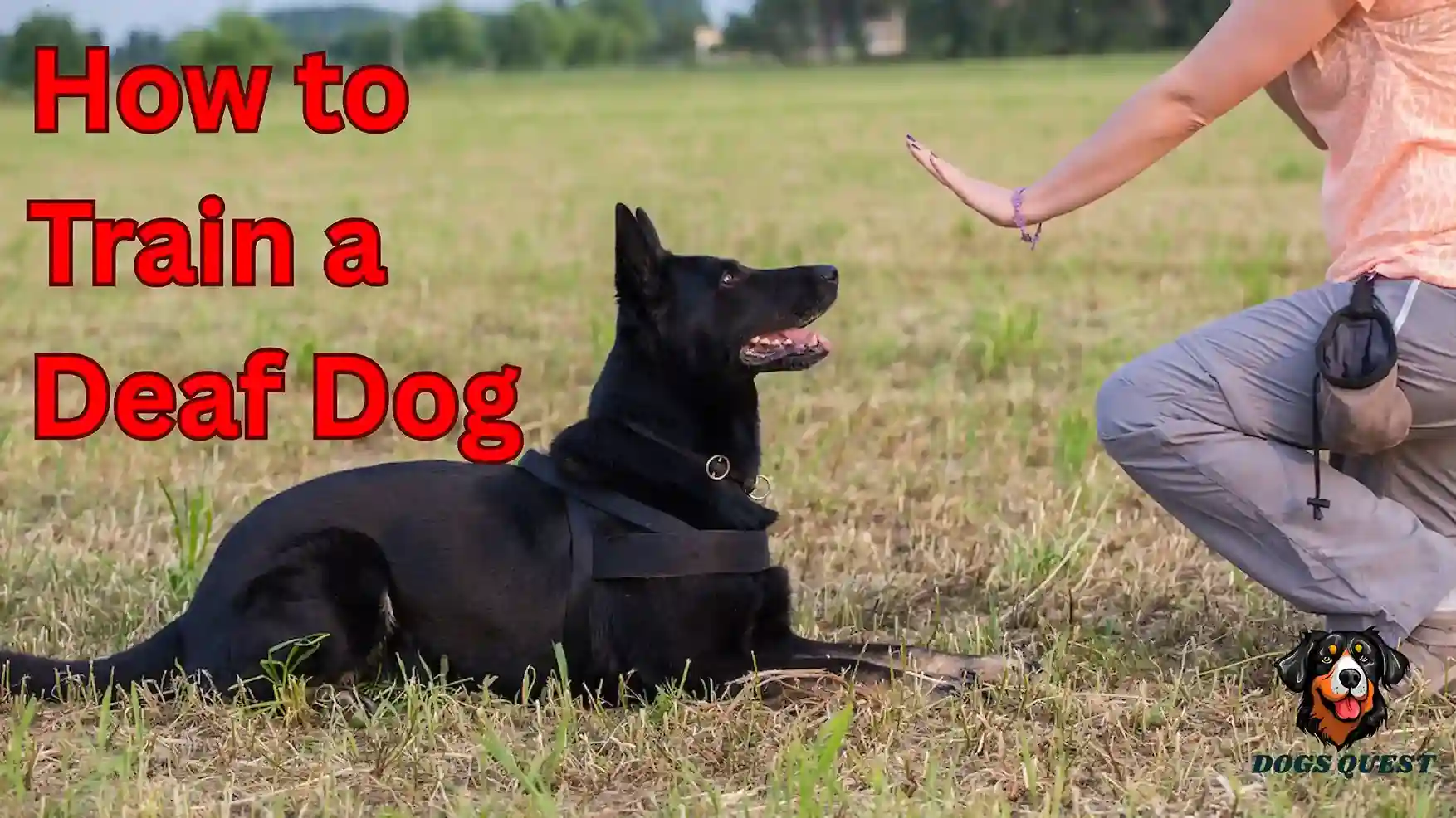
Hand signals replace spoken commands. Use simple, clear gestures for each command. For example, raise your hand to signal “sit.” Always use the same signs to avoid confusion. Practice regularly to help your dog learn faster. Make your movements slow and visible. This method helps your dog respond quickly and confidently.
Incorporating Touch Cues
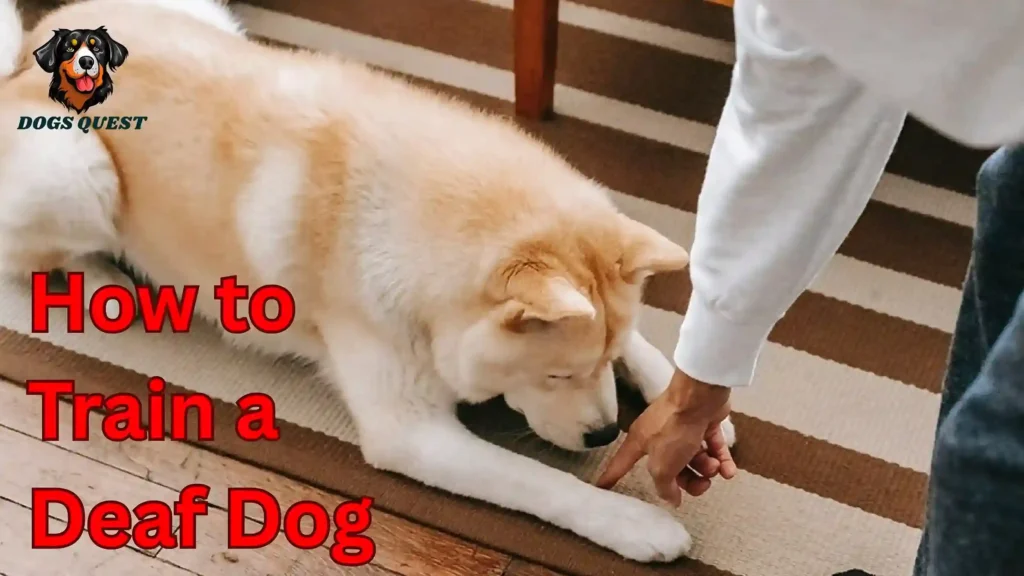
Touch cues are gentle taps or pats to get attention. Tap your dog’s shoulder or back to signal a command. Use different touches for different actions. For example, a light tap on the side means “come.” Touch cues work well when your dog is close. Always use a calm and gentle touch. This helps your dog stay calm and focused.
Employing Visual Aids
Visual aids support hand signals and touch cues. Use flashlights or laser pointers to guide your dog’s attention. Show toys or treats as rewards for good behavior. Visual tools make training fun and clear. Make sure the aids are safe and not scary. These aids help your dog understand what you want quickly.
Training Basics
Training a deaf dog requires patience and clear methods. These dogs cannot hear commands, so training focuses on visual cues and consistency. Understanding the basics helps build trust and effective communication. The right approach makes learning easier and fun for your dog.
Positive Reinforcement Strategies
Positive reinforcement means rewarding good behavior. Use treats, pets, or toys as rewards. Reward your dog immediately after they follow a command. This helps your dog connect the action with the reward. Avoid punishment, as it can confuse and scare your dog.
Establishing Routine And Consistency
Deaf dogs learn best with a steady routine. Feed, walk, and train your dog at the same times daily. Use the same hand signals or gestures consistently. Consistency helps your dog understand what to expect. This builds confidence and reduces anxiety.
Teaching Basic Commands
Start with simple commands like “sit,” “stay,” and “come.” Use clear hand signals for each command. Show the signal, then gently guide your dog into the position. Reward your dog when they follow the command. Repeat often to help your dog remember.
Safety Considerations
Training a deaf dog requires special care to keep them safe. Safety is the top priority because deaf dogs cannot hear dangers around them. You must create a secure environment and use clear signals. Understanding these safety steps helps protect your dog every day.
Keeping Your Dog Secure
Keep your deaf dog inside a fenced yard. Avoid open spaces without barriers. Use a leash for walks to prevent them from running off. A secure collar or harness with ID tags is important. This helps others identify your dog quickly.
Alerting Others To Deafness
Make sure people know your dog is deaf. Use a special collar or tag that says “Deaf Dog.” This warns others to approach carefully. Teach family and friends how to interact safely. It helps avoid accidental scares or harm.
Avoiding Startling Situations
Do not surprise your deaf dog suddenly. Approach from the front or the side where they can see you. Use gentle touch or light taps to get their attention. Loud noises will not help and may scare them. Calm and slow actions keep them relaxed.
Advanced Training Tips
Advanced training for a deaf dog takes patience and creativity. It builds on basic commands and focuses on real-life situations. These tips help deepen your dog’s understanding and improve behavior in different settings. Training becomes more rewarding with clear communication and the right tools.
Socializing With Other Dogs
Deaf dogs need safe social experiences to feel confident. Introduce them slowly to calm dogs in quiet places. Watch their body language closely for stress or discomfort. Use touch or visual signals to guide interactions. Praise calm behavior with gentle petting or treats. Social time helps your dog learn cues from other dogs’ actions.
Handling Challenging Behaviors
Some deaf dogs may show frustration or fear. Stay calm and patient during these moments. Redirect their attention with a toy or a gentle touch. Use consistent hand signals to show what you want. Avoid punishment; it can confuse or scare your dog. Reward positive actions to encourage good habits.
Using Technology Aids
Technology can support training and safety for deaf dogs. Vibration collars help get your dog’s attention without sound. Flashing lights or visual alerts signal important events. Apps can track your dog’s location and activity. Choose devices designed for comfort and ease of use. Technology aids make communication clearer and training easier.
Credit: dogsquest.com
Maintaining Progress
Training a deaf dog is a continuous journey. Maintaining progress keeps your dog confident and happy. Consistency and patience are essential. Your dog learns best with regular practice and positive reinforcement.
Regular Practice Sessions
Set short, daily training sessions. Keep them fun and simple. Practice commands your dog already knows. Use hand signals and vibrations to communicate. Short sessions help your dog stay focused.
Repeat commands often. This builds memory and trust. Avoid long sessions that tire your dog. Consistent practice strengthens your bond.
Adapting To Your Dog’s Needs
Every deaf dog is unique. Watch your dog’s reactions carefully. Adjust training methods if needed. Use different signals or touch cues.
Notice signs of stress or boredom. Change the pace or style of training. Be patient. Your dog learns at its own speed. Adapt to keep training effective and fun.
Celebrating Milestones
Recognize every small success. Praise your dog with pets or treats. This boosts confidence and motivation. Celebrate progress, not perfection.
Mark milestones like new commands learned or better focus. Positive reinforcement encourages your dog to keep learning. Celebrate together for a stronger bond.

Credit: www.amazon.com
Frequently Asked Questions
How Do You Communicate With A Deaf Dog Effectively?
You use hand signals, touch, and visual cues to communicate. Consistency in signals helps your dog understand commands clearly and respond reliably.
What Training Techniques Work Best For Deaf Dogs?
Positive reinforcement, like treats and praise, works best. Use clear hand signals and reward good behavior immediately to reinforce learning.
How Can I Keep My Deaf Dog Safe Outdoors?
Use a leash or fenced area to prevent accidents. Teach your dog a reliable recall signal to ensure they return safely.
Can Deaf Dogs Learn All Basic Commands?
Yes, deaf dogs can learn commands using hand signals. With patience and consistency, they perform all basic obedience tasks effectively.
Conclusion
Training a deaf dog takes patience and kindness. Use clear hand signals and gentle touch. Keep routines simple and consistent every day. Celebrate small successes to build trust and confidence. Remember, your dog learns through love and time. Deaf dogs can live happy, full lives.
Your effort makes a big difference for your pet. Stay calm, stay positive, and enjoy the journey together.


