

If you want your dog to become a reliable hunting partner, proper training is key. But where do you start?
How do you teach your dog to track, retrieve, and stay focused in the field? This guide will give you clear, simple steps to train your dog for hunting success. By following these tips, you’ll build strong teamwork with your dog and enjoy more productive hunting trips together.
Ready to transform your dog into a skilled hunting companion? Keep reading to discover how.
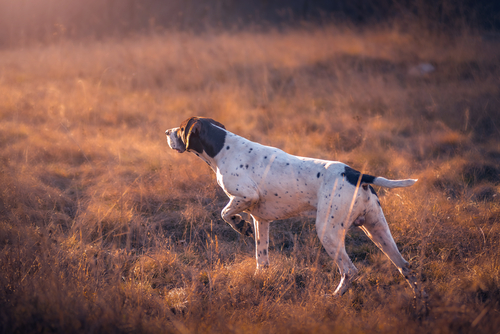
Credit: www.alldogsunleashed.com
Choosing The Right Breed
Choosing the right breed is a key step in training a dog for hunting. Different breeds have unique skills and traits. Picking one that fits your hunting style helps your dog perform well. It also makes training easier and more effective.
Traits Of Ideal Hunting Dogs
Good hunting dogs have strong instincts to track and retrieve. They listen well and follow commands quickly. Stamina is important for long hours in the field. A good nose helps them find game easily. They stay calm under pressure and work closely with their owner.
Popular Hunting Breeds
Some breeds are famous for hunting skills. Labrador Retrievers excel at retrieving birds from water. German Shorthaired Pointers are fast and alert trackers. Beagles have a powerful sense of smell for small game. English Springer Spaniels are great for flushing out birds. Choosing from these breeds can match many hunting needs.
Basic Obedience Training
Basic obedience training forms the foundation for a hunting dog’s success. It teaches your dog to listen and respond quickly. This training builds trust and good behavior. It makes hunting safer and more enjoyable.
Essential Commands
Start with simple commands like sit, stay, and come. These help control your dog during hunting trips. Teaching “heel” keeps your dog close by your side. “Leave it” stops your dog from chasing unwanted targets. Practice each command in short, focused sessions. Use treats and praise to encourage good behavior. Consistency is key to helping your dog learn fast.
Building A Training Routine
Create a daily training schedule to keep progress steady. Short sessions work better than long, tiring ones. Mix obedience drills with fun activities to keep your dog interested. Practice commands in different places to improve focus. End each session with positive rewards and calm praise. A regular routine helps your dog remember and obey commands easily.
Introducing Hunting Skills
Teaching your dog hunting skills builds a strong foundation for success. It helps your dog understand the tasks needed in the field. Focus on basic skills first. Practice often in short sessions. Make training fun and clear. This keeps your dog eager to learn and confident during hunts.
Scent Tracking Techniques
Dogs rely on their nose to find game. Start by using a familiar scent on a cloth or toy. Let your dog sniff and follow the trail. Use treats or praise when your dog stays on track. Gradually make trails longer and harder. This sharpens your dog’s scent ability and focus.
Retrieving And Fetching
Retrieving means bringing back what the hunter drops. Use a favorite toy or dummy to teach this. Throw it a short distance and encourage your dog to fetch it. Reward your dog when it returns the item. Practice indoors and outdoors for better results. This skill helps your dog work well during hunts.
Steadiness And Patience
Hunting needs calm and waiting. Teach your dog to stay still on command. Use a leash and say “stay” or “wait.” Reward your dog for remaining calm. Increase the waiting time slowly. This training stops your dog from chasing prey too soon. Patience keeps your dog safe and effective.
Using Training Tools
Using training tools helps guide your dog during hunting lessons. These tools improve communication and make training clear. Proper tools keep your dog safe and focused. They also support consistent learning and build good habits.
Collars And Leashes
Collars and leashes control your dog during hunting practice. A sturdy collar fits well without causing pain. Use a leash that is strong and long enough. Long leashes give your dog space to explore safely. Leashes help you correct your dog gently. They stop your dog from running away or chasing wrong targets.
Training Aids And Accessories
Training aids like whistles and flags catch your dog’s attention. Whistles give clear commands that your dog can hear far away. Flags help point out directions or targets. Clickers reward good behavior with a sound signal. Treat pouches keep snacks ready for quick rewards. Using these tools makes training fun and effective.
Simulated Hunting Exercises
Simulated hunting exercises help your dog learn real hunting skills safely. These exercises create a hunting-like environment without actual game. They build your dog’s confidence and improve obedience. Training in a controlled setting prepares your dog for real hunts. Practice is key to develop their tracking and retrieval skills.
Field Practice Sessions
Field practice sessions let your dog work on scent and search skills. Take your dog to open fields or woods. Use scents or dummies to mimic real animals. Let your dog track and find these targets. Reward your dog for successful finds. Repeat often to improve focus and endurance. These sessions build your dog’s natural hunting instincts.
Mock Hunts And Drills
Mock hunts simulate real hunting situations. Organize drills with helpers who act as hunters and game. Use calls and signals your dog will hear during actual hunts. Practice commands like “stay,” “fetch,” and “heel” during the drills. This teaches your dog to listen under pressure. Mock hunts improve your dog’s reaction and teamwork skills. They also help you see what needs more training.

Credit: ottertailkennels.com
Reinforcing Positive Behavior
Reinforcing positive behavior is key to training a dog for hunting. It helps your dog learn faster and enjoy the process. Positive reinforcement builds trust and encourages good habits. Your dog will want to repeat the right actions.
Focus on clear and consistent signals. Use rewards right after the desired behavior. This way, your dog connects the action with the reward. Patience and timing matter a lot.
Reward Systems
Choose rewards your dog loves. Treats, toys, or praise work well. Use small treats to keep your dog motivated. Give rewards immediately after good behavior. This helps your dog understand what you want.
Vary the rewards to keep training fun. Sometimes use treats, other times use play or petting. This stops your dog from expecting the same reward every time. Keep rewards positive and encouraging.
Correcting Mistakes
Correct mistakes calmly and gently. Avoid yelling or punishment. These can scare your dog and harm trust. Use a firm “no” or redirect your dog to the right action.
Show your dog the correct behavior instead. Repeat the command and reward the right action. Be patient and consistent. Mistakes are part of learning for your dog.
Safety And Health Tips
Training a dog for hunting demands focus on safety and health. A strong, healthy dog performs better and lasts longer in the field. Protecting your dog from injuries and maintaining good nutrition are key parts of training. Understanding these basics helps your dog stay happy and active.
Preventing Injuries
Hunting dogs face many risks. Rough terrain, sharp objects, and long runs can cause cuts or sprains. Use protective gear like booties to shield their paws. Check their body daily for wounds or swelling. Rest days help muscles recover and reduce injury risk. Avoid overworking your dog in harsh weather or tough conditions.
Nutrition And Conditioning
Good food fuels a hunting dog’s energy. Provide balanced meals rich in protein and healthy fats. Fresh water must be available at all times. Regular exercise builds strength and endurance. Start conditioning slowly and increase activity step by step. Keep your dog fit but avoid sudden intense workouts that may cause harm.

Credit: www.wikihow.pet
Frequently Asked Questions
How Long Does It Take To Train A Hunting Dog?
Training a hunting dog usually takes 3 to 6 months. Consistent daily practice and patience speed up learning. Early socialization and basic obedience improve hunting skills. Every dog learns at its own pace, so results may vary.
What Breeds Are Best For Hunting Training?
Popular hunting dog breeds include Labrador Retrievers, German Shorthaired Pointers, and Beagles. These breeds have strong instincts, good stamina, and easy trainability. Choose a breed that matches your hunting style and environment for best results.
How Do I Start Basic Hunting Dog Training?
Begin with obedience commands like sit, stay, and come. Introduce your dog to hunting scents and retrieval exercises. Use positive reinforcement and short training sessions to keep your dog motivated and focused.
Can I Train My Dog For Hunting At Home?
Yes, you can start basic hunting training at home. Practice obedience and scent recognition indoors or in the yard. Gradually introduce outdoor environments and real hunting scenarios to build confidence and skills.
Conclusion
Training a dog for hunting takes time and patience. Start with basic commands and build trust. Practice regularly to improve your dog’s skills. Keep training sessions short and fun to maintain interest. Remember, every dog learns at its own pace.
Stay consistent and reward good behavior often. A well-trained hunting dog makes the experience safer and more enjoyable. Enjoy the journey with your dog as you both grow together.

