
Does your dog shrink away at every loud noise or unfamiliar face? Watching your furry friend live in fear can be heartbreaking.
But here’s the good news: you can help your dog feel safe and confident again. Training a fearful dog isn’t about punishment or rushing; it’s about patience, trust, and understanding what your dog truly needs. You’ll discover simple, effective ways to support your dog through their fears and build a stronger, happier bond.
Ready to see your dog’s true personality shine? Keep reading.
Recognizing Fear In Dogs
Recognizing fear in dogs is the first step to helping them feel safe. Dogs show fear in many ways. Not all dogs react the same. Understanding their signals helps you respond kindly and calmly.
Fear can affect a dog’s behavior and health. Early recognition can prevent stress from growing. Watch your dog closely to spot signs of fear early.
Common Signs Of Fear
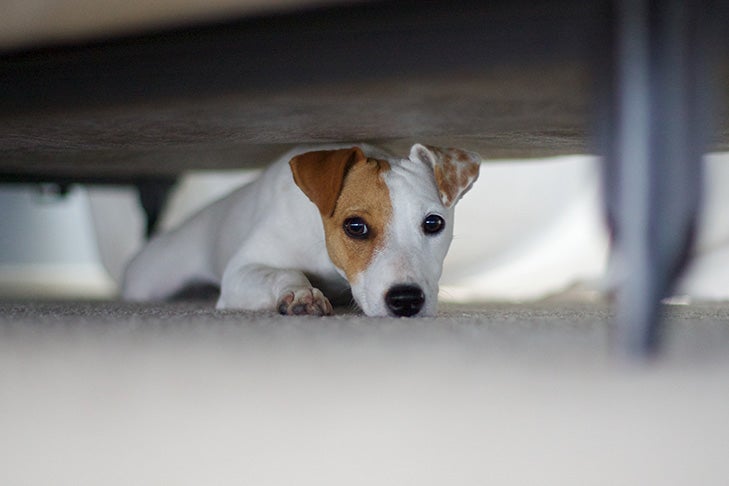
Fear in dogs shows through body language and sounds. Dogs may tuck their tails or lower their ears. Some dogs shake or try to hide. Others may growl or bark softly. Avoiding eye contact is a common sign. Panting or yawning can also mean stress. Look for these signs to know when your dog feels afraid.
Triggers That Cause Anxiety
Many things can scare a dog. Loud noises like thunder or fireworks are common triggers. New people or animals may cause anxiety. Strange places or sudden movements can frighten dogs. Past bad experiences may make some dogs more nervous. Knowing what scares your dog helps you avoid those triggers. This builds trust and keeps your dog calm.
Creating A Safe Environment
Creating a safe environment is the first step in training a fearful dog. A calm and secure space helps your dog feel protected. Feeling safe lowers anxiety and builds trust. This foundation is key for any training to work well.
Comfortable Spaces
Provide your dog with a quiet, cozy spot to rest. Use soft bedding and keep it clean. Place this space away from loud noises and busy areas. Let your dog choose when to use this safe zone. A familiar spot reduces fear and encourages relaxation.
Minimizing Stress Factors
Remove or reduce things that scare your dog. Loud sounds, sudden movements, and unfamiliar people cause stress. Keep the home calm and predictable. Use gentle voices and slow actions around your dog. Small changes lower fear and help your dog stay calm.
Building Trust Gradually
Building trust with a fearful dog takes patience and care. Trust does not happen fast. It grows little by little. The dog needs to feel safe and calm around you. This is the key to helping a fearful dog become confident. Start with small steps. Let the dog set the pace. Each positive moment adds to trust. Consistency helps the dog know what to expect. This makes your dog feel secure and loved.
Positive Interactions
Use gentle words and soft tones when talking to your dog. Avoid sudden moves or loud noises. Offer treats as a sign of kindness. Let the dog come to you instead of chasing it. Play quietly with toys the dog likes. Praise the dog for calm behavior. These actions show the dog you are a friend. Repeat these positive moments every day. Over time, the dog will start to relax and trust you more.
Consistent Routines
Dogs feel safe with a steady daily routine. Feed, walk, and play at the same times each day. Keep your commands and signals clear and simple. This helps the dog understand what you want. Avoid sudden changes that may scare the dog. A calm and regular schedule reduces anxiety. The dog learns to expect good things from you. Trust grows stronger as the dog feels more secure.
Using Positive Reinforcement
Using positive reinforcement is a gentle way to help fearful dogs feel safe and confident. This method focuses on rewarding good behavior instead of punishing fear. It creates a trusting bond between you and your dog. Positive reinforcement encourages your dog to repeat calm and brave actions.
Reward-based Training
Reward-based training means giving treats, praise, or toys when your dog acts well. Rewards motivate your dog to learn new skills. Choose small, tasty treats that your dog loves. Offer the reward right after the desired behavior. This helps your dog connect the action with the reward.
Use kind words and pet your dog softly to show approval. Avoid using harsh tones or punishment. Reward-based training builds your dog’s confidence slowly. It teaches your dog that good things happen when they stay calm.
Timing And Consistency
Timing is very important in positive reinforcement. Give rewards immediately after the right behavior. A delay can confuse your dog. Consistency helps your dog understand what you expect. Train in short sessions every day.
Use the same commands and rewards each time. This makes learning easier for your dog. Consistent training helps reduce fear and builds trust. It turns training into a clear, positive routine.
Desensitization Techniques
Desensitization techniques help reduce a dog’s fear by slowly introducing them to what scares them. This method lowers anxiety over time. It builds the dog’s confidence in small, safe steps.
These steps create a calm and controlled environment. The dog learns that the fearful object or situation is not a threat. Patience and consistency are key to success.
Controlled Exposure
Start by exposing the dog to the fear trigger at a low intensity. For example, if the dog fears loud noises, play soft sounds first. Keep the distance wide so the dog feels safe.
Observe the dog’s reactions closely. If the dog shows signs of stress, reduce the intensity or distance. Reward calm behavior with treats and praise. This positive reinforcement helps the dog associate the trigger with good experiences.
Step-by-step Progression
Increase the exposure gradually and slowly. Move closer or make the trigger louder in small steps. Only progress when the dog stays relaxed at the current level.
Repeat each step many times. This repetition helps the dog adjust without fear. Avoid rushing or forcing the dog into situations that cause panic. Small gains lead to lasting change.
Credit: www.akc.org
Counter-conditioning Strategies
Counter-conditioning is a key method to help a fearful dog feel safe. It changes the dog’s reaction from fear to calm or happy feelings. This process takes time and patience. The goal is to make the dog see scary things as normal or even good. Each step should be gentle and never rushed.
Counter-conditioning uses positive experiences to replace fear. It often works best with treats and play. These tools help create a new, positive connection in the dog’s mind. The dog learns that the feared object or situation leads to something nice, not scary. This approach builds trust and confidence slowly.
Replacing Fear With Positive Responses
Start by identifying what scares your dog. This could be loud noises, strangers, or other animals. Expose your dog to the fear source at a very low level. Keep the dog far enough away to avoid panic. Offer calm praise and gentle petting to comfort your dog.
Next, pair the sight or sound with something the dog loves. This might be a favorite treat or toy. Repeat this often, always at a safe distance. Gradually bring the dog closer to the fear trigger. Watch your dog’s body language. Stop or step back if your dog shows stress.
Pairing With Treats And Play
Treats and play are powerful tools to change fear. Use high-value treats your dog only gets during training. These treats make the experience special and rewarding. Play can also distract and relax your dog.
During exposure to the fear trigger, give treats quickly and frequently. This teaches your dog that the scary thing means good things happen. Use toys to engage your dog’s mind. A fun game can shift focus from fear to joy. Keep sessions short and positive to build success.
Socialization Tips
Socialization helps a fearful dog feel safer and more confident. It builds trust and reduces anxiety. Start slow and keep sessions short. Watch your dog’s body language closely. Stop if your dog looks stressed or scared.
Safe Introductions To People
Introduce your dog to new people calmly. Choose quiet places without many distractions. Let your dog approach people at their own pace. Avoid forcing eye contact or hugs. Use treats and soft praise to create positive feelings. Let people stay low and calm. This helps your dog feel less threatened.
Gradual Interaction With Other Dogs
Start with dogs that are calm and friendly. Keep both dogs on a leash at first. Allow them to sniff and observe each other quietly. Keep meetings short and positive. Gradually increase the time they spend together. Always watch for signs of fear or aggression. Separate the dogs if needed and try again later.

Credit: www.youtube.com
Handling Setbacks
Training a fearful dog is a patient journey. Setbacks are part of the process. Handling these moments calmly helps your dog gain trust and confidence. Understanding setbacks prevents frustration for both you and your dog.
Each step back can teach you what your dog needs. Stay observant and ready to adapt your training methods. This flexibility supports steady progress over time.
Recognizing Regression
Regression means your dog acts more afraid than before. Signs include hiding, trembling, or refusing to follow commands. Notice these changes early. They often show your dog feels stressed or overwhelmed.
Regression is normal. It does not mean failure. It shows your dog needs a slower pace or more support. Watch your dog’s body language closely. This helps you understand when to pause or change training.
Adjusting Training Approaches
Changing your methods can help fearful dogs feel safer. Use gentler tones and slower movements. Break tasks into smaller, easier steps. Reward small successes with praise or treats.
Give your dog more time to adjust. Repeat exercises calmly without rushing. Create positive experiences around scary situations. This rebuilds your dog’s confidence gradually.
When To Seek Professional Help
Training a fearful dog can be tough. Sometimes, the fear is too strong to handle alone. Knowing when to get professional help is important. It keeps your dog safe and helps them feel better faster.
Signs Of Severe Anxiety
Severe anxiety shows in many ways. Your dog may hide or freeze often. They might bark or growl without cause. Shaking, drooling, or panting a lot can be signs too. If your dog tries to escape or harms itself, seek help quickly. These signs mean fear is overwhelming your dog.
Choosing A Qualified Trainer
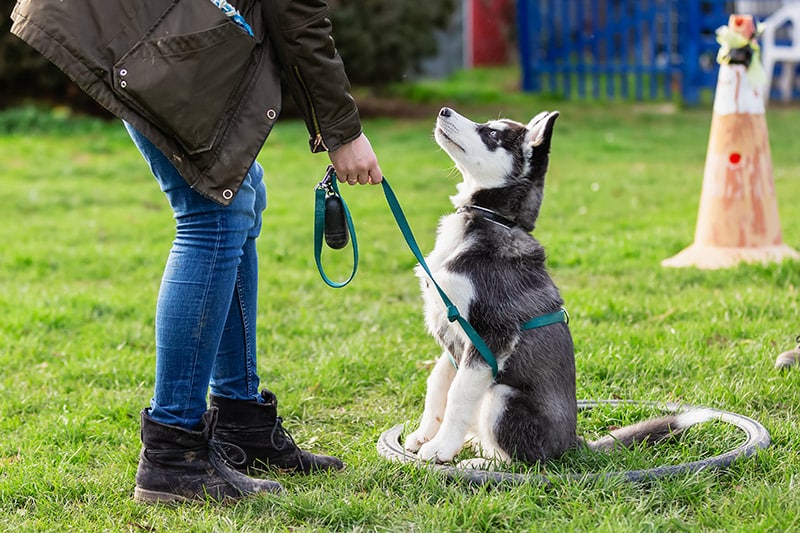
Pick a trainer with experience in fearful dogs. They should use gentle, positive methods only. Avoid trainers who use punishment or force. A good trainer listens to your concerns and works with your dog’s pace. Check reviews and ask for recommendations before choosing. The right trainer can make a big difference.
Credit: www.dogster.com
Frequently Asked Questions
How Can I Build Trust With A Fearful Dog?
Start by approaching calmly and speaking softly. Offer treats and gentle petting. Avoid sudden movements. Be consistent and patient to help the dog feel safe and secure over time.
What Are The Best Training Methods For Fearful Dogs?
Use positive reinforcement techniques like treats and praise. Avoid punishment or harsh corrections. Gradually expose the dog to new experiences at their own pace to reduce fear.
How Long Does It Take To Train A Fearful Dog?
Training duration varies by dog and fear severity. Consistent daily sessions over weeks or months are typical. Patience and gradual progress are key to long-term success.
Should I Use Professional Help For A Fearful Dog?
Yes, a professional trainer or behaviorist can provide tailored strategies. They help address specific fears safely and effectively, improving outcomes for you and your dog.
Conclusion
Training a fearful dog takes time and patience. Small steps build trust and confidence. Reward calm behavior with treats and praise. Avoid forcing your dog into scary situations. Let your dog explore at their own pace. Consistency helps your dog feel safe and secure.
Keep training sessions short and positive. Celebrate every little success along the way. Remember, your calm presence means a lot. Fear can lessen with gentle care and love. Trust grows slowly but surely. Your dog can learn to feel brave again.


