Do your walks with your dog often turn into stressful battles? If your dog reacts strongly to other dogs, people, or noises, you’re not alone.
But here’s the good news: you can change this. Imagine enjoying calm, peaceful walks where your dog stays focused and relaxed by your side. You’ll discover simple, effective steps to train your reactive dog on walks. Stick with me, and you’ll learn how to turn those frustrating moments into enjoyable outings for both you and your furry friend.
Ready to transform your walks? Let’s get started!

Credit: www.thetrainingofdogs.com
Why Dogs React On Walks
Dogs often act differently on walks than at home. The outside world has many new sights and sounds. These can make dogs feel unsure or excited. This can lead to reactive behavior. Understanding why dogs react helps you train them better.
Common Triggers For Reactivity
Many things can cause a dog to react on walks. Other dogs nearby can make some dogs nervous or aggressive. Loud noises, such as cars or bicycles, may startle them. Unfamiliar people or animals also trigger reactions. Sometimes, crowded places make dogs feel trapped or scared. Even smells from the environment can cause excitement or alertness.
Behavioral Signs To Watch For
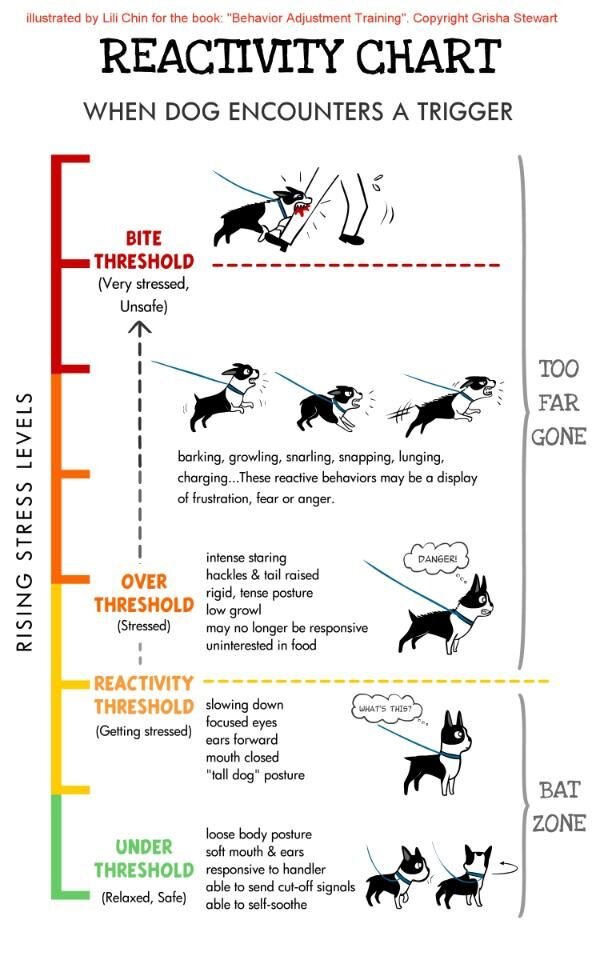
Dogs show many signs when they feel reactive. Barking and lunging are common signals. You may see stiff body posture or raised fur. Whining or growling can also occur. Some dogs pull hard on the leash. Others try to hide behind their owner. Watching these signs helps you understand your dog’s feelings.
Credit: www.browndogcoalition.com
Preparing For Successful Walks
Preparing for successful walks with a reactive dog sets the foundation for better behavior. It helps reduce stress for both you and your dog. Careful preparation increases chances of calm, controlled walks. This stage focuses on tools and mindset before stepping outside.
Choosing The Right Equipment
Good equipment keeps your dog safe and comfortable. Use a sturdy harness that fits well. Avoid collars that can hurt your dog’s neck. A leash about 4 to 6 feet long works best. It offers control without feeling too tight. Consider a leash with a comfortable handle for better grip. Equipment should suit your dog’s size and strength. Test gear before walks to ensure it feels right.
Setting Realistic Goals
Start with small, clear goals for each walk. Aim for calm behavior near common triggers. Keep walks short at first to avoid stress. Celebrate small wins like ignoring a passing dog. Gradually increase walk time and challenge level. Track progress with notes or photos. Realistic goals help you stay patient and motivated. Avoid pushing your dog too fast. Let your dog learn at its own pace.
Training Techniques For Reactivity
Training a reactive dog on walks requires patience and clear methods. Reactivity means your dog reacts strongly to sights, sounds, or other dogs. The right training techniques help your dog stay calm and focused. Use gentle, consistent approaches to change your dog’s reactions.
Positive Reinforcement Strategies
Reward good behavior to encourage calm reactions. Give treats, praise, or toys when your dog stays relaxed. Catch your dog’s calm moments and reward immediately. Avoid punishment; it can increase fear and anxiety. Positive reinforcement builds trust and makes walks enjoyable.
Desensitization And Counterconditioning
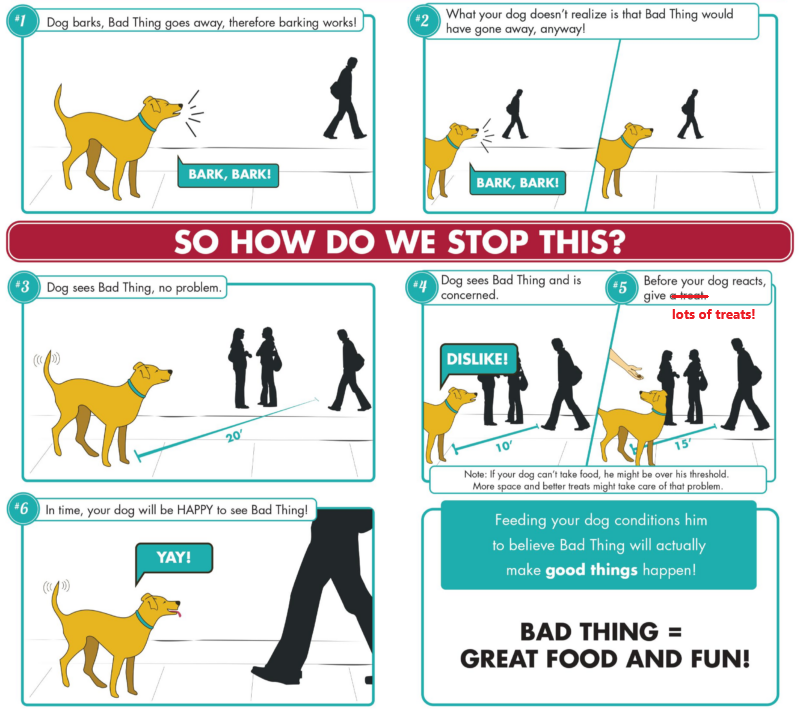
Expose your dog to triggers at a distance that feels safe. Slowly decrease the distance as your dog stays calm. Pair the trigger with something your dog loves, like treats or play. This helps your dog learn to feel positive about triggers. Repeat this often to change emotional responses.
Teaching Focus And Attention
Train your dog to look at you on cue. Use commands like “look” or “watch me.” Start in a quiet place, then practice near triggers. Reward your dog for giving you attention instead of reacting. Focus training helps your dog ignore distractions and stay calm.
Managing Walk Environment
Managing the walk environment plays a big role in training a reactive dog. It helps reduce stress and makes walks more enjoyable. Changing the surroundings can calm your dog. It sets a better stage for learning and good behavior. Choosing the right place and time can make walks smoother.
Selecting Low-distraction Routes
Pick routes with fewer distractions for your dog. Quiet streets or parks with open spaces work well. Avoid busy roads and crowded areas. These places can trigger your dog’s reactivity. Look for paths with less noise and fewer people. This helps your dog focus and stay calm. Low-distraction routes make training easier and safer.
Timing Walks To Avoid Crowds
Walk your dog during less busy times of the day. Early mornings or late evenings often have fewer people. This reduces the chance of encounters that upset your dog. Avoid weekends or popular hours at parks. Less crowded times lower stress and help your dog relax. Consistent, calm walks build better habits and confidence.
Handling Unexpected Situations
Handling unexpected situations during walks with a reactive dog can be challenging. Sudden noises, other dogs, or fast movements may trigger your dog’s reaction. Staying calm and acting quickly helps keep control. Training your dog to respond calmly is key. Below are useful methods to manage these moments effectively.
Calming Techniques On The Spot
Use a soft voice to soothe your dog. Speak slowly and kindly to reduce anxiety. Gentle petting can also help calm your dog. Give slow, deep breaths and encourage your dog to breathe with you. Avoid pulling the leash hard; it can increase stress. Stand still or move away slowly from the trigger. These actions help your dog feel safe and less reactive.
Redirecting Your Dog’s Attention
Shift your dog’s focus to something positive. Use treats or favorite toys to catch their interest. Ask your dog to perform simple commands like “sit” or “look.” Reward your dog when they obey. This creates a new focus and reduces reactivity. Practice this often so your dog learns to look to you. It builds trust and helps manage unexpected triggers calmly.
Consistency And Patience
Training a reactive dog on walks demands consistency and patience. These two qualities build trust and help your dog learn better. Consistency means repeating the same commands and routines. Patience allows your dog to progress at their own pace. Together, they create a calm and positive learning environment.
Without patience, training can become frustrating for both you and your dog. Without consistency, your dog may get confused. Keep sessions short and regular. Celebrate small wins. This steady approach helps reduce your dog’s reactivity over time.
Tracking Progress Over Time
Keep a simple journal of each walk. Note any triggers and how your dog reacts. Record improvements, like less barking or pulling. This helps you see what works and what needs change. Tracking progress also motivates you to continue training. Small steps add up to big changes.
Avoiding Common Training Pitfalls
Do not punish your dog for reacting. Punishment can increase fear and aggression. Avoid long, tiring sessions that tire your dog and you. Stay calm and consistent even if progress is slow. Skipping sessions breaks your dog’s learning rhythm. Remember, patience and consistency are keys to success.
When To Seek Professional Help
Training a reactive dog on walks can be tough. Sometimes, professional help is the best choice. Knowing when to get help saves time and stress. It also ensures your dog stays safe and happy.
Identifying Signs You Need A Trainer
Your dog lunges, barks, or growls at every trigger. These behaviors do not improve with your efforts. You feel overwhelmed and unsure how to proceed. Walks become stressful for both you and your dog. Your dog’s reactions may cause danger to others. These are clear signs to seek a trainer’s help.
Finding The Right Behavior Specialist
Choose a trainer with experience in reactive dogs. Look for positive reinforcement methods only. Avoid trainers who use harsh or scary techniques. Ask for recommendations from your vet or local dog groups. Meet the trainer to discuss your dog’s specific needs. A good specialist will create a clear, step-by-step plan.
Credit: j9sk9s.com
Frequently Asked Questions
What Is A Reactive Dog On Walks?
A reactive dog reacts strongly to stimuli like other dogs, people, or noises during walks. This behavior includes barking, lunging, or growling. Understanding reactivity helps tailor effective training techniques to improve your dog’s behavior and make walks enjoyable.
How Can I Calm My Reactive Dog During Walks?
Use positive reinforcement and remain calm to soothe your dog. Distract them with treats or toys when triggers appear. Gradually expose your dog to stimuli at a controlled distance, increasing exposure as they improve. Consistency and patience are key to calming reactive dogs.
Which Training Tools Help With Reactive Dogs?
Tools like head halters, front-clip harnesses, and long leashes help manage reactive dogs safely. These tools give you better control and reduce pulling or lunging. Pair tools with positive training methods to encourage good behavior on walks.
How Do I Redirect A Reactive Dog’s Attention?
Redirect your dog’s focus by calling their name or offering a treat. Use commands like “look” or “focus” to regain attention. Timing is crucial; redirect before the dog reacts fully. This prevents escalation and reinforces calm behavior during walks.
Conclusion
Training a reactive dog on walks takes patience and time. Stay calm and consistent with your approach. Reward good behavior often to encourage progress. Small steps lead to big improvements. Always keep your dog’s safety in mind. Trust builds as your dog learns new skills.
Enjoy the journey with your furry friend. Walks can become peaceful and fun again. Keep practicing, and results will follow.