

Training your dog can be a fun and rewarding experience, but it can also be frustrating if you don’t have the right tools. That’s where a clicker comes in.
You might have heard about clicker training, but how exactly do you use a clicker to train your dog? This simple device can change the way your dog learns and help you communicate clearly with your furry friend. You’ll discover easy steps to start clicker training and why it works so well.
Keep reading, and you’ll be amazed at how quickly your dog picks up new behaviors with just a little click!
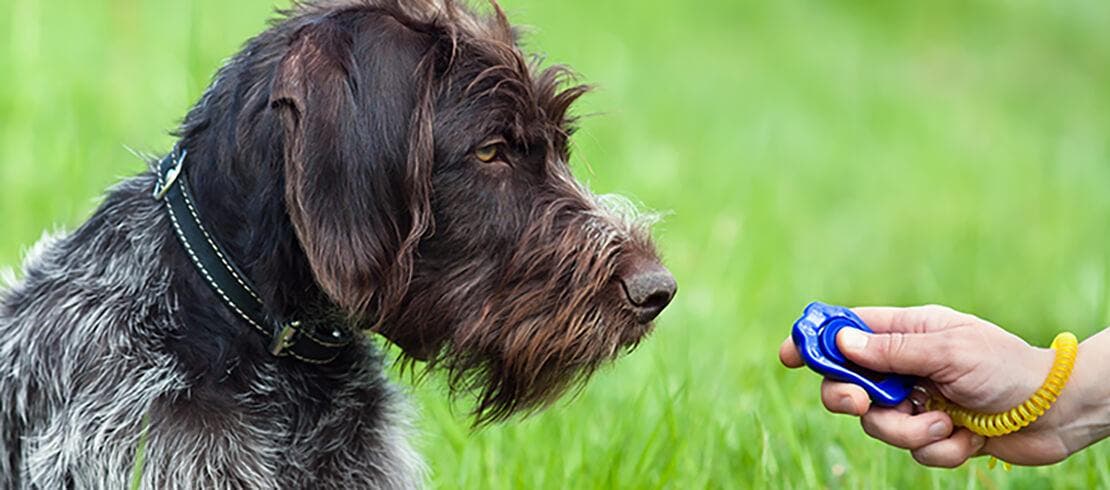
Credit: mypetandi.elanco.com
Choosing The Right Clicker
Choosing the right clicker is important for successful dog training. The right clicker makes training clear and consistent for your dog. It helps mark good behavior with a distinct sound. This encourages your dog to repeat the behavior.
Types Of Clickers
There are several types of clickers available. The most common one is the simple plastic clicker. It produces a sharp, clear sound. Another type is the metal clicker. It offers a louder, crisper click. Some clickers come with a wrist strap. This keeps the clicker close and easy to use. Others are small and fit in your pocket. Choose a type that feels comfortable in your hand.
Features To Look For
Sound clarity is the top feature to check. The click must be easy for your dog to hear. Durability matters, too. Choose a clicker made of strong materials. It should last through many training sessions. Size and shape affect how easy it is to hold. Lightweight clickers reduce hand fatigue. A wrist strap or clip can help keep the clicker handy. Avoid clickers that are too noisy or soft. Consistency in the click sound helps your dog learn faster.

Credit: www.youtube.com
Preparing Your Dog For Training
Preparing your dog for training is a key step to success. It sets the stage for good behavior and learning. Before you start, your dog needs to feel calm and ready. This makes training easier and more effective. Spend time helping your dog get used to the training tools and environment. A well-prepared dog will respond better to commands and enjoy the process.
Creating A Positive Environment
Choose a quiet place with few distractions. This helps your dog focus on you. Use soft lighting and a comfortable spot. Keep your dog relaxed and happy. Have treats ready to reward good behavior. Speak in a gentle, cheerful voice. Avoid loud noises or sudden movements. A peaceful setting encourages your dog to learn quickly.
Introducing The Clicker Sound
Show the clicker to your dog first. Press it once and immediately give a treat. Repeat this several times to build a link. The dog learns that the click means a reward is coming. Do this in short sessions to keep your dog’s attention. Soon, your dog will listen for the click sound. It becomes a clear signal that they did well.
Basic Clicker Training Steps
Clicker training is simple and effective for teaching dogs new behaviors. The clicker makes a clear sound that marks the exact moment your dog does something right.
This method helps your dog understand what you want quickly. Start with easy steps and keep training sessions short and fun.
Timing The Click
Timing is key in clicker training. Click the moment your dog does the correct action. For example, if your dog sits, click immediately as the bottom touches the floor.
The click tells your dog, “Yes, that is right.” Delayed clicks can confuse your dog. Be quick and precise to build clear communication.
Pairing Click With Rewards
After clicking, give your dog a reward. This reward can be a treat, praise, or a favorite toy. The dog learns to link the click sound with something good.
Repeat this pairing often at the start. This helps your dog understand the click means a reward is coming. Soon, the click itself becomes a strong signal.

Credit: www.amazon.com
Teaching Simple Commands
Teaching simple commands with a clicker helps your dog learn quickly. The clicker marks the exact moment your dog does the right thing. This makes training clear and fun. Start with easy commands to build your dog’s confidence. Consistency and patience are key. Let’s explore how to teach two basic commands using a clicker.
Sit And Stay
Hold a treat close to your dog’s nose. Slowly move it up and back over their head. Your dog will naturally sit to follow the treat. Click the moment they sit. Give the treat right after the click. Repeat this several times.
Once your dog sits on command, add “stay.” Ask your dog to sit. Show your palm like a stop sign and say “stay.” Wait a few seconds. Click and treat if they stay still. Gradually increase the wait time. Always reward your dog for staying calm.
Come And Heel
Start indoors with few distractions. Squat down and say your dog’s name, then say “come.” When your dog comes to you, click immediately. Give a tasty treat right away. Repeat this often to build a strong recall.
For “heel,” walk with your dog on a leash. Keep treats in your hand near your leg. Say “heel” and encourage your dog to walk beside you. Click and treat when they stay by your side. Practice in short sessions to keep your dog focused.
Addressing Common Challenges
Training a dog with a clicker can be very effective. Yet, some challenges often arise during the process. Understanding these common issues helps trainers stay patient and focused. Let’s explore how to handle typical problems to keep your training smooth and fun.
Dealing With Distractions
Dogs get distracted easily. Noisy places or other animals can break their focus. Start training in a quiet, calm space. Use the clicker only when your dog pays attention. If distractions appear, pause and wait for your dog to calm down. Gradually add distractions as your dog improves. This builds strong focus over time.
Maintaining Consistency
Consistency is key for clicker training. Always use the same click sound. Click exactly when your dog does the right action. Reward right after the click to link behavior and reward. Everyone in the household should follow the same rules. Mixed signals confuse your dog and slow progress. Set regular short sessions daily to reinforce learning.
Advanced Clicker Techniques
Advanced clicker techniques help trainers teach dogs more than basic commands. These methods build on simple clicks and treats. They guide dogs through complex tasks and change unwanted behavior effectively. Patience and consistency are key. These techniques deepen communication between you and your dog.
Shaping Complex Behaviors
Shaping means rewarding small steps toward a big behavior. Click for each action that moves closer to the goal. For example, if teaching a dog to roll over, click for lying down, then for turning on the side, and finally for rolling fully. This breaks down hard tasks into easy parts. It keeps the dog motivated and clear about what to do next.
Practice shaping regularly. Use clear clicks and treats. Move slowly, so your dog understands each step. This method helps teach tricks and useful actions like fetching specific items.
Using Clicker For Behavior Modification
Clicker training can change bad habits. Catch your dog doing the right action and click immediately. For example, click when your dog stops barking or moves away from furniture. This teaches the dog what you want without punishment.
Pair clicker training with calm commands and rewards. This approach builds trust and good manners. It helps reduce stress and confusion during training sessions. Over time, your dog learns to choose good behavior because it feels rewarding.
Tips For Successful Training Sessions
Successful dog training with a clicker needs patience and good planning. Small changes make a big difference. Training sessions should be clear and fun for your dog. You want your dog to enjoy learning and respond well to the clicker sound. Here are some tips to help your sessions go smoothly and keep your dog motivated.
Session Duration And Frequency
Keep training sessions short. Around 5 to 10 minutes works best. Dogs can lose focus if sessions last too long. Short sessions keep your dog eager to learn.
Train several times a day, but not too much. Two to three short sessions daily help your dog remember commands. Regular practice builds good habits faster.
Keeping Training Fun
Use a happy voice and gentle touch. Your dog will connect the clicker with positive feelings. Praise your dog with treats or petting after each click.
Change the training games often. Try new tricks or simple commands to keep interest high. Dogs learn better when they enjoy the process.
Frequently Asked Questions
What Is The Purpose Of A Clicker In Dog Training?
A clicker marks the exact moment your dog performs a desired behavior. It provides clear communication and helps dogs learn faster. The sound signals a reward is coming, reinforcing positive actions effectively.
How Do I Introduce A Clicker To My Dog?
Start by clicking and immediately giving a treat. Repeat this several times to help your dog associate the click sound with rewards. This process is called “charging” the clicker and builds positive connections.
Can A Clicker Replace Verbal Commands In Training?
No, clickers complement verbal commands but do not replace them. Use the clicker to mark good behavior while pairing it with words. This combination strengthens understanding and obedience.
How Often Should I Use The Clicker During Training?
Use the clicker each time your dog performs the correct behavior. Consistency is key for clear communication. Gradually reduce treats but keep clicking to maintain good habits.
Conclusion
Using a clicker helps your dog learn faster and clearer. It marks good behavior right away. Practice often, keep sessions short and fun. Be patient; every dog learns at its own pace. Reward your dog with treats or praise after clicks.
This method builds trust and strong communication. Soon, your dog will respond to commands easily. Training becomes a positive experience for both of you. Remember, consistency is the key to success. Start today and enjoy training with your dog!


