

Have you ever wondered why your dog sometimes acts like they’re the leader of the pack—or why they look to you for direction? Understanding dog pack behavior with humans can change the way you connect with your furry friend.
When you learn how dogs see you in their social group, you’ll unlock secrets to better communication, trust, and harmony. Keep reading to discover how your role influences your dog’s behavior and how to strengthen your bond like never before.

Credit: www.cherryhoggs.com
Canine Pack Basics
Dogs have strong pack instincts that shape their behavior with humans. Understanding these basics helps improve how we live and communicate with them. Packs create order, safety, and teamwork among dogs. These natural traits carry over to their relationships with people.
Knowing about canine pack basics gives insight into why dogs act certain ways. It explains their need for leaders and clear roles. This knowledge supports better training and stronger bonds.
Origins Of Pack Instincts
Dogs come from wolves, animals that live in packs. Wolves depend on packs for hunting and protection. Each wolf has a role to keep the group strong. These instincts remain in dogs, even after domestication.
Pack instincts guide dogs to seek social order and group belonging. They look for leadership and clear rules. This helps dogs feel safe and reduces stress.
Hierarchy In Wild Packs
Wild packs have a clear hierarchy with leaders and followers. The alpha wolf leads the pack and makes decisions. Other members follow rules and respect the leader.
This hierarchy keeps peace and helps the pack survive. Dogs mirror this system in homes with humans. They want to know who leads and where they fit.
Dogs And Human Families
Dogs live closely with humans and often act like family members. They see the home as their pack. This helps them feel safe and loved. Understanding how dogs view human families improves our bond with them. It also helps us train and care for them better.
Viewing Humans As Pack Members
Dogs do not just see humans as friends. They see them as part of their pack. Packs have leaders, followers, and helpers. Dogs look for clear roles in their human families. They watch how people behave to find their place. This helps dogs feel secure and balanced.
Dogs use body language and tone to understand humans. They respond to commands like pack members. Dogs also protect and follow their human pack leaders. This shows their loyalty and trust. They want to be accepted and respected.
Roles Dogs Assume In Human Packs
Dogs take on different roles in human families. Some act as protectors, watching for danger. Others are helpers, offering comfort and support. Many dogs become playful companions, bringing joy to the home. Each dog’s role depends on its personality and training.
Some dogs become leaders within their pack. They show confidence and guide others. Others prefer to be followers, staying close to their humans. Understanding your dog’s role helps in training and care. It strengthens the connection between dog and family.
Communication Within The Pack
Communication within a dog pack is key to keeping order and harmony. Dogs use many ways to send messages and understand each other. This communication also helps dogs connect with humans. Understanding these signals can improve your bond and make living together easier.
Body Language Signals
Dogs use their bodies to talk without words. Tail position shows feelings like happiness or fear. Ears moving up or back can signal alertness or submission. Eye contact can mean trust or challenge. Posture changes tell if a dog is relaxed or ready to act. Watching these signs helps you know what your dog feels and thinks.
Vocalizations And Their Meanings
Dogs use sounds to express needs and emotions. Barking can mean excitement, warning, or attention seeking. Growling often warns to stay away or shows discomfort. Whining tells of stress or desire for something. Howling connects dogs to their pack or reacts to sounds. Listening closely to these sounds helps understand your dog better.
Leadership And Obedience
Understanding leadership and obedience is key to a healthy human-dog bond. Dogs see their owners as part of their pack. They look for clear leadership to feel safe and confident. Good leadership helps dogs follow rules without stress. Obedience is not about fear. It is about trust and respect. Together, they create harmony in daily life.
Alpha Role In Human-dog Relationship
The alpha role means guiding the dog calmly and firmly. The owner acts as the pack leader. Dogs feel secure when they know who leads. This leadership is not about being harsh or loud. It is about being consistent and fair. Dogs respond better to calm strength than to force. Clear rules and routines help dogs understand their place. This reduces anxiety and unwanted behavior. Being a good alpha means showing confidence without anger.
Building Respect Without Fear
Respect grows from kindness and clear communication. Dogs learn best when training feels safe and positive. Avoid punishment or yelling. These create fear, not respect. Use rewards and praise to encourage good behavior. Consistent commands help dogs know what is expected. Patience is important; dogs need time to learn. Respect is a two-way street. When dogs trust their leader, they obey gladly. This builds a strong, loving relationship.
Common Pack Behavior Challenges
Dogs live in packs and have natural behaviors linked to this. These behaviors affect how they act with humans. Some challenges can arise as dogs try to find their place in the family pack. Understanding these common challenges helps improve your bond with your dog.
Dominance Issues
Dominance struggles happen when dogs try to lead the pack. They may push limits or ignore commands. This can cause tension and confusion in the home. Clear rules and consistent training help dogs understand their role. Dogs need a confident leader to feel safe and calm.
Separation Anxiety
Dogs feel stress when left alone too long. They miss their pack and may act out. Barking, chewing, or pacing are signs of anxiety. Creating routines and giving comfort items reduces this fear. Gradual time apart helps dogs adjust slowly and peacefully.
Territorial Behavior
Dogs protect their space and can be wary of strangers. Guarding the home or yard is natural pack behavior. This may cause barking or aggression toward visitors. Teaching dogs to relax and welcoming guests calmly eases this behavior. Positive social experiences build trust and calmness.

Credit: www.caninerevolutiondogtraining.com
Strengthening The Human-dog Bond
Strengthening the bond between humans and dogs is key to a happy relationship. Dogs are social animals that thrive on clear communication and trust. Building this connection requires time, patience, and understanding.
Strong bonds help dogs feel safe and loved. They also make training easier and reduce behavior problems. Let’s explore two important ways to deepen this bond.
Consistent Rules And Boundaries
Dogs learn best with clear rules. Consistency helps them know what is allowed and what is not. This creates a sense of order, much like a pack structure.
Set simple rules for your dog every day. Follow these rules yourself to avoid confusion. For example, decide if your dog can sit on the couch and stick to it.
Boundaries give dogs a feeling of safety. They understand their place in the family. This respect builds trust and reduces stress for your dog.
Positive Reinforcement Techniques
Reward good behavior with treats, praise, or playtime. Positive reinforcement encourages dogs to repeat actions you like. It strengthens the bond by making learning fun and rewarding.
Avoid punishment or harsh corrections. These can harm trust and cause fear. Focus on rewarding small steps toward good behavior instead.
Use clear and simple commands. Praise your dog right after they do the right thing. This helps your dog connect actions with rewards quickly.
Training Tips Based On Pack Dynamics
Understanding pack dynamics helps train dogs better. Dogs see their family as a pack. Training based on this idea makes learning easier for them.
Dogs learn social rules from their pack. Trainers can use this natural behavior to guide dogs. This method creates respect and clear leadership.
Socializing With Other Dogs
Socializing teaches dogs how to behave with others. Start with calm and friendly dogs. Let your dog observe and join slowly. Watch body language to prevent fights. Praise good behavior to encourage it. Regular meetings build confidence and reduce fear.
Managing Multi-dog Households
Each dog needs its own space and time. Avoid feeding dogs too close to each other. Set clear rules all dogs must follow. Lead by example and stay calm. Give equal attention to prevent jealousy. Monitor interactions to stop conflicts early. This keeps peace and balance in your home.
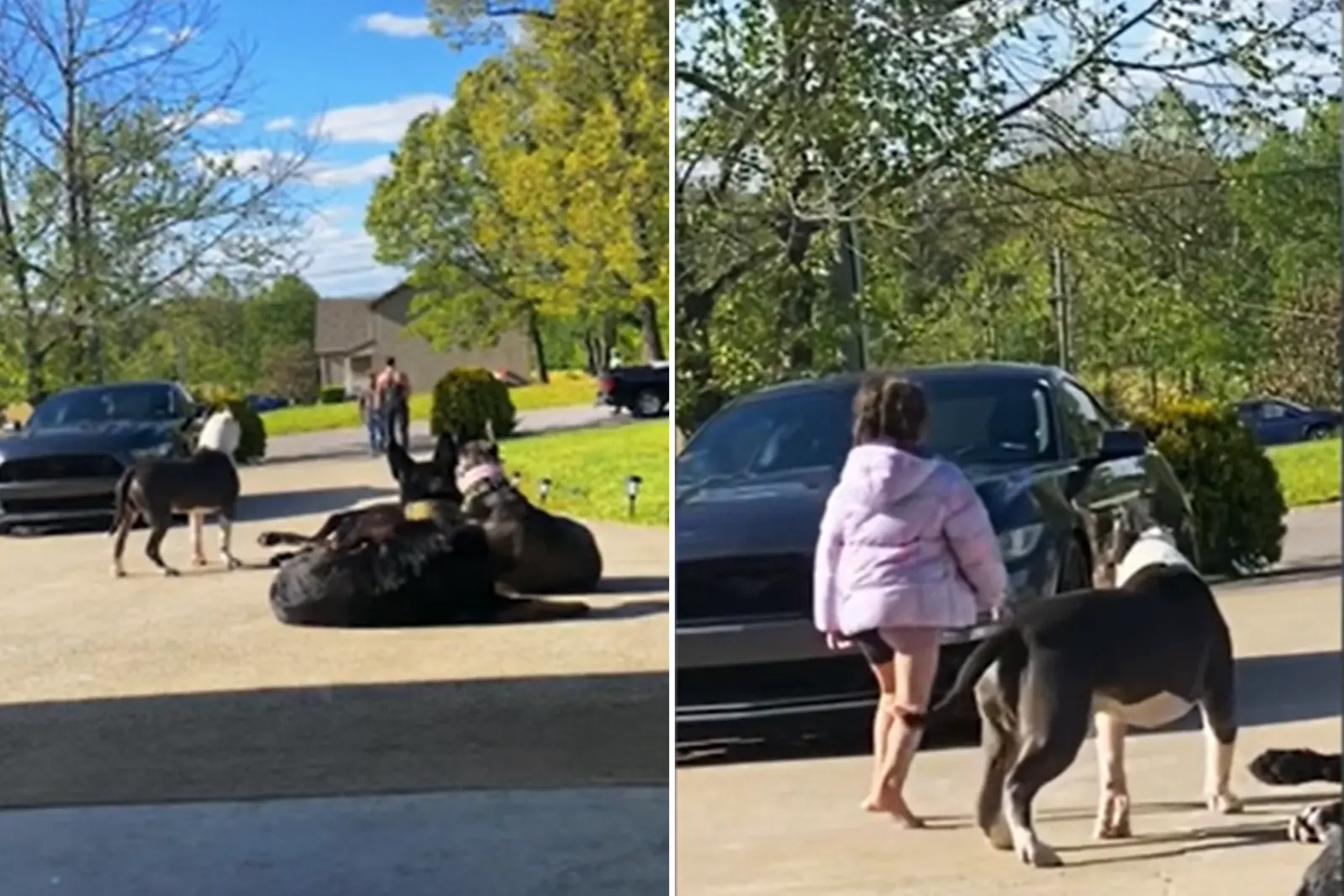
Credit: www.newsweek.com
Frequently Asked Questions
What Is Dog Pack Behavior With Humans?
Dog pack behavior with humans refers to how dogs view their human family as part of their social group. Dogs use pack instincts to communicate, follow leadership, and establish hierarchy with humans. This behavior helps dogs feel secure and behave appropriately around their owners.
How Do Dogs Show Pack Loyalty To Humans?
Dogs show pack loyalty by following commands, staying close, and protecting their human family. They often seek approval and display affection to reinforce bonds. Loyalty is a key aspect of pack behavior, helping dogs and humans build trust and cooperation.
Can Humans Be Pack Leaders For Dogs?
Yes, humans can be pack leaders by setting consistent rules and boundaries. Effective leadership involves calm assertiveness, clear communication, and positive reinforcement. Being a strong pack leader helps dogs feel safe and reduces behavioral issues.
Why Do Dogs Follow Human Pack Rules?
Dogs follow human pack rules because they seek order and security within their social group. Rules help dogs understand expected behavior and reduce anxiety. Clear rules strengthen the human-dog bond and promote harmonious living.
Conclusion
Dogs see humans as part of their pack. They follow clear rules and look for guidance. Understanding pack behavior helps build trust and respect. It makes training easier and life happier. Remember, patience and kindness lead to strong bonds. Treat your dog like a pack member.
Share your time, love, and care daily. This connection helps dogs feel safe and loved. Simple actions create a loyal, happy companion. Pack behavior with humans is natural and rewarding.


