

Are you tired of cleaning up messes inside your home? Teaching your dog to pee outside can save you time, stress, and keep your living space fresh.
It might seem challenging at first, but with the right steps, you can guide your furry friend to develop good bathroom habits quickly. Imagine the relief of walking into a clean house and enjoying your dog’s company without worrying about accidents.
Keep reading to discover simple, effective tips that make training your dog to pee outside easier than you ever thought.
Choose A Designated Spot
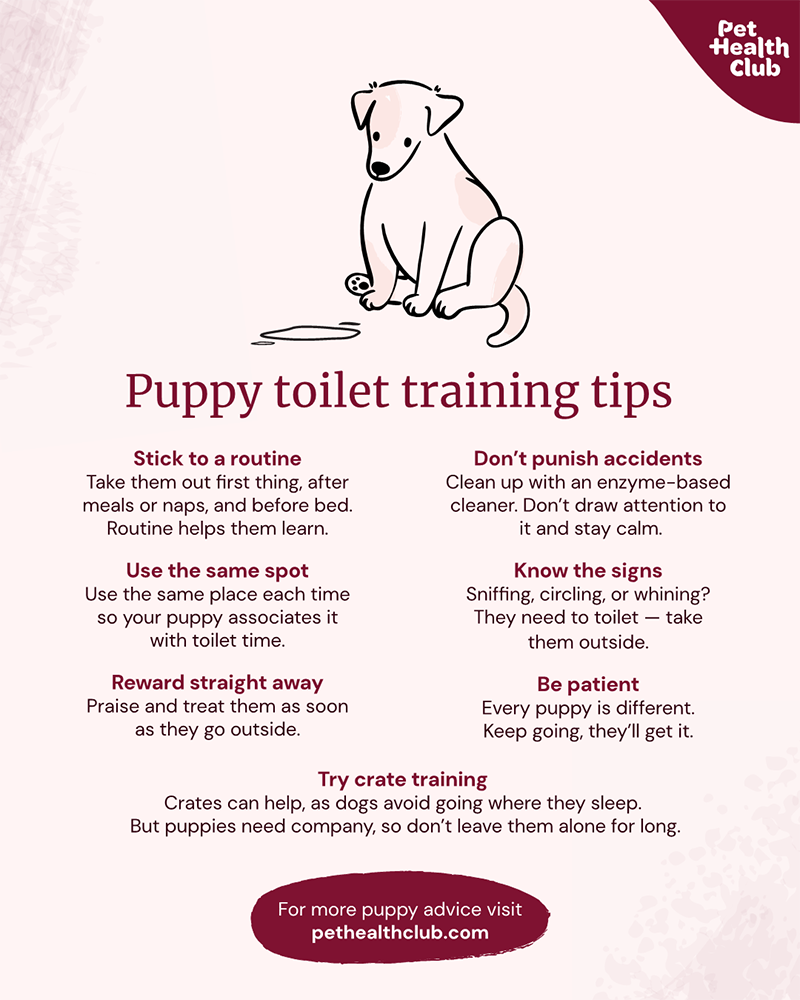
Choosing a designated spot for your dog to pee is a key step in training. It helps your dog understand where it is okay to go. A clear, consistent place makes learning faster and easier for your dog.
Pick A Consistent Area
Select one spot outside for your dog’s bathroom breaks. This spot should be the same every time. Your dog will start to recognize this area as the right place to pee. Consistency helps build good habits quickly.
Consider Accessibility And Safety
Choose a spot that is easy for your dog to reach. Avoid places with heavy traffic or dangerous objects. The area should feel safe and calm. Your dog will feel comfortable and less stressed.
Credit: www.pethealthclub.com
Set A Regular Schedule
Setting a regular schedule helps your dog learn when to pee outside. Dogs feel safe and confident with routine. It makes potty training faster and easier. Consistency shows your dog when it is time to go.
Establish Frequent Bathroom Breaks
Take your dog outside often, especially at first. Puppies need breaks every one to two hours. Adult dogs usually need to go every four to six hours. Frequent trips reduce accidents inside the house. Watch for signs your dog needs to go, like sniffing or circling.
Time Walks Around Meals And Sleep
Plan bathroom breaks just after your dog eats or drinks. Dogs usually need to pee soon after meals. Also, take them out right after naps or waking up. A regular schedule around these times builds good habits. It helps your dog understand when it is time to pee outside.
Use Commands And Cues
Training your dog to pee outside needs clear commands and cues. Dogs learn well with simple words and signals. Consistency helps your dog understand what you want. Using the same command every time makes training easier. Your dog will connect the word with the action soon.
Introduce A Simple Verbal Cue
Pick a short, clear word like “go potty” or “pee.” Say this word just before taking your dog outside. Speak calmly and clearly. Use the same cue each time. Avoid changing words or phrases. Your dog will start to link the cue with peeing outside.
Reinforce With Positive Timing
Give praise or treats right after your dog pees outside. The reward must come immediately. This helps your dog understand the cue means good things. Use happy voice and pet your dog too. Repeat this every time your dog pees outside. Timing is key to fast learning.
Reward Good Behavior
Rewarding good behavior helps your dog learn faster. It makes peeing outside a positive experience. Your dog will want to repeat the action. Rewards build trust and encourage good habits.
Choose Effective Treats
Select small, tasty treats your dog loves. Soft treats work best because dogs eat them quickly. Use treats only for potty success to keep their value high. Avoid giving treats for other behaviors during training. Consistency helps your dog link treats to peeing outside.
Provide Praise And Affection
Use a happy voice to praise your dog. Say “good job” or “well done” right after they pee outside. Pet your dog gently to show your approval. Physical affection makes your dog feel safe and loved. Praise and affection together strengthen good behavior.
Handle Accidents Calmly
Handling accidents calmly is key to training your dog to pee outside. Dogs do not understand punishment and can get scared. Patience and calm reactions help your dog learn better. Stay relaxed and use accidents as learning moments.
Avoid Punishment
Never punish your dog for accidents inside. Punishment causes fear and confusion. Your dog might hide accidents instead of learning. Use gentle words and redirect your dog to the right spot. Praise your dog when they pee outside.
Clean Up Thoroughly
Clean accidents well to remove all smells. Dogs return to spots that smell like urine. Use special pet cleaners that remove odors completely. Avoid ammonia-based cleaners because they smell like urine. A clean area helps your dog understand where not to pee.

Credit: www.amazon.com
Increase Outdoor Time Gradually
Increasing your dog’s outdoor time slowly helps them learn where to pee. This method avoids stress and builds good habits. Your dog gets comfortable outside and learns to connect the outdoors with bathroom breaks. Patience is key during this training phase.
Extend Potty Break Duration
Start by taking your dog outside for short potty breaks. Gradually make these breaks longer over several days. Longer time outside gives your dog a better chance to pee outdoors. Stay calm and wait patiently. Avoid rushing your dog back inside too soon.
Encourage Exploration
Let your dog explore the yard or park during potty breaks. Sniffing around helps them relax and find a good spot to pee. Walk slowly with your dog and allow natural curiosity. Exploration makes outdoor potty time more enjoyable and less stressful.
Monitor Progress And Adjust
Monitoring your dog’s progress is key to successful outside peeing training. Watch closely how your dog behaves and responds. Be ready to make changes to help your dog learn better. Adjusting your methods keeps your training on track and helps your dog succeed faster.
Track Success And Setbacks
Keep a daily record of your dog’s peeing habits. Note the times your dog pees outside and any accidents indoors. This helps you see patterns in your dog’s behavior. Celebrate small successes to stay motivated. Notice setbacks and try to understand their cause. This tracking will guide your next steps.
Adapt Schedule And Rewards
Change your training schedule based on your dog’s needs. Some dogs need more frequent outdoor breaks. Adjust the timing to match your dog’s natural bathroom habits. Use rewards that your dog likes most. If treats do not work well, try praise or playtime instead. Tailoring rewards and schedule helps keep your dog interested and willing to learn.
Seek Professional Help When Needed
Training a dog to pee outside can be tricky. Sometimes, your efforts might not work as planned. Seeking professional help can guide you through tough spots. Experts bring experience and knowledge. They can spot problems you might miss. Getting help early saves time and stress. It also makes training smoother for both you and your dog.
Recognize Training Challenges
Notice if your dog keeps peeing indoors despite training. Look for signs like anxiety, confusion, or health issues. Some dogs have trouble learning due to past habits. Others might react to changes in the home. These challenges need special attention. Recognizing them early helps you find the right support. Don’t ignore repeated accidents or unusual behavior.
Consult Trainers Or Veterinarians
Professional dog trainers use proven methods to teach potty habits. They tailor training to your dog’s needs. Trainers can show you clear steps and corrections. Veterinarians check for medical problems causing accidents. Issues like infections or bladder problems need treatment. A vet visit ensures your dog is healthy. Combining training and medical care speeds up success.

Credit: www.amazon.com
Frequently Asked Questions
How Long Does It Take To Train A Dog To Pee Outside?
Training usually takes 4 to 6 weeks with consistent routines and positive reinforcement. Puppies may need more time, while adult dogs can learn faster.
What Is The Best Time To Take My Dog Outside?
Take your dog outside after meals, naps, and playtime. Frequent trips every 2 hours help establish a routine and prevent accidents indoors.
How Can I Encourage My Dog To Pee Outside?
Use a consistent command like “go potty” and reward your dog immediately with treats and praise when they pee outside. This builds positive associations.
What Should I Do If My Dog Pees Inside?
Clean the area thoroughly to remove odors. Avoid punishment; instead, increase outdoor breaks and reinforce outdoor peeing with rewards to guide correct behavior.
Conclusion
Training your dog to pee outside takes time and patience. Keep routines simple and consistent. Praise your dog each time they go outside. Use gentle reminders and rewards to guide behavior. Watch for signs your dog needs to go out.
Stay calm and positive throughout the process. Soon, your dog will learn where to pee. Enjoy the cleaner home and happy pet. Training builds trust and strengthens your bond. Keep practicing and your dog will succeed.


