Have you ever wondered why your dog suddenly barks at nothing or hides in a corner? Understanding dog behavior can unlock the secret language your furry friend uses every day.
When you learn to read these signals, you’ll build a stronger bond and avoid frustration for both of you. This article will guide you through the key behaviors your dog shows and what they really mean. Keep reading, and you’ll discover how to make your relationship with your dog happier and more fulfilling than ever before.
Credit: www.oaklandanimalservices.org
Common Dog Behaviors
Dogs show many behaviors every day. These behaviors help them share feelings and thoughts. Understanding common dog behaviors makes living with dogs easier. It also builds a stronger bond between dogs and humans. Let’s explore some key behaviors dogs use to communicate.
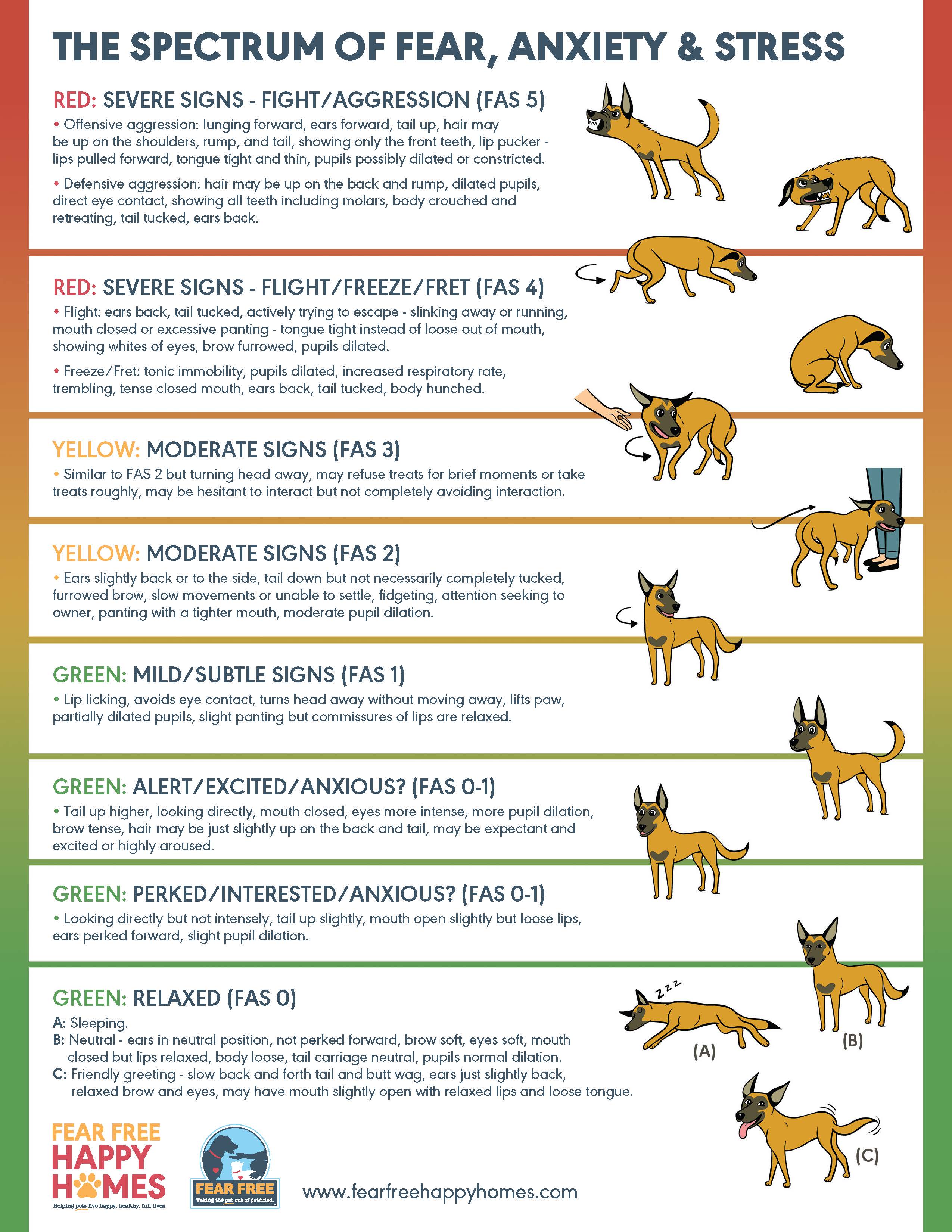
Body Language Signals
Dogs use their bodies to talk without words. Tail wagging can mean happiness or excitement. A stiff tail may show alertness or tension. Ears that stand up often signal attention. Relaxed ears suggest calmness. Eye contact can be friendly or a challenge. A dog that avoids eyes might feel scared or shy. Watch their posture. A lowered body shows submission. Standing tall means confidence. These signals help you know what your dog feels.
Vocalizations And Their Meanings
Dogs make different sounds to express feelings. Barking can warn of danger or ask for attention. Whining often shows discomfort or desire. Growling may mean fear or a warning. Howling is a way to call or respond to sounds. Pay attention to tone and length. Loud, sharp barks differ from soft, short barks. Vocal sounds help dogs communicate clearly with humans and other dogs.
Typical Play Behaviors
Play is important for dogs’ health and happiness. They chase, pounce, and wrestle to have fun. Play bowing, where the front legs stretch forward, invites play. Gentle biting is common in puppy play. Dogs use toys to engage and stay active. Play helps dogs learn social skills. It also reduces stress and boredom. Watching play behaviors helps owners understand their dog’s mood.
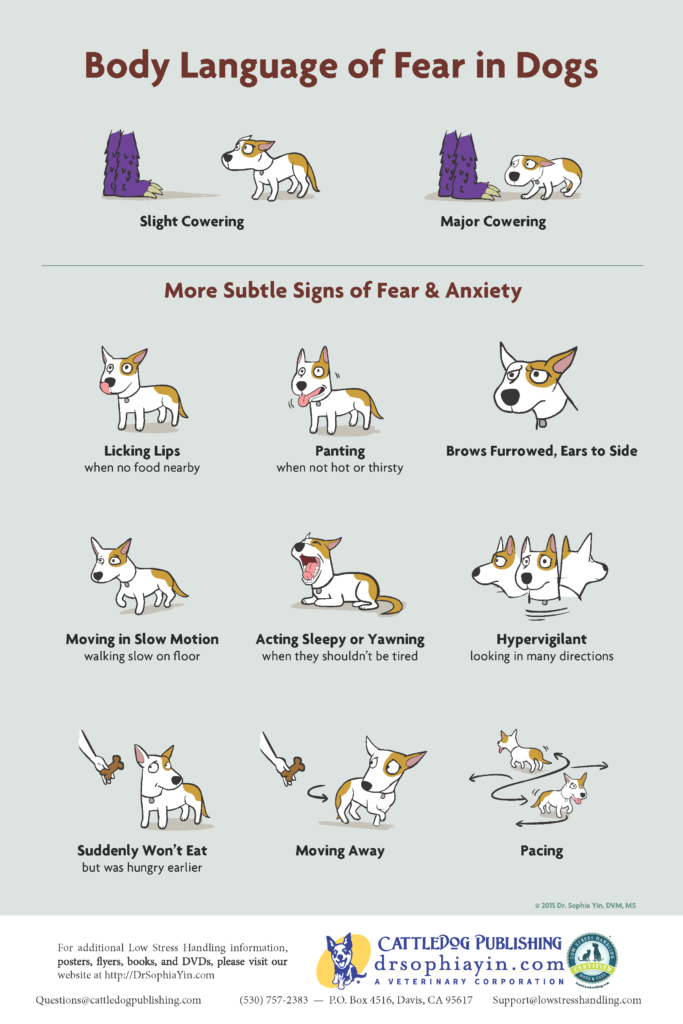
Signs Of Stress And Anxiety
Dogs show stress in many ways. Panting, yawning, and licking lips can mean nervousness. Pacing or hiding shows discomfort. A tucked tail signals fear or submission. Excessive barking or chewing may show anxiety. Some dogs shake or tremble when stressed. Recognizing these signs helps keep dogs calm and safe. It also guides owners to provide comfort and care.
Credit: www.wihumane.org
Causes Of Problem Behaviors
Problem behaviors in dogs can cause stress for both pets and owners. Understanding the causes helps manage and reduce these issues. Many factors contribute to unwanted actions. Identifying the root cause is the first step to improving your dog’s behavior.
Boredom And Lack Of Exercise
Dogs need daily physical activity and mental stimulation. Without these, they become bored and restless. Boredom often leads to destructive behaviors like chewing or digging. Regular exercise helps release energy and keeps dogs calm. Mental challenges like puzzles also reduce problem behaviors.
Fear And Trauma
Fear is a common cause of aggression or avoidance. Traumatic events can create lasting anxiety in dogs. Loud noises, rough handling, or past abuse may trigger fear responses. Dogs may bark, growl, or hide to protect themselves. Patience and gentle care can help fearful dogs feel safe.
Lack Of Training And Socialization
Training teaches dogs how to behave properly. Without it, dogs may not understand rules or boundaries. Socialization helps dogs interact well with people and other animals. Lack of socialization can lead to fear or aggression. Early and consistent training builds confidence and good manners.
Medical Issues Affecting Behavior
Health problems can change a dog’s behavior suddenly. Pain, illness, or hormonal imbalances may cause aggression or withdrawal. Some medical conditions affect the brain or nerves. Regular vet check-ups help detect these issues early. Treating medical problems often improves behavior quickly.
Training Techniques To Improve Behavior
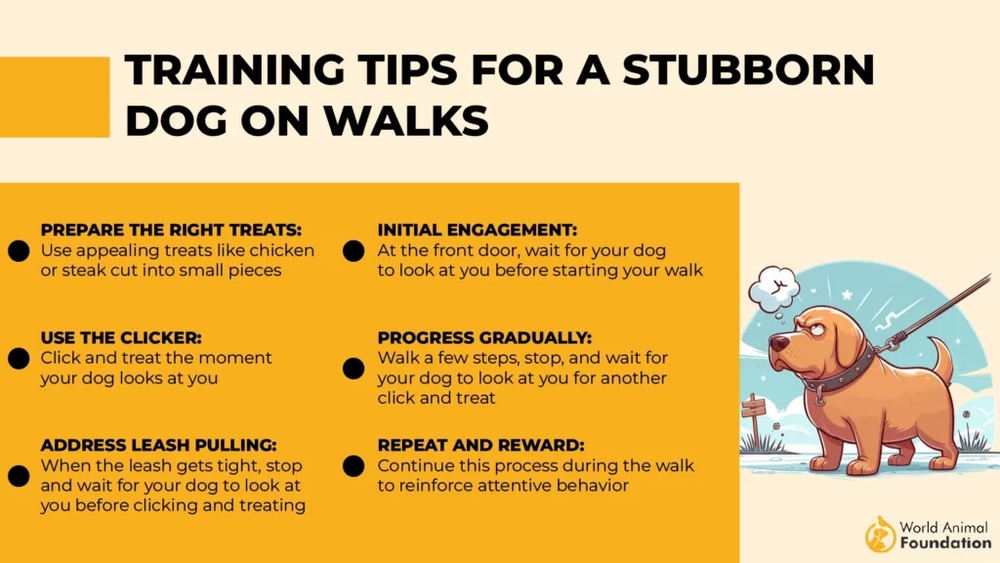
Training your dog improves behavior and builds a strong bond. It helps your dog understand what is expected. Simple training techniques make learning easy and fun. Patience and clear methods lead to better results. The right approach shapes good habits and reduces problems.
Positive Reinforcement Strategies
Reward good behavior with treats or praise. This encourages your dog to repeat actions. Use small, tasty treats to keep attention. Praise with a happy voice for motivation. Avoid punishment; it can cause fear or confusion.
Consistency And Routine
Keep rules the same every day. Dogs learn faster with steady routines. Train at the same time and place. Use the same words for commands. Consistency helps your dog feel secure and understand expectations.
Using Commands Effectively
Speak clearly and use simple words. Start with basic commands like “sit” or “stay.” Give one command at a time. Wait for your dog to respond before praising. Practice often in short sessions to hold focus.
Addressing Aggression And Fear
Stay calm and do not shout. Identify what triggers aggressive or fearful behavior. Use gentle exposure to reduce fear slowly. Reward calm actions and avoid forcing your dog. Seek help from a professional if needed.
Creating A Stimulating Environment
Dogs need a stimulating environment to stay happy and healthy. A rich environment helps prevent boredom and bad behavior. It supports their mental and physical health. Creating this kind of space takes some effort but is very rewarding.
Interactive Toys And Games
Interactive toys keep dogs busy and challenged. Toys that hide treats make dogs think and work to get rewards. Puzzle toys improve problem-solving skills. Playing games like fetch also encourages movement and focus. These activities reduce stress and destructive habits.
Regular Exercise Plans
Exercise helps dogs burn energy and stay fit. A daily walk or run is essential. Exercise routines prevent restlessness and anxiety. Tailor the plan to your dog’s age and breed. Consistent exercise supports good behavior and a calm mind.
Social Opportunities With Other Dogs
Dogs are social animals and enjoy company. Meeting other dogs builds confidence and social skills. Dog parks or playdates offer safe places to interact. Social time helps reduce fear and aggression. It also makes dogs happier and more balanced.
Mental Enrichment Activities
Mental enrichment stimulates your dog’s brain. Training sessions teach new commands and tricks. Hide-and-seek games improve focus and recall. Using scent work taps into natural instincts. These activities boost mental sharpness and reduce boredom.
When To Seek Professional Help
Knowing when to seek professional help for your dog’s behavior is important. Some issues may seem small but can grow into bigger problems. Early action can improve your dog’s quality of life and your peace of mind.
Experts can offer guidance, training, or medical advice. They help address behavior that affects safety, health, or daily life. Understanding the signs that need professional care helps you act quickly and wisely.
Recognizing Serious Behavioral Issues
Serious behavior includes aggression, biting, or constant fear. Repeated destructive chewing or house soiling may also signal problems. Sudden changes in behavior or mood deserve attention. These issues need more than basic training. Ignoring them can lead to harm or stress.
Choosing A Qualified Trainer Or Behaviorist
Select a trainer with proper credentials and experience. Look for certifications from recognized organizations. A skilled behaviorist understands dog psychology and body language. Avoid trainers who use harsh methods or punishment. A good professional uses positive, science-based techniques.
Working With Veterinarians
Some behaviors result from medical problems. Pain, illness, or brain issues affect how dogs act. Veterinarians can diagnose and treat these conditions. They may also recommend behavior specialists. Regular health checks support overall behavior and well-being.
Therapies And Interventions
Therapies include behavior modification and desensitization. Some dogs benefit from medication prescribed by vets. Training programs focus on building good habits. Consistency and patience are key to success. Combining approaches often brings the best results.
Credit: www.rd.com
Frequently Asked Questions
What Causes Common Dog Behavior Problems?
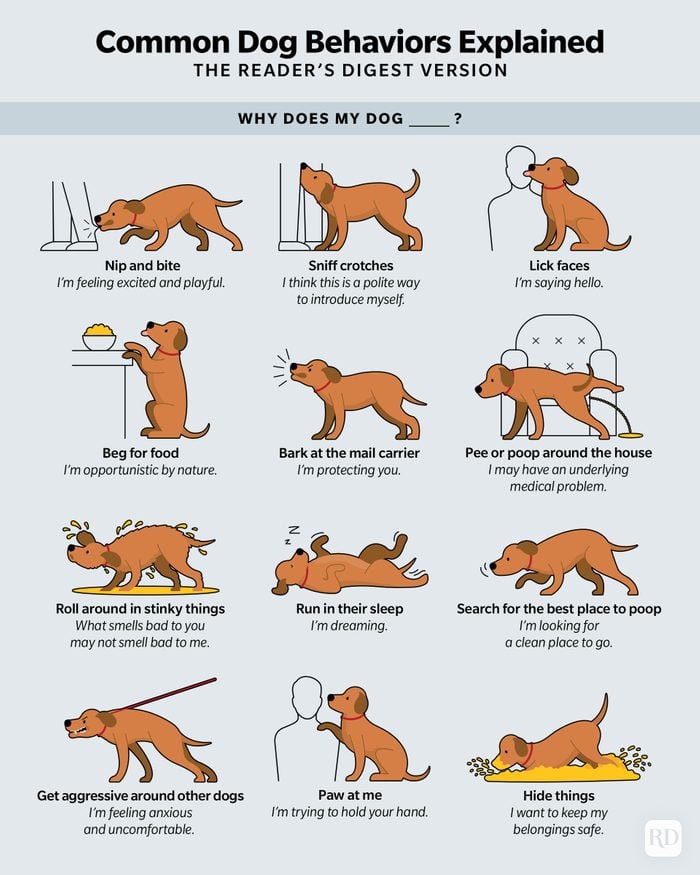
Common dog behavior problems often stem from lack of training, socialization, or boredom. Stress, fear, and health issues also affect behavior. Understanding your dog’s needs and providing consistent training helps prevent these problems effectively.
How Can I Improve My Dog’s Social Behavior?
Socializing your dog early with other dogs and people is key. Gradual exposure to new environments and positive reinforcement builds confidence. Consistency and patience during socialization reduce fear and aggression in dogs.
Why Does My Dog Bark Excessively?
Excessive barking usually signals boredom, anxiety, or a response to stimuli. Dogs bark to communicate needs or alert owners. Identifying triggers and providing mental stimulation and exercise can reduce unnecessary barking.
How Do Dogs Communicate Their Feelings?
Dogs use body language, vocalizations, and facial expressions to communicate feelings. Tail wagging, ear position, and posture reveal emotions like happiness or stress. Understanding these signals strengthens the bond between you and your dog.
Conclusion
Understanding dog behavior helps build a stronger bond with your pet. Dogs communicate through actions, sounds, and body language. Paying attention to these signs improves training and care. Every dog is unique, so patience is key. Trust grows when you respond kindly and clearly.
Learning about your dog’s needs leads to a happier life together. Keep observing and adapting to your dog’s signals daily. Enjoy the journey of sharing love and friendship with your dog.