

Training your dog to stay is one of the most important skills you can teach. Imagine having the power to keep your dog calm and safe, no matter the situation.
Whether you want to prevent them from rushing out the door or simply need a moment of peace, mastering the “stay” command makes a huge difference. You’ll discover simple, effective steps that anyone can follow to train their dog to stay reliably.
Ready to transform your dog’s behavior and build stronger trust? Let’s dive in and make staying put second nature for your furry friend.
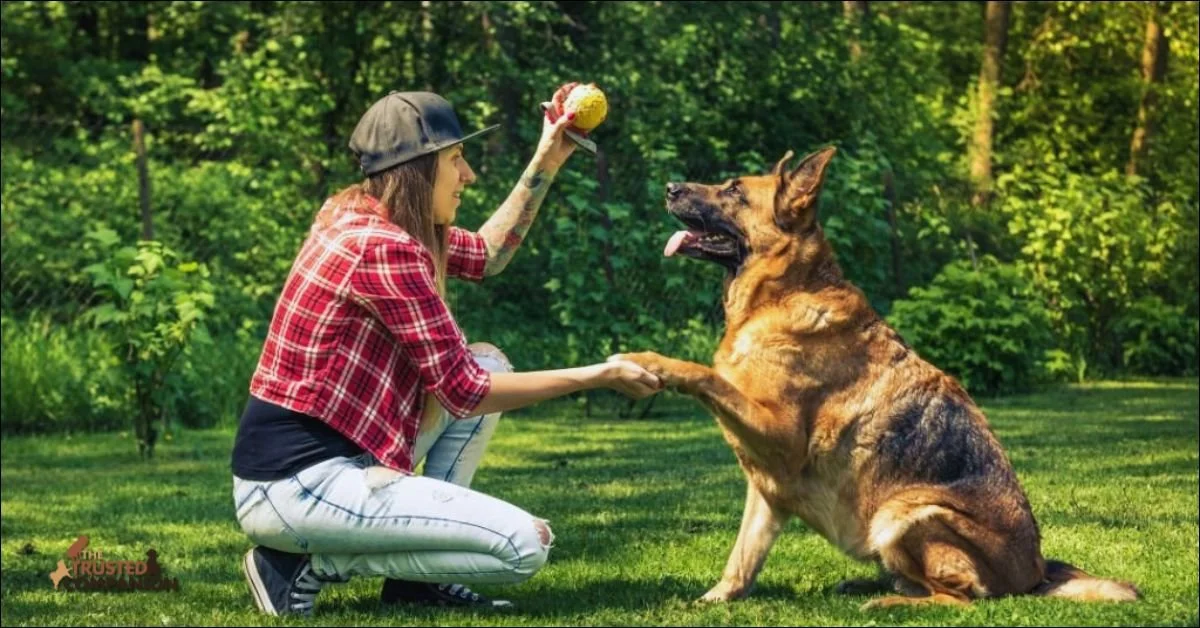
Credit: www.thetrustedcompanion.com
Choosing The Right Environment
Choosing the right environment is key to teaching your dog the “stay” command. A good place helps your dog focus and learn faster. The right setting makes training less stressful for both of you.
Minimize Distractions
Pick a quiet spot for training. No loud noises or many people around. This helps your dog pay attention only to you.
Turn off the TV and keep other pets away. Avoid busy parks or streets. Less distraction means better learning.
Select A Familiar Space
Use a place your dog knows well. A familiar area feels safe and comfortable. This helps your dog stay calm and listen.
Try training in your living room or backyard. These spots are easy for your dog to recognize. Familiar spaces improve focus and success.
Starting With Basic Commands
Starting with basic commands is key to training your dog to stay. Dogs learn best with simple, clear instructions. Begin with easy steps before moving to more complex tasks. This builds your dog’s confidence and understanding.
Training should be short and consistent. Practice a little every day. Positive reinforcement helps your dog enjoy learning and repeat good behavior.
Introduce The Stay Command
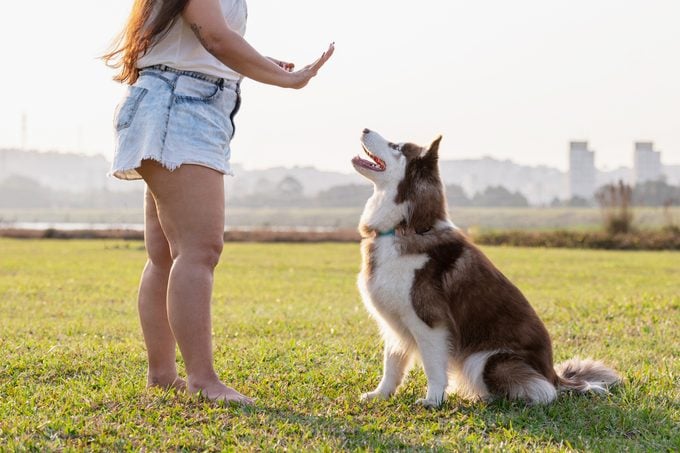
Start by asking your dog to sit. Use a calm voice to say “stay.” Show your palm facing the dog as a visual signal. Wait a few seconds before giving a reward. Praise your dog for staying still.
Gradually increase the time your dog stays in place. Keep sessions brief to avoid frustration. Repeat often to build the habit.
Use Clear Verbal Cues
Always use the same word for the stay command. Keep your tone firm but gentle. Avoid mixing commands during training. Clear signals help your dog understand what you want.
Pair verbal cues with hand gestures. Dogs respond well to visual signals. Consistency in commands makes learning easier and faster.
Using Positive Reinforcement
Using positive reinforcement is a gentle and effective way to teach your dog to stay. It helps your dog understand what behavior you want by rewarding good actions. This method builds trust and makes training enjoyable for your dog. It encourages your dog to repeat the behavior because it feels good.
Reward Desired Behavior
Start by asking your dog to stay. When your dog stays, give a reward quickly. Rewards tell your dog that staying is right. Praise your dog with a happy voice. This shows your dog you are pleased. Repeat this step many times to make the habit strong. Consistency helps your dog learn faster. Avoid punishment to keep training positive.
Incorporate Treats And Praise
Treats are powerful tools for training. Use small, tasty treats your dog loves. Give a treat right after your dog stays. This connects the treat with the good behavior. Pair treats with verbal praise like “Good stay!” Your dog will enjoy the words and food. Over time, praise alone can keep your dog staying. Treats help start the habit, praise keeps it going.

Credit: www.gentledogtraining.com
Building Duration And Distance
Building duration and distance is key to training your dog to stay. It helps your dog learn patience and control over longer periods. Training this skill takes time and steady steps. Start small. Then, slowly make the stay longer and the distance greater.
Gradually Increase Stay Time
Begin by asking your dog to stay for a few seconds. Use a calm voice and clear hand signals. Reward your dog with treats and praise. Once your dog holds the stay, add more time. Increase seconds little by little. Stop if your dog gets restless. Repeat this daily for steady progress.
Practice Moving Away
After your dog can stay for a good time, try stepping back. Move slowly, just a step or two at first. Return quickly and reward your dog. Increase the steps you take away over time. This teaches your dog to stay even without you nearby. Be patient and consistent to help your dog succeed.
Handling Common Challenges
Training a dog to stay can be tough. Some problems often come up. Handling these common challenges helps your dog learn better. Patience and clear steps make a big difference. Focus on small wins and keep training sessions short. This approach builds trust and good habits.
Dealing With Distractions
Distractions can make your dog lose focus fast. Loud noises, other animals, or people can pull their attention away. Start training in a quiet place. Slowly add distractions as your dog improves. Use treats or praise to keep their attention. Stay calm and don’t get upset if your dog breaks stay. Try again, more gently.
Managing Impatience
Dogs sense your feelings. If you get impatient, your dog may too. Keep calm and speak softly. Take breaks if your dog seems stressed. Short and fun sessions work best. Reward your dog often to keep motivation high. Remember, learning takes time for both of you.
Incorporating Stay Into Daily Routines
Incorporating the “stay” command into daily routines helps your dog learn faster. It builds good habits and makes training part of everyday life. Practice in real-life situations to make the command strong and reliable.
Short and frequent practice sessions work best. Use moments that naturally fit the training. This way, your dog learns without feeling pressured or bored.
Practice During Walks
Walks offer many chances to practice “stay.” Stop at a corner or by a tree. Ask your dog to stay while you wait a few seconds. Gradually increase the wait time as your dog improves.
This teaches patience and control in a distracting environment. It also makes walks safer and more enjoyable for both of you.
Use Stay Before Mealtime
Before feeding, ask your dog to stay. This helps your dog learn self-control around food. Stand by the bowl and wait until your dog holds the stay command. Release your dog to eat only after you say so.
Practicing “stay” during mealtime creates calm and order. It also prevents rushing or jumping around the food bowl.
Troubleshooting And Adjusting Techniques
Training a dog to stay can sometimes be tricky. Dogs may not always understand what you want. Troubleshooting and adjusting your techniques helps make training smoother. It allows you to see what works and what does not. This section explains how to spot problems and change your approach.
Recognize Signs Of Confusion
Watch your dog closely during training. Look for signs of confusion like hesitation or looking away. Your dog may sit but not hold the position. They might move before you give the release command. These behaviors show your dog is unsure. Clear signals help your dog learn better.
Pay attention to body language. Drooping ears or a tucked tail can mean stress. Stress stops learning and causes mistakes. Pause training if your dog seems overwhelmed. Give praise and try again later with calm energy.
Modify Training Methods
Change your training style if your dog struggles. Use shorter sessions to keep focus. Break the stay command into smaller steps. Reward each small success with treats or praise. This builds confidence and understanding.
Try different rewards to find what motivates your dog most. Some dogs like toys more than treats. Adjust your tone to be clear and positive. Avoid harsh words or frustration. Patience and kindness make learning easier for your dog.
Maintaining Long-term Obedience
Maintaining long-term obedience is key to a well-trained dog. It helps your dog stay calm and listen even after months. Training does not stop after the first success. It needs ongoing effort and care. This keeps your dog focused and responsive over time.
Regular Practice Sessions
Practice makes your dog remember the “stay” command. Short, daily sessions work best. These keep the training fresh in your dog’s mind. Try practicing in different places. This helps your dog obey no matter where you are. Regular practice builds strong habits.
Consistent Commands And Rewards
Use the same words for commands each time. This avoids confusing your dog. Clear and simple commands work well. Reward your dog immediately after good behavior. Rewards can be treats, praise, or petting. Consistency in commands and rewards strengthens learning. It motivates your dog to obey again.
Credit: www.rd.com
Frequently Asked Questions
How Long Does It Take To Train A Dog To Stay?
Training time varies by dog’s age and temperament. Most dogs learn basic stay commands within two to four weeks with consistent daily practice and positive reinforcement.
What Is The Best Method To Teach A Dog To Stay?
Use positive reinforcement by rewarding your dog with treats and praise. Start with short stays, gradually increasing duration and distance to build reliability.
How Can I Prevent My Dog From Breaking The Stay Command?
Increase distractions gradually during training. Use a firm, calm voice and reward your dog immediately for staying. Consistency and patience are key for success.
At What Age Should I Start Stay Training For My Dog?
Begin stay training as early as 8 weeks old. Early training establishes good habits and strengthens communication between you and your puppy.
Conclusion
Training a dog to stay takes time and patience. Start small, use clear commands, and reward good behavior. Practice often in quiet places, then add distractions. Keep sessions short to hold your dog’s focus. Remember, every dog learns at its own pace.
Stay calm and consistent to build trust. Soon, your dog will understand and obey the stay command. This skill helps keep your dog safe and well-behaved. Enjoy the process and celebrate each success together. Training strengthens your bond and makes life easier.
Keep practicing, and you will see great results.


