

Thinking about training your dog but worried about the cost? You’re not alone.
Knowing how much training a dog costs can help you plan better and avoid surprises. Whether you want basic obedience or advanced skills, understanding the expenses involved is key. You’ll discover the real price of dog training, what factors affect the cost, and how to get the best value for your money.
Keep reading to find out how you can give your dog the training they need without breaking the bank.
Factors Influencing Training Costs
Training a dog involves several cost factors. These factors affect the total price you pay. Understanding them helps plan your budget better. Each dog and situation is unique. Costs can vary widely depending on many details.
Type Of Training
Basic obedience training usually costs less. Specialized training, like agility or service dog skills, is more expensive. Group classes are cheaper than private lessons. The type of training affects how much you pay.
Trainer’s Experience
Experienced trainers often charge higher fees. They bring valuable knowledge and better results. New trainers may offer lower prices to build reputation. Choosing a trainer depends on your budget and goals.
Location And Facility
Training costs vary by location. Urban areas tend to have higher prices. Facilities with more amenities can charge more. Some trainers come to your home, which may add to the cost.
Training Duration And Frequency
Longer training sessions cost more. Frequent lessons increase the total expense. Some trainers offer package deals for multiple sessions. The time your dog needs affects how much you pay.
Dog’s Age And Behavior
Puppies may need shorter, simpler training sessions. Older dogs with bad habits might require more time. Aggressive or anxious dogs need special attention. Behavior challenges often increase the cost of training.
Common Training Options
Training a dog needs time and effort. Choosing the right training option depends on your dog’s needs and your budget. Many common training options exist. Each has its own benefits and price range.
Group Classes
Group classes are popular and affordable. They usually happen in a small group with other dogs. Trainers teach basic commands like sit, stay, and come. These classes help dogs learn social skills. They cost less because the trainer’s time is shared.
Private Sessions
Private sessions offer one-on-one training. The trainer focuses only on your dog’s problems. Sessions can be customized to your dog’s specific needs. These sessions cost more than group classes. They work well for dogs with behavior issues.
Board And Train Programs
Board and train means your dog stays with the trainer. The trainer works with your dog every day. This option is intensive and fast. It costs more due to full-time care and training. It suits busy owners or difficult dogs.
Online Training Courses
Online courses give you training lessons via video or apps. You learn how to train your dog at home. These courses are usually the cheapest option. They require your time and patience. Good for owners who want flexible learning.
Typical Price Ranges
Training a dog can vary widely in cost. Many factors affect the price. The type of training and the trainer’s experience play big roles. Understanding typical price ranges helps plan your budget.
Different training methods come with different price tags. Some options are more affordable than others. Here are common costs you may face.
Group Classes Costs
Group classes usually cost less than private sessions. Prices range from $30 to $80 per class. Classes often last 45 to 60 minutes. Group settings help dogs learn social skills. Many trainers offer packages for multiple sessions. This option is good for basic obedience training.
Private Training Fees
Private training is more expensive but offers personalized attention. Sessions cost between $50 and $120 per hour. Trainers tailor lessons to your dog’s needs. This method is ideal for behavior problems or advanced skills. Some trainers may offer discounts for multiple sessions booked upfront.
Board And Train Expenses
Board and train programs are intensive and costly. Prices range from $1,000 to $3,000 for 2 to 4 weeks. Your dog stays with the trainer during this time. This method suits busy owners or dogs needing major behavior changes. It provides fast and consistent training results.
Online Course Pricing
Online dog training courses are often the most budget-friendly. Costs vary from $20 to $200 for full courses. These programs let you train at your own pace. Video lessons and guides cover many training topics. Online training works well for basic obedience and tricks.

Credit: prestigek9.com
Additional Expenses To Consider
Training a dog involves more than just paying for classes. Several additional costs can affect your budget. Knowing these expenses helps you plan better. It also ensures your dog gets the best care and training.
Training Supplies And Equipment
Basic supplies often include leashes, collars, and clickers. Training treats motivate dogs and reward good behavior. You might also need toys and mats for exercises. Quality equipment lasts longer and supports training goals.
Behavioral Consultations
Some dogs need extra help with behavior problems. Experts offer consultations to address issues like anxiety or aggression. These sessions cost extra but improve training results. Early consultation can prevent bigger problems later.
Follow-up Sessions
Training is not a one-time event. Follow-up sessions keep skills sharp and consistent. These meetings may cost less than initial classes. Regular check-ins help fix new or ongoing issues.
Travel And Transportation
Travel costs depend on the trainer’s location. You might spend on gas, parking, or public transport. Mobile trainers who visit your home could charge travel fees. Plan travel expenses to avoid surprises during training.
Cost-saving Tips
Training a dog can be expensive, but there are ways to save money. Smart choices help you get good results without spending too much. Use these tips to reduce costs and still train your dog well.
Choosing The Right Training Method
Pick a training method that fits your budget and your dog’s needs. Some methods need expensive equipment or trainers. Others use simple tools and techniques. Find a method that works for you and your dog. This keeps costs low and training effective.
Using Online Resources
Online videos and articles offer many free training ideas. They teach basic commands and behavior tricks. Many websites have step-by-step guides. This saves money on classes and private trainers. Take time to explore these resources for useful tips.
Group Training Benefits
Joining group classes costs less than private sessions. You learn with other dog owners in a shared space. Group training also helps socialize your dog. The group setting encourages good behavior at lower prices.
Diy Training Techniques
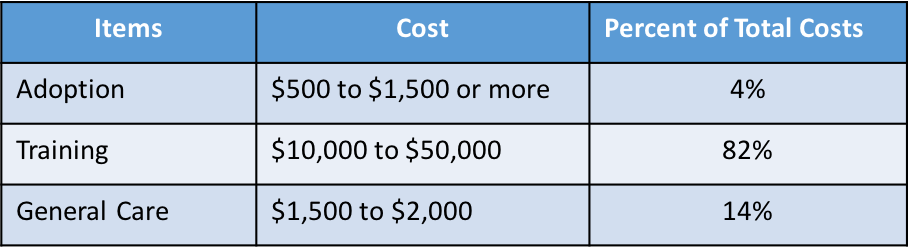
Training your dog yourself saves a lot of money. Use treats, toys, and patience to teach commands. Consistency and short sessions work best. DIY training builds a strong bond with your dog. It also lets you control the pace and style of training.
Credit: www.servicedogtrainingschool.org
Evaluating Training Value
Evaluating the value of dog training helps you spend wisely. Training costs vary, but quality matters most. You want results that last and improve your dog’s behavior. Good training saves money by preventing future problems. It also builds a strong bond with your pet. Consider more than just price when choosing training.
Long-term Benefits
Training brings rewards beyond the first lessons. A well-trained dog listens and stays safe. It reduces stress for both you and your pet. Good habits last for years and help in daily life. Training can prevent costly behavior issues later. This saves money and keeps your dog happy.
Training Quality Indicators
Check the trainer’s experience and credentials first. Positive reviews and referrals mean trustworthy service. Look for trainers who use kind, reward-based methods. Avoid harsh or scary techniques that harm your dog. Classes should be small for better attention. Clear goals and progress checks show good training.
Avoiding Low-cost Pitfalls
Cheap training might mean poor results or no results. Trainers who rush or ignore your dog’s needs waste your time. Low cost can lead to bad habits that cost more to fix. Beware of trainers without proper skills or licenses. Investing a bit more can bring better success and peace.
Credit: www.servicedogcertifications.org
Frequently Asked Questions
How Much Does Basic Dog Training Typically Cost?
Basic dog training usually costs between $30 and $100 per session. Prices depend on location, trainer experience, and session length. Group classes are more affordable than private lessons. Packages often reduce overall costs, providing better value for consistent training.
What Factors Influence The Cost Of Dog Training?
Training cost depends on trainer expertise, training type, session duration, and location. Specialized training, like behavior modification, costs more. Group classes are cheaper than private ones. Additional services or certifications can also raise the price.
Are Online Dog Training Courses A Cost-effective Option?
Yes, online courses range from $20 to $200. They offer flexibility and convenience. However, they lack personalized feedback, which some dogs need. For budget-conscious owners, they provide a good starting point.
How Long Does Dog Training Usually Take?
Training duration varies by dog age, breed, and behavior. Basic obedience can take 4 to 8 weeks. Consistent practice at home speeds progress. Advanced training or behavior correction takes longer.
Conclusion
Training a dog costs vary based on many factors. Classes, private lessons, and tools all add up. Choose what fits your budget and your dog’s needs. Consistency and patience bring the best results. Remember, good training helps your dog live happily.
Investing in training saves time and trouble later. Start small, build skills step by step. Enjoy the process of learning together. Your dog will thank you with good behavior and love.


