

Potty training your dog can be one of the most challenging parts of welcoming a new pet into your home. You might be wondering, “When should my dog be fully potty trained?” Knowing the right time can save you from frustration and help you enjoy a cleaner, happier space.
You’ll discover clear signs that show your dog is ready, practical tips to speed up the process, and how to handle setbacks without stress. Keep reading to find out exactly when your dog should be fully potty trained—and how to get there smoothly.
Signs Of Potty Training Readiness
Knowing when a dog is ready for potty training saves time and frustration. Dogs show clear signs they can start learning. Watching these signs helps you start at the right moment. This section covers key signals your dog is ready to learn.
Age Milestones
Puppies usually start potty training between 12 and 16 weeks old. At this age, their bladder control improves. They can hold urine for longer periods. Very young puppies lack full control. Waiting until they reach this age makes training easier.
Behavioral Indicators
Your dog may sniff or circle before needing to go. They may pause play and seem restless. Some dogs go to the door or a specific spot. These behaviors show they understand their need to go out. Recognizing these signs helps you respond quickly.
Physical Development
A dog’s body must be ready to hold urine. Strong bladder muscles and nerve control are key. Puppies gain this control as they grow. Without physical readiness, accidents are common. Wait until your dog shows better control for smoother training.
Typical Timeline For Potty Training
Potty training a dog takes time and patience. Each dog learns at its own speed. Knowing the usual timeline helps set clear expectations. It also guides training efforts for better results. Below are key factors that affect how quickly a dog becomes fully potty trained.
Puppy Stages
Puppies start potty training around 8 weeks old. At this stage, their bladder is small. They need frequent bathroom breaks every hour or two. Between 4 to 6 months, puppies gain more bladder control. Most can hold it for 4 to 6 hours by then. By 6 months, many puppies are mostly potty trained. Some may still have accidents. Training continues until they reach full control around 9 to 12 months.
Breed Differences
Breed size affects potty training speed. Small breeds often take longer to train. They have smaller bladders and weaker control. Large breeds tend to learn faster. They can hold their bladder for longer periods. Energy levels also play a role. Active breeds may get distracted and need more training time. Understanding breed traits helps adjust training plans.
Impact Of Environment
Environment influences potty training progress. A calm, consistent setting helps dogs learn faster. Frequent changes or distractions can cause setbacks. Living in an apartment may require more scheduled potty breaks. A house with a yard makes outdoor training easier. Consistent routines and positive reinforcement improve success. Patience and persistence work best in any environment.
Common Potty Training Challenges
Potty training a dog can be tough. Many dog owners face common challenges during this process. Understanding these challenges helps keep training on track. It also helps prevent frustration for both owner and dog.
Accidents And Setbacks
Accidents happen often in potty training. Dogs may not always hold their bladder. Sometimes, they forget where to go. Setbacks can occur after progress is made. Patience is key during these moments. Punishing a dog for accidents can cause fear. Rewarding good behavior encourages learning.
Distractions And Interruptions
Dogs get easily distracted during training. Noises, other pets, or people can interrupt. Distractions make it hard for dogs to focus. Training in a quiet, calm area works best. Short, frequent training sessions help maintain attention. Consistency helps dogs learn faster despite distractions.
Health Issues Affecting Training
Health problems can affect potty training. Urinary tract infections or stomach issues cause accidents. Older dogs may have weaker bladder control. Always check with a vet if accidents increase. Treating health issues supports successful potty training. Healthy dogs learn rules more quickly.
Credit: caninelearningacademy.com
Tips To Speed Up Potty Training
Speeding up potty training helps your dog learn faster and reduces accidents. Simple steps make the process clear and easy for your pet. Focus on routine, rewards, and safe spaces to guide your dog well.
These tips help you keep training steady and effective. Patience and consistency are key.
Consistent Routine
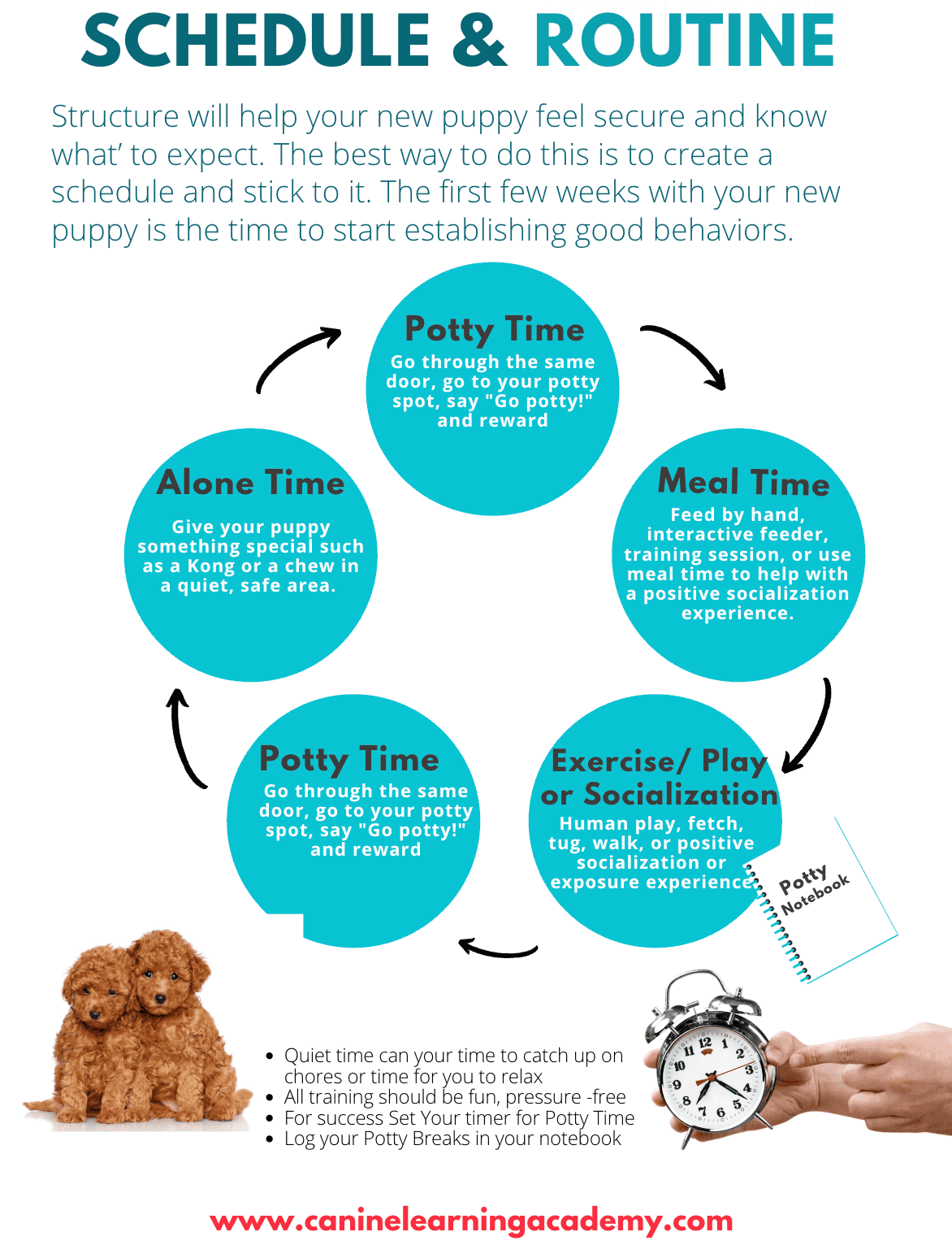
Set a regular schedule for bathroom breaks. Take your dog outside at the same times daily. This predictability helps your dog understand when to go. Watch for signs like sniffing or circling. Promptly take your dog out to prevent accidents. Consistency builds good habits quickly.
Positive Reinforcement
Praise your dog immediately after they go outside. Use treats or kind words to reward good behavior. This makes your dog want to repeat the action. Avoid punishment for accidents to keep trust. Positive rewards create a happy learning experience. Your dog learns faster when training is fun.
Effective Crate Use
Use a crate that fits your dog comfortably. Dogs avoid soiling their sleeping area. Keep your dog in the crate when unsupervised. Take them out often to relieve themselves. Crate training supports bladder control and patience. It teaches your dog to hold it until outside.
When To Seek Professional Help
Potty training a dog can be straightforward for some owners. Others may face challenges that slow progress. Knowing when to seek professional help saves time and stress. It ensures your dog learns good habits without frustration.
Signs Training Isn’t Progressing
Your dog still has accidents inside after weeks of training. They don’t seem to understand basic commands about going outside. You notice anxiety or fear around potty times. Training routines feel like they have no effect. These signs show it may be time for expert help.
Choosing A Trainer
Pick a trainer with good reviews and experience. Look for someone who uses positive reinforcement methods. Avoid trainers who rely on punishment or harsh corrections. A good trainer explains steps clearly and works with your dog’s needs. Trust and comfort between trainer, owner, and dog matter most.
Alternative Training Methods
Some dogs respond better to different techniques. Try crate training for structure and safety. Use belly bands or indoor potty pads as temporary aids. Consider behavior therapy for anxiety-related accidents. A professional can suggest the best method for your dog’s unique case.

Credit: www.reddit.com

Credit: www.reddit.com
Frequently Asked Questions
When Can A Dog Be Fully Potty Trained?
Most dogs can be fully potty trained between 4 to 6 months old. Consistency and patience are key during this period. Some breeds may take longer, but regular routines help speed up training.
How Long Does Potty Training Usually Take?
Potty training typically takes 4 to 6 months with consistent effort. Puppies learn faster with positive reinforcement and regular bathroom breaks. Individual progress varies depending on the dog’s age and breed.
What Are Signs A Dog Is Fully Potty Trained?
A fully potty trained dog waits to go outside, signals needs, and has minimal accidents. They understand routines and reliably relieve themselves in designated areas. Consistent behavior over weeks shows successful training.
Can Adult Dogs Be Potty Trained Effectively?
Yes, adult dogs can be potty trained effectively with patience and consistency. Training methods are similar to puppies but may take longer. Positive reinforcement and routine bathroom breaks remain important.
Conclusion
Potty training takes time and patience. Most dogs learn by six months old. Each dog is different. Some need more practice than others. Stay consistent with training every day. Praise your dog for good behavior. Watch for signs your dog needs to go.
Be patient and calm during accidents. With care, your dog will learn soon. This helps keep your home clean and happy. Keep training simple and steady. Your dog will thank you in the end.

