Are you worried about your dog accidentally having puppies? Stopping your dog from breeding is important for their health and for controlling the pet population.
But it’s not always clear what steps you should take or how to do it safely. You’ll discover simple and effective ways to prevent your dog from breeding. By the end, you’ll feel confident in protecting your furry friend and making the best choice for your home.
Keep reading to learn exactly what you need to do.
Reasons To Prevent Dog Breeding
Stopping dogs from breeding is important for many reasons. It helps protect dogs’ health and well-being. It also reduces the number of homeless dogs. Controlling breeding helps keep dog behavior more manageable.
Health Risks For Dogs
Breeding can cause serious health problems for dogs. Female dogs may face complications during pregnancy or birth. Breeding too often can weaken a dog’s body. Some puppies inherit genetic diseases from their parents. Preventing breeding helps dogs live healthier lives.
Overpopulation Issues
Too many dogs without homes is a big problem. Shelters become crowded with unwanted puppies and dogs. Many dogs end up homeless or abandoned. Overpopulation makes it hard to provide care for all dogs. Controlling breeding helps reduce this problem.
Behavioral Concerns
Breeding can increase unwanted behaviors in dogs. Some dogs become more aggressive or anxious. Unplanned puppies may grow up without proper training. This can lead to behavior problems later. Preventing breeding supports better dog behavior and safety.

Credit: www.amazon.co.uk
Spaying And Neutering Options
Spaying and neutering are key methods to stop dogs from breeding. These surgical procedures help control the dog population and improve pet health. Understanding the benefits and timing can guide pet owners to make the best choice for their dogs.
Benefits Of Spaying
Spaying removes a female dog’s ovaries and uterus. This prevents unwanted litters. It also lowers the risk of breast cancer and infections. Female dogs do not go into heat after spaying. This means no more bleeding or attracting male dogs. Spaying helps dogs live longer, healthier lives.
Benefits Of Neutering
Neutering removes a male dog’s testicles. It stops them from fathering puppies. Neutered males show less aggression and marking behavior. They are less likely to roam away from home. Neutering also reduces the risk of prostate disease and some cancers. It supports calm and well-behaved dogs.
Timing For Surgery
Most vets recommend spaying or neutering at six months old. Some dogs can have surgery earlier or later. The right time depends on breed, size, and health. Early surgery can prevent unwanted pregnancies. Talk to a vet to find the best timing for your dog.
Behavioral Training Techniques
Behavioral training techniques help control dogs’ natural mating urges. Training can reduce unwanted breeding by changing how dogs act around each other. These methods focus on clear communication and consistent rules. Dogs learn to follow commands and avoid risky situations.
Managing Mating Behaviors
Recognize signs of mating behavior early. Restlessness, mounting, and marking show interest in breeding. Redirect your dog’s attention with toys or commands. Use positive reinforcement when your dog stops mating actions. Consistent training helps lower the chances of breeding.
Using Commands To Control
Teach basic commands like “sit,” “stay,” and “leave it.” These commands control your dog’s movements around others. Practice commands daily in different environments. Reward your dog with treats or praise for obeying. Strong command skills prevent unwanted mating behavior.
Avoiding Unwanted Encounters
Keep your dog away from intact dogs during heat cycles. Use leashes and secure fences to control interactions. Avoid dog parks or busy areas when a female is in heat. Early planning helps stop accidental breeding. Safe environments reduce stress for your dog and you.

Credit: www.youtube.com
Environmental Controls
Controlling the environment around your dogs helps prevent unwanted breeding. Simple changes can reduce risks and keep your pets safe. Creating boundaries and monitoring their time outside are key steps.
Separating Male And Female Dogs
Keep male and female dogs apart during heat cycles. Separate living areas stop accidental breeding. Use different rooms or crates to maintain distance. Clear separation lowers the chance of encounters.
Supervised Outdoor Time
Always watch your dogs when outside. Supervision prevents them from roaming freely. Close attention stops quick mating attempts. Stay nearby to intervene if needed. This habit protects both dogs and your peace of mind.
Secure Fencing Solutions
Install strong fences around your yard. Fences block dogs from escaping and meeting mates. Check for gaps or weak spots regularly. A secure fence acts as a physical barrier. It limits contact with other dogs in the neighborhood.
Medical And Hormonal Treatments
Medical and hormonal treatments offer ways to control dog breeding without surgery. These options help manage your dog’s reproductive cycle. They can be useful for owners who want temporary solutions or are not ready for permanent changes.
Such treatments affect hormone levels to prevent pregnancy. They require careful monitoring and professional advice. Understanding the benefits and risks is important before starting any treatment.
Temporary Hormonal Solutions
Temporary hormonal treatments can stop a female dog from going into heat. These include injections or pills that delay ovulation. The effects last for a few weeks or months, depending on the product.
This method helps avoid unwanted litters during specific times. It does not provide a permanent fix. Regular treatment is necessary to keep the dog from breeding.
Consulting A Veterinarian
Always consult a veterinarian before using hormonal treatments. A vet will examine your dog and recommend the best option. They explain how to use the medication safely and correctly.
Professional advice ensures the health and well-being of your pet. Avoid self-medicating your dog, as wrong use may cause harm. Regular check-ups help monitor the dog’s response to treatment.
Risks And Side Effects
Hormonal treatments can cause side effects in some dogs. These may include weight gain, changes in appetite, or mood swings. Some dogs may develop infections or cysts in the reproductive organs.
Long-term use can increase the risk of serious health problems. Always weigh the benefits against possible risks. Watch your dog closely and report any unusual signs to your vet.
Monitoring Heat Cycles
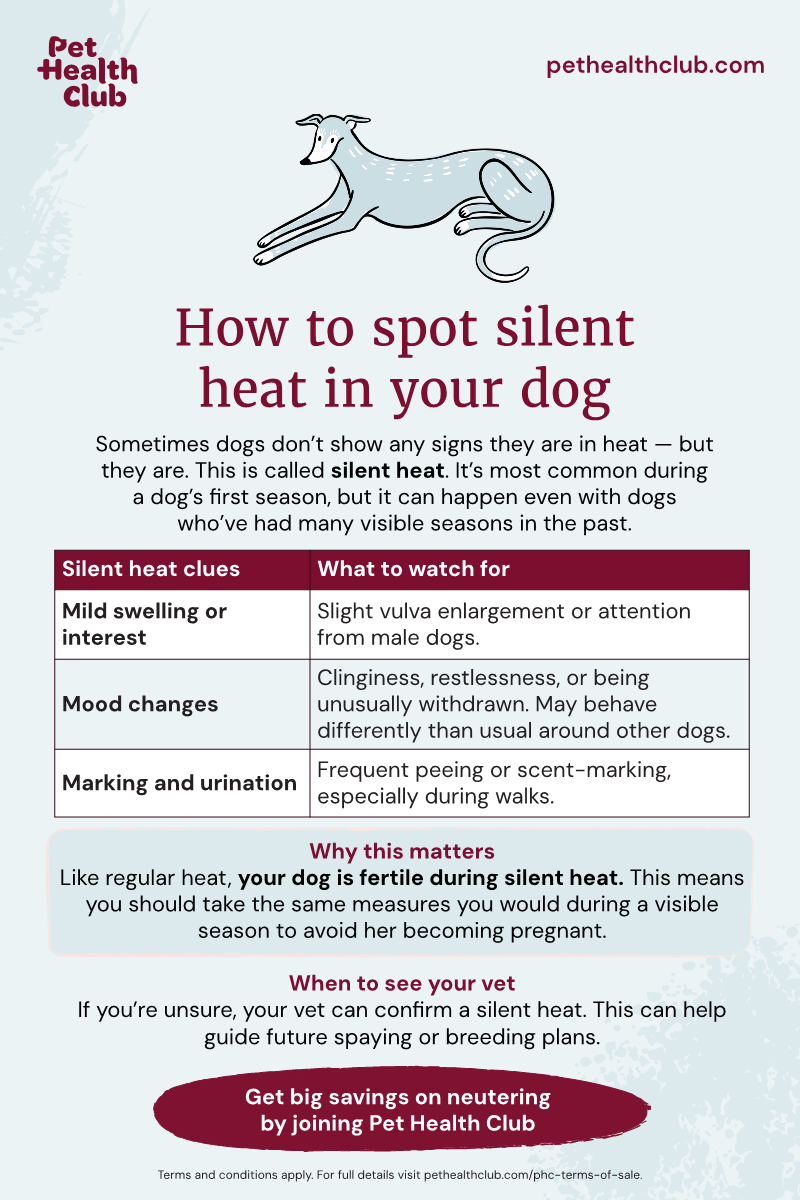
Monitoring your female dog’s heat cycles is key to preventing unwanted breeding. Understanding her cycle helps you act at the right times. It also keeps your dog safe and stress-free. This section explains how to watch for signs of heat and manage her environment carefully.
Signs Of Heat In Female Dogs
Female dogs show clear signs when they enter heat. Swelling of the vulva is a common sign. You may also notice a bloody discharge. She might lick her genital area more often. Behavioral changes like restlessness or increased affection also occur. Knowing these signs helps you prepare and control her surroundings.
Timing Precautions
Heat cycles usually last about three weeks. The most fertile time is between days 10 and 14. Avoid walks in open areas during this period. Keep your dog indoors or in a secure yard. Mark the calendar to track each cycle start. This helps you plan ahead and reduce risks.
Reducing Male Dog Exposure
Keep your female dog away from male dogs during heat. Use a leash on walks and avoid dog parks. Inform neighbors about her heat cycle to prevent accidental meetings. Create a safe space inside the home where she can rest. Reducing contact lowers chances of unplanned breeding.
Community Resources And Support
Stopping dogs from breeding needs support beyond just owners. Communities can help by offering resources and guidance. These resources teach responsible pet care and reduce unwanted litters. Support from local groups makes a big difference in controlling dog populations.
Local Animal Shelters
Animal shelters often provide education on dog breeding. They offer advice on responsible pet ownership. Shelters may also have programs to spay or neuter pets. Visiting a shelter can connect owners with helpful services.
Dog Training Classes
Training classes teach dogs good behavior and obedience. Well-trained dogs are easier to manage and less likely to roam. This lowers the chance of accidental breeding. Classes also help owners learn how to care for their dogs properly.
Spay And Neuter Clinics
Spay and neuter clinics provide affordable surgery for pets. These clinics prevent unwanted pregnancies and reduce stray animals. Many clinics have special rates or community events. Using these clinics is key to stopping dogs from breeding.
Credit: www.pethealthclub.com
Frequently Asked Questions
How Can I Prevent My Dog From Breeding Naturally?
The best way is to spay or neuter your dog. This surgery stops reproduction permanently. It also reduces unwanted behaviors and health risks.
When Is The Best Time To Spay Or Neuter Dogs?
Most vets recommend spaying or neutering dogs between 6 to 9 months old. Early surgery helps avoid unwanted litters and health issues.
What Are Effective Methods To Stop Dogs From Breeding?
Besides spaying or neutering, keep dogs separated during heat cycles. Use barriers and supervision to prevent accidental mating.
Can Behavioral Training Help Stop Dogs From Breeding?
Training alone cannot prevent breeding. It helps manage mating behaviors but doesn’t stop reproduction. Surgical methods are more reliable.
Conclusion
Stopping dogs from breeding helps control pet overpopulation. Spaying or neutering your dog is the safest way. Keep dogs separated during heat cycles to avoid accidental mating. Training and supervision also reduce chances of unwanted puppies. Taking these steps protects your dog’s health and well-being.
You show care by preventing unplanned litters. Every effort counts in keeping dogs safe and happy. Small actions can make a big difference. Choose the best method for your dog’s needs today.