Is your puppy growing fast and starting to look more like an adult dog? You might be wondering if it’s time to switch from puppy food to adult dog food.
At 9 months old, your furry friend is at an important stage of development. Feeding the right food now can affect their health, energy, and happiness for years to come. But can a 9-month-old puppy safely eat adult dog food?
Keep reading to discover the answer and learn how to make the best choice for your loyal companion. Your dog’s well-being depends on it!
Nutritional Needs Of A 9 Month Old Puppy
A 9 month old puppy is growing fast but not fully grown yet. Their body needs the right food to support this growth. Feeding the right nutrients helps build strong bones and muscles. It also helps keep their energy up for play and learning.
Choosing the best food at this stage is very important. The diet should meet the puppy’s changing needs as they move towards adulthood. This ensures they stay healthy and happy.
Growth Stages At Nine Months
At nine months, puppies enter the late growth stage. Most of their rapid growth slows down but some development continues. Their bones harden and muscles strengthen. The puppy may start looking more like an adult dog.
Brain and organ development still happen but at a slower pace. Energy needs might decrease slightly compared to earlier months. This stage requires balanced nutrition to support final growth steps.
Key Nutrients For Puppies
Proteins are essential for muscle building and repair. Puppies need more protein than adult dogs. Calcium and phosphorus support strong bones and teeth. These minerals must be in the right ratio to avoid problems.
Fat provides energy and helps absorb vitamins. Puppies also need vitamins like A, D, and E for overall health. Omega-3 fatty acids help with brain and eye development. Fiber aids digestion and keeps the gut healthy.
Water is crucial for all body functions. Always provide fresh water for your puppy.
Differences Between Puppy And Adult Dog Food
Puppy food and adult dog food serve different needs. Puppies grow fast and need more nutrients for their development. Adult dogs need balanced nutrition to stay healthy but not to grow. Understanding these differences helps decide the right food for your 9-month-old puppy.
Calorie Content And Energy Levels
Puppy food has more calories than adult food. Puppies burn more energy playing and growing. Adult dogs need fewer calories to avoid weight gain. Feeding adult food to a puppy may not meet its energy needs.
Protein And Fat Ratios
Puppy food contains higher protein and fat. These nutrients support muscle growth and brain development. Adult dog food has lower protein and fat to maintain health. Using adult food too soon may slow your puppy’s growth.
Vitamins And Minerals
Puppies require extra vitamins and minerals like calcium and phosphorus. These help build strong bones and teeth. Adult dog food has fewer minerals to prevent excess intake. Feeding adult food early might affect your puppy’s bone health.
Potential Risks Of Feeding Adult Food Early
Feeding adult dog food to a 9-month-old puppy can cause several health problems. Puppies have different dietary needs than adult dogs. Their food supports fast growth and strong bones. Switching to adult food too soon can disrupt this balance. This section explains key risks of feeding adult food early.
Nutrient Deficiencies
Adult dog food lacks some nutrients puppies need. Puppies require extra protein and fat for energy and growth. Adult food usually has lower levels of these nutrients. Missing essential vitamins and minerals can slow development. Nutrient gaps can weaken a puppy’s immune system. This makes puppies more prone to illness and infection.
Digestive Issues
Puppies have sensitive stomachs. Adult food formulas can be harder to digest. This might cause diarrhea, vomiting, or stomach pain. Sudden changes in diet increase digestive stress. A puppy’s gut bacteria are still developing. Feeding adult food too early can upset this balance. Digestive problems may lead to poor nutrient absorption.
Impact On Growth And Development
Puppies grow rapidly during their first year. They need balanced nutrition to build strong bones and muscles. Adult food often lacks the right calcium and phosphorus levels. This can affect bone growth and joint health. Poor nutrition can cause stunted growth or skeletal problems. Proper puppy food supports healthy development and energy levels.
:strip_icc()/Puppy-food-feeding-schedule-2804779-a35fb27f23bd427cbea6ed24236fee22.jpg)
Credit: www.thesprucepets.com
When To Transition To Adult Dog Food
Knowing when to switch your puppy to adult dog food is important for their health. Puppies need special nutrients to grow strong. Adult dog food has a different balance of nutrients. Feeding adult food too early may not support growth well. Switching too late can lead to extra calories and weight gain. Watch your puppy closely to know the right time to change their diet.
Breed And Size Considerations
Different breeds grow at different speeds. Small breeds mature faster than large breeds. A small breed may be ready for adult food around 9 months. Large breeds often need puppy food until 12 to 18 months. Their bones and muscles take longer to develop. Check your dog’s breed needs before making the change.
Signs Your Puppy Is Ready
Your puppy shows signs of slowing growth. They may have a more adult appearance. Energy levels may change from puppy bursts to steadier play. Ask your vet to check your puppy’s weight and health. These signs help decide the best time to switch food.
Recommended Transition Methods
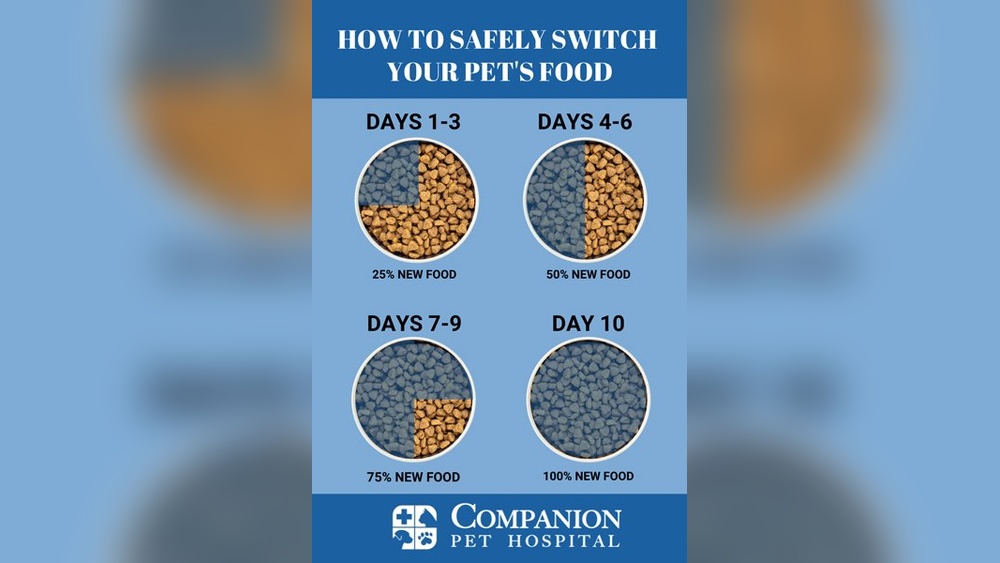
Switch food gradually over 7 to 10 days. Mix a small amount of adult food with puppy food. Slowly increase the adult food and reduce the puppy food. This helps avoid stomach upset or refusal to eat. Watch your puppy for any digestion issues during the switch.
Expert Recommendations For Feeding
Feeding a 9-month-old puppy requires careful thought. Their nutritional needs change as they grow. Expert advice helps ensure your puppy stays healthy and strong. Understanding proper feeding guidelines supports their development.
Veterinarian Guidelines
Veterinarians suggest continuing puppy food until at least 12 months. Puppy food has nutrients for growth and energy. Switching too early to adult food may cause health issues. Consult your vet to decide the right time to switch. Watch your puppy’s weight and energy levels closely.
Popular Brand Suggestions
Many brands offer foods designed for growing puppies. Look for trusted brands with clear labels. Some popular choices include Royal Canin, Hill’s Science Diet, and Blue Buffalo. These brands provide balanced nutrition for puppies. Choose formulas with high protein and essential vitamins.
Customized Diet Plans
Every puppy is different. Some may need special diets due to breed or health. A customized diet plan can meet specific needs. Vets or pet nutritionists can create tailored feeding schedules. This approach helps avoid allergies and digestive problems.
Credit: www.newsweek.com
Monitoring Your Puppy’s Health During Transition
Switching a 9-month-old puppy to adult dog food needs careful health monitoring. This transition affects growth, energy, and digestion. Watch your puppy closely to spot changes. Adjust feeding based on their needs. This helps keep your puppy strong and healthy.
Weight And Growth Tracking
Track your puppy’s weight weekly. Use a simple scale at home or visit the vet. Growth should be steady and not too fast. Sudden weight loss or gain needs attention. Proper weight shows the diet suits your puppy.
Behavioral Changes
Observe your puppy’s energy and mood daily. Look for signs like tiredness or hyperactivity. Changes in appetite or rest habits matter too. A healthy puppy stays playful and alert. Unusual behavior might mean diet issues or health problems.
Adjusting Diet Based On Feedback
Use your observations to change food portions or type. Sometimes, mixing puppy and adult food helps. Consult a vet for guidance if unsure. Adjustments keep your puppy comfortable and growing well. Every puppy’s needs differ during this phase.
Credit: www.chewy.com
Frequently Asked Questions
Can A 9-month-old Puppy Eat Adult Dog Food?
Yes, many puppies can start eating adult dog food at 9 months. However, check your vet’s advice first. Adult food has different nutrient levels suited for mature dogs, so transition gradually to avoid digestive issues.
When Should You Switch A Puppy To Adult Dog Food?
Switch puppies to adult dog food around 9 to 12 months old. This depends on breed size and growth rate. Consult your vet to ensure the right timing for your puppy’s health and development.
What Are The Risks Of Feeding Adult Food Too Early?
Feeding adult food too early can cause nutrient deficiencies. Puppies need higher protein and fat for growth. Early switching may lead to stunted growth and weak immunity. Always transition with vet guidance to avoid health problems.
How To Transition A Puppy To Adult Dog Food Safely?
Transition gradually over 7 to 10 days. Mix increasing amounts of adult food with puppy food daily. This helps prevent stomach upset and allows the puppy to adjust to new nutrients and taste.
Conclusion
A 9-month-old puppy can start eating adult dog food carefully. Puppies need good nutrition for growth and health. Choose food with the right nutrients for their age and size. Watch your puppy’s weight and energy levels closely. Changing food slowly helps avoid stomach problems.
Always check with a vet before switching diets. Feeding the right food supports a happy, strong dog. Keep your puppy’s needs in mind for a smooth transition. Healthy food choices build a bright future for your dog.