

If your dog pulls, barks, or lunges every time you walk outside, you’re not alone—and you’re not stuck with this behavior. Leash reactivity can be frustrating, but the good news is that you can change it.
Imagine peaceful walks where your dog stays calm, focused, and by your side. This guide will show you simple, effective steps to train your leash reactive dog and turn stressful outings into enjoyable adventures. Keep reading, because the transformation starts with you.
Causes Of Leash Reactivity
Leash reactivity in dogs often stems from several key causes. Understanding these causes helps in training and managing your dog better. Reactivity is not just bad behavior. It is a sign of underlying feelings or experiences. Identifying what triggers your dog will guide your training approach.
Fear And Anxiety
Fear is a common cause of leash reactivity. Dogs may feel scared of other dogs, people, or noises. Anxiety can make them bark, lunge, or pull on the leash. These reactions are their way to protect themselves. Fear-based reactivity needs gentle and patient training.
Frustration And Overexcitement
Sometimes dogs get too excited during walks. They want to greet other dogs or explore new places. When the leash limits their movement, frustration builds up. This frustration can cause barking and pulling. Teaching calm behavior helps reduce this type of reactivity.
Lack Of Socialization
Dogs without enough social experiences may not know how to behave. Meeting new dogs or people can be overwhelming. Lack of socialization often causes fear or confusion. Early and frequent socialization can prevent leash reactivity. It builds confidence and good manners in dogs.

Credit: www.noblewoof.com
Recognizing Reactive Behavior
Recognizing reactive behavior in dogs on a leash is the first step to effective training. Dogs often show signs before they become fully reactive. Spotting these signs early helps prevent problems and keeps walks calm.
Signs To Watch For
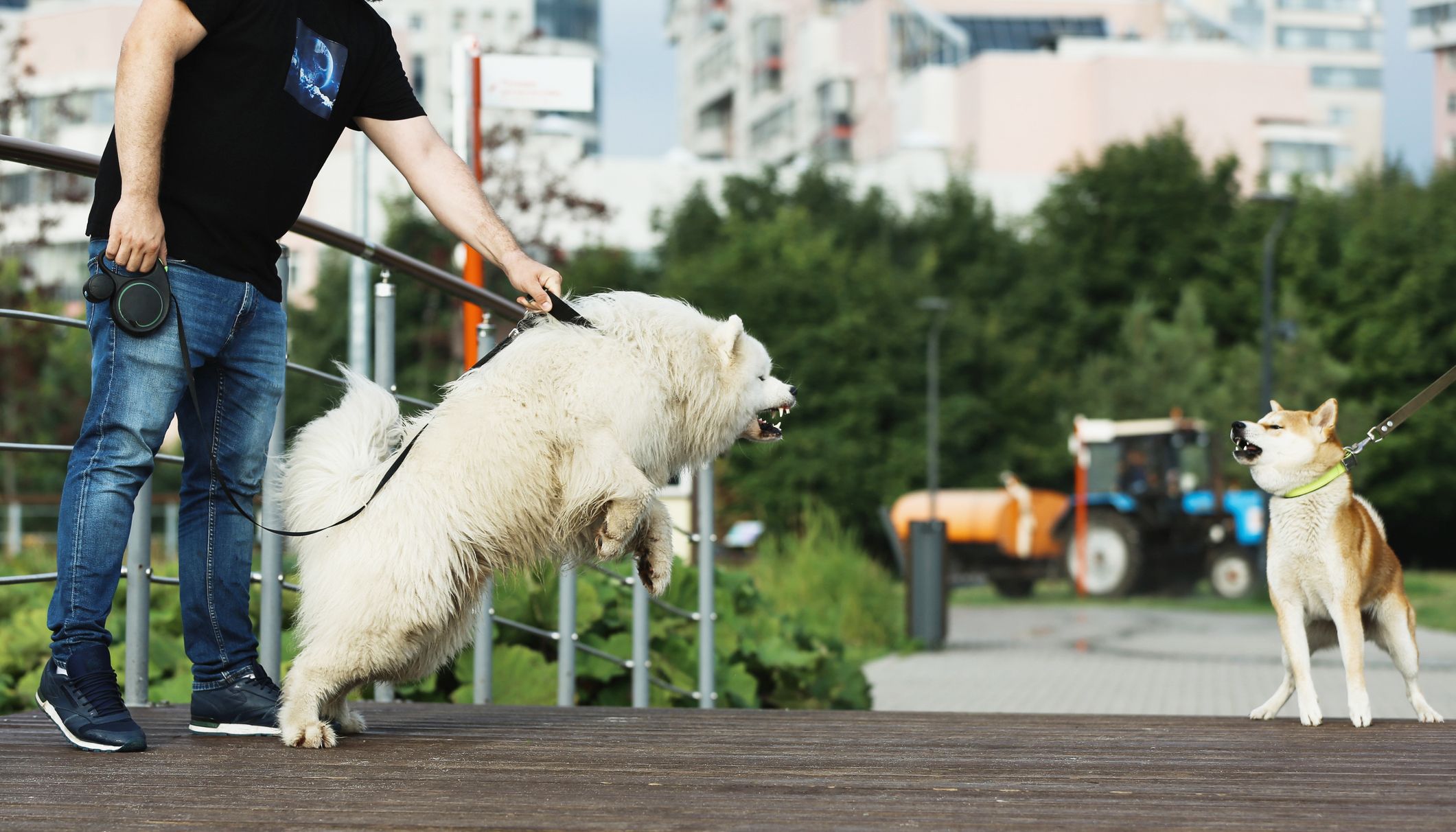
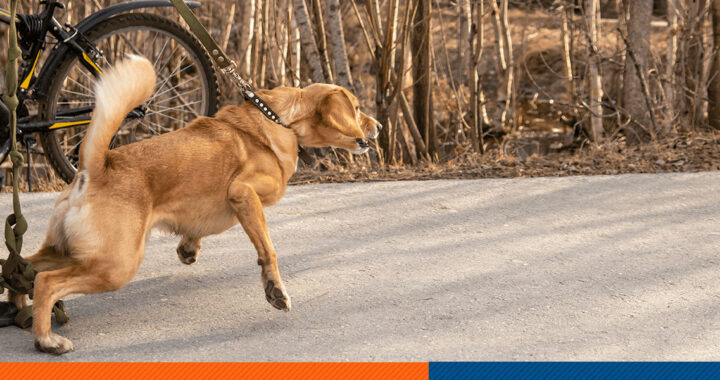
Dogs may pull hard on the leash. They might bark or growl loudly. Stiff body posture and raised hackles are common signs. Some dogs snap or lunge towards triggers. Watch for intense staring or fixed eye contact. Panting or whining can also indicate stress.
Common Triggers
Other dogs are a frequent trigger for leash reactivity. Strangers passing by can cause a dog to react. Loud noises like cars or bicycles often startle dogs. Certain places, like parks or busy streets, increase reactivity. Sometimes, specific objects or animals trigger a dog.
Preparing For Training
Preparing for training a leash reactive dog sets the stage for success. It helps you stay calm and confident. Preparation makes the training process smoother and more effective.
Start by gathering the right tools. Then, set clear and reachable goals. These steps build a strong foundation for your dog’s progress.
Choosing The Right Equipment
Select equipment that keeps your dog safe and comfortable. A sturdy leash and a well-fitting harness work best. Avoid retractable leashes. They give less control and can cause accidents.
Consider using a front-clip harness. It helps reduce pulling. Use treats to reward good behavior during walks. Carry small, soft treats that your dog loves. This keeps their focus on you.
Setting Realistic Goals
Set small, clear goals for each training session. For example, focus on walking calmly for five minutes. Gradually increase the time as your dog improves.
Expect progress to be slow and steady. Celebrate small wins. Avoid pushing your dog too hard. Patience and consistency bring better results.
Credit: www.whole-dog-journal.com
Basic Training Techniques
Training a leash reactive dog starts with basic techniques. These methods help your dog stay calm and focused during walks. Consistency and patience make training easier. Simple steps build a strong foundation for better behavior. Let’s explore three key techniques that improve leash manners.
Loose Leash Walking
Loose leash walking teaches your dog to walk without pulling. Keep the leash short but relaxed. Stop moving if your dog pulls. Wait until the leash is loose again. Praise your dog for walking by your side. This method shows your dog pulling does not work. Walks become more pleasant and controlled.
Positive Reinforcement
Positive reinforcement rewards good behavior with treats or praise. Give a treat when your dog stays calm on the leash. Use a happy voice to encourage your dog. This creates a link between good behavior and rewards. Your dog learns to repeat calm actions. Avoid punishment to keep training positive and effective.
Redirecting Attention
Redirecting attention helps your dog focus on you, not distractions. Use a toy or treat to catch your dog’s eye. Call your dog’s name softly to regain focus. Change your walking direction if needed. This prevents reactive behavior before it starts. Your dog stays engaged and less likely to react.
Advanced Strategies
Advanced strategies help improve control over leash reactivity. They focus on changing your dog’s emotional response and managing triggers effectively. These methods require patience and practice but can lead to lasting results. Training becomes more precise and tailored to your dog’s needs.
Desensitization And Counter-conditioning
Desensitization lowers your dog’s reaction by gradual exposure. Start at a distance where your dog feels safe. Slowly bring the trigger closer over several sessions. Keep your dog calm and relaxed during training.
Counter-conditioning changes how your dog feels about the trigger. Pair the trigger with something positive, like treats or praise. This builds a new, pleasant association. Over time, your dog may react less or not at all.
Using Distance To Manage Reactivity
Distance controls how your dog reacts to triggers. Find the distance where your dog stays calm. Work at this distance until your dog feels secure.
Gradually decrease the distance as your dog improves. This helps build confidence and reduces stress. Managing distance prevents overwhelming your dog and keeps training effective.
Handling Challenges
Training leash reactive dogs can be tough. Challenges often arise and cause frustration for both owner and dog. Learning how to handle these challenges helps keep training steady and effective.
Patience and calmness are key during difficult moments. Understanding common hurdles prepares you to face them with confidence.
Dealing With Setbacks
Setbacks happen in training. Dogs may suddenly react more strongly or ignore commands. This is normal. Avoid punishment. Instead, step back and review your approach.
Reduce distractions and return to easier exercises. Celebrate small wins to boost your dog’s confidence. Keep sessions short and positive. Consistency will bring progress.
Managing High-stress Situations
High-stress moments can trigger intense reactions. Recognize signs of stress early, like panting or stiff body language. Move your dog to a quieter place to calm down.
Use soothing tones and gentle petting to reduce anxiety. Practice deep breathing yourself to stay relaxed. Gradually reintroduce the trigger at a distance where your dog stays calm.
Maintaining Progress
Maintaining progress with leash reactive dogs takes patience and steady effort. Training does not stop after initial improvement. It requires ongoing care to keep your dog calm and focused during walks. Consistency and controlled exposure help your dog handle triggers better. This section explains how to hold on to the progress you made.
Consistent Practice
Practice every day, even if only for a few minutes. Short, frequent sessions work best for leash reactive dogs. Use the same commands and rewards each time. This helps your dog remember good behavior. Avoid skipping training days to prevent setbacks. Consistency builds confidence and reduces anxiety in your dog.
Gradual Exposure To Triggers
Expose your dog slowly to things that cause reactivity. Start at a distance where your dog stays calm. Gradually move closer over time. Watch your dog’s body language for signs of stress. If your dog gets upset, step back and try again later. This slow approach helps your dog learn to stay relaxed around triggers.
Credit: www.olk9md.com
When To Seek Professional Help
Training leash reactive dogs can be tough. Sometimes, professional help makes a big difference. Knowing when to get help saves stress for you and your dog. It improves your dog’s behavior faster. Here are signs that show you need a trainer. Also, tips on choosing the right professional.
Signs You Need A Trainer
Your dog pulls hard on the leash every walk. Growling or barking at other dogs happens often. Training at home feels like it’s not working. Your dog’s behavior causes fear or danger to others. You feel overwhelmed or unsure about what to do. Your dog shows aggression that worsens over time. These signs mean it’s time to get expert help.
Choosing The Right Professional
Pick a trainer with experience in leash reactivity. Check if they use positive training methods. Avoid trainers who use punishment or harsh tools. Look for someone who understands your dog’s breed and needs. Read reviews or ask for recommendations from other dog owners. Meet the trainer and ask about their approach. A good trainer will explain steps clearly and answer questions.
Frequently Asked Questions
What Causes Dogs To Be Leash Reactive?
Leash reactivity often stems from fear, frustration, or lack of socialization. Dogs may feel trapped and react defensively. Understanding the root cause helps tailor training to reduce reactivity and improve leash behavior effectively.
How Can I Start Training A Leash Reactive Dog?
Begin with controlled exposure to triggers at a distance. Use positive reinforcement, like treats or praise, when your dog remains calm. Gradually decrease distance as your dog improves, ensuring each step is manageable and stress-free.
What Tools Help With Leash Reactive Dog Training?
Tools like front-clip harnesses and head halters provide better control and reduce pulling. Treats and clickers aid in positive reinforcement. Avoid retractable leashes as they encourage pulling and increase reactivity.
How Long Does It Take To Train Leash Reactivity?
Training time varies by dog and consistency. Most dogs show improvement within weeks of regular, patient practice. Long-term commitment is key, as some dogs may need months to fully manage their leash reactivity.
Conclusion
Training leash reactive dogs takes patience and steady effort. Small steps build trust between you and your dog. Consistency helps your dog learn calm behavior on walks. Celebrate progress, even if it feels slow. Practice often in different places for best results.
Remember, every dog is unique and learns at their own pace. Stay calm, keep training sessions short and fun. Your efforts will make walks peaceful and enjoyable again. Keep going—you and your dog can improve together.

