Have you ever wondered why your dog acts a certain way? Understanding your dog’s behavior can unlock a deeper connection between you and your furry friend.
When you learn what your dog’s actions really mean, you can respond better to their needs and build trust like never before. This article will reveal simple secrets behind common dog behaviors, helping you see your pet in a whole new light.
Keep reading to discover how small changes in your approach can lead to a happier, healthier relationship with your dog.
Dog Communication Signals
Dogs communicate in many ways. Understanding their signals helps build a strong bond. They use body language, sounds, and expressions. These signals show how they feel and what they want.
Recognizing these signs can prevent problems. It also makes training easier and safer. Let’s explore key dog communication signals.
Body Language Basics
Dogs speak mostly with their bodies. Tail wagging shows excitement or friendliness. A stiff tail means alert or tense. Ears point forward when curious. Flattened ears can show fear or submission. A relaxed body means the dog feels safe. Raised hackles signal fear or aggression. Watch their eyes; soft blinking means calm. Hard staring may mean a challenge. Play bows invite fun and games.
Vocalizations And Their Meanings
Dogs use sounds to share feelings. Barking can mean warning, excitement, or attention. Whining often shows discomfort or need. Growling warns to back off or shows stress. Howling is a long-distance call or response. Each sound changes with the situation. Tone and pitch help understand their mood. Listen carefully to know what your dog says.
Recognizing Stress And Anxiety
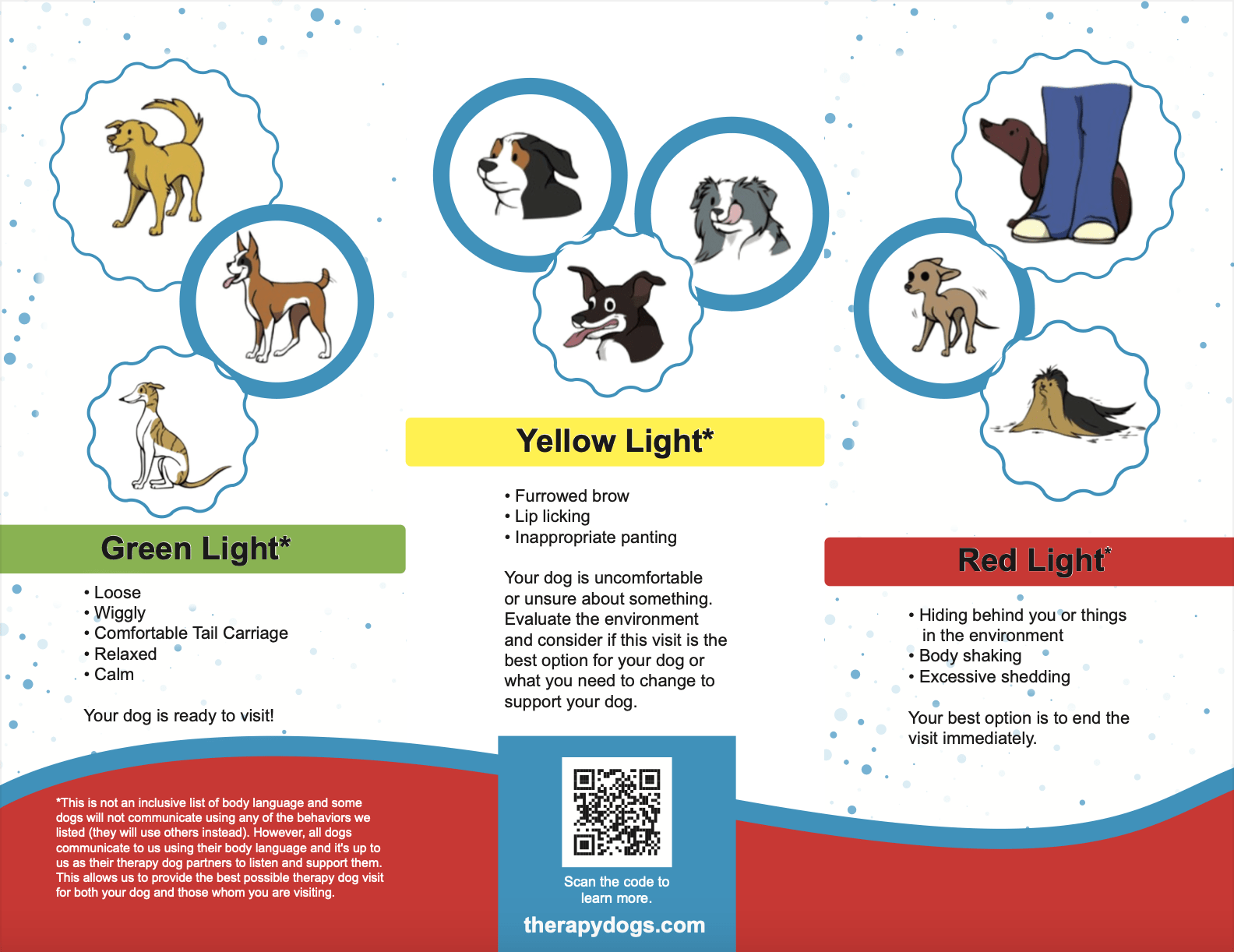
Stress signs show a dog needs help. Panting without heat means nervousness. Yawning or licking lips signal discomfort. Avoiding eye contact shows fear or submission. Shaking or trembling means anxiety. Hiding or cowering shows the dog feels unsafe. Sudden changes in behavior can signal stress. Early signs help you calm your dog quickly.
Common Behavioral Issues
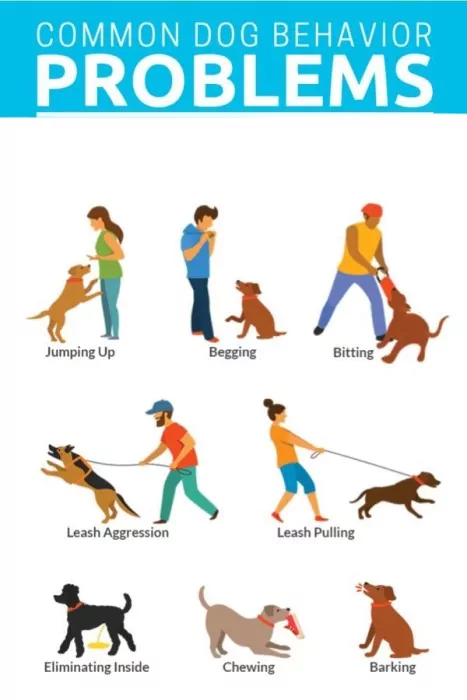
Dogs often show behaviors that can be hard for owners to handle. These common issues affect daily life and dog training. Understanding these behaviors helps improve your relationship with your dog.
Barking And Howling
Barking and howling are natural ways dogs communicate. Excessive noise can annoy neighbors and family members. Dogs bark when they feel scared, bored, or want attention. Howling often happens when dogs are lonely or hear other dogs. Training and exercise can reduce these sounds.
Chewing And Destructive Habits
Chewing is normal for dogs, especially puppies. They explore the world with their mouths. Problems arise when dogs chew furniture, shoes, or wires. Destructive chewing shows boredom, stress, or lack of exercise. Giving chew toys and regular playtime helps prevent damage.
Aggression Triggers
Aggression can scare owners and others. Dogs may show aggression due to fear, pain, or protection instincts. Some triggers include strangers, other dogs, or sudden noises. Recognizing these signs early keeps everyone safe. Calm training and patience reduce aggressive behavior.
Effective Training Techniques
Training dogs shapes their behavior and builds trust. Effective techniques help dogs learn faster. Training creates a strong bond between you and your dog. It makes daily life easier and more enjoyable. Focus on methods that encourage good habits and reduce problems.
Positive Reinforcement Methods
Reward good behavior with treats, praise, or play. This encourages dogs to repeat actions they like. Avoid punishment, as it may cause fear or confusion. Use rewards immediately after the correct behavior. This helps dogs connect the action with the reward.
Consistency And Patience
Use the same commands and rules every day. Dogs learn best with regular routines. Be patient; learning takes time for dogs. Avoid changing rules or commands often. Consistent training builds clear expectations and trust.
Using Commands And Cues
Give simple, clear commands in a calm voice. Use short words like “sit,” “stay,” or “come.” Combine verbal commands with hand signals for better understanding. Repeat commands until the dog responds reliably. This strengthens communication between you and your dog.
Credit: suburban-k9.com
Building Stronger Bonds
Building a strong bond with your dog creates trust and happiness. It helps your dog feel safe and loved. Good bonds improve behavior and make training easier. Simple daily habits can deepen your connection.
Daily Interaction Tips
Spend time with your dog every day. Talk softly and use gentle petting. Look into their eyes to show care. Give small treats as rewards for good behavior. Keep your voice calm and friendly. Routine helps dogs feel secure and connected.
Play And Exercise Importance
Playtime is key to a happy dog. It releases energy and reduces stress. Choose games like fetch or tug-of-war. Walks and runs keep muscles strong and minds sharp. Exercise prevents boredom and bad habits. Active dogs bond better with their owners.
Reading Your Dog’s Needs
Watch your dog’s body language closely. Tail wagging usually means happiness. Growling or cowering shows fear or discomfort. Notice changes in eating or sleeping habits. Respect their space when they seem tired. Understanding needs deepens your relationship and trust.
Adapting To Your Dog’s Personality
Every dog has a unique personality. Understanding your dog’s behavior helps build a strong bond. Adapting your care and training to fit your dog’s personality creates a happy environment. It makes learning easier and strengthens trust between you and your pet.
Recognizing Temperament Types
Dogs show different temperaments. Some dogs are calm and shy. Others are active and bold. Watch how your dog reacts to new people and places. Notice if your dog is curious or cautious. This helps identify their temperament type. Knowing this guides your approach to training and interaction.
Tailoring Training Approaches
Each dog learns differently. Active dogs may need short, fun training sessions. Calm dogs prefer slow and gentle teaching. Use treats and praise to encourage good behavior. Avoid harsh corrections, as they can cause fear. Adjust training to match your dog’s energy and mood. This leads to better results and happier dogs.
Handling Sensitive Dogs
Sensitive dogs react strongly to loud noises and sudden moves. They need extra patience and care. Speak softly and move slowly around them. Create a quiet, safe space for your dog to relax. Use gentle touch and calm words during training. Respect their limits and avoid pushing too hard. This helps sensitive dogs feel secure and loved.
Credit: www.therapydogs.com
Health And Behavior Connection
The connection between a dog’s health and behavior is very strong. Healthy dogs tend to act happy and calm. When a dog feels unwell, its behavior often changes. Understanding this link helps owners care better for their pets.
Behavior problems sometimes come from health issues. Pain, discomfort, or illness can make dogs restless or aggressive. Watching for signs of health problems can prevent behavior problems from growing.
Impact Of Nutrition
Good nutrition supports a dog’s brain and body. Dogs need balanced meals with vitamins and minerals. Poor diet can cause low energy and mood swings. Healthy food helps dogs stay alert and happy. Avoid feeding dogs harmful human foods or too many treats.
Exercise And Mental Health
Exercise is key for a dog’s mental health. Physical activity reduces stress and boredom. Dogs that exercise daily are less likely to act out. Walks, playtime, and training keep dogs calm. Lack of exercise can lead to anxiety and destructive behavior.
When To Consult A Vet
Sudden changes in behavior need vet attention. Signs include aggression, hiding, or loss of appetite. These may indicate pain or illness. Regular vet check-ups help catch problems early. Don’t wait if your dog acts very different.

Credit: www.newsweek.com
Frequently Asked Questions
What Causes Sudden Changes In Dog Behavior?
Sudden changes in dog behavior often stem from health issues or stress. Pain, illness, or anxiety can alter behavior. A vet check is essential to rule out medical causes. Early detection helps in effective treatment and behavior management.
How Do Dogs Communicate Their Feelings?
Dogs use body language like tail wagging, ear position, and facial expressions. Barking, growling, and whining also convey emotions. Understanding these cues helps owners respond appropriately and strengthen their bond with their pets.
Why Do Dogs Exhibit Aggressive Behavior?
Aggression in dogs can result from fear, territorial instincts, or lack of socialization. Pain or frustration can also trigger aggression. Proper training and socialization from an early age reduce aggressive tendencies. Consulting a professional trainer is advisable for severe cases.
How Can I Improve My Dog’s Behavior?
Consistent training, positive reinforcement, and regular exercise improve dog behavior. Establishing clear rules and routines helps dogs feel secure. Patience and understanding are key to successful behavior modification. Professional advice may be needed for complex issues.
Conclusion
Dogs show many behaviors to tell us how they feel. Watching closely helps us understand them better. Each dog acts in its own way. Patience and care build trust and friendship. Knowing dog behavior makes life happier for both. Keep learning and enjoy your time together.
Simple actions speak loud in dog language. Good bonds grow from respect and love. Caring for dogs means seeing the world through their eyes.