
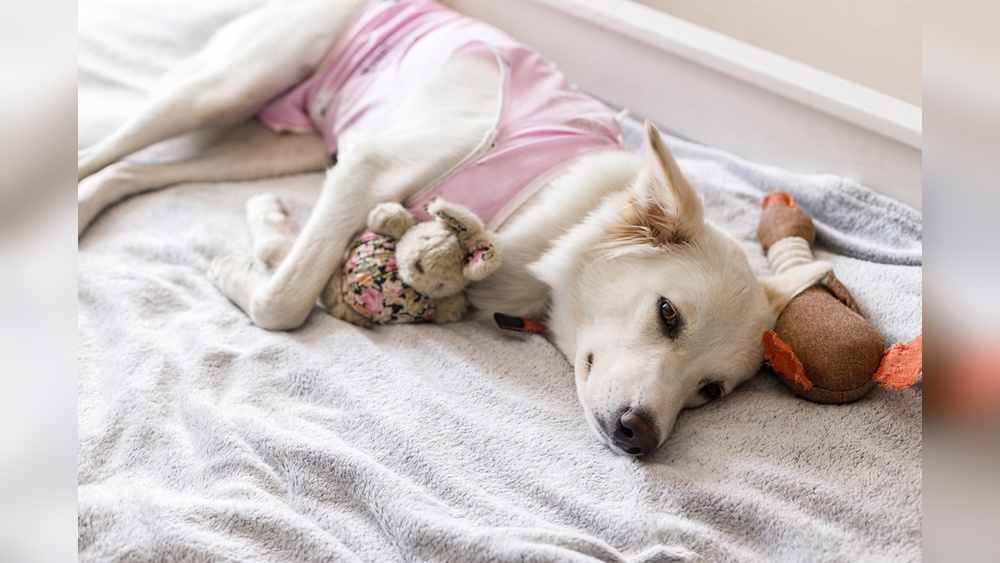
If your dog has recently been spayed, you might be wondering how this surgery will affect her behavior. You’re not alone—many pet owners notice changes and want to understand what’s normal and what’s not.
Knowing what to expect can help you support your furry friend through recovery and beyond. You’ll discover the common behavior shifts after spaying, why they happen, and how you can make your dog feel comfortable and happy again. Keep reading to learn how to navigate this important time in your dog’s life with confidence.
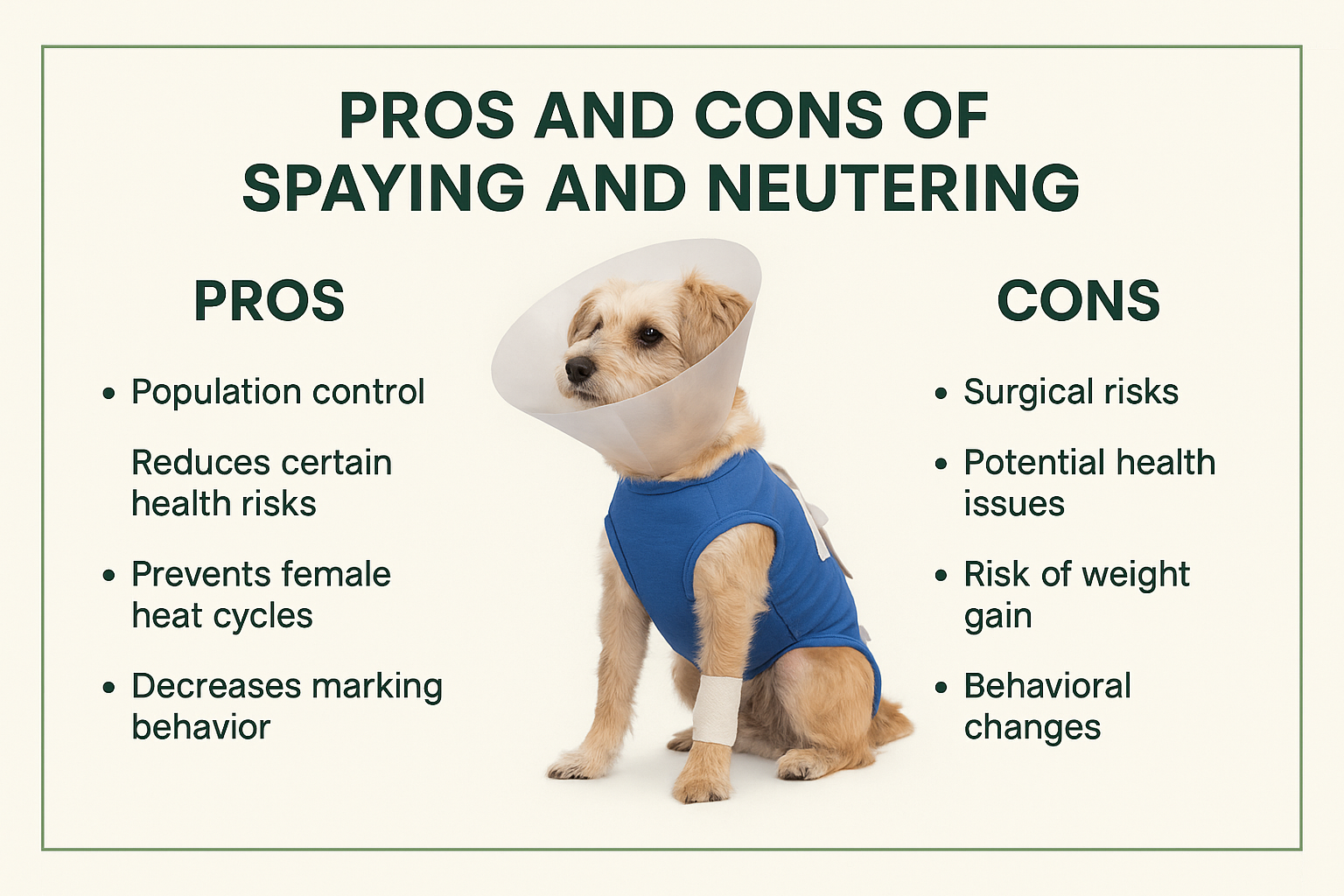
Credit: www.mawoopets.com
Changes In Activity Levels
After spaying, dogs often show changes in their activity levels. These changes are normal as their bodies heal. Your dog may rest more or seem less energetic. Understanding these shifts helps you care better for your pet during recovery.
Normal Resting Patterns
Rest is a key part of healing after spaying. Your dog might sleep longer or take more naps. This rest helps the body repair itself. Expect shorter playtimes and less running around. Quiet time is good and shows your dog is healing well.
Signs Of Discomfort
Watch for signs that your dog feels pain or discomfort. Whining, pacing, or reluctance to move can be red flags. Limping or avoiding jumping also show trouble. These signs mean your dog might need extra care or pain relief.
When To Seek Vet Advice
Contact your vet if your dog is very inactive or restless for a long time. Excessive panting or refusing food are also concerns. Swelling or bleeding at the surgery site requires immediate attention. Early help can prevent serious problems.

Credit: www.reddit.com
Emotional Shifts
After a spay surgery, dogs often show changes in their emotions. These shifts are normal and part of healing. Owners might notice new behaviors or feelings in their pets. Understanding these changes helps you support your dog better. Emotional shifts can vary from dog to dog. Some may become more loving, while others might seem moody. Knowing what to expect makes this time easier for both of you.
Increased Affection
Many dogs become more affectionate after spaying. They may seek more cuddles and attention. This need for closeness is a way to feel safe. Your dog might follow you around more often. Petting and gentle talking can calm them. This extra affection usually lasts a few weeks. It shows your dog trusts you during recovery.
Temporary Mood Swings
Spaying can cause mood swings in your dog. They might seem happy one moment, then irritable the next. This is normal and should not last long. Pain, medication, or stress can cause these changes. Give your dog space when they seem upset. Watch for signs like growling or hiding. These moods improve as your dog heals.
Calming Techniques
Helping your dog stay calm is important after surgery. Create a quiet, comfortable space for rest. Soft bedding and low noise help your dog relax. Gentle petting and calm voices soothe their nerves. Avoid loud noises or busy areas in your home. Short, slow walks may help if your vet agrees. Patience and care support your dog’s emotional healing.
Appetite And Eating Habits
Spaying surgery can change a dog’s appetite and eating habits. Many dogs eat less right after surgery. This is normal as their bodies heal. Watching your dog’s eating habits helps you see how well they recover.
Typical Post-surgery Appetite
Dogs usually lose some appetite after spaying. Pain and medication can reduce hunger. Some dogs may skip meals for a day or two. Others might eat small amounts more often. Appetite often returns to normal within a few days.
Hydration Importance
Water is very important after surgery. It helps your dog heal faster. Drinking enough water prevents dehydration. Dehydration can cause tiredness and slow recovery. Keep fresh water available at all times. Encourage your dog to drink regularly.
Encouraging Food Intake
Offer bland, easy-to-digest foods after surgery. Cooked chicken and rice are good choices. Warm the food slightly to increase smell and interest. Feed small meals several times a day. Praise your dog for eating well. Avoid forcing food but stay patient. Monitor eating to catch any problems early.
Physical Recovery Stages
Physical recovery after a dog is spayed is a delicate process. It needs careful care and attention. The body heals in stages, and each stage has its own needs. Understanding these stages helps owners support their pets better. This support helps the dog feel safer and heal faster.
Incision Care Tips
Check the incision site every day. Look for redness, swelling, or discharge. Keep the area clean and dry. Avoid touching the incision with dirty hands. Use a vet-approved ointment if needed. Prevent your dog from licking or biting the stitches. Use an Elizabethan collar if required. Follow your vet’s instructions carefully.
Activity Restrictions
Limit your dog’s movement after surgery. No running, jumping, or playing rough. Short, slow walks help with gentle exercise. Avoid stairs and slippery floors. Too much activity can open the incision. Keep your dog calm and quiet. Use a crate or small room if needed. This rest helps the body heal properly.
Monitoring Healing Progress
Watch your dog closely for signs of healing. The incision should close and dry in days. Swelling and redness should decrease each day. Any bad smell or pus is a warning. Your dog may feel tired and sore. Check their temperature if you can. Contact the vet if healing does not improve or worsens.
Behavioral Adjustments
Spaying often brings changes in a dog’s behavior. These changes happen because of shifts in hormone levels. Most dogs show clear behavioral adjustments after spaying. Understanding these changes helps owners care better for their pets.
Reduced Aggression
Many dogs become less aggressive after spaying. This happens as the hormones that drive aggressive behavior decrease. Dogs may show more calmness and patience. Aggressive displays, like growling or biting, often lessen. This makes dogs safer and easier to handle.
Changes In Marking Behavior
Spaying affects how dogs mark their territory. Female dogs usually stop or reduce urine marking. This is because the urge to mark lessens after spaying. Owners may notice fewer spots of urine inside the house. This change helps keep the home cleaner.
Social Interaction Shifts
Dogs may interact differently with other animals after spaying. Many become more friendly and social. Some dogs show less dominance or possessiveness. They might seek more attention and affection from people. These shifts often improve relationships with family and pets.
Supporting Your Dog
Supporting your dog after spaying is very important. Your dog needs care and comfort during recovery. Small actions can make a big difference in how she feels. Focus on creating a calm and safe environment. Keep her mind active in gentle ways. Use kind words and rewards to encourage good behavior. These steps help your dog heal and stay happy.
Creating A Comfortable Space
Set up a quiet area for your dog to rest. Use soft bedding to keep her cozy. Keep the space free from noise and distractions. Make sure she can easily reach water and food. Limit her movement to prevent injury. Check the temperature to keep it warm but not hot. A calm space helps your dog relax and heal faster.
Providing Mental Stimulation
Give your dog gentle activities that keep her mind busy. Offer puzzle toys with treats inside. Use simple training games that do not require much movement. Talk to her softly and calmly to keep her engaged. Avoid rough play or long walks. Mental stimulation reduces boredom and stress during recovery. It helps your dog stay happy and calm.
Using Positive Reinforcement
Praise your dog with kind words and gentle petting. Give small treats when she behaves well or rests quietly. Reward calm and gentle behavior to encourage it more. Avoid punishment or loud voices, which cause stress. Positive reinforcement builds trust and helps your dog feel safe. This approach supports good habits during healing.

Credit: www.reddit.com
Frequently Asked Questions
How Does Spaying Affect My Dog’s Behavior?
Spaying reduces hormone-driven behaviors like aggression and roaming. Your dog may become calmer and less anxious. However, personality traits remain mostly unchanged after spaying.
Will My Dog Become More Lethargic After Spaying?
Some dogs may show temporary tiredness after surgery. This typically lasts a few days during recovery. Long-term energy levels usually return to normal.
Does Spaying Cause Weight Gain In Dogs?
Spaying can slow metabolism, increasing weight gain risk. Proper diet and regular exercise help maintain a healthy weight post-spaying.
How Long Does Behavior Change Last After Spaying?
Behavioral changes often appear within days and stabilize in weeks. Most dogs adjust fully within one month of surgery.
Conclusion
Spaying can change a dog’s behavior in gentle ways. Most dogs become calmer and less aggressive after surgery. Some may feel tired or a bit uneasy at first. These changes usually last a short time. Watch your dog closely and give plenty of care.
Patience helps your pet adjust to the new normal. Remember, spaying supports your dog’s health and well-being. Good care and love bring out the best in your dog.


