

Are you wondering when the right time is to switch your dog from puppy food to adult food? Choosing the perfect moment can feel confusing, but it’s important for your dog’s health and happiness.
Feeding your dog the right food at the right age helps them grow strong, stay active, and avoid health problems down the road. Keep reading to find out exactly when and how you should make this change to give your furry friend the best nutrition possible.

Credit: www.purina.com
Puppy Growth Stages
Puppy growth happens in clear stages. Each stage needs different care and food. Knowing these stages helps you decide the right time to switch to adult dog food. Puppies grow fast and their nutrition needs change quickly. Paying attention to these stages supports their health and development.
From Newborn To Weaning
Puppies start life feeding on their mother’s milk. This milk gives them all the nutrients they need. Around 3 to 4 weeks old, puppies begin weaning. They start eating soft, mushy food mixed with water or milk replacer. This stage is gentle on their young teeth and stomachs. It prepares them for solid food later.
Rapid Growth Phase
After weaning, puppies enter a rapid growth phase. Their bodies grow quickly, and energy needs rise. High-quality puppy food supports this fast growth. It contains more protein, fats, and calories than adult food. Feeding the right food helps build strong bones and muscles. This phase usually lasts until 6 to 12 months old.
Signs Of Maturity
Signs show when your puppy is ready for adult food. Growth slows down, and energy levels balance out. Teeth are fully grown, and body shape looks more mature. Most dogs switch to adult food between 9 and 12 months. Large breeds may take longer, up to 18 months. Watch your dog’s size and energy for clues.
Nutritional Needs By Age
Dogs need different nutrients at different stages of life. Their diets must match these changing needs. Feeding your dog the right food helps keep them healthy and active.
Puppies grow fast and need special care with their food. Adult dogs, on the other hand, need a balanced diet to maintain their health and energy. Understanding these needs helps you choose the best food for your dog.
Puppy Diet Essentials
Puppies need food rich in protein and fat. These nutrients help build strong muscles and support brain growth. Puppies also need extra calories to fuel their fast growth. Vitamins and minerals are important for bone development and a strong immune system. Feeding small, frequent meals suits their small stomachs. Puppy food is softer and easier to chew than adult food.
Adult Dog Nutrient Requirements
Adult dogs need fewer calories than puppies. Too much energy can cause weight gain. Protein remains important to keep muscles healthy. Fat should be moderate to maintain energy without excess weight. Fiber helps with digestion and keeps the gut healthy. Nutrients like antioxidants support the immune system. Adult dog food also supports dental health and joint care.
Breed And Size Considerations
Choosing the right time to switch your dog to adult food depends on their breed and size. Different dogs grow at different rates. Their nutritional needs change as they grow. Understanding breed and size helps make the right choice for your dog’s diet.
Small Breed Timelines
Small breed dogs grow faster than large breeds. Most small dogs reach adulthood around 9 to 12 months. At this age, they need food that supports their energy and health. Switching to adult food between 9 and 12 months works best for small breeds. Their metabolism is faster, so adult food helps maintain a healthy weight.
Large And Giant Breeds
Large and giant breeds grow slower and longer. They take about 12 to 24 months to become adults. Feeding adult food too early may cause health problems. It is best to wait until your large dog is at least 12 months old. For giant breeds, waiting up to 18 or 24 months is safer. Adult food for these breeds supports strong bones and joints during growth.
Indicators For Food Transition
Knowing the right time to switch your dog to adult food is important. Dogs grow fast, and their diet needs change as they do. Watching for signs helps make the switch smooth and safe for your pet.
Weight And Size Milestones
Puppies grow at different rates depending on their breed. Small breeds may reach adult size by 9 to 12 months. Larger breeds often take 12 to 18 months to grow fully. When your dog stops growing in height and weight, it is a good sign to change their food. Check their weight regularly to see if they have reached adult size.
Behavioral Changes
Changes in activity levels can show your dog’s maturity. Puppies are usually very playful and active. As they grow, they may become calmer and less energetic. If your dog seems less hyper and more steady, it might be time for adult food. Also, pay attention if they seem hungry less often or eat differently.
Veterinary Recommendations
Your vet knows your dog’s health best. They can tell you the right time to switch foods. Some dogs have special needs that affect their diet. Regular checkups help track growth and nutrition needs. Always ask your vet before making changes to your dog’s food.
Transitioning Tips
Switching your dog to adult food needs care and patience. A smooth change helps avoid stomach troubles and keeps your dog happy. Follow clear steps to make this shift easy for your pet.
Gradual Food Mixing
Start by mixing a small amount of adult food with your dog’s current food. Increase the adult food portion slowly over 7 to 10 days. This slow change helps your dog adjust to new tastes and nutrients.
Monitoring Digestive Health
Watch your dog’s stool and appetite during the transition. Loose stools or vomiting may mean the change is too fast. If problems appear, slow the switch and consult your vet if needed.
Adjusting Portions
Adult dogs need fewer calories than puppies. Reduce food amount according to your dog’s size and activity. Overfeeding can cause weight gain, so measure meals carefully. Keep your dog fit and healthy.
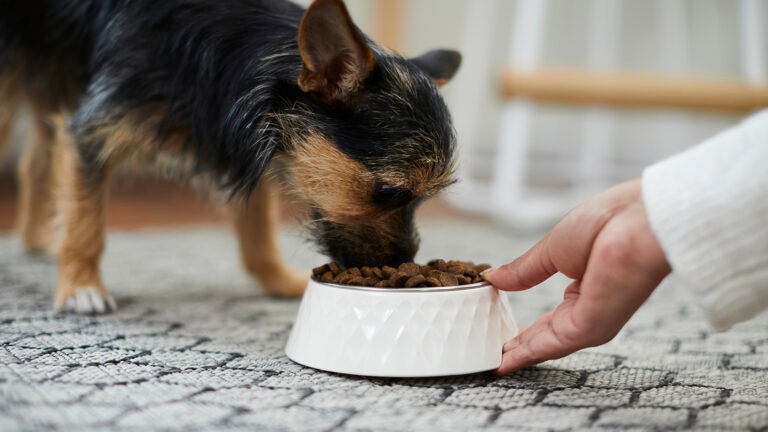
Credit: www.chewy.com
Common Mistakes To Avoid
Switching your dog to adult food is an important step. Many pet owners make mistakes that can harm their dog’s health. Avoid these common errors to keep your dog strong and happy.
Switching Too Early
Changing to adult food too soon can cause problems. Puppies need more nutrients for growth. Adult food may lack these essential elements. Wait until your dog reaches the right age. This helps avoid digestive issues and poor development.
Ignoring Breed Differences
Not all dogs grow at the same rate. Large breeds mature slower than small breeds. Using the same feeding plan for all breeds is a mistake. Know your dog’s breed and its growth timeline. Tailor the food switch to fit your dog’s needs.
Neglecting Nutritional Balance
Adult food must have the right nutrients. Some owners choose food without checking its content. Balanced proteins, fats, and vitamins keep dogs healthy. Poor nutrition leads to weight or energy problems. Always select food that meets your dog’s dietary needs.
Special Cases
Special cases need extra care when switching a dog to adult food. Some dogs have unique needs that affect the timing of the switch. It is important to understand these cases to keep your dog healthy and happy.
Puppies With Health Issues
Puppies with health problems may need a different diet plan. Their growth may be slower or faster than usual. Vets often recommend special food to support healing and development. Switching to adult food too soon can harm their health. Follow your vet’s advice carefully for the best results.
Adopted Dogs With Unknown History
Adopted dogs may have an unclear feeding history. You might not know their exact age or diet before adoption. Gradually changing their food helps avoid stomach upset. Watch their behavior and weight during the transition. Consult a vet to choose the right time and food type.
:strip_icc()/Puppy-food-feeding-schedule-2804779-a35fb27f23bd427cbea6ed24236fee22.jpg)
Credit: www.thesprucepets.com
Frequently Asked Questions
When Should I Switch My Puppy To Adult Dog Food?
Most dogs switch to adult food between 12 to 18 months. Large breeds may need longer. Consult your vet for specific timing.
What Signs Indicate It’s Time For Adult Dog Food?
Signs include slower growth, reduced energy, and stable weight. Your vet can help confirm when to switch food types.
Can Switching Too Early Harm My Dog’s Health?
Yes, switching too early can cause nutrient deficiencies. Puppies need more calories and nutrients than adult dogs for growth.
How Do I Transition My Dog To Adult Food?
Gradually mix adult food with puppy food over 7-10 days. This helps avoid digestive upset and allows adjustment to new nutrients.
Conclusion
Switching your dog to adult food at the right age helps keep them healthy. Most dogs change between 12 to 18 months, but this depends on their size and breed. Watch your dog’s growth and energy to know when to switch.
Always choose quality food made for adult dogs. Talk to your vet if you feel unsure. A smooth change supports your dog’s health and happiness. Keep your dog’s needs in mind for the best results. Easy steps make the switch simple and stress-free.


