

Do you want your dog to protect your home and family? Training your dog to be a guard dog isn’t just about teaching them to bark or growl.
It’s about building trust, control, and confidence in your dog so they can respond the right way when it matters most. You’ll discover simple, effective steps to turn your loyal friend into a reliable protector. Keep reading, because the safety of your loved ones could depend on what you learn next.
Choosing The Right Breed
Choosing the right breed is key to training a good guard dog. Not all dogs have the natural skills for protection work. Some breeds have traits that make them better at guarding. Picking a breed with the right qualities saves time and effort during training.
Think about the dog’s size, strength, and behavior. A good guard dog should be alert and confident. The breed’s temperament plays a big role in how well your dog will protect your home and family.
Traits Of Good Guard Dogs
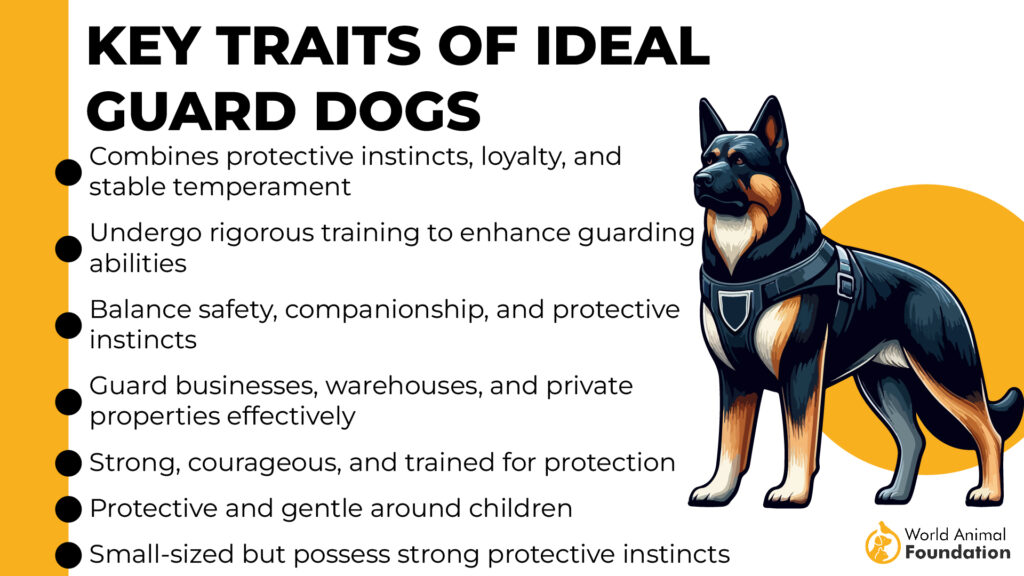
Guard dogs need to be alert and watchful. They should react quickly to strangers or unusual sounds. A strong protective instinct helps them sense danger. Courage is important, but they must also be obedient. Balance between aggression and control is key. Loyalty to their owner makes training easier. Good guard dogs stay calm but act fast when needed.
Popular Guard Dog Breeds
Some breeds are known for guarding skills. German Shepherds are smart and fearless. Rottweilers are strong and protective. Doberman Pinschers are fast and alert. Belgian Malinois are highly trainable and loyal. Bullmastiffs are large and powerful but gentle with family. These breeds often succeed in guard roles. Choose a breed that fits your lifestyle and training ability.
Basic Obedience Training
Basic obedience training is the first step to prepare your dog as a guard dog. It teaches your dog to listen and follow your commands. This training creates a foundation of respect and control. A well-trained dog will respond quickly and calmly in any situation. Training sessions should be short and consistent. Patience is key to achieve good results. The next sections explain the essential commands and how to build a strong bond with your dog.
Essential Commands To Teach
Start with simple commands like “sit,” “stay,” and “come.” These commands keep your dog under control. Teach “heel” to make your dog walk beside you. Use “down” to make your dog lie quietly. The “leave it” command helps your dog ignore distractions. Practice each command in different places. Use treats and praise to encourage your dog. Repeat often and keep training sessions short. These commands are the base for guard dog skills.
Building A Strong Bond
A strong bond between you and your dog is vital. Spend time playing and training every day. Speak softly and use gentle touch to show care. Trust makes your dog feel safe and confident. A confident dog is better at guarding. Understand your dog’s body language and needs. Consistency in rules and routines helps your dog learn faster. A happy dog will be more loyal and protective. Your bond is the foundation for all training.
Introducing Guard Dog Skills
Introducing guard dog skills is the first step in training your dog for protection. These skills help your dog understand its role and act confidently. Training should be clear and consistent. It builds trust between you and your dog. Start with basic commands before moving to guard-specific skills. Patience is key during this process.
Teaching Alert Barking
Alert barking teaches your dog to warn you of strangers. It is not just loud barking, but a signal. Begin by exposing your dog to new sounds or people. Reward your dog when it barks at the right moment. Avoid encouraging nonstop barking. Teach your dog to stop barking on command. This control keeps the barking useful and not annoying.
Training Controlled Aggression
Controlled aggression means your dog reacts only to real threats. It is important to avoid fear or random attacks. Use professional guidance to train this skill safely. Start by teaching your dog to focus on you. Practice commands that stop aggressive behavior instantly. Reward calmness and obedience during training. This control ensures your dog protects without causing harm.

Credit: www.ebay.com
Socialization For Safety
Socialization plays a key role in training your dog to be a guard dog. A well-socialized dog can tell the difference between a threat and a friend. This skill helps keep your family safe without causing unnecessary aggression. Proper socialization builds confidence and control in your dog.
Introducing your dog to different people, sounds, and places creates a balanced behavior. It teaches your dog to stay calm and alert at the right moments. Without socialization, a guard dog may become too fearful or overly aggressive.
Balancing Friendliness And Protection
Training a guard dog means teaching it to protect and be friendly. Your dog should greet family and friends warmly. At the same time, it must watch out for strangers. Practice calm greetings with familiar people. Reward your dog for staying relaxed and gentle.
Help your dog learn to stay quiet unless needed. Too much barking can cause problems. Your dog should only react when there is a real threat. Balance is the goal. Friendly but alert.
Handling Strangers And Visitors
Teach your dog how to behave around visitors. Allow your dog to see visitors calmly. Let your dog sniff and get used to new people. Teach your dog to wait for your signal before reacting.
Use commands like “stay” or “sit” to control your dog. If your dog shows warning signs, praise it when it stops on command. This control keeps everyone safe. It also helps your dog understand when to protect and when to relax.
Using Positive Reinforcement
Training a dog to be a guard dog requires patience and clear communication. Using positive reinforcement helps your dog learn faster and stay happy. This method focuses on rewarding good behavior instead of punishing bad actions. It builds trust between you and your dog. Your dog will want to listen and obey because it feels safe and encouraged.
Rewarding Desired Behaviors
Give treats or praise right after your dog shows the correct guard behavior. This helps your dog connect the action with a reward. Use small, tasty treats that your dog loves. Say “good job” or “yes” with a happy voice. Repeat this often to make the behavior strong. Rewards can be toys or playtime too. Keep training sessions short and fun. This keeps your dog interested and eager to learn more.
Avoiding Negative Training Methods
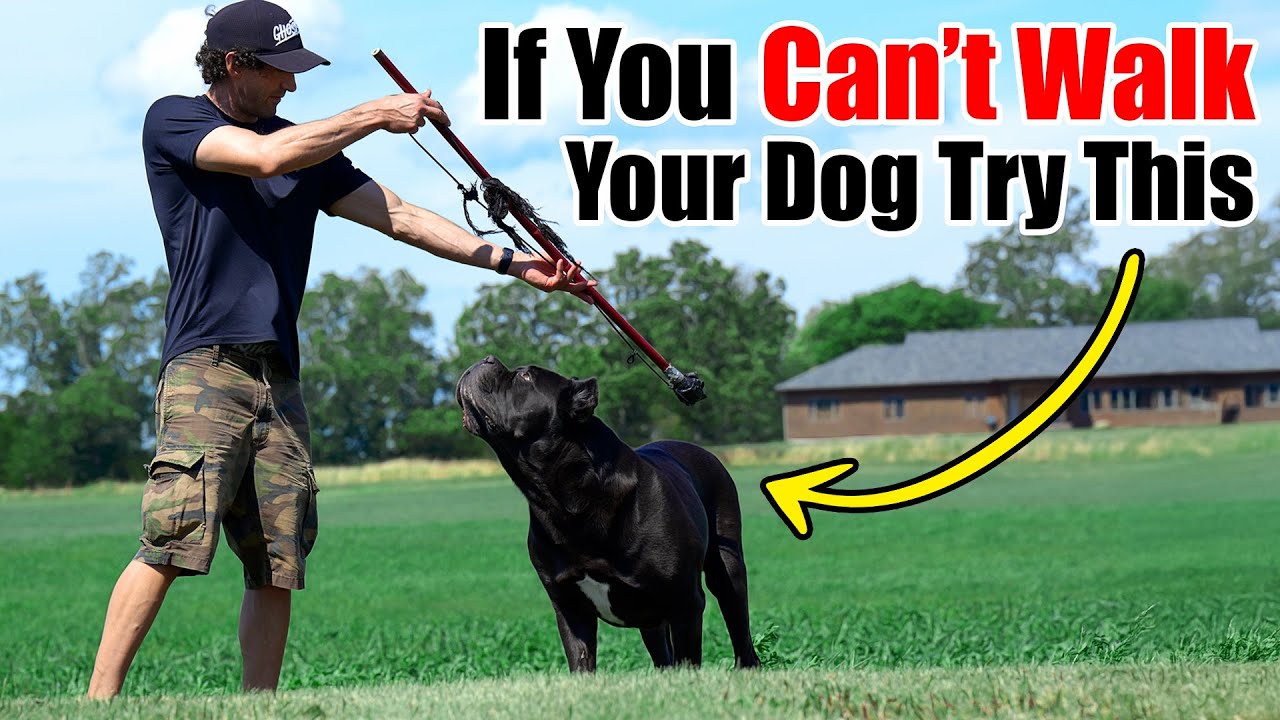
Never use fear or punishment to train your guard dog. Yelling or hitting can make your dog scared or aggressive. This can ruin your bond and cause more problems. Avoid choke chains or shock collars as they hurt your dog. Negative methods slow learning and harm your dog’s confidence. Focus on kindness and patience instead. Positive training creates a calm and loyal guard dog.
Credit: www.youtube.com
Setting Boundaries And Territory
Training your dog to protect your home starts with clear boundaries. Dogs need to know where their territory is. This helps them understand when to be alert and when to relax. Setting boundaries creates a safe space for your dog and your family.
Boundaries give your dog a clear sense of what to guard. It also prevents confusion and unwanted behavior. Teaching your dog about safe zones and perimeter awareness is key. These skills build confidence and focus in your guard dog.
Marking Safe Zones
Mark safe zones in your yard or home where your dog can relax. Use physical markers like fences or gates. These show your dog the limits of their space. Train your dog to stay inside these zones unless given a command. Reward calm behavior in these areas to reinforce the rule.
Safe zones also help your dog feel secure. A dog that feels safe is more effective at guarding. Avoid letting your dog roam freely outside these boundaries. This keeps them focused on protecting their territory.
Training Perimeter Awareness
Teach your dog to patrol the edges of your property. Walk the perimeter together daily. Let your dog sniff and explore the boundary lines. Use commands like “patrol” or “check” to encourage movement along the borders.
Practice alert drills near the perimeter. Use sounds or signals to trigger your dog’s attention. Reward your dog for noticing unusual activity. This sharpens their guarding instincts and boosts alertness.
Clear perimeter training helps your dog know when to act. It builds trust between you and your dog. Your dog learns the exact area to guard without confusion.
Regular Practice And Drills
Training a dog to be a guard dog requires more than just commands. Regular practice and drills shape your dog’s skills. These sessions build confidence and focus. They help your dog understand what to do in different situations. Practice also strengthens the bond between you and your dog. Consistent drills make the training stick over time.
Simulating Real-life Scenarios
Create practice situations that your dog might face. For example, a stranger approaching the house. Or a loud noise that could mean danger. These drills teach your dog to react correctly. Use controlled settings to keep your dog safe. Practice helps your dog learn when to alert and when to stay calm. It prepares your dog for actual events without stress.
Consistency In Training Sessions
Train your dog regularly at set times. Short, frequent sessions work better than long, rare ones. Consistency helps your dog remember commands and actions. Repeat drills often to reinforce good behavior. Use the same commands and signals each time. This clarity helps your dog understand what you expect. Consistent training turns lessons into habits that last.
Credit: worldanimalfoundation.org
Safety Tips For Owners
Training a dog to be a guard dog requires careful attention to safety. Owners must protect themselves, their dog, and others. Understanding your dog’s behavior and managing risks helps avoid problems. Safety starts with recognizing signs of stress and preventing injuries. These tips create a safer training environment.
Recognizing Stress Signals
Dogs show stress through body language. Watch for yawning, licking lips, or panting. Tail position can also tell a lot. A tucked tail often means fear or anxiety. Growling or stiff posture signals discomfort or warning. Notice these signs early to avoid aggression. Pause training if your dog looks stressed. Calm your dog before continuing. This keeps training safe and effective.
Preventing Accidental Injuries
Guard dog training can be risky without care. Use safe equipment like strong leashes and harnesses. Avoid harsh physical corrections that may hurt your dog. Keep training areas free of sharp objects or hazards. Teach your dog bite control to prevent accidents. Supervise all interactions with strangers and other animals. Stop training if your dog shows signs of pain or fear. Safety protects your dog and everyone around.
Frequently Asked Questions
How Long Does It Take To Train A Guard Dog?
Training a guard dog usually takes 6 to 12 months. Consistent daily practice and positive reinforcement speed up learning. Early socialization and obedience training are crucial before guard training begins. Each dog learns at its own pace depending on breed and temperament.
What Breeds Are Best For Guard Dog Training?
Breeds like German Shepherds, Dobermans, and Rottweilers excel as guard dogs. These breeds have strong protective instincts and high intelligence. They respond well to structured training and are naturally alert. Choosing the right breed improves training success and safety.
Can Any Dog Be Trained To Be A Guard Dog?
Not all dogs make good guard dogs. Suitable dogs must have confidence, loyalty, and protective instincts. Training alone cannot create these traits in an unfit dog. Assess your dog’s temperament before starting guard training to ensure effectiveness.
How Do I Start Basic Guard Dog Training?
Begin with obedience commands like sit, stay, and come. Teach your dog to respond reliably to your commands. Introduce controlled exposure to strangers and new environments. Gradually add protection commands with professional guidance for safety and success.
Conclusion
Training your dog to be a guard dog takes time and patience. Start with basic commands and build trust. Use clear signals and reward good behavior. Safety is key for both you and your dog. Keep training sessions short and consistent.
Watch your dog’s reactions closely and adjust training as needed. A well-trained guard dog can protect your home and family. Stay calm, confident, and kind throughout the process. This bond makes training effective and enjoyable. Your dog will learn to guard with loyalty and care.

