

If you want to train your dog more effectively and make learning fun for both of you, using a dog clicker might be the answer. This simple tool can help you communicate clearly with your furry friend and speed up the training process.
Imagine your dog understanding exactly when they’ve done something right—no confusion, just quick learning. You’ll discover easy steps to use a dog clicker, making your training sessions smoother and more rewarding. Ready to unlock your dog’s potential? Keep reading to find out how.
Benefits Of Clicker Training
Clicker training helps dogs learn quickly and clearly. It uses a small sound device called a clicker to mark good behavior. This clear signal makes training easier for dogs and owners.
Dogs understand exactly what action earned the click. This reduces confusion and speeds up learning. The process builds a strong bond between dog and trainer.
Why Clicker Training Works
The clicker gives an immediate and consistent signal. Dogs link the click sound with a reward like a treat. This clear communication helps dogs know what to do next.
Clicker training uses positive reinforcement. It encourages dogs to repeat good behavior. This method avoids fear or punishment, making training fun and effective.
Advantages Over Traditional Methods
Traditional training often relies on verbal commands or corrections. These can be unclear or cause fear. Clicker training uses a clear, neutral sound that dogs quickly recognize.
This training method reduces frustration for dogs and owners. It speeds up learning and improves accuracy. Dogs stay motivated and eager to learn new skills.
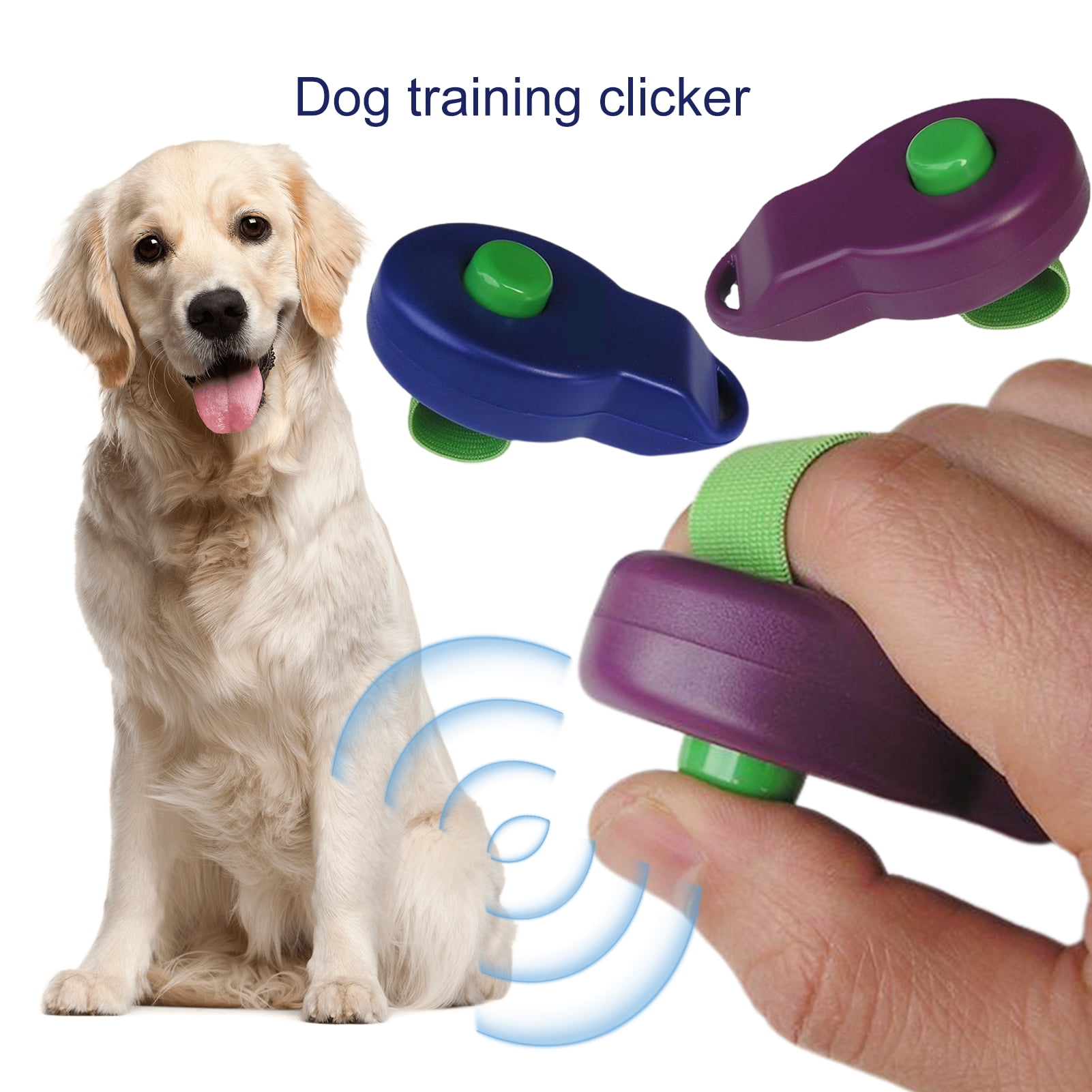
Credit: www.walmart.com
Choosing The Right Clicker
Choosing the right clicker is key to effective dog training. The right tool helps your dog understand commands fast. It makes training clear and fun for both you and your dog. Clickers come in different styles and features. Picking one that fits your needs is important. This guide helps you find the perfect clicker for your dog.
Types Of Clickers
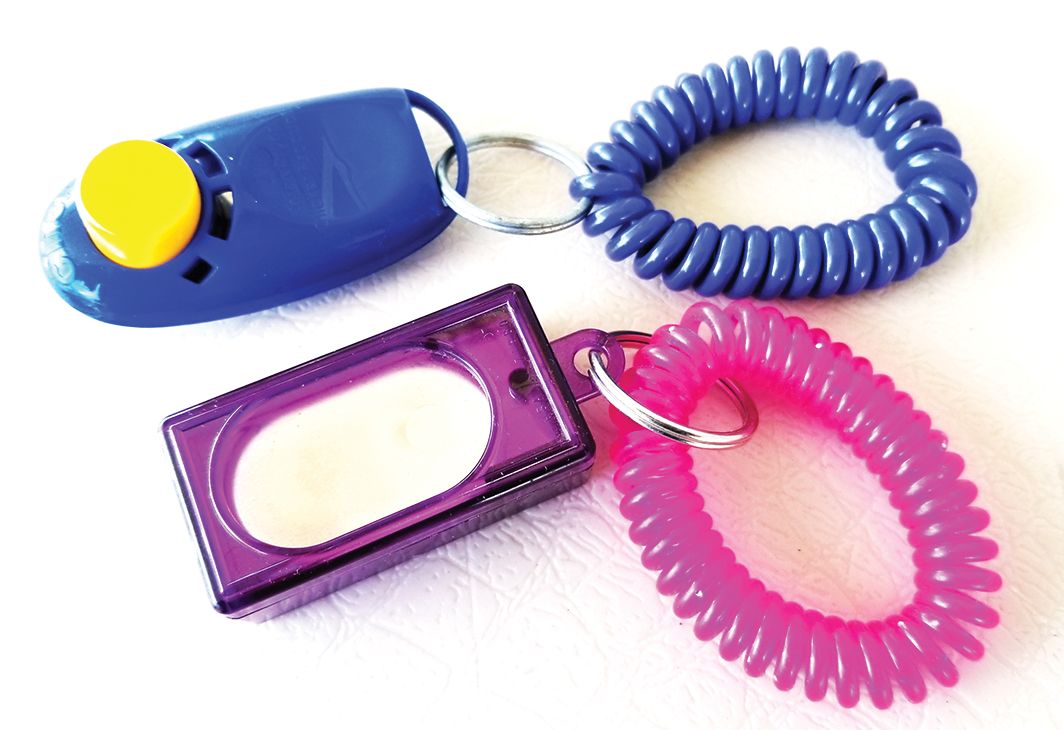
There are several types of clickers available. The classic clicker is small and handheld. It makes a sharp “click” sound when pressed. This sound is easy for dogs to hear and recognize.
Button clickers are flat and can attach to your finger. They offer convenience during training sessions. Some clickers use a ball or lever to produce the click sound.
Electronic clickers are also an option. They create a consistent click noise at the push of a button. These clickers often have adjustable volume levels.
Features To Look For
Choose a clicker with a clear and consistent sound. Your dog must hear the click every time. The clicker should be easy to hold and use with one hand.
Durability matters. Select a clicker that can withstand drops and frequent use. A wrist strap or clip is helpful to keep the clicker handy.
Volume control can be useful, especially for sensitive dogs. Some clickers let you adjust the loudness. This helps avoid startling your pet during training.
Lightweight and compact clickers are ideal. They make training on the go easier. Pick a clicker that fits comfortably in your pocket or hand.
Getting Started With Clicker Training
Getting started with clicker training is simple and effective. It helps your dog learn quickly through positive reinforcement. This method uses a small device called a clicker that makes a distinct sound. The sound marks the exact moment your dog does something right. This clear signal helps dogs understand what behavior earns a reward.
Patience is key. Training sessions should be short but frequent. This keeps your dog focused and eager to learn. Start in a quiet space with few distractions. Your dog will associate the clicker sound with treats and praise. This builds a strong connection between the click and good behavior.
Introducing The Clicker To Your Dog
Begin by letting your dog hear the clicker sound. Click once, then immediately give a treat. Repeat this several times in a row. Your dog will start to link the click with something positive. This step is called “charging the clicker.” It sets the foundation for training. No commands or actions needed yet. Just the sound and the reward.
Timing And Consistency
Click at the exact moment your dog performs the desired action. This helps your dog understand what earned the click. Be quick and precise. If you click too late, your dog may get confused. Click first, then give a treat right after. Consistency matters. Use the clicker every time your dog does the right thing. This steady routine makes learning faster and clearer.

Credit: www.amazon.com
Basic Clicker Training Techniques
Basic clicker training techniques help dogs learn quickly and clearly. The clicker marks the exact moment your dog does the right thing. It makes training faster and more fun for both of you.
Start with simple steps to build a strong training foundation. These techniques work for puppies and adult dogs. Consistency and patience are key to success.
Charging The Clicker
Charging the clicker means teaching your dog the click sound means a reward. Click the clicker once, then give a treat right after. Repeat this several times in a quiet space.
Your dog will soon connect the click with a tasty treat. This step is important before teaching commands. It sets a positive tone for training sessions.
Teaching Simple Commands
Start with easy commands like “sit” or “stay.” Wait for your dog to perform the action naturally. Click the moment your dog does it correctly. Then give a treat immediately.
Use short training sessions, about 5 to 10 minutes each. Practice daily to help your dog remember commands. Clicker training helps your dog learn with clear signals and rewards.
Advanced Clicker Training Tips
Advanced clicker training helps teach dogs more difficult tasks. It uses clear signals and rewards to guide your dog’s learning. This training builds on basic commands and adds new steps. Patience and practice improve your dog’s skills and focus.
Shaping Complex Behaviors
Shaping means rewarding small steps toward a big goal. Start with easy actions your dog can do. Click and treat every step closer to the full behavior. For example, to teach a dog to roll over, first click for lying down. Then click for turning on the side. Finally, click for a full roll. This method helps dogs learn tough tricks slowly and clearly.
Combining Clicker With Verbal Cues
Use words along with the clicker for better learning. Say a command right before you click and treat. Dogs link the word with the action and reward. This way, they understand both the sound and the command. Over time, your dog will respond to words alone. This technique makes training more flexible and useful.
Common Challenges And Solutions
Using a dog clicker for training can bring great results. Still, some common challenges can slow progress. Knowing these challenges and how to solve them helps keep training effective and fun.
Here are two common issues trainers face and ways to fix them.
Overcoming Distractions
Distractions can make it hard for dogs to focus on the clicker sound. Dogs may ignore the click if something more exciting is nearby. Start training in a quiet place with few distractions. Gradually add small distractions as your dog learns. Use high-value treats to keep your dog’s attention on the clicker. Keep training sessions short to avoid losing focus. Patience and slow progress help your dog stay engaged.
Dealing With Clicker Fear
Some dogs may feel scared of the clicker sound at first. The noise can be sudden or strange to them. To reduce fear, introduce the clicker gently. Click once and immediately give a treat to create a positive link. Repeat this many times until the dog feels comfortable. Use a softer clicker or reduce the volume if needed. Avoid forcing your dog near the clicker. Let your dog explore it at their own pace.
Maintaining Training Progress
Maintaining training progress with a dog clicker is key to lasting results. Consistency keeps your dog focused and motivated. It also helps your dog remember the good habits you teach. Training is not just about starting strong but staying strong. This section explains how to keep up the progress over time.
Fading Out The Clicker
At first, the clicker is your dog’s guide. It marks the exact moment your dog does the right thing. Gradually, you use the clicker less. This helps your dog learn to obey without the sound. Slowly replace clicks with words or gestures. This makes your dog more independent in following commands.
Reinforcing Good Behavior
Keep rewarding good behavior even after your dog knows the command. Rewards can be treats, praise, or playtime. This shows your dog that good behavior still brings benefits. Sometimes, reward randomly to keep your dog guessing. This makes the behavior stronger and more reliable over time.
Credit: www.whole-dog-journal.com
Incorporating Clicker Training Into Daily Life
Incorporating clicker training into daily life helps build good habits in your dog. It makes learning fun and consistent. Using the clicker often helps your dog understand what you want quickly. Small moments throughout the day become training chances. This approach strengthens your bond with your dog and improves behavior.
Using Clicker Training For Socialization
Use the clicker to reward calm behavior around new people. Click and treat when your dog stays relaxed near strangers. This helps your dog feel safe and confident. Clicker training also works during meetings with other dogs. Click for polite greetings and friendly behavior. This teaches your dog to enjoy social situations.
Training On The Go
Carry the clicker and treats in your pocket. Use them during walks or trips to the park. Click and reward for walking nicely on a leash. Stop and click when your dog follows commands in public. This keeps training active and effective anywhere. Short training sessions fit easily into busy days.
Frequently Asked Questions
What Is A Dog Clicker Used For In Training?
A dog clicker is a tool that marks desired behaviors with a distinct sound. It helps dogs associate actions with rewards quickly and clearly. This improves communication, making training more effective and enjoyable for both dog and owner.
How Do I Start Training My Dog With A Clicker?
Begin by clicking and immediately giving your dog a treat. Repeat this to create a positive association. Then, click only when your dog performs the desired behavior. This method reinforces good habits through consistent, timely rewards.
Can Clicker Training Work For All Dog Breeds?
Yes, clicker training is effective for all breeds and ages. It uses positive reinforcement, which motivates dogs regardless of size or temperament. This method builds trust and encourages learning in any dog.
How Often Should I Use The Clicker During Training?
Use the clicker every time your dog shows the correct behavior. Consistency is key to reinforcing learning. Gradually reduce treats but keep clicking to maintain clear communication.
Conclusion
Using a dog clicker helps your pet learn new skills quickly. Consistency is key to making training work well. Always reward your dog right after the click sound. This builds a clear link between action and reward. Keep training sessions short and fun to hold your dog’s attention.
Practice often to help your dog remember commands. Patience and kindness improve your dog’s learning experience. With time, your dog will respond well to the clicker. Training becomes easier and more enjoyable for both of you. Try using the clicker today and see the difference.


