

Can you litter train a dog? If you’ve ever wondered whether your furry friend can learn to use a litter box like a cat, you’re not alone.
Imagine the convenience of a dog that knows exactly where to go, saving you from messy accidents and endless cleanups. It’s easier than you think, and with the right approach, your dog can master this skill. Keep reading to discover simple, effective tips that will change the way you and your dog live together.
Benefits Of Litter Training
Litter training a dog offers many helpful benefits. It helps keep your home clean and tidy. Dogs learn where to go, which reduces accidents inside.
This training saves time on cleaning and avoids bad smells. It also teaches dogs good habits early on. Both owners and pets can enjoy a stress-free environment.
Improved Cleanliness
Dogs trained to use a litter box keep floors dry and clean. You spend less time cleaning up messes. This is great for small homes or apartments.
Convenience For Owners
Litter training makes life easier during bad weather. No need to rush outside in rain or snow. Your dog can go anytime indoors.
Better For Small Or Senior Dogs
Small or older dogs may struggle to go outside often. Litter training helps them stay comfortable and safe indoors. It also supports dogs with mobility issues.
Helps With Housebreaking
Litter training teaches dogs where to relieve themselves. It speeds up housebreaking and prevents confusion. Clear rules help dogs learn quickly.
Reduces Stress For Dogs
Dogs feel secure with a designated bathroom spot. They avoid anxiety from being scolded for accidents. A consistent routine promotes calm behavior.
Choosing The Right Litter Box
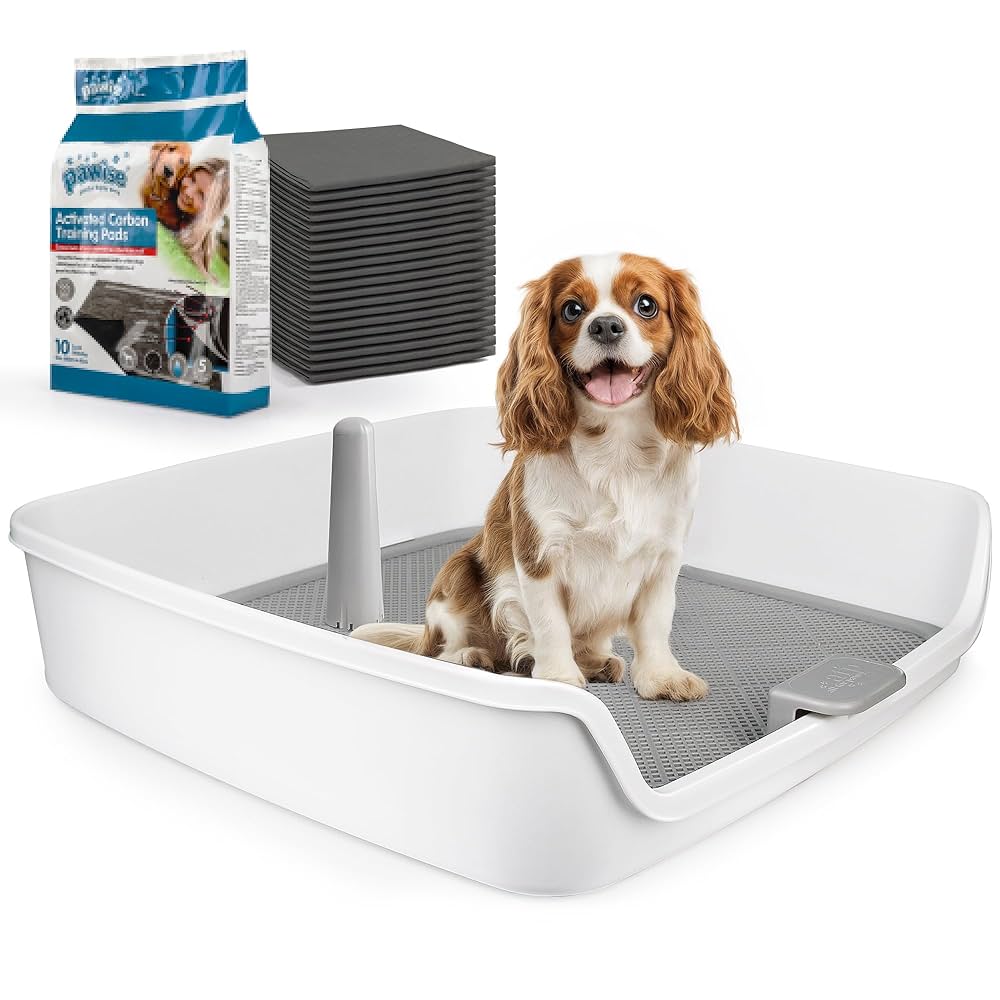
Choosing the right litter box is important for training your dog to use it. The right box makes your dog feel comfortable and safe. It also helps keep your home clean. Consider your dog’s size and habits when picking a box. A good box encourages your dog to use it regularly.
Size And Accessibility
The litter box should fit your dog comfortably. A box too small may make your dog avoid it. Choose a box with enough space to turn around. The entrance should be low for easy access. Older dogs or puppies may need extra help. Keep the box in a quiet place for privacy.
Types Of Litter Materials
Different litters affect how your dog feels about the box. Use soft, dust-free litter to protect your dog’s paws. Avoid strong smells that might scare your dog. Clay, paper, or wood-based litters work well. Try a few types to see what your dog prefers. Change the litter regularly to keep it fresh and clean.
Selecting A Suitable Location
Selecting a suitable location is key to litter training a dog. The right spot helps your dog learn faster. It makes the training clear and easy for your pet.
Choose a quiet place with low traffic. The area should be easy to clean and safe. Avoid spots near the dog’s food or sleeping area.
Consistency matters. Use the same place every time for litter training. This helps your dog associate the spot with going to the bathroom.
Choose A Low-traffic Area
Pick a calm corner in your home. Busy places can distract your dog. A quiet spot helps your dog focus on training.
Consider Easy Cleaning
Select a place with floors that clean easily. Tiles or hardwood floors work best. Avoid carpeted areas to reduce mess and smell.
Avoid Food And Sleeping Areas
Keep the litter spot away from where your dog eats or sleeps. Dogs dislike going near their food or bed. This keeps your dog comfortable and clean.
Use Consistency In Location
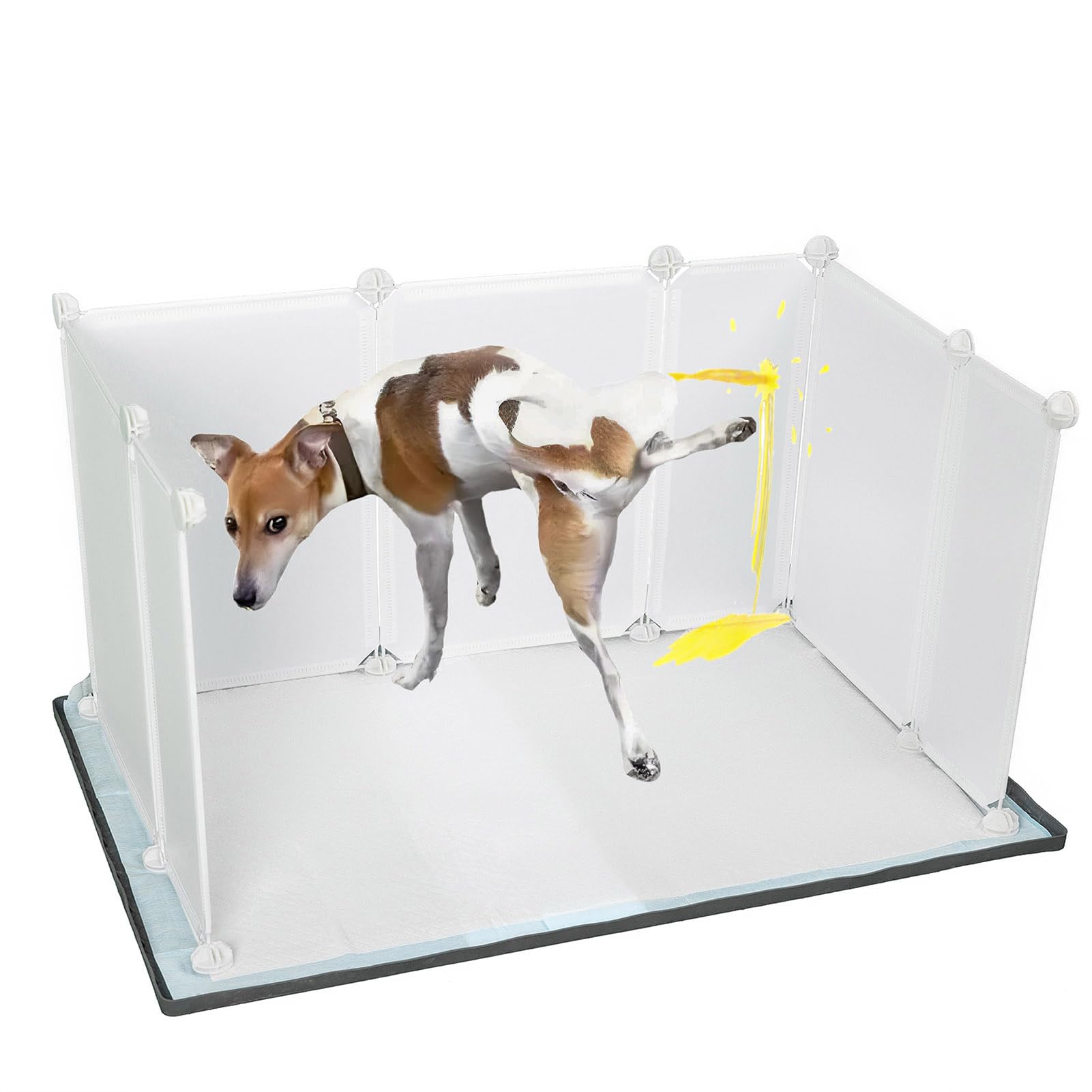
Always place the litter box in the same spot. Dogs learn faster with routine. Changing locations can confuse your dog.
Credit: www.amazon.com
Step-by-step Training Process
Training a dog to use a litter box takes patience and clear steps. This process helps your dog learn a new way to relieve itself indoors. Follow this step-by-step guide to make the training smooth and effective.
Introducing The Litter Box
Start by placing the litter box in a quiet, accessible spot. Let your dog explore the box without pressure. Use treats or toys near the box to create positive feelings. Show your dog the litter material and let them sniff it. Repeat this for a few days to build comfort.
Establishing A Routine
Create regular times for your dog to use the litter box. Take your dog to the box after meals, naps, and playtime. Watch for signs your dog needs to go, like sniffing or circling. Guide your dog gently to the litter box during these times. Consistency helps your dog understand when to use the box.
Positive Reinforcement Techniques
Reward your dog immediately after using the litter box. Use treats, praise, or gentle petting as rewards. Avoid punishment if your dog makes mistakes. Encouragement builds good habits faster than scolding. Keep training sessions short and positive to maintain your dog’s interest.
Common Challenges And Fixes
Training a dog to use a litter box can be tricky. Challenges often appear during the process. Understanding common issues helps you stay patient and consistent. This section discusses frequent problems and practical solutions. These tips improve your dog’s litter training success.
Avoiding Accidents
Accidents happen often during litter training. Dogs may go outside the box by mistake. Clean the area well to remove smells. Use a crate or confinement to limit space. Take your dog to the litter box regularly. Praise your dog immediately after using the box. Watch for signs your dog needs to go. Consistent routines help reduce accidents greatly.
Dealing With Resistance
Some dogs resist using the litter box. Fear or confusion causes this behavior. Make the box comfortable and quiet. Use familiar litter material for your dog. Avoid forcing your dog inside the box. Try treats and gentle encouragement instead. Patience and calmness build trust over time. Switch methods slowly if one approach fails.
Special Considerations For Puppies And Older Dogs
Training dogs to use a litter box needs special care for puppies and older dogs. Their needs differ from adult dogs. Patience and understanding help make the process easier. Both age groups have limits in control and learning speed.
Puppies are still growing and learning about the world. Older dogs may have health or mobility issues. Knowing these factors helps set realistic goals for litter training. Adjusting methods can improve success and reduce stress.
Puppies Need Short, Frequent Training Sessions
Puppies have short attention spans. Training sessions should last only a few minutes. Repeat often throughout the day for better results. Use gentle praise to encourage good behavior. Avoid punishment, as it can cause fear and confusion.
Older Dogs Might Face Physical Challenges
Older dogs may struggle to reach the litter box. Arthritis or weak joints can slow them down. Place the litter box in an easy-to-access spot. Use a low-entry box to make it simpler. Watch for signs of discomfort during training.
Health Issues Affect Litter Training Success
Both puppies and older dogs can have health problems. Urinary tract infections or incontinence affect control. Consult a vet to rule out medical issues first. Treating health problems improves training progress. Always keep an eye on your dog’s health during training.
Consistency And Patience Are Key
Both age groups benefit from steady routines. Keep training times and commands consistent. Repeat instructions calmly and clearly. Celebrate small successes to build confidence. Patience helps dogs feel safe and willing to learn.
Maintaining Good Hygiene
Maintaining good hygiene is key when litter training a dog. Cleanliness keeps your home fresh and your pet healthy. It also helps prevent bad smells and stains.
Regular cleaning of the litter area is a must. This practice stops germs from spreading. A clean spot encourages your dog to use the litter box consistently.
Cleaning The Litter Box Daily
Remove waste from the litter box every day. This prevents buildup and bad odors. Use a scoop to pick up solid waste and clumps.
Wash the box with mild soap and warm water weekly. Avoid harsh chemicals that can harm your dog’s nose. Rinse well and dry before refilling with fresh litter.
Choosing The Right Litter Material
Pick litter that absorbs moisture well. It helps keep the box dry and odor-free. Avoid dusty or scented litters that may irritate your dog.
Test different types to find what your dog prefers. Good litter makes training easier and more hygienic.
Maintaining Your Dog’s Cleanliness
Check your dog’s paws after using the litter box. Wipe them with a damp cloth to remove any litter. This stops litter from spreading around your home.
Keep your dog’s fur clean, especially around the rear. Regular grooming helps prevent infections and bad smells. A clean dog is a happy dog.
Credit: www.amazon.com
When To Seek Professional Help
Signs of struggle with litter training may call for expert advice. Persistent accidents or anxiety in your dog suggest professional help. Experts can provide tailored tips to improve training success.
Signs Your Dog Needs Expert Guidance
Some dogs struggle with litter training despite your efforts. Persistent accidents inside the home suggest a deeper issue. Frequent stress or anxiety in your dog can block training progress. Professional trainers can spot these problems early. They offer tailored advice that suits your dog’s needs.
Behavioral Issues Beyond Training
Dogs may show signs of fear or aggression linked to litter habits. These behaviors can stop training from succeeding. A professional can address these concerns safely. They help your dog feel calm and confident during training.
Medical Concerns Affecting Training
Health problems often cause litter training failures. Urinary tract infections or digestive issues lead to accidents. Veterinarians or trainers can identify these problems. Treating medical issues improves training success.
Choosing The Right Professional Help
Select trainers or vets with experience in litter training. Ask about their methods and success stories. A good professional works with your schedule and dog’s pace. Their support makes training less stressful for both of you.

Credit: www.lur.cat
Frequently Asked Questions
Can You Litter Train Any Dog Breed?
Yes, most dog breeds can learn litter training. Success depends on consistency, patience, and proper training methods.
How Long Does It Take To Litter Train A Dog?
Litter training a dog usually takes 4 to 6 weeks. Consistent routines and positive reinforcement speed up progress.
What Are The Best Litter Training Tools For Dogs?
Use a litter box with low sides, dog-safe litter, and puppy pads. Treats and praise help reinforce good behavior.
Is Litter Training Better Than Outdoor Potty Training?
Litter training is convenient for indoor use and small spaces. Outdoor training is ideal for regular walks and hygiene.
Conclusion
Litter training a dog takes patience and consistency. Small dogs may learn faster with the right approach. Use clear signals and reward good behavior often. Keep the litter box clean and in a quiet spot. Remember, every dog is different and learns at its own pace.
Stay calm and positive throughout the process. Success is possible with steady effort and care. Training builds trust and a happy home for your dog.


