Have you ever wondered why there are so many breeds of dogs? From tiny Chihuahuas to giant Great Danes, the variety is astounding.
You might ask yourself, how did all these different types come to be? Understanding this can change the way you see your furry friend and help you choose the perfect companion for your lifestyle. Keep reading, and you’ll discover fascinating reasons behind the incredible diversity of dog breeds—and why it matters to you.
Origins Of Dog Breeds
Dogs have many breeds because they have been shaped by humans for thousands of years. Each breed has a unique story tied to its use and environment. Understanding how breeds started helps explain their variety today.
Breeds came from early dogs that lived close to people. These dogs adapted to different roles and places. Over time, their traits changed to fit what humans needed.
Domestication And Early Breeding
Dogs first became friends with humans over 15,000 years ago. Wolves began to live near people for food and safety. Humans started to tame them, making dogs less wild.
Early humans bred dogs for basic needs. They chose dogs that helped with hunting and guarding. This started the first changes in dog types.
Role Of Human Selection
Humans picked dogs with traits they liked. Strong, fast, or smart dogs were bred more often. This made dogs better at specific jobs.
Different jobs created many breeds. Some dogs became herders, others hunters or companions. Human choice shaped dogs into many kinds.
Functional Roles Shaping Breeds
Dogs have many breeds because people bred them for different jobs. Each breed was made to fit a special role. These roles shaped how dogs look and behave. Understanding these roles helps explain why breeds vary so much.
Hunting And Herding Dogs
Hunting dogs help humans catch animals. They have sharp noses and quick legs. Some point to where prey hides. Others chase or retrieve game. Their skills make hunting easier and faster.
Herding dogs control livestock. They move sheep, cows, or goats safely. These dogs are smart and fast. They follow commands closely. Herding dogs keep animals together and protect them.
Guard And Companion Dogs
Guard dogs protect homes and people. They are brave and watchful. Their size and bark warn intruders. They give owners peace and safety.
Companion dogs offer friendship and comfort. They are gentle and loving. These dogs enjoy being near people. Their main role is to provide joy and company.
Geographic Influence On Breeds
Geography plays a big role in why there are so many dog breeds. Different places have different needs for dogs. People bred dogs to live and work well in their local areas. This created many types of dogs over time. Each breed reflects the land, weather, and tasks of its home.
Climate And Environment Adaptations
Dogs change to fit their climate. In cold places, dogs have thick fur to stay warm. Huskies are a good example. They have dense coats and strong bodies for snow and ice.
Hot climates need dogs with short hair and good heat control. Many desert dogs have thin coats. This helps them stay cool in the sun.
Dogs also adapt to the environment. Mountain dogs are sturdy and sure-footed. They can climb rocky paths easily. Water dogs have webbed feet to swim well.
Isolation And Regional Varieties
Some dog breeds formed because of isolation. Mountains, rivers, and deserts kept dog groups apart. These groups bred only with local dogs.
This led to unique breeds in certain regions. Each region’s dogs have special traits. These traits helped them survive and work in their home area.
Isolation also kept breeds pure. This helped keep their special skills and looks. It created a wide variety of dogs worldwide.
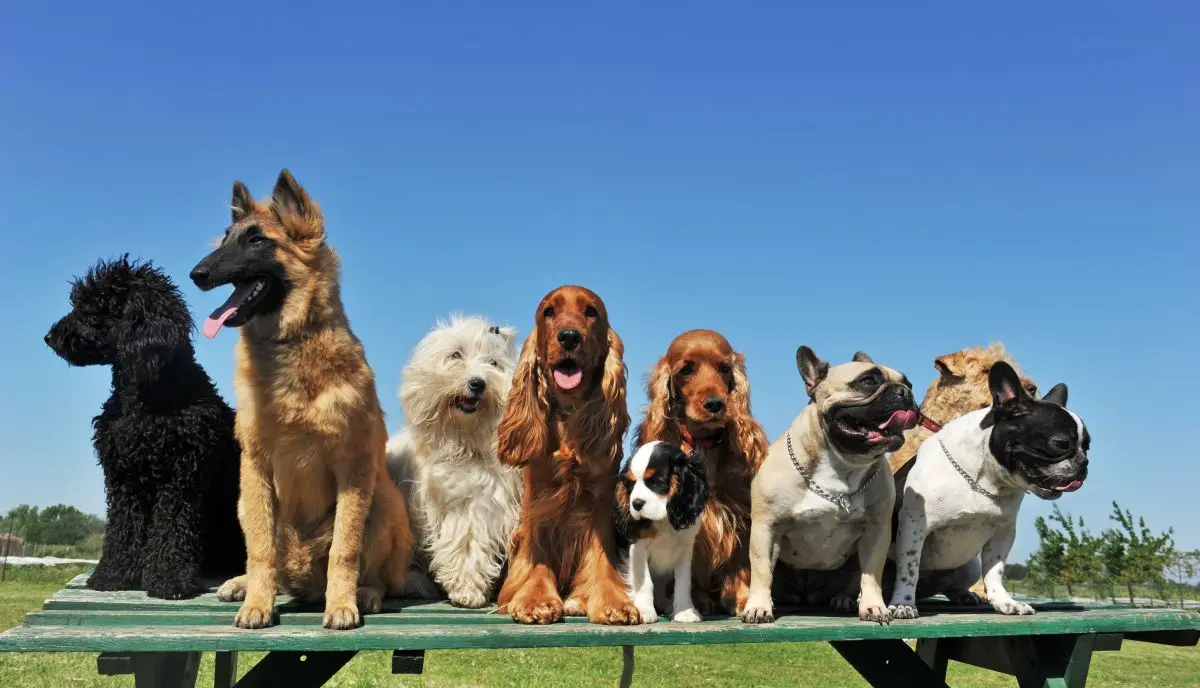
Credit: www.newsweek.com
Genetics Behind Breed Diversity
The variety of dog breeds comes from complex genetics. Each breed has unique traits passed down through generations. These traits define size, color, shape, and behavior. Genetics explain why dogs look and act so differently.
Genes carry information that controls physical features. These genes mix in many ways, creating endless possibilities. Understanding genetics helps us see how breed diversity grows.
Inheritance And Traits
Dogs inherit traits from their parents through genes. Some traits are visible, like fur color or ear shape. Others affect behavior and health. These traits follow patterns called inheritance. Dominant genes show up more, while recessive genes hide until paired.
Breeders select dogs with desired traits to mate. This selective breeding strengthens certain features in each generation. Over time, this process creates distinct breeds with stable traits.
Mutations And Variations
Mutations are small changes in a dog’s DNA. Most are harmless, but some create new traits. These variations add to breed diversity. A rare mutation might produce a unique coat color or size.
Natural mutations combined with selective breeding cause the many dog breeds seen today. This genetic mix keeps breeds interesting and varied.
Cultural Impact On Breeding
Culture shapes many parts of our lives, including how dogs are bred. Different cultures have different needs and tastes. These differences lead to many dog breeds worldwide.
Dogs often reflect the history and values of a people. Some breeds were developed for work, like hunting or guarding. Others were bred for looks or companionship. Culture influences these choices deeply.
Breed Popularity Trends
Breed popularity changes with time and place. Certain breeds become popular in one country but not in another. This happens because of movies, celebrities, or local customs.
For example, small dogs often become popular in cities. People want pets that fit apartment life. In rural areas, larger working dogs may be more common.
Symbolism And Status
Dogs can symbolize wealth or status in some cultures. Owning rare or expensive breeds can show power or success. Some breeds were even reserved for royalty or nobles.
In other places, a dog’s breed may reflect tradition or heritage. People keep certain breeds to honor their history. This keeps the breed alive and respected.

Credit: penntoday.upenn.edu
Modern Breeding Practices
Modern breeding practices shape the many dog breeds we see today. Breeders use careful methods to keep or improve specific traits in dogs. These practices help maintain breed characteristics and create new varieties. They also raise questions about health and ethics.
Kennel Clubs And Standards
Kennel clubs set clear standards for dog breeds. These rules describe the ideal look and behavior for each breed. Breeders follow these standards to keep breed purity. Shows and competitions judge dogs based on these guidelines. This system helps preserve traditional traits and encourages breeders to improve quality.
Ethics And Health Concerns
Breeding dogs raises ethical questions about animal welfare. Some breeding focuses too much on looks, ignoring health. This can cause genetic problems and shorten dogs’ lives. Responsible breeders test for diseases and avoid harmful pairings. They aim for healthy dogs with good temperaments. Health and ethics must guide modern breeding to protect dogs’ well-being.

Credit: www.reddit.com
Frequently Asked Questions
Why Do Dogs Have So Many Different Breeds?
Dogs have many breeds due to selective breeding by humans. Breeders focused on traits like size, behavior, and appearance. This created diverse breeds suited for various tasks and environments, resulting in the wide variety we see today.
How Did Dog Breeds Develop Over Time?
Dog breeds developed through human intervention over thousands of years. Early humans bred dogs for hunting, guarding, and companionship. This selective breeding enhanced specific traits, leading to the creation of distinct breeds tailored to different roles.
What Factors Influence The Creation Of Dog Breeds?
Factors include purpose, environment, and human preference. Different tasks like herding, hunting, or guarding shaped breed traits. Climate and terrain also influenced breed development to ensure survival and effectiveness in specific regions.
Are All Dog Breeds Genetically Different?
Yes, dog breeds have unique genetic markers. Selective breeding emphasized certain genes, causing variations. However, all breeds belong to the same species, Canis lupus familiaris, sharing a common ancestor despite differences.
Conclusion
Dogs come in many breeds because people bred them for different jobs. Each breed has unique traits and skills. Some dogs are good at hunting, others at guarding or herding. This variety helps dogs work well with humans in many ways.
It also means there is a perfect dog for almost every person. Understanding why breeds exist helps us appreciate dogs more. Their diversity shows how closely dogs and humans have worked together over time. This bond has created the many wonderful breeds we know today.